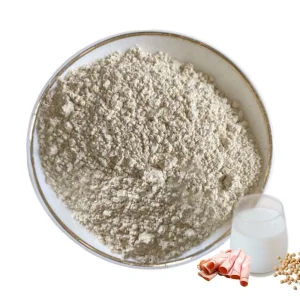
Direct factory access to highly bioavailable plant-derived peptides and functional hydrolyzed soy isolates.
Hangzhou Fderla Biology Co., Ltd. is a professional hydrolyzed protein manufacturer and bioactive peptide supplier based in Hangzhou, China. The company focuses on the research, development, production, and global export of high-quality protein hydrolysates for food, cosmetic, and nutritional applications.
With advanced biotechnology processes and strict quality control systems, Fderla Biology produces a wide range of hydrolyzed protein ingredients, including plant-based, animal-based, and marine-derived protein peptides. These materials are widely used in functional foods, dietary supplements, skincare formulations, hair care products, and sports nutrition solutions.
The company integrates modern enzymatic hydrolysis technology with scientific formulation expertise to ensure high bioavailability, easy absorption, and stable performance of its protein products. Each batch is carefully tested to meet international standards for purity, safety, and effectiveness.
Hangzhou Fderla Biology Co., Ltd. supports OEM and customized solutions for global clients, including ingredient formulation optimization, technical support, and bulk supply services. With a strong focus on innovation and sustainable biotechnology, the company continuously develops new functional peptide solutions for emerging market needs. By combining scientific research, production excellence, and global service capability, Fderla Biology has become a trusted partner in the hydrolyzed protein and bioactive peptide industry, delivering reliable and high-performance ingredient solutions worldwide.
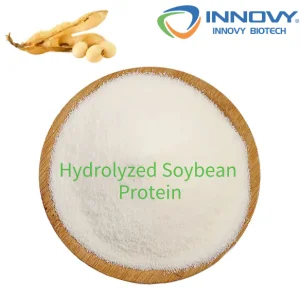
The manufacturing of Hydrolyzed Soy Protein (CAS 9010-10-0) involves the degradation of soy protein isolate (SPI) into smaller, highly soluble bioactive peptides. Our factory implements high-precision catalytic enzymes under sterilized conditions, systematically controlling temperature, pH value, and reaction duration to produce specific molecular weight distributions suited for diverse industrial profiles.
Raw soy proteins consist of complex, high-molecular-weight globulins (mainly 7S glycinin and 11S beta-conglycinin) which exhibit limited solubility in acidic environments and low intestinal absorption rates. Through directed enzymatic cleavage, these macro-molecules are reduced to small-chain peptides, di-peptides, tri-peptides, and free amino acids. The structural modification enhances the Nitrogen Solubility Index (NSI), ensuring stability across wide pH ranges, high temperature ranges, and salinity concentrations.
Fderla produces peptides with a molecular weight primarily under 2,000 Daltons (Da). This ensures rapid gastrointestinal absorption, making it an excellent ingredient for clinical nutrition, elderly supplements, and premium sports recovery formulations.
Our process uses specialized food-grade endo-peptidases and exo-peptidases. This specific multi-stage enzyme system eliminates the bitter hydrophobic peptides commonly associated with lower-grade hydrolysates, ensuring a neutral sensory profile.
Unlike standard soy isolates, hydrolyzed soy protein maintains high transparency and solubility in low-pH beverages (pH 3.0–4.5), avoiding precipitation and sedimentation during extended storage lifecycles.
As the epicenter of global plant protein manufacturing, Chinese factories leverage unique structural benefits that translate directly to cost savings, supply chain resilience, and superior physical properties for buyers worldwide:
Furthermore, Chinese manufacturers comply with modern green biotechnology policies. We utilize advanced energy-recovery evaporators and water treatment loops, presenting a highly sustainable profile to global buyers seeking environmentally responsible sourcing partners.
The global demand for plant-based ingredients is undergoing a paradigm shift. Buyers are moving away from raw, unmodified soy flours toward high-value bio-functional isolates and hydrolyzed peptides. Hydrolyzed soy protein has emerged as an essential material for resolving challenges across multiple consumer sectors:
Consumer demand for allergen-free, dairy-free, and gluten-free formulations is rising. Hydrolyzed soy protein provides a neutral, non-dairy, plant-derived foundation. Modern enzymatic treatment can reduce specific immunogenic proteins, helping brands meet clean-label requirements.
In the meat processing sector (such as hams, sausages, and restructured meats), maintaining moisture and juiciness is critical. Direct injection-grade hydrolyzed soy protein increases water retention, stabilizes emulsions, and prevents purge loss during cooking cycles. This helps optimize product yield and sensory texture.
In modern industrial biotechnology, animal-derived peptones are being replaced with plant-based alternatives due to safety and sustainability concerns. Non-GMO hydrolyzed soy protein provides an excellent nitrogen source for bacterial cultures, yeast propagation, and cell-culture media.
Traditional hydrolyzed vegetable proteins (HVP) produced via acid hydrolysis contain high levels of sodium chloride. Our factory specializes in modern enzymatic methods that generate low-sodium hydrolyzed soy protein, allowing dietary brands to lower sodium content without sacrificing product taste or functionality.
Different markets present distinct regulatory environments and formulation requirements. We optimize our hydrolyzed soy protein products to match specific regional application scenarios:
| Application Sector | Specific Regional Demand | Fderla Solution & Specification | Core Functional Benefit |
|---|---|---|---|
| Sports Nutrition (EU & US) | Rapid absorption, neutral taste, low viscosity in drink powders. | Oligopeptide Grade (MW < 1500 Da) | Rapid post-exercise muscle recovery and protein synthesis. |
| Meat Processing (Latin America / Asia) | Injectable grade for hams, high brine stability. | Injection-size Hydrolyzed Soy Isolate | Improves water-binding capacity (WHC) and texture. |
| Cosmetics & Personal Care | Excellent hair affinity, moisture retention, skin elasticity. | Cosmetic Grade Hydrolyzed Protein | Forms a protective protective film; increases skin elasticity. |
| Fermentation & Bio-pharma | Animal-free raw materials, highly soluble nitrogen. | Culture Medium Grade Hydrolyzed Protein | Accelerates biomass production in microbial fermentations. |
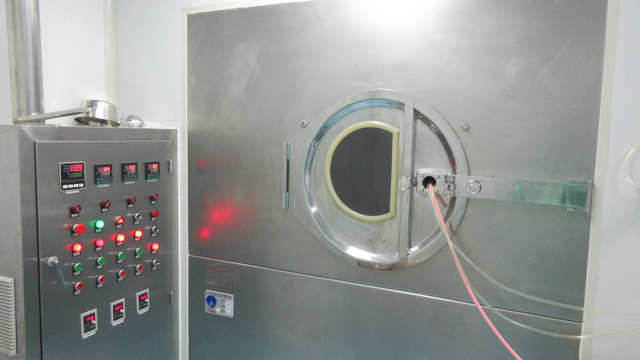
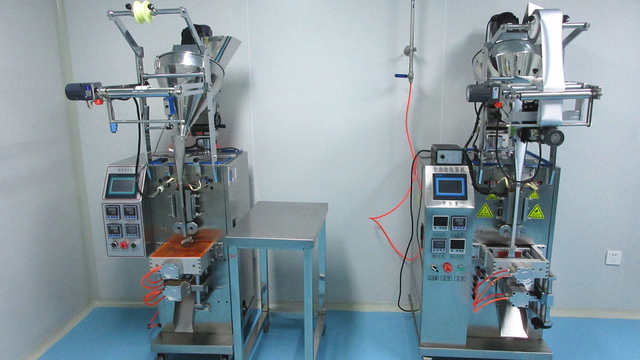
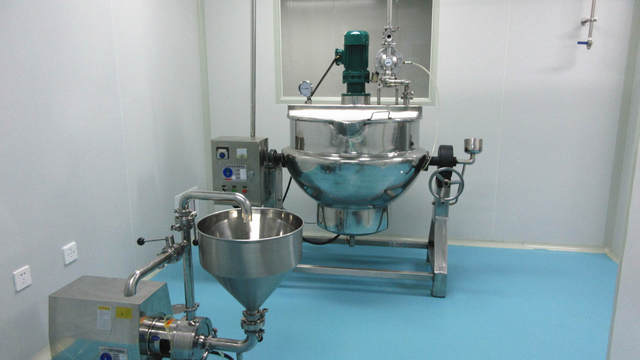
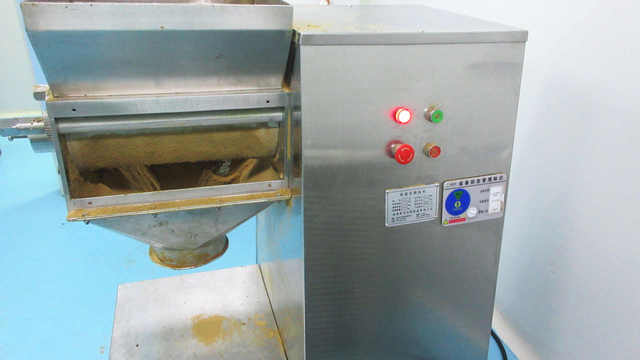
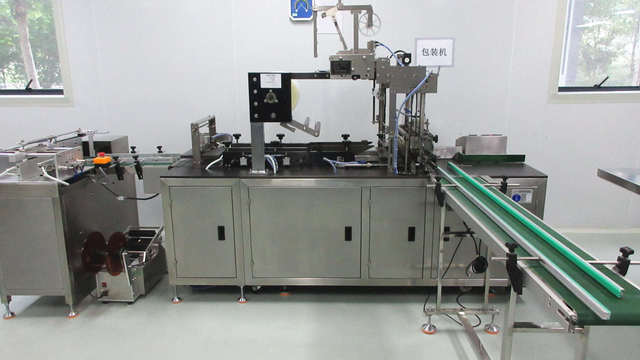
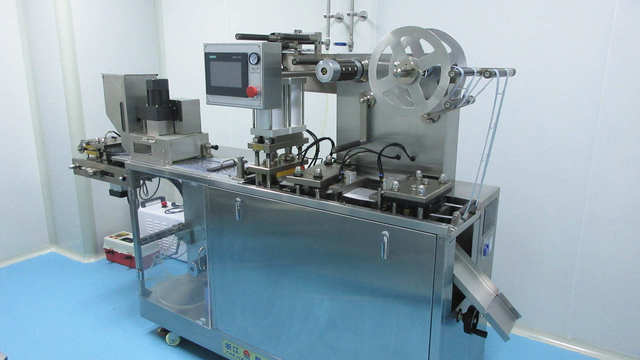
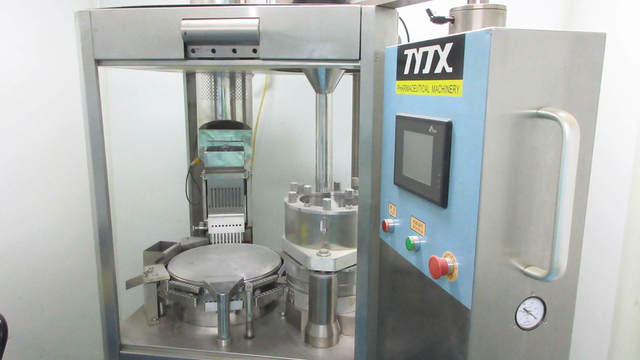
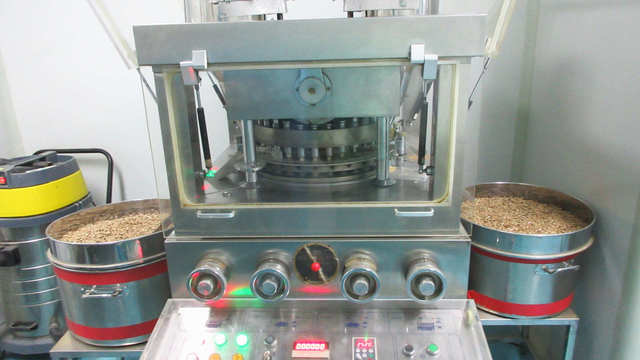
Transparency is key to establishing supply chain trust. Below is a look at our production floor, research laboratories, and advanced dry-processing plants. We maintain rigorous standards to ensure every batch meets your specifications.
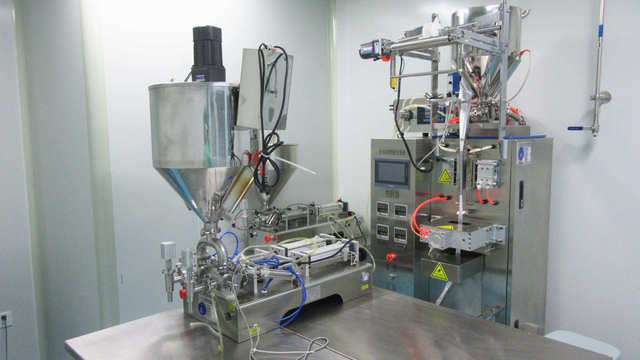
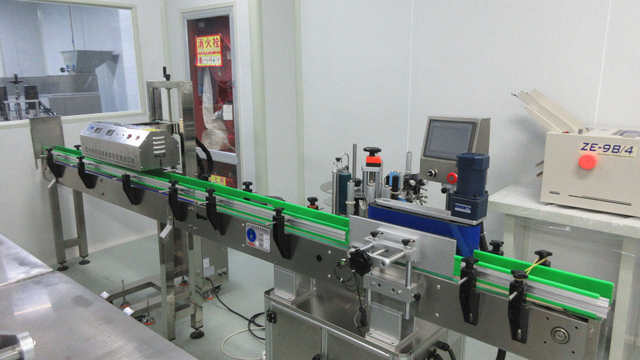
Sourcing protein ingredients globally requires a focus on safety and consistency. At Fderla Biology, we follow strict protocols to ensure reliable supply chain performance:
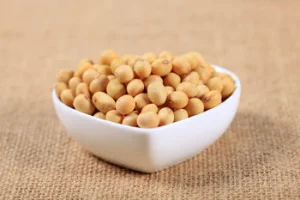
Each batch of raw soybeans undergoes testing before processing. We use PCR testing to verify the non-GMO status of our crops, ensuring compliance with international regulations. Our storage facilities maintain controlled temperatures and humidity levels to preserve the quality of the raw protein.
During the enzymatic hydrolysis process, critical parameters like degree of hydrolysis (DH), nitrogen content, pH, and enzyme inactivation temperature are monitored continuously. This control prevents batch-to-batch variation, ensuring a consistent molecular weight distribution.
Prior to shipment, every product lot undergoes laboratory analysis. Customers receive a complete Certificate of Analysis (CoA) outlining physical, chemical, and microbiological parameters, including:
• Heavy metal residues (Pb, As, Hg)
• Pesticide residue screens
• Total plate count, yeasts, and molds
• Specific molecular weight distribution reports
Soy Protein Isolate consists of large, intact protein structures with molecular weights typically above 100,000 Daltons. It has limited solubility in acidic environments and low dispersion. Hydrolyzed Soy Protein is enzymatically broken down into smaller peptides (usually under 5,000 Daltons), which significantly increases its solubility, heat stability, and absorption rate, making it suitable for functional foods and beverages.
Enzymatic hydrolysis breaks down protein chains into peptides and amino acids. While some free glutamic acid is naturally released, our process uses targeted food-grade enzymes that limit the release of free monosodium glutamate. This ensures a clean label and a neutral flavor profile without the savory taste associated with acid-hydrolyzed vegetable proteins (HVP).
Yes, our raw materials are sourced from non-GMO soybean cultivation areas in Northeast China, and we provide non-GMO certificates for each batch. While soy is classified as a major allergen, our enzymatic hydrolysis process breaks down many of the allergen proteins (such as Gly m 5 and Gly m 6) into smaller peptides, which can reduce their overall allergenicity.
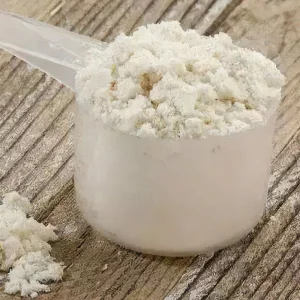
Our spray-dried hydrolyzed soy protein powder has a shelf life of 24 months when stored in its original, unopened packaging. It should be kept in a cool, dry warehouse environment, away from direct sunlight, moisture, and strong odors.
Yes, our R&D team can adjust the enzymatic hydrolysis parameters (temperature, pH, enzyme concentration, and reaction time) to produce customized molecular weight profiles. For cosmetic applications requiring deep hair or skin penetration, we can target molecular weights below 1,000 Daltons.
Explore our range of specialized hydrolyzed proteins and isolates tailored for functional food, pharmaceutical, and technical applications.
 Fderla Biology