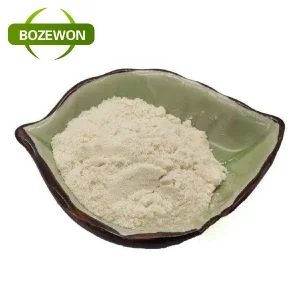
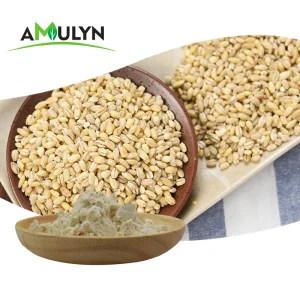
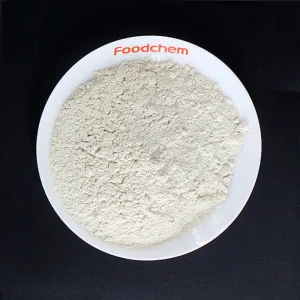
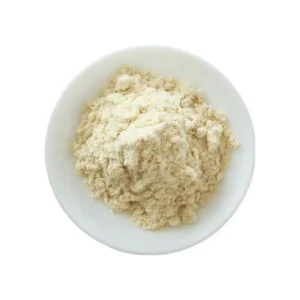
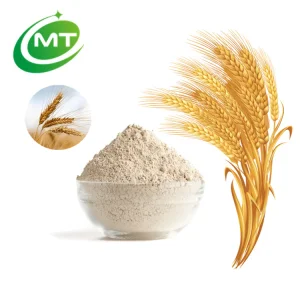
Explore our foundational range of food, cosmetic, and nutritional grade wheat protein compounds designed for high-performance formulation.
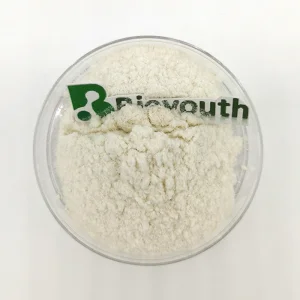
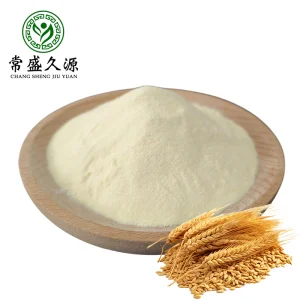
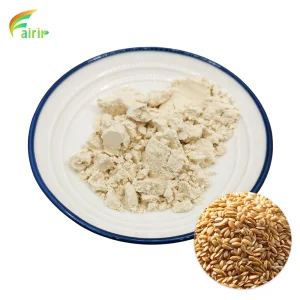
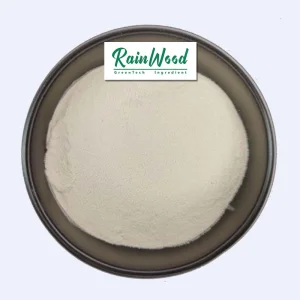
Hangzhou Fderla Biology Co., Ltd. is a professional hydrolyzed protein manufacturer and bioactive peptide supplier based in Hangzhou, China. The company focuses on the research, development, production, and global export of high-quality protein hydrolysates for food, cosmetic, and nutritional applications. By merging molecular botany with enzymatic biocatalysis, we build functional plant proteins that unlock superior solubility, excellent foaming, and high bioavailability for state-of-the-art formulations.
With advanced biotechnology processes and strict quality control systems, Fderla Biology produces a wide range of hydrolyzed protein ingredients, including plant-based, animal-based, and marine-derived protein peptides. These materials are widely used in functional foods, dietary supplements, skincare formulations, hair care products, and sports nutrition solutions. Our factory bridges the gap between raw agricultural inputs and specialized biochemical components, meeting the needs of global distributors and multi-national consumer brands.
The company integrates modern enzymatic hydrolysis technology with scientific formulation expertise to ensure high bioavailability, easy absorption, and stable performance of its protein products. Each batch is carefully tested to meet international standards for purity, safety, and effectiveness.
Hangzhou Fderla Biology Co., Ltd. supports OEM and customized solutions for global clients, including ingredient formulation optimization, technical support, and bulk supply services. With a strong focus on innovation and sustainable biotechnology, the company continuously develops new functional peptide solutions for emerging market needs.
An in-depth analysis of market size, drivers, and the transition toward functional plant-based peptides.
The industrial demand for hydrolyzed wheat protein has expanded beyond basic texturization into the realm of target biopolymers. Globally, the cosmetics and personal care sectors, coupled with sports nutrition and clean-label functional foods, are driving record volume growth. Valued at over $2.1 billion globally, the plant protein hydrolysate market is anticipated to expand at a compound annual growth rate (CAGR) of 6.2% through 2032.
This surge is catalyzed by two macroeconomic forces: the regulatory phase-out of animal-derived proteins (such as bovine gelatin and keratin) in cosmetic formulations, and the rising consumer profile seeking allergen-controlled, plant-based alternatives. Hydrolyzed wheat protein, with its specific amino acid profile rich in glutamic acid, proline, and cystine, offers equivalent cosmetic efficacy to keratin and superior binding properties in baking systems.
In the European Union and North America, the clean-label trend mandates that manufacturers declare functional additives as identifiable plant extracts. Consequently, hydrolyzed wheat protein, which behaves as a natural surfactant, foam stabilizer, and moisture binder, has become a preferred ingredient for formulation chemists.
Driven by natural cosmetic guidelines, manufacturers are replacing synthetic polymers with low molecular weight wheat peptides to act as natural structural reinforcements in hair repair systems.
Strict EFSA compliance has made hydrolyzed wheat protein the ideal clean-label emulsifier and stabilizer for plant-based meat and vegan confectionery brands looking to eliminate synthetic gums.
High-end cosmetic brands in Japan, South Korea, and China integrate micro-peptides into anti-aging skincare products for deep dermal layer moisture retention and skin barrier fortification.
As global supply chains face volatile raw material costs and fluctuating freight variables, China's wheat processing corridor stands out for its high integration. Leveraging advanced automated wet-milling processes, raw non-GMO wheat is fractionated within highly optimized systems, converting starch and gluten into high-value peptides with zero waste.
At Hangzhou Fderla Biology Co., Ltd., we utilize advanced membrane filtration and multi-stage enzymatic hydrolysis reactors. This allows us to control the molecular weight distribution (MWD) down to ±100 Daltons. Unlike conventional production methods which rely on acid hydrolysis—a process that destroys valuable amino acids like cystine and yields high salt content—our enzyme-driven biotechnology keeps the ash content below 1.5% and maintains a clean sensory profile. This results in premium quality, stable prices, and reliable supply chains for global enterprise buyers.
| Processing Factor | Fderla Enzymatic Route | Standard Industry Route |
|---|---|---|
| Molecular Accuracy | Targeted range (e.g., <1000 Da) | Broad/Uncontrolled MWD |
| Ash / Salt Content | < 1.5% | 3.0% - 5.0% |
| Heavy Metal Limits | Pb < 0.5 ppm, As < 0.2 ppm | Pb < 2.0 ppm, As < 1.0 ppm |
| Color & Odor Profile | Neutral, Light off-white | Pungent, Yellowish-brown |
| Water Solubility | 100% Instant Dispersion | Partial precipitation |
How global R&D teams formulate with hydrolyzed wheat protein across diverse industrial sectors.
In professional haircare systems, low molecular weight hydrolyzed wheat protein (typically 800 - 1500 Da) penetrates the hair shaft cuticle. By replenishing damaged cystine bridges, it strengthens hair from within. In skincare, its high concentration of glutamic acid works as a natural humectant, supporting the skin's Natural Moisturizing Factor (NMF) to lock in hydration without feeling sticky.
For industrial bakeries, wheat protein hydrolysates act as clean-label dough relaxers. By breaking disulfide bonds under controlled enzymatic conditions, they reduce mixing times, improve dough elasticity, and prevent shrinkage in laminated crackers and cookies. They also improve crumb structure and extend shelf-life by binding water.
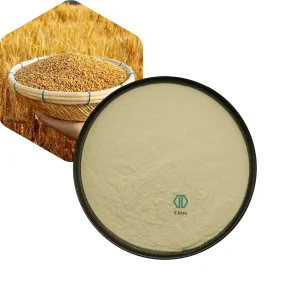
Thanks to its high glutamine content (approximately 30-35% of its total amino acid composition), hydrolyzed wheat peptide powder is highly valued by sports nutrition manufacturers. It is highly soluble in water and stable at low pH levels, making it ideal for formulating recovery drinks, ready-to-drink (RTD) protein beverages, and protein bars.
Hypoallergenic pet foods increasingly rely on hydrolyzed wheat protein. The enzymatic hydrolysis process breaks down large gluten proteins into small peptides (typically below 3000 Da), which helps prevent allergic reactions in pets with sensitive digestive systems. It also improves palatability and digestible protein delivery in premium kibble formulations.
Key standards for global sourcing managers to ensure safety, traceability, and consistent performance.
B2B ingredient procurement involves strict regulatory requirements. Global buyers must look closely at microbiological safety, heavy metal thresholds, and cross-contamination controls during production. At Hangzhou Fderla Biology Co., Ltd., we follow rigorous quality assurance protocols to meet global market requirements:
By establishing partnerships with third-party verification bodies (such as SGS and Eurofins), we provide independent Certificate of Analysis (COA) reports with every container, detailing heavy metals, microbiological limits, and peptide molecular profiles.
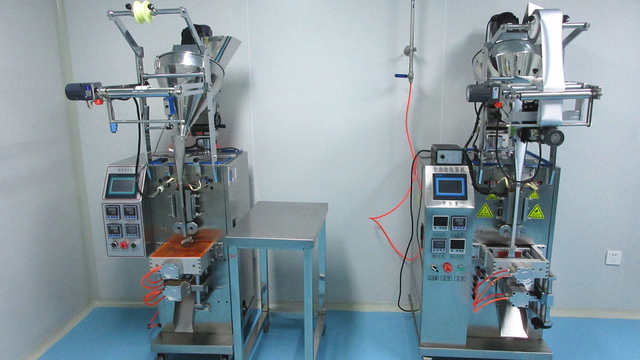
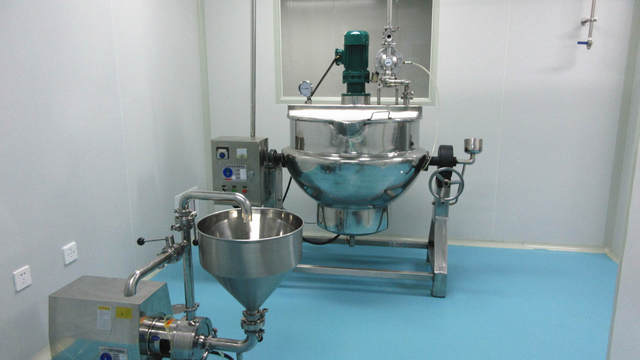
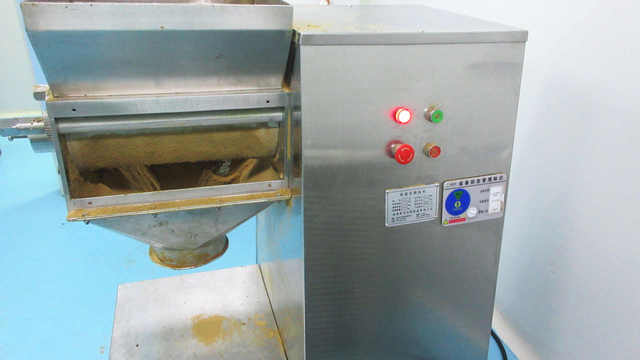
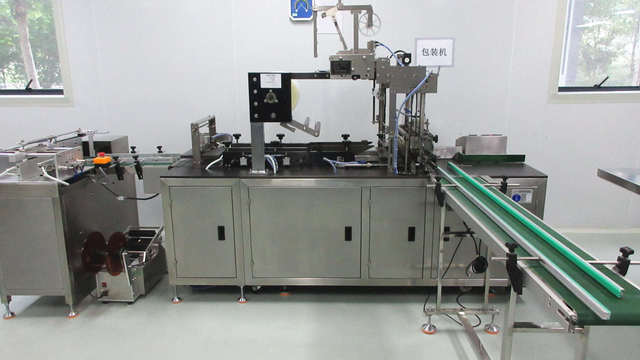
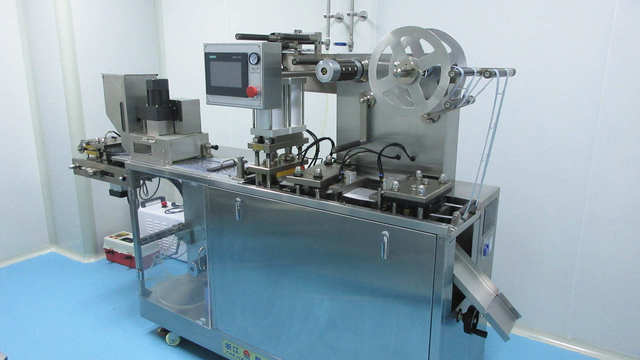
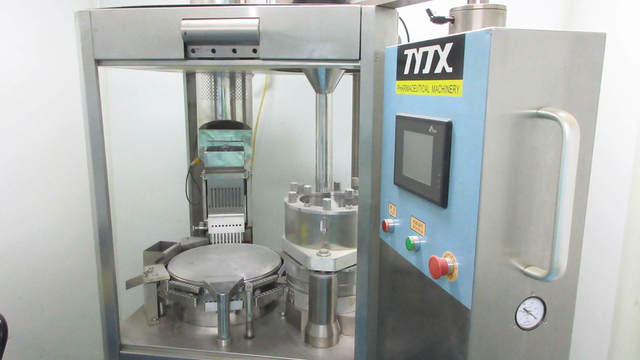
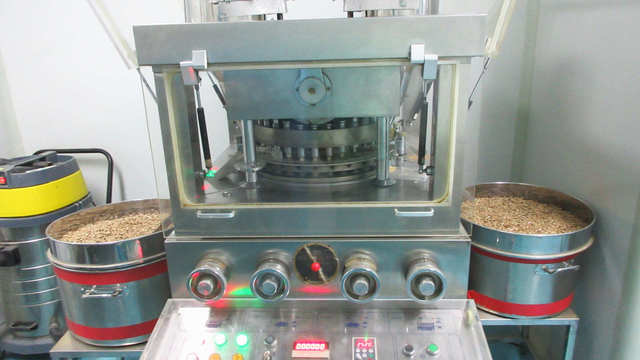
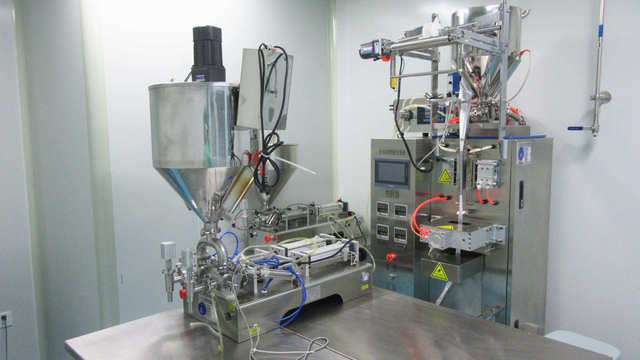
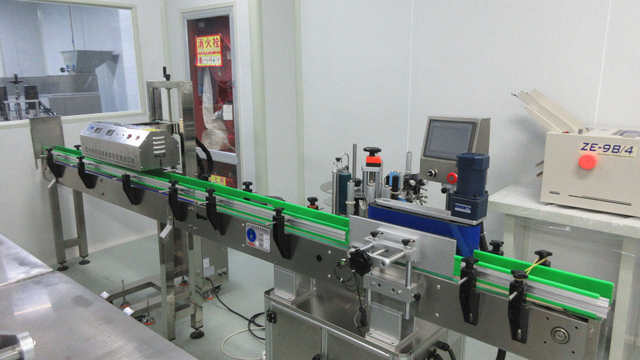
A closer look at our state-of-the-art production site, automated extraction, and quality control lab.

A look at upcoming developments in bio-enzymatic extraction and eco-friendly manufacturing.
Future applications require highly targeted molecular profiles. R&D is moving away from broad-spectrum hydrolysates to narrow-range fractions. For example, isolating peptides specifically between 500 and 800 Daltons optimizes hair cuticle penetration, while fractions above 5000 Daltons are designed for moisture-retaining skin barriers.
Combining hydrolyzed wheat peptides with marine or other plant-based proteins (such as soy, pea, or rice) is becoming increasingly popular. These blends create well-rounded amino acid profiles that help developers create clean-label, allergen-friendly alternatives to traditional animal-derived proteins.
Sustainability is a key driver for modern brands. This means reducing water use, adopting energy-efficient cold extraction methods, and utilizing upcycled co-products from wheat flour mills. Transitioning to zero-waste processing model aligns with global carbon-neutral goals, offering an eco-friendly choice for sustainable brands.
Direct technical answers to common queries from R&D chemists and global procurement officers.
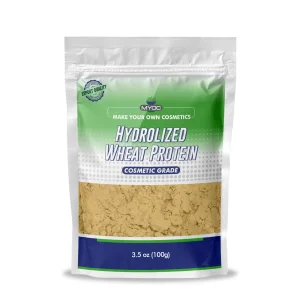
Explore our complete catalog of specialized wheat peptides, concentrated powders, and isolation formulas.
 Fderla Biology