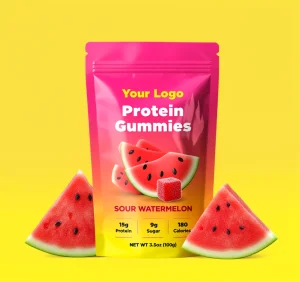
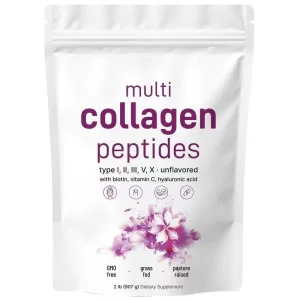
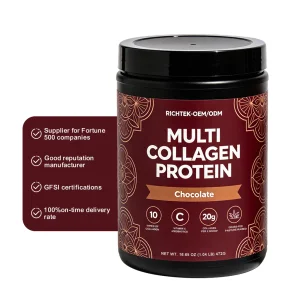
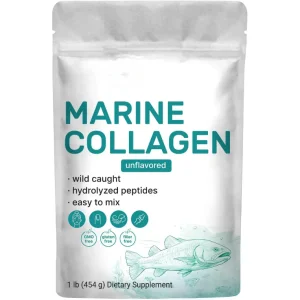
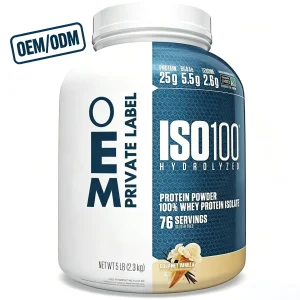
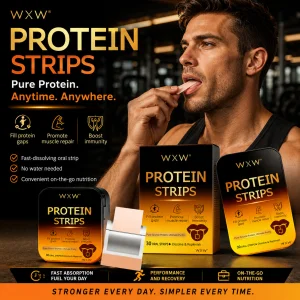
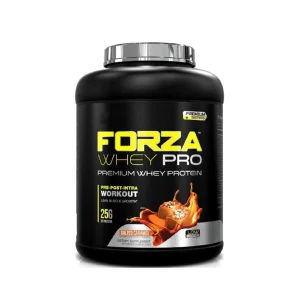
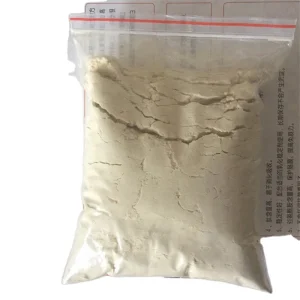
Direct supply of high-bioavailability protein isolates and peptide powders engineered for athletic performance, wellness, and beauty formulations.
Hangzhou Fderla Biology Co., Ltd. is a leading hydrolyzed protein manufacturer and bioactive peptide supplier based in Hangzhou, China. The company focuses on the research, development, production, and global export of high-quality protein hydrolysates for food, cosmetic, and nutritional applications.
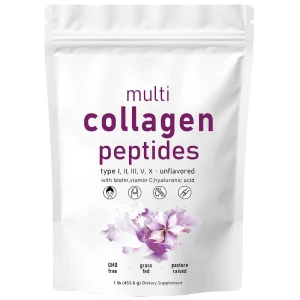
With advanced biotechnology processes and strict quality control systems, Fderla Biology produces a wide range of hydrolyzed protein ingredients, including plant-based, animal-based, and marine-derived protein peptides. These materials are widely used in functional foods, dietary supplements, skincare formulations, hair care products, and sports nutrition solutions.
The company integrates modern enzymatic hydrolysis technology with scientific formulation expertise to ensure high bioavailability, easy absorption, and stable performance of its protein products. Each batch is carefully tested to meet international standards for purity, safety, and effectiveness.
By combining scientific research, production excellence, and global service capability, Fderla Biology has become a trusted partner in the hydrolyzed protein and bioactive peptide industry, delivering reliable and high-performance ingredient solutions worldwide.
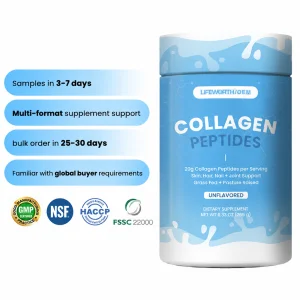
Fderla Biology supports OEM and customized solutions for global clients, including ingredient formulation optimization, technical support, and bulk supply services. With a strong focus on innovation and sustainable biotechnology, the company continuously develops new functional peptide solutions for emerging market needs.
Navigating the rapid growth, supply chain vectors, and processing advancements in the global bioactive peptide industry.
The global market for hydrolyzed proteins is undergoing a monumental transition. No longer limited to niche bodybuilding formulations, bioactive peptides have penetrated mainstream preventative healthcare, geriatric nutrition, medical therapeutics, and functional cosmetics. By pre-digesting intact protein molecules into shorter chains of amino acids (di-peptides, tri-peptides, and oligopeptides), manufacturers bypass the body’s complex digestive bottlenecks, offering unmatched bioavailability and gastrointestinal tolerability.
Driven by an aging global demographic and an exponential rise in lifestyle-related health concerns, the demand for clean-label, hypoallergenic protein sources has reached unprecedented heights. Advanced developers utilize targeted enzyme cocktails to isolate peptides with specific physiological benefits—such as ACE-inhibition for cardiovascular health, collagen density stimulation for anti-aging, and rapid muscle-glycogen recovery vectors for athletic support.
Consumers are demanding allergen-free, non-GMO alternatives. Protein hydrolysates sourced from wheat, pea, rice, and soy are gaining significant traction in vegan sports nutrition, showing comparable performance to milk derivatives when fortified correctly.
Modern supplement formulations combine hydrolyzed peptides with secondary activators (like Vitamin C, Hyaluronic Acid, or Zinc) to create synergistic cascades that amplify biological tissue repair and immune resilience.
One historical drawback of high-degree protein hydrolysis is bitterness. Fderla's proprietary enzymatic polishing techniques remove bitter hydrophobic terminals without compromising the target peptide molecular weight distribution profile.
How molecular weight optimization dictates cellular uptake, physiological efficacy, and formulation stability.
To understand the superiority of hydrolyzed proteins over conventional isolates, we must examine the physiological kinetics of peptide absorption. Intact proteins require extensive processing by stomach acids and pancreatic enzymes, leading to slow and often incomplete peptide release. Fderla Biology's industrial processing replicates and optimizes this process ex vivo.
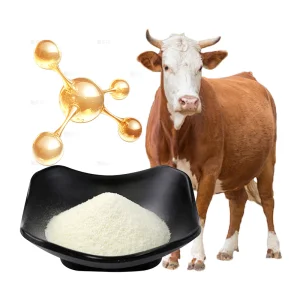
Premium, traceable bovine, marine, or botanical protein isolates undergo strict purity screening.
Application of endopeptidases and exopeptidases at strict pH and temperature windows.
Fractionation using molecular weight cut-off membranes to secure uniform peptide sizes.
Advanced vacuum drying preserves biological activity while eliminating off-tastes.
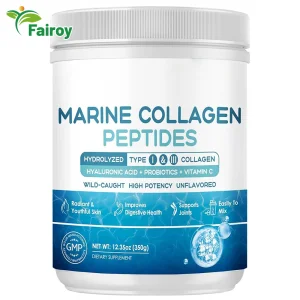
By controlling the Degree of Hydrolysis (DH), Fderla tailors the molecular weight profile to specific applications. For instance, hydrolyzed marine collagen peptides are optimized to less than 2,000 Daltons (Da) or even 1,000 Da. These small fragments readily cross the intestinal barrier via PepT1 transporters, facilitating direct delivery to the bloodstream and peripheral tissues like the skin, joints, and skeletal system far more rapidly than raw protein isolates.
Formulation strategies, dose delivery platforms, and white-label manufacturing solutions engineered for modern supplement brands.
We work with brand managers to resolve critical formulation challenges across diverse formats:
Sensory profile development is paramount. Fderla's R&D team addresses this by removing volatile off-notes and bitter amino acid residues, eliminating the need for excessive artificial sweeteners or high-sodium masking systems. The result is a clean, versatile base product that blends seamlessly with natural flavors.
Customizing formulation parameters, certifications, and compliance to meet distinct regional market demands.
Regulatory dynamics and consumer expectations vary drastically across international markets. Our specialized customization pipelines accommodate these distinct regional demands:
Requires strict bovine tracking, alcohol-free enzymatic systems, and complete Halal compliance. Fderla provides fully certified bovine and marine collagens compliant with GSO standards.
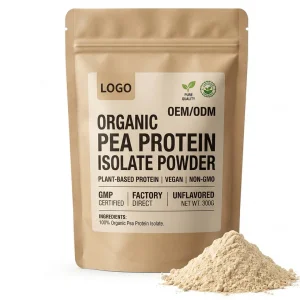
Driven by requests for Non-GMO, Organic, and allergen-free alternatives. We offer plant-based isolates like organic pea hydrolysate, providing a high-purity protein source for hypoallergenic formulations.
Focuses on ecological footprints and marine sustainability. Fderla's marine peptides are sourced responsibly, offering full batch traceability, minimal processing inputs, and low heavy metal profiles.
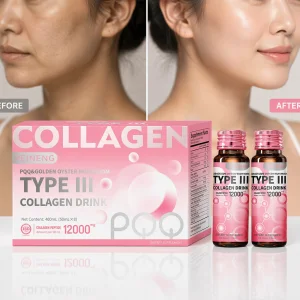
A booming market for functional beauty drinks and anti-aging liquid shots. Our low-molecular weight marine fish collagen exhibits complete cold-water solubility and excellent clarity for high-end beauty formulations.
The next frontier: AI-driven peptide discovery, customized nutrition, and precision fermentation.
The next decade of protein hydrolysis will belong to precision engineering. Instead of random enzymatic hydrolysis, Fderla Biology is mapping protein structures using computational modeling. This allows us to identify and target specific peptide sequences to optimize physiological pathways.
Furthermore, the convergence of biotechnology and artificial intelligence is streamlining the identification of novel bio-active sequences. By combining AI databases with high-throughput screening assays, we are developing therapeutic-grade peptides with highly targeted functions. Additionally, our commitment to sustainability is driving research into upcycled agricultural side-streams as rich, clean-label plant protein hydrolysate sources.
By simulating enzyme-substrate docking, we can predict degree of hydrolysis yields and tailor peptide sequences to target health applications with high precision.
Refining processing protocols to reduce allergen levels in wheat and soy hydrolysates, ensuring safe application in sensitive formulations.
Developing hybrid proteins that co-hydrolyze plant and marine sources, delivering complete amino acid profiles alongside targeted tissue recovery peptides.
Resolving key manufacturing, R&D, and quality assurance questions for supplement brand managers.
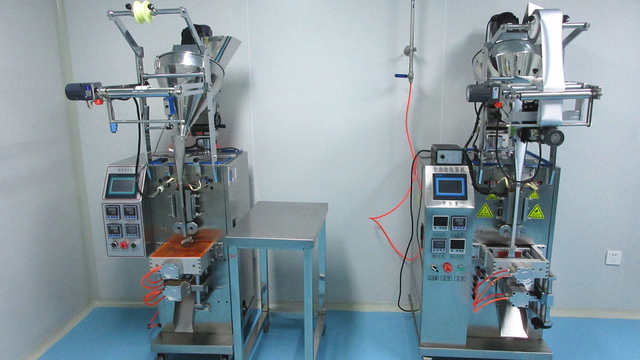
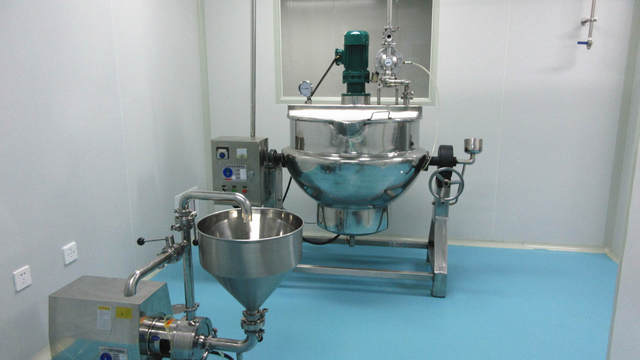
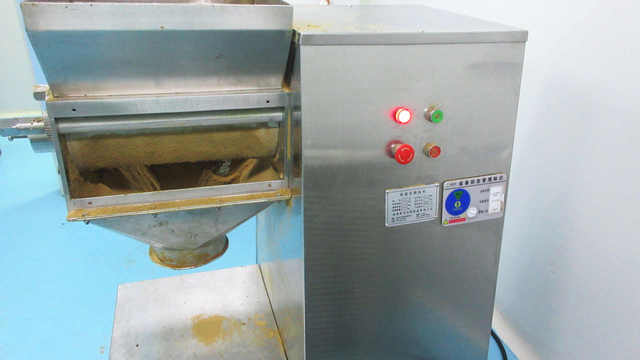
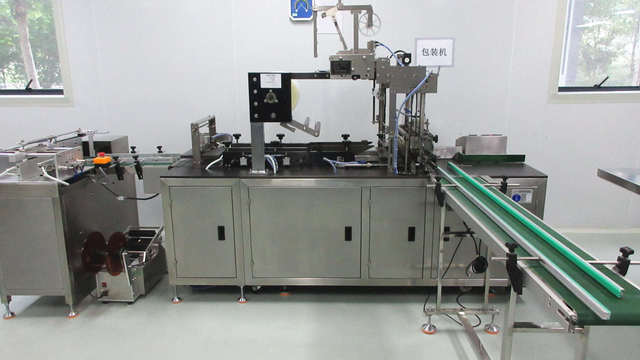
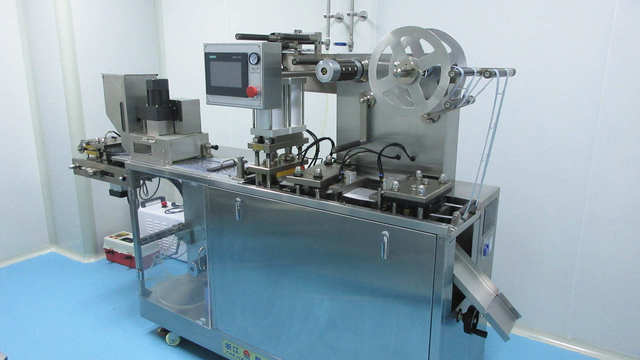
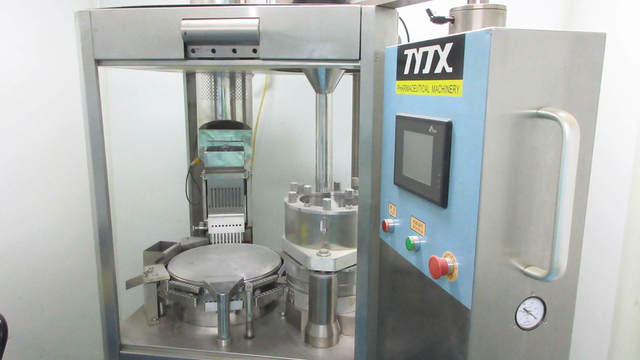
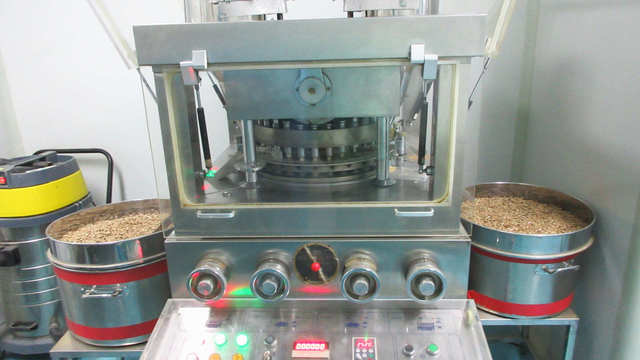
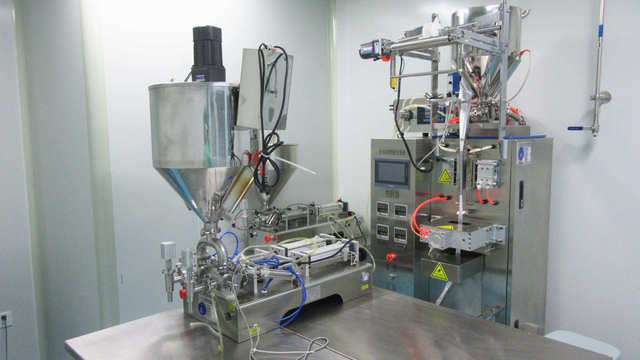
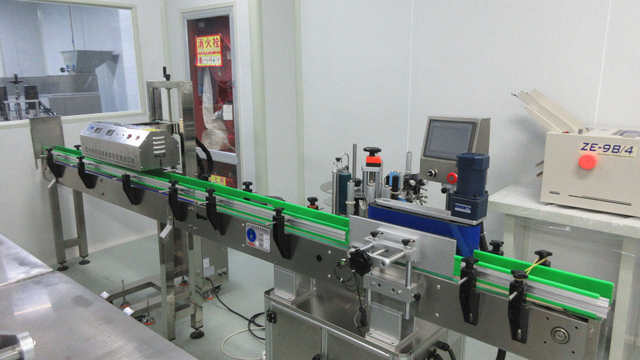
Explore our advanced extraction lines, drying towers, and analytics laboratories where our premium ingredients are made.

Premium specialty proteins and formulation bases developed for custom sports nutrition, clinical nutrition, and wellness brands.
 Fderla Biology