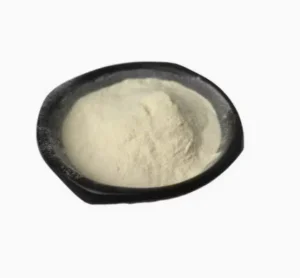
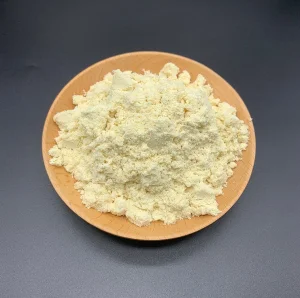
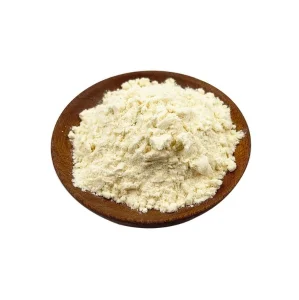
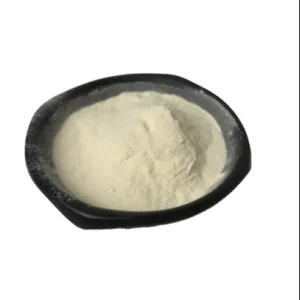
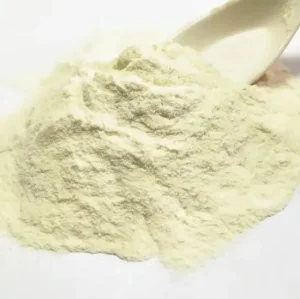
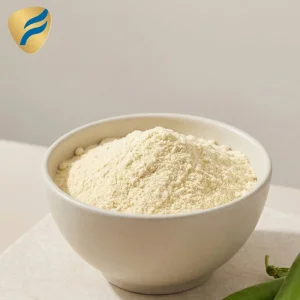
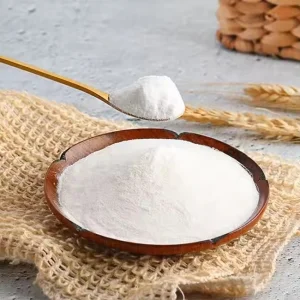
Explore our standard grades of food-grade, cosmetics-grade, and nutritional-grade hydrolyzed milk proteins formulated for high bioavailability and premium solubility.
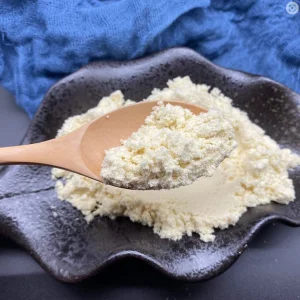
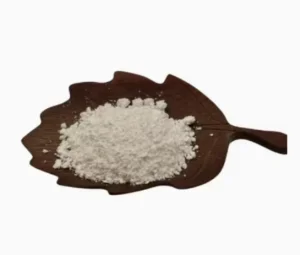
Hydrolyzed milk protein is produced through the controlled enzymatic cleavage of intact dairy proteins (casein and whey) into smaller, biologically active peptide chains. This mimics the body's natural digestive processes, resulting in an ingredient profile characterized by rapid metabolic absorption, enhanced solubility, and significantly reduced allergenicity.
At the molecular level, intact milk proteins possess complex quaternary structures that can trigger immunogenic responses in sensitive individuals. By utilizing precise, food-grade endopeptidases and exopeptidases, we target specific peptide bonds, breaking them down into short-chain di-peptides, tri-peptides, and oligopeptides.
Our bio-catalytic engineering process ensures that the finished powder retains excellent heat stability during UHT processing, maintains high nitrogen solubility across a broad pH spectrum, and exhibits minimal organoleptic off-notes.
| Specification Parameter | Intact Milk Protein (Standard Casein/Whey) | Partially Hydrolyzed Milk Protein (DH 8% - 15%) | Extensively Hydrolyzed Milk Protein (DH > 20%) |
|---|---|---|---|
| Average Molecular Weight | > 30,000 Daltons | 2,000 – 5,000 Daltons | < 1,500 Daltons |
| Allergenicity Risk | High (Standard Immunogenicity) | Moderate to Low | Ultra-Low / Hypoallergenic |
| Water Solubility (pH 4.6 - 7.0) | Precipitates at Isoelectric Point (pH 4.6) | > 90% Soluble | 100% Fully Soluble / High Transparency |
| Absorption Rate | Slow (Requires complete enzymatic digestion) | Rapid (Optimized peptide uptake) | Ultra-Fast (Direct mucosal absorption) |
| Primary Target Applications | Standard Dairy, Bakery, Protein Bars | Sports Nutrition, Active Aging Formulations | Infant Nutrition, Clinical & Enteral Formulas |
Addressing the complex technical, organoleptic, and logistic challenges faced by purchasing and R&D managers worldwide.
Highly hydrolyzed dairy proteins typically suffer from hydrophobic peptide accumulation, causing a characteristic bitter profile. Our advanced processing utilizes specific exopeptidases that selectively cleave these terminal hydrophobic amino acids, offering a neutral taste profile without relying on excessive sweeteners.
Beverage manufacturers run into gelling, sedimentation, and phase separation during sterilization. Our partially hydrolyzed milk proteins are enzymatically modified to withstand high-temperature processing while remaining perfectly in solution, extending the shelf-life of RTD protein drinks.
For sensitive populations, infant foods, and medical nutrition, keeping beta-lactoglobulin and other immunogenic residues at non-detectable levels is non-negotiable. Fderla Biology provides batch-validated, extensively hydrolyzed proteins that pass strict ELISA allergen screenings.
Understanding the application profiles that drive growth in dietary supplements, clinical treatment, and clinical cosmetics.
Athletes require immediate nitrogen restoration to heal micro-tears in muscle tissue post-workout. Hydrolyzed milk protein supplies rapid-acting amino acids that hit the circulatory system far quicker than standard isolates. In clinical settings, it provides an easily digestible source of nitrogen for elderly patients or individuals with compromised digestive tracts.
In topical cosmetic applications, hydrolyzed milk protein acts as a powerful humectant. The low-molecular-weight peptides penetrate the stratum corneum, binding moisture, promoting cellular repair, and mitigating irritation caused by surfactants. In hair care, it coats and strengthens damaged hair shafts, reducing breakage.
Infant systems are highly sensitive to intact foreign proteins, which can trigger immune responses. Extensive enzymatic digestion breaks down common milk allergens (like casein and beta-lactoglobulin) into safe, recognizable fragments, allowing manufacturers to create hypoallergenic formulations suitable for infants with CMA (Cow's Milk Allergy).
Hangzhou Fderla Biology Co., Ltd. is a professional hydrolyzed protein manufacturer and bioactive peptide supplier based in Hangzhou, China. The company focuses on the research, development, production, and global export of high-quality protein hydrolysates for food, cosmetic, and nutritional applications.
With advanced biotechnology processes and strict quality control systems, Fderla Biology produces a wide range of hydrolyzed protein ingredients, including plant-based, animal-based, and marine-derived protein peptides. These materials are widely used in functional foods, dietary supplements, skincare formulations, hair care products, and sports nutrition solutions.
The company integrates modern enzymatic hydrolysis technology with scientific formulation expertise to ensure high bioavailability, easy absorption, and stable performance of its protein products. Each batch is carefully tested to meet international standards for purity, safety, and effectiveness.
Hangzhou Fderla Biology Co., Ltd. supports OEM and customized solutions for global clients, including ingredient formulation optimization, technical support, and bulk supply services. With a strong focus on innovation and sustainable biotechnology, the company continuously develops new functional peptide solutions for emerging market needs.
By combining scientific research, production excellence, and global service capability, Fderla Biology has become a trusted partner in the hydrolyzed protein and bioactive peptide industry, delivering reliable and high-performance ingredient solutions worldwide.
To maintain our technological edge, Fderla Biology adheres to a structured, data-driven technical roadmap focused on enhancing bioavailability and resolving organoleptic issues.
Phase 1: Precision Bio-catalysis & Enzymatic Mapping: We deploy advanced molecular docking software to simulate how different enzymes break down protein chains. This enables us to select the exact combination of enzymes to target specific peptide linkages, minimizing bitter hydrophobic fragments while maximizing bioactive di- and tri-peptides.
Phase 2: Advanced Filtration & Separation: Using multi-stage ultrafiltration and nanofiltration membranes, we isolate specific peptide fractions based on molecular weight. This guarantees that each grade contains only the molecular sizes required for its specific application, whether that means quick absorption for sports drinks or deep penetration for skincare products.
Phase 3: Clean-Label & Plant-Hybrid Technologies: Responding to global market demands, we are developing hybrid protein systems that combine dairy and plant peptides. This yields a balanced amino acid profile and supports sustainable labeling.

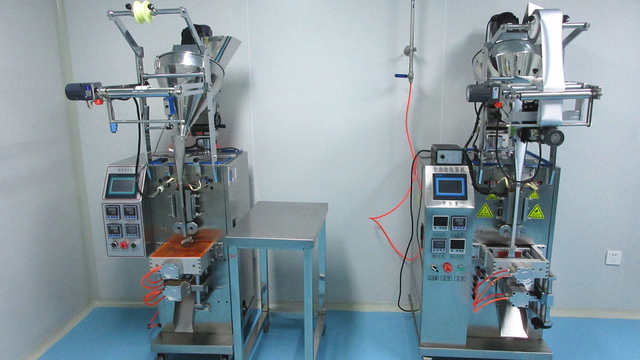
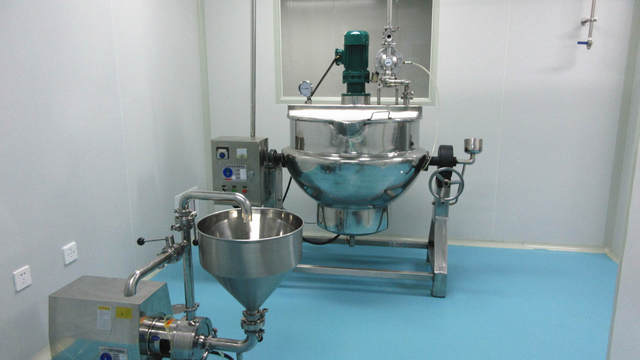
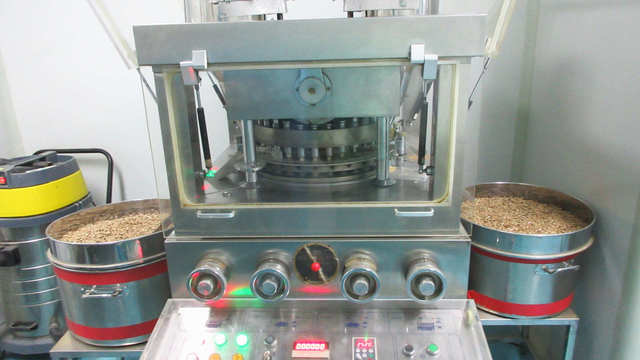
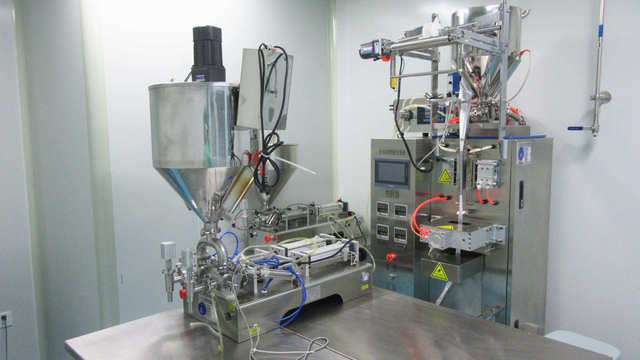
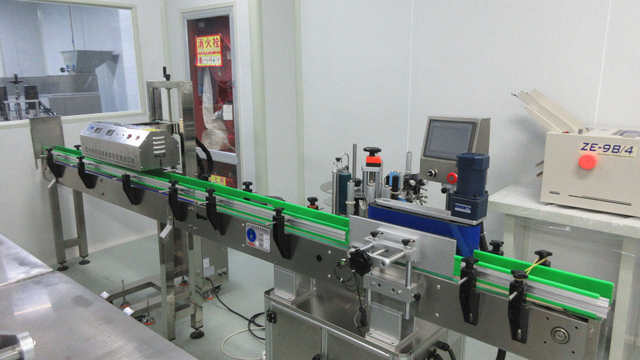
Exporting food and cosmetic ingredients globally requires deep familiarity with regulatory standards. At Fderla Biology, we back every shipment with documentation that complies with regional and international rules, helping your product development and customs clearance proceed smoothly.
Our dedicated regulatory team monitors revisions to FDA standards in the United States, EFSA guidelines in Europe, and GB standards in China. We understand that dynamic changes in regulatory frameworks require fast compliance updates.
Our technical team provides customized molecular weight matching, physical property adjustment (including density and flowability), and packaging styles from 1kg sample bags up to 25kg bulk bags.
Direct answers from our R&D lab on chemical profiles, application methods, and ordering details.
Review our specialized peptide products, including blended plant-animal peptide matrices and collagen solutions for dietary supplements and cosmetics.
 Fderla Biology