A comprehensive analysis of sourcing paradigms, industrial growth vectors, and functional performance metrics driving the global marine peptide supply chain.
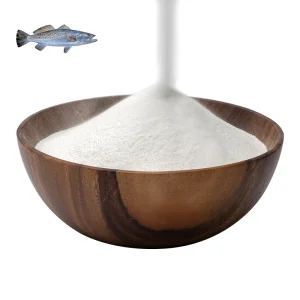
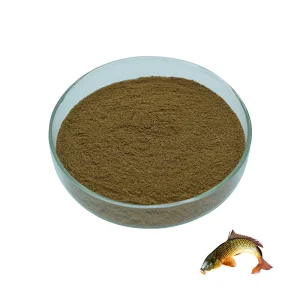
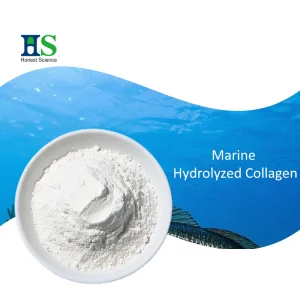
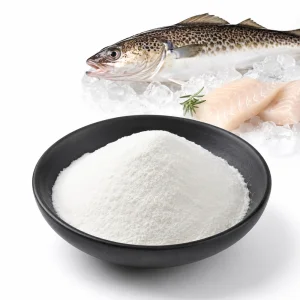
The global demand for hydrolyzed fish protein and marine bioactive peptides has witnessed exponential growth over the past decade. Driven by shifting consumer preferences toward highly bioavailable, clean-label, and sustainable protein sources, industries ranging from clinical nutrition to high-yield aquaculture are restructuring their ingredient formulations. Hydrolyzed fish protein is obtained through advanced enzymatic hydrolysis of marine raw materials, producing a highly concentrated mixture of short-chain peptides and free amino acids. Unlike native proteins, these enzymatically fractured segments possess unique physiological activities, exceptional solubility, and a near-perfect digestibility index.
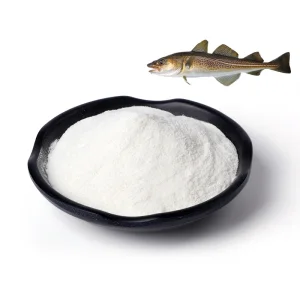
Modern manufacturing demands strict adherence to sustainability paradigms. Progressive factories utilize upcycled materials from wild-caught cod, tilapia, and deep-sea demersal species, aligning production pathways with circular economy guidelines. By capturing valuable proteins from processing co-products, manufacturers minimize waste while delivering highly functional raw materials to B2B clients worldwide. Today's commercial buyers prioritize partners who can demonstrate complete supply chain traceability, verified molecular weight profiles, and consistent biological activity across production batches.
Elucidating the pathways of catalytic cleavage, molecular weight optimization, and functional peptide isolation.
The industrial synthesis of premium hydrolyzed fish protein is governed by the kinetics of enzymology rather than aggressive acid or alkaline cleavage. Chemical hydrolysis often degrades essential amino acids, yielding high-salinity end products with compromised nutritional profiles. In contrast, bio-enzymatic hydrolysis employs site-specific proteases—such as alcalase, papain, pepsin, and trypsin—under precisely regulated temperature, pH, and substrate concentration parameters.
By controlling the Degree of Hydrolysis (DH), factories can tailor the molecular weight distribution of the resulting peptides. For example, cosmetic applications (like skin elasticity and anti-aging topical formulas) require ultra-low molecular weight peptides (typically below 1,000 Daltons) to guarantee transdermal absorption. Conversely, agricultural bio-stimulants and aquaculture feeds utilize a broader molecular weight distribution (1,000 to 5,000 Daltons) rich in free amino acids to optimize root absorption and palatability, respectively.
Multi-stage enzymatic reactors break down complex triple-helix collagen structures into target peptide fractions without damaging essential amino acids.
Advanced ceramic membrane systems isolate specific molecular weight profiles (e.g., <1000 Da, <3000 Da) to meet precise efficacy metrics.
Gentle dehydration preserves heat-sensitive bioactive properties, ensuring instant solubility and maintaining structural peptide stability.
A critical stage in our manufacturing loop is the removal of volatile nitrogen compounds and heavy metals. Deep-sea raw materials undergo comprehensive carbon adsorption filtration and high-vacuum deodorization. This guarantees a neutral taste and smell profile, solving the historical formulation hurdle of "fishy" off-notes in ready-to-mix protein powders and functional beverages.
Bridging the gap between raw biomaterials and high-value commercial formulations across major global sectors.
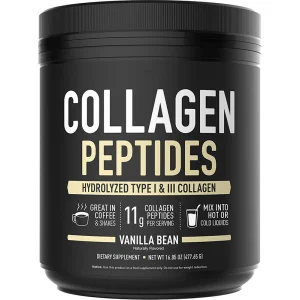
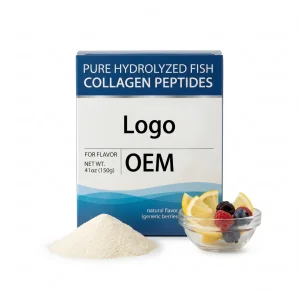
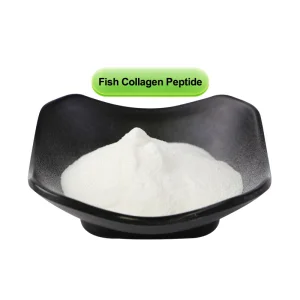
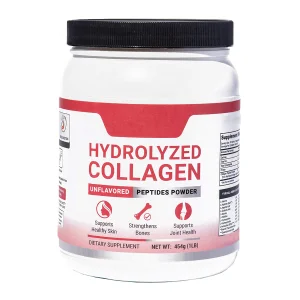
For human consumption, hydrolyzed fish collagen peptides serve as the cornerstone of premium joint and skin health formulations. Type I and Type III collagen, heavily present in cod skin and tilapia scales, provide a rich source of Glycine, Proline, and Hydroxyproline. These amino acids stimulate chondrocytes and fibroblasts, promoting internal collagen synthesis. Furthermore, their rapid absorption kinetics make them a preferred choice for clean-label sports nutrition and medical recovery foods.
As the aquaculture industry moves away from wild-harvested fish meal due to environmental and cost pressures, hydrolyzed fish protein emerges as an essential biological alternative. Rich in natural nucleotides, glutamic acid, and bioactive peptides, these hydrolysates act as potent feed attractants. In starter diets for larval fish and shrimp, the inclusion of hydrolyzed marine protein significantly enhances survival rates, accelerates gut mucosal development, and strengthens non-specific immune responses against pathogenic challenges.
In modern agricultural systems, hydrolyzed fish protein is recognized as a powerful biostimulant. Unlike synthetic nitrogen fertilizers, fish hydrolysates provide organic nitrogen alongside trace minerals, vitamins, and chelated micronutrients. The short-chain peptides stimulate beneficial soil microbiota, improve soil structure, and enhance root development. Applied foliar or via fertigation, they trigger systemic acquired resistance (SAR) in crops, mitigating abiotic stressors such as drought, salinity, and temperature extremes.
In the personal care sector, marine-derived peptides are highly valued for their moisture-binding properties and bio-compatibility. Low molecular weight fish collagen peptides easily penetrate the stratum corneum, reinforcing the skin's natural moisture barrier. Additionally, their antioxidant properties help neutralize free radicals, protecting skin cells from UV-induced oxidative damage and premature aging.
Exploring the core competencies, research initiatives, and strict quality assurance protocols of a premier producer.
Hangzhou Fderla Biology Co., Ltd. stands as a professional hydrolyzed protein manufacturer and bioactive peptide supplier based in Hangzhou, China. The company focuses on the research, development, production, and global export of high-quality protein hydrolysates for food, cosmetic, and nutritional applications. By integrating modern biotechnology with scientific formulation expertise, Fderla Biology ensures high bioavailability, easy absorption, and stable performance across its entire product lineup.
Equipped with advanced biotechnology processes and strict quality control systems, Fderla Biology produces a wide range of hydrolyzed protein ingredients, including plant-based, animal-based, and marine-derived protein peptides. These materials are widely used in functional foods, dietary supplements, skincare formulations, hair care products, and sports nutrition solutions. Every single batch undergoes rigorous testing to meet international standards for purity, safety, and heavy metal limits, ensuring absolute regulatory compliance in demanding markets such as the European Union, North America, and Southeast Asia.
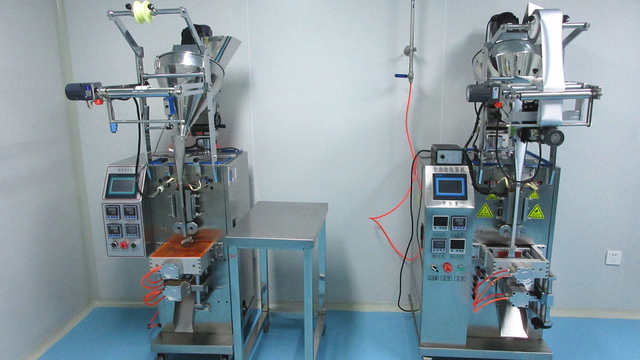
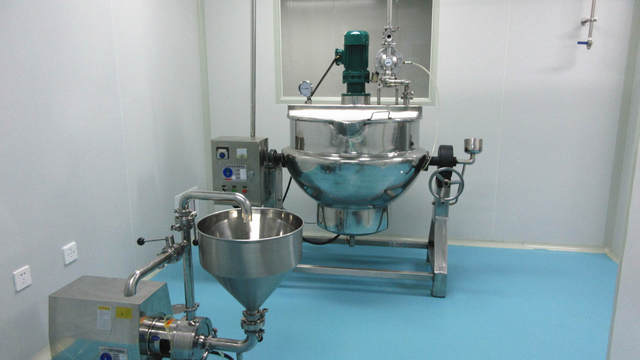
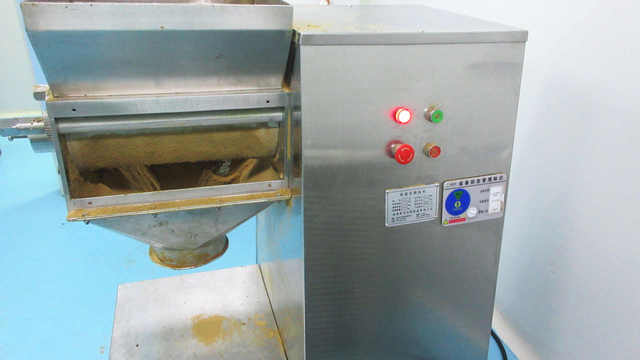
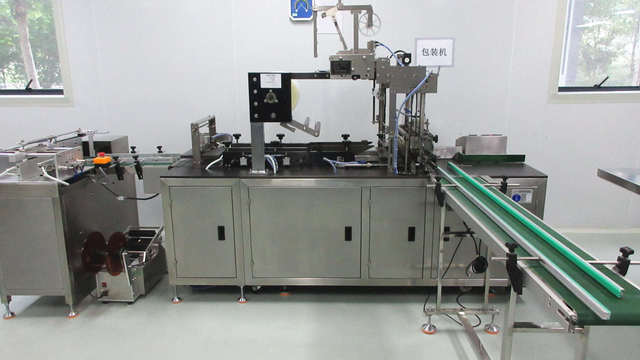
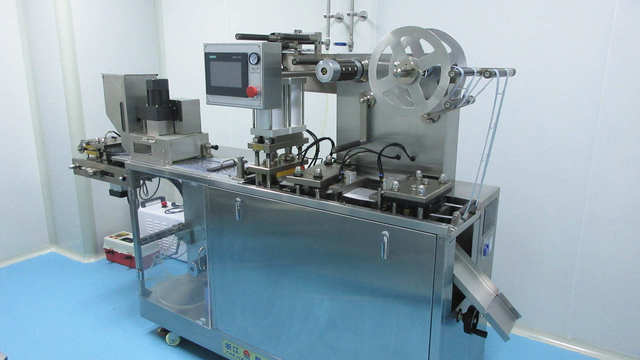
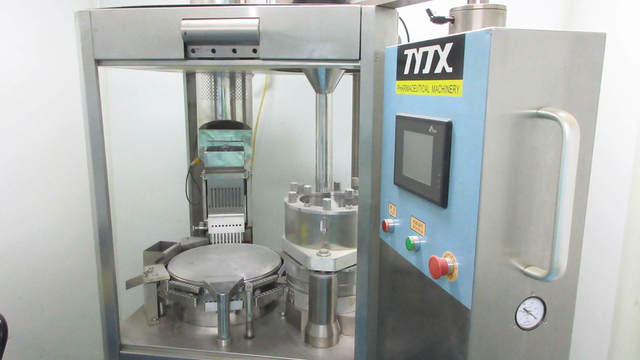
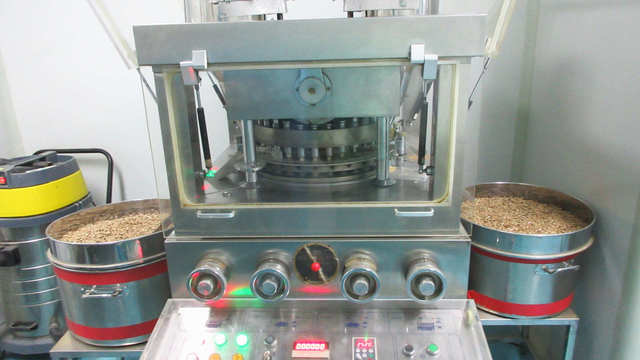
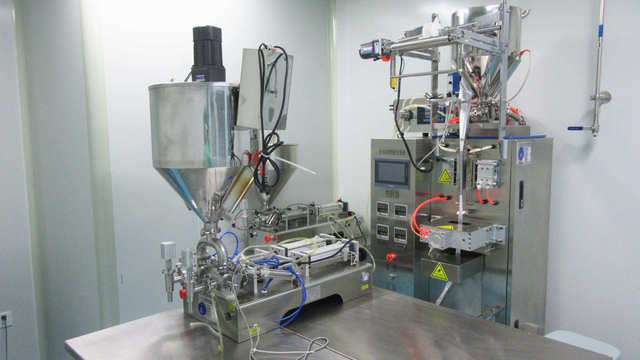
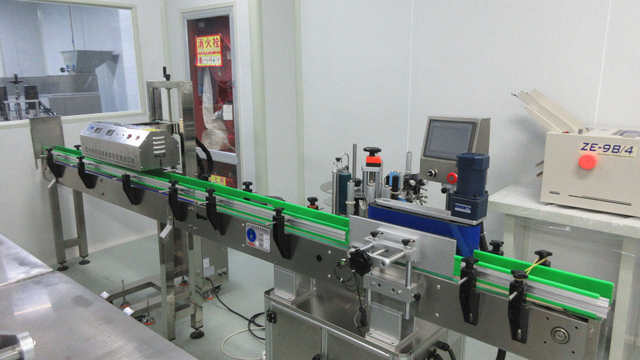
By combining scientific research, production excellence, and global service capability, Fderla Biology has become a trusted partner in the hydrolyzed protein and bioactive peptide industry, delivering reliable and high-performance ingredient solutions worldwide. Their state-of-the-art facility features automated enzymatic hydrolysis reactors, multi-stage membrane filtration loops, and cleanroom packaging environments, guaranteeing contamination-free processing from raw material to finished powder.
Navigating the next generation of marine peptide engineering, bio-activity matching, and structural characterization.
As the biotechnology sector evolves, the future of hydrolyzed fish protein lies in precision peptide targeting. Historically, hydrolysates were broad-spectrum mixtures. Future production lines will employ AI-driven enzymatic design, where predictive algorithms determine the exact enzyme combinations needed to release specific peptide sequences with pre-determined therapeutic or physiological effects. This development will unlock new opportunities in pharmaceutical formulations, targeted anti-inflammatory treatments, and specialized medical nutrition.
In addition, factories are investing heavily in reducing their environmental footprint. The integration of closed-loop water recycling systems, solar-powered enzymatic reactors, and zero-waste raw material utilization represents the next major milestone in marine protein processing. By optimizing thermal efficiency during the spray-drying phase, manufacturers can significantly reduce carbon emissions, offering B2B buyers a truly carbon-neutral protein source.

Expert answers to the most common questions regarding manufacturing processes, customization, and quality standards.

 Fderla Biology