Fderla Biology

1 / 5

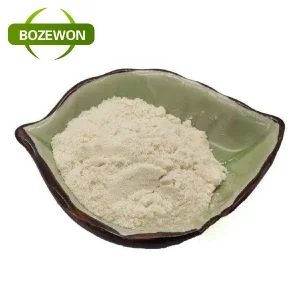
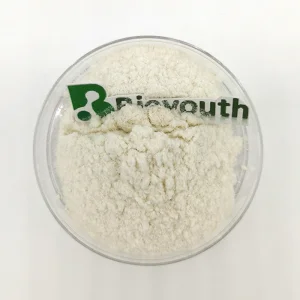
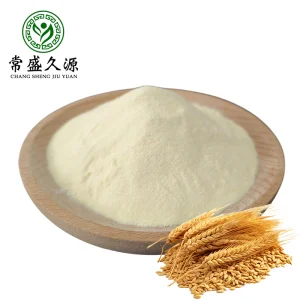
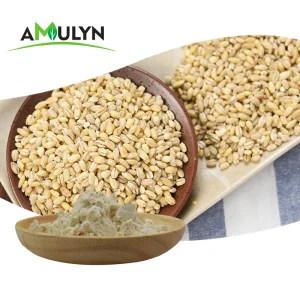
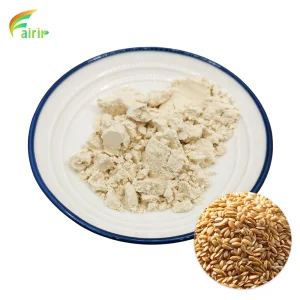
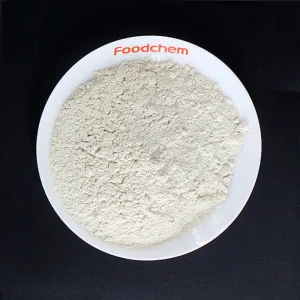
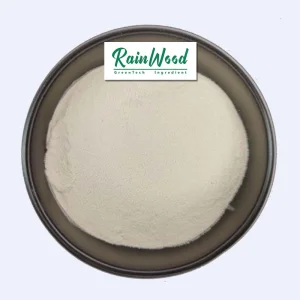
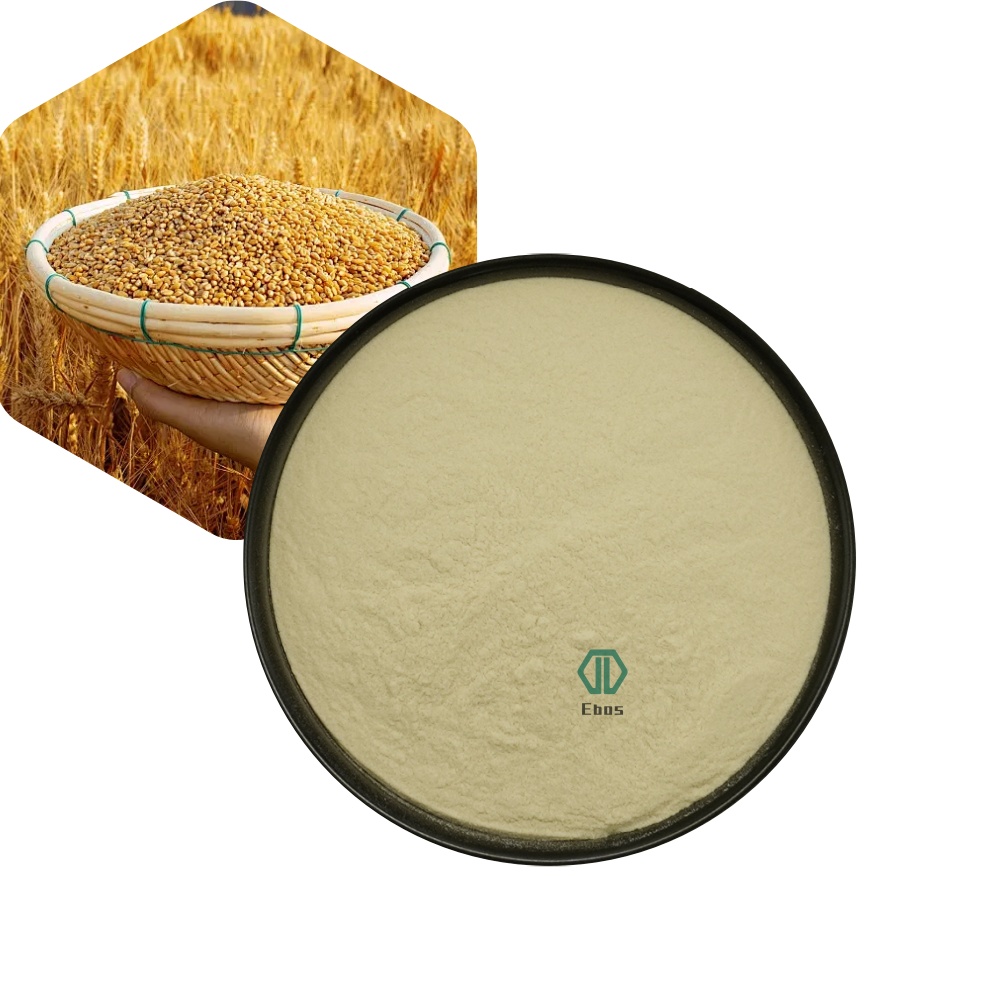
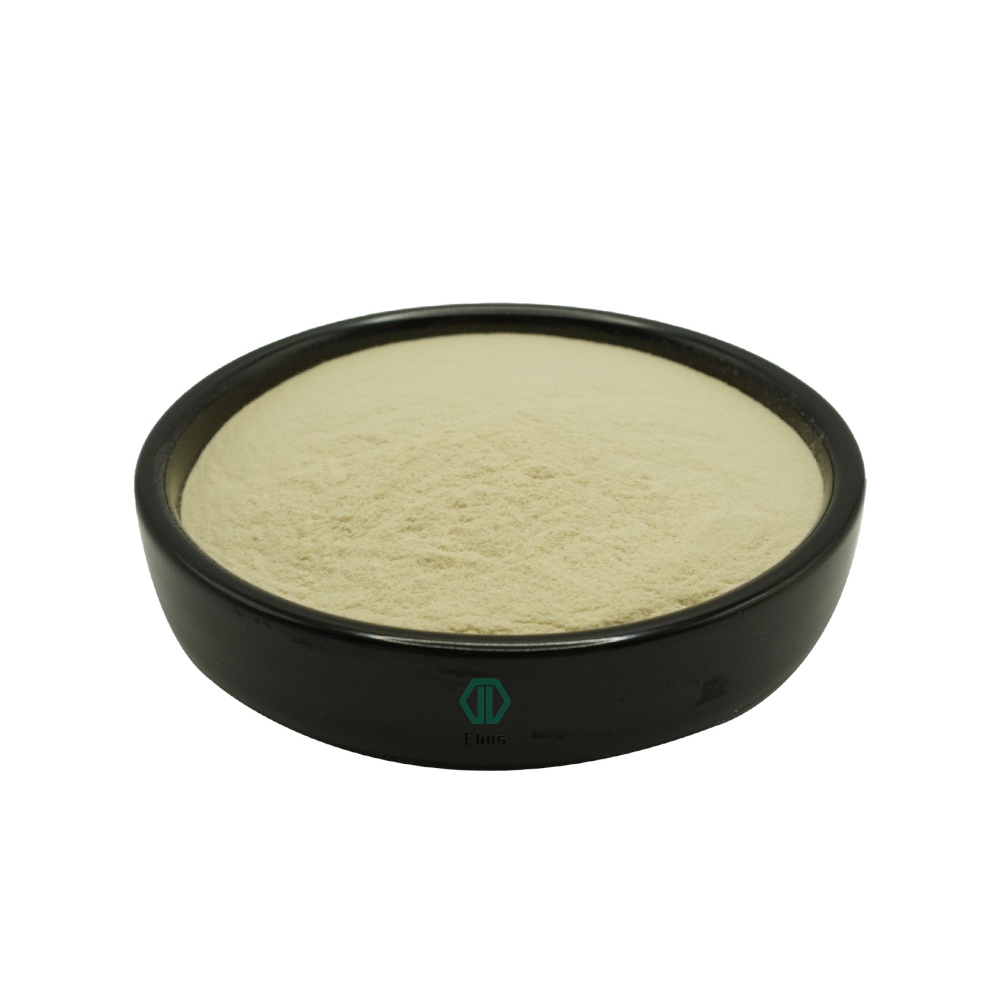
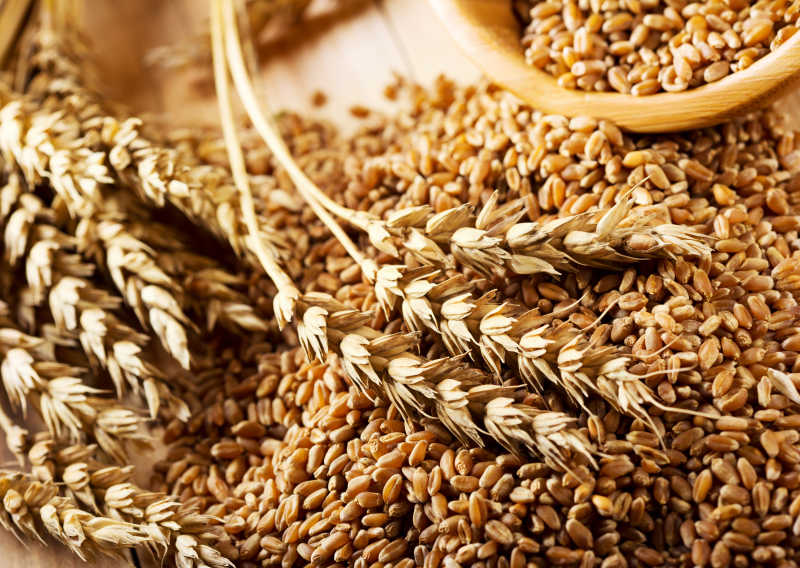
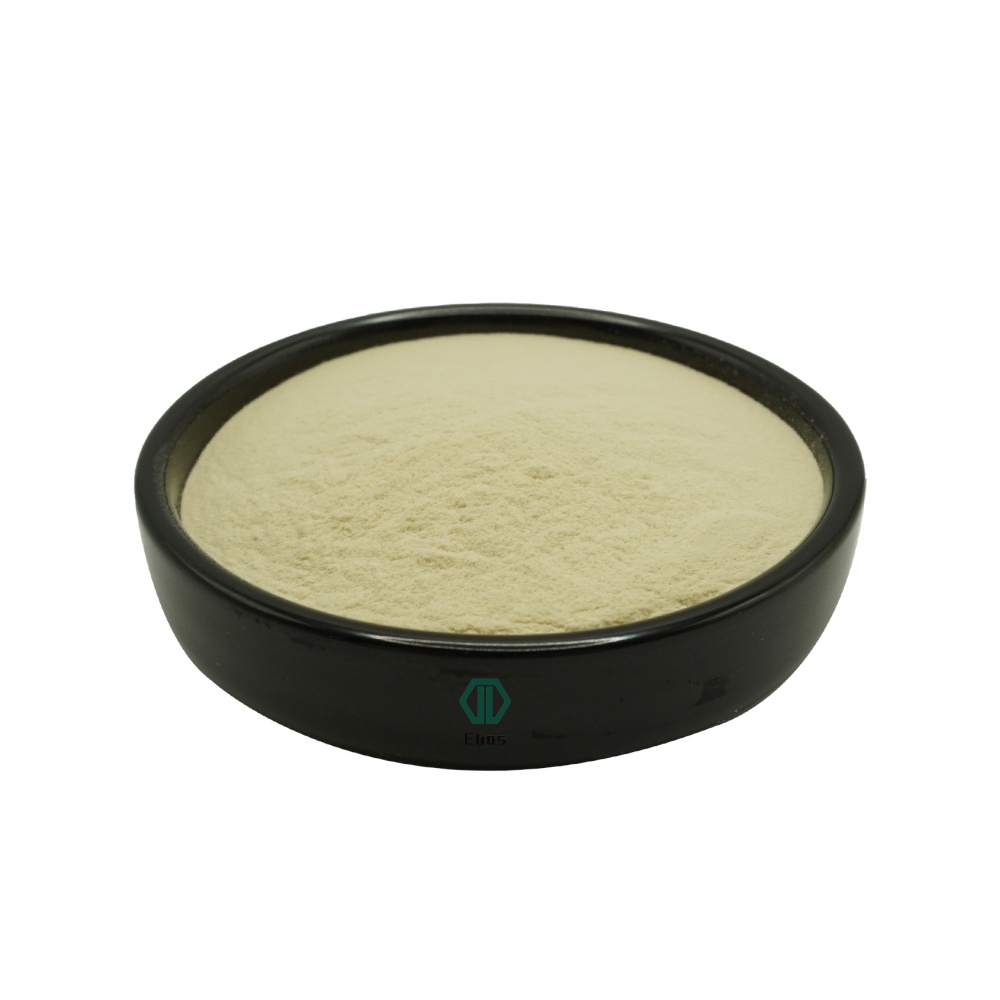
Wheat protein powder is the concentrated protein fraction of wheat endosperm, produced by physical separation of starch and bran followed by drying (vital wheat gluten) or controlled enzymatic hydrolysis (hydrolysed wheat peptides). It delivers 75-90% protein on a dry-weight basis, high levels of glutamine (> 25 %) and a balanced essential-amino-acid profile. The ingredient is prized for its visco-elastic film-forming properties, neutral cereal taste and clean-label "plant protein" positioning.
| Protein | 98% |
| Moisture | ≤ 8 % |
| Ash | ≤ 1 % |
| Fat | ≤ 1 % |
| Bulk density | 0.40 – 0.55 g cm³ |
| Particle size | 95 % < 150 µm (80 mesh) |
| Water absorption | ≥ 160 % (vital gluten) |
| Heavy metals | Pb ≤ 0.5 ppm, As ≤ 0.3 ppm, Cd ≤ 0.2 ppm, Hg ≤ 0.1 ppm |
| Microbial | TAMC ≤ 10 000 CFU g¹ |







Wheat protein powder is the concentrated protein fraction of wheat endosperm. It is produced by physically separating the starch and bran from wheat, followed by drying (vital wheat gluten) or controlled enzymatic hydrolysis (hydrolysed wheat peptides).
Our wheat protein powder delivers between 75% and 90% protein on a dry-weight basis, offering high levels of glutamine (> 25 %) and a balanced essential-amino-acid profile.
It is highly valued for its unique visco-elastic film-forming properties, excellent water absorption capability, gas retention, and neutral cereal taste, making it ideal for plant-based formulations.
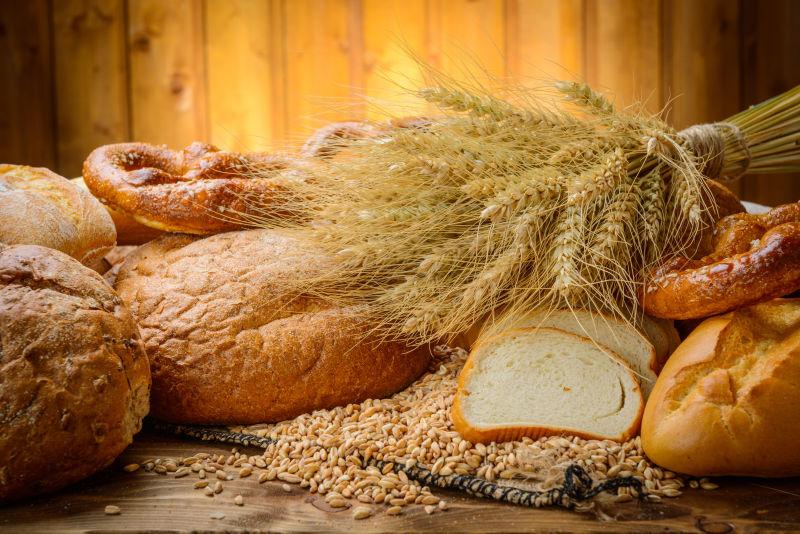
Wheat protein is widely used across multiple sectors including Bakery & Snacks, Plant-Based Foods (meat alternatives), Sports & Lifestyle Nutrition, Cosmetics & Personal Care, and Feed & Pet Food.
Yes, wheat protein is highly favored for clean-label "plant protein" positioning due to its physical extraction process and natural origin.
The product features high purity with a protein content up to 98% (analytical specification), moisture content ≤ 8 %, ash ≤ 1 %, fat ≤ 1 %, and is rigorously tested for heavy metals and microbial safety limits.