Fderla Biology
1 / 5
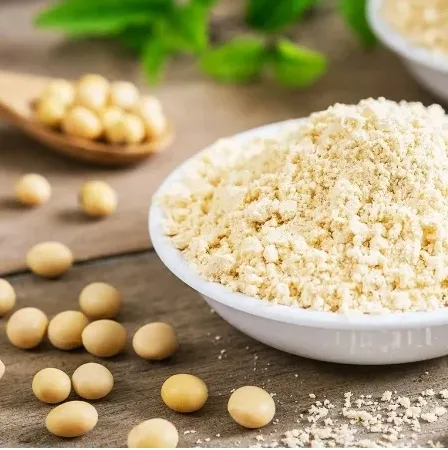
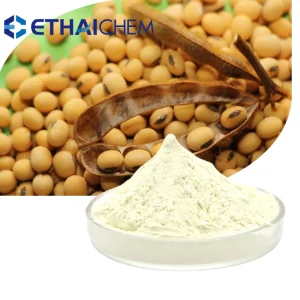
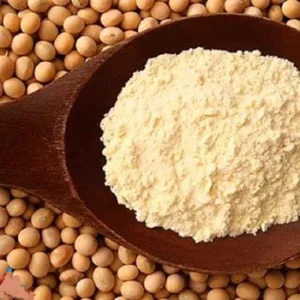
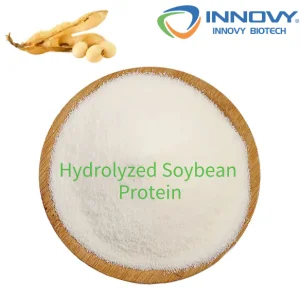
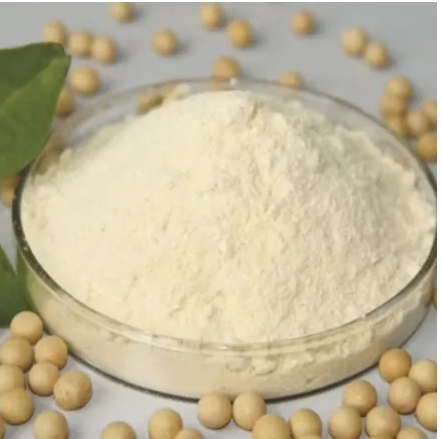
Hydrolyzed Soy Protein is a complex mixture of amino acids produced from soybeans using hydrolysis technology. Its core component is hydroxyproline, with a content of no less than 18 mg per gram of protein. This substance appears as an amber-colored liquid with a pH value of 5.0-6.0 and a dry matter content of 22-32 g/L. It is soluble in water and can withstand temperatures up to 80°C. Compatible with various cosmetic ingredients, it is commonly used at concentrations of 1-5%.
As a structural component of collagen, it directly participates in skin collagen synthesis, promotes the production of type I collagen, and offers multiple skincare benefits—such as reducing wrinkles, enhancing skin elasticity, and stimulating hyaluronic acid synthesis—thereby helping to delay skin aging.
| Analysis | Specification | Result |
|---|---|---|
| Physical Description | ||
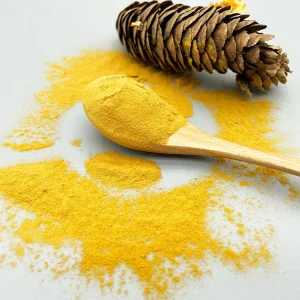
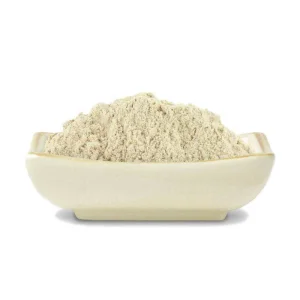
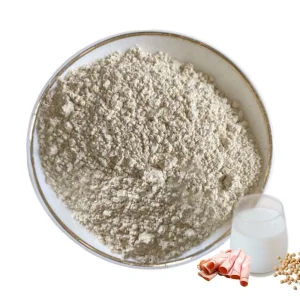
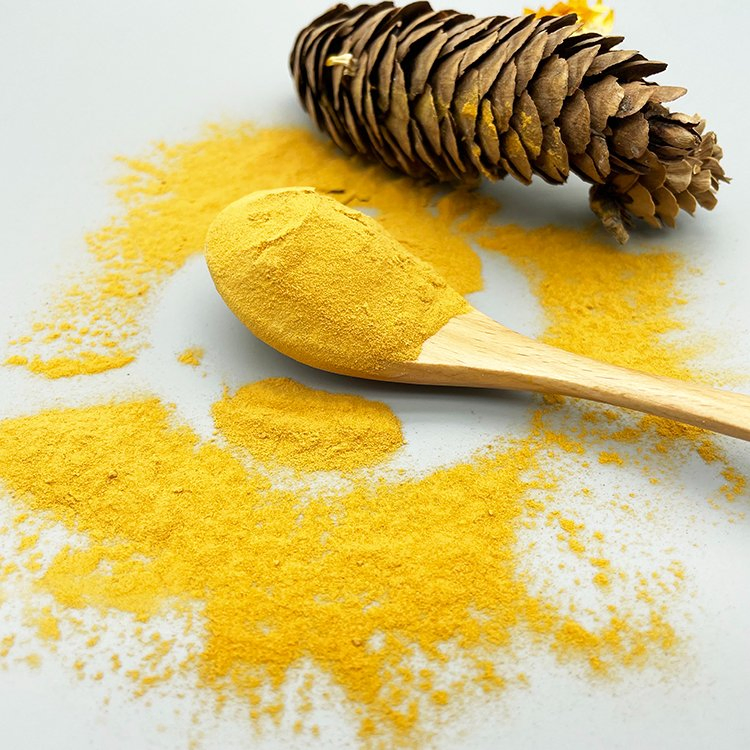
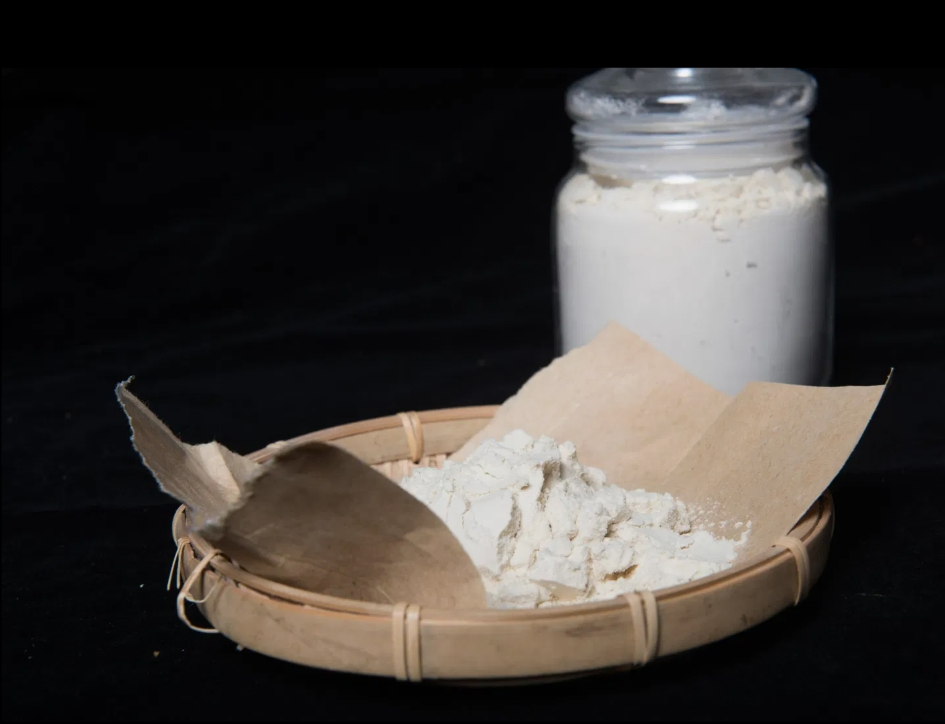
| Appearance | Yellow or brown yellow powder | Yellow powder |
| Odor & Taste | Characteristic | Characteristic |
| Proportion of protein hydrolysates (relative molecular mass < 1000) | 85% Min | 85.04% |
| Loss on drying | 7.0% Max | 6.67% |
| Sulphated | 10.0% Max | 9.1% |
| Chemical Tests | ||
| Crude protein (on dry basis) | 50% Min | 62.1% |
| Heavy Metals | ||
| Lead (Pb) | 0.3mg/kg Max | <0.1mg/kg Max |
| Chromium (Cr) | 1.0mg/kg Max | <0.5mg/kg Max |
| Cadmium (Cd) | 0.2mg/kg Max | <0.1mg/kg Max |
| Microbiological | ||
| Total plate Count | 30,000cfu/g Max | 600cfu/g |
| Yeast & Mold | 25cfu/g Max | <10cfu/g |
| Urease | Negative | Negative |
| E.coli | 0.9MPN/g Max | Negative |
| Pathogenic bacteria (Salmonella, Shigella, S. aureus) | Not detected | Not detected |
| Conclusion | Complies with the standards. | |
| Packing and Storage | ||
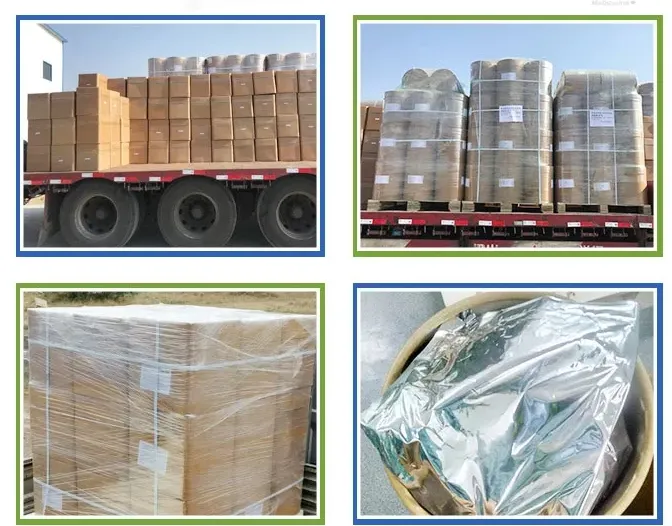
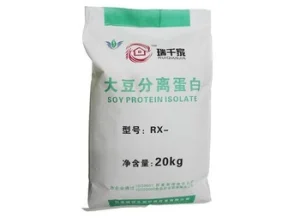
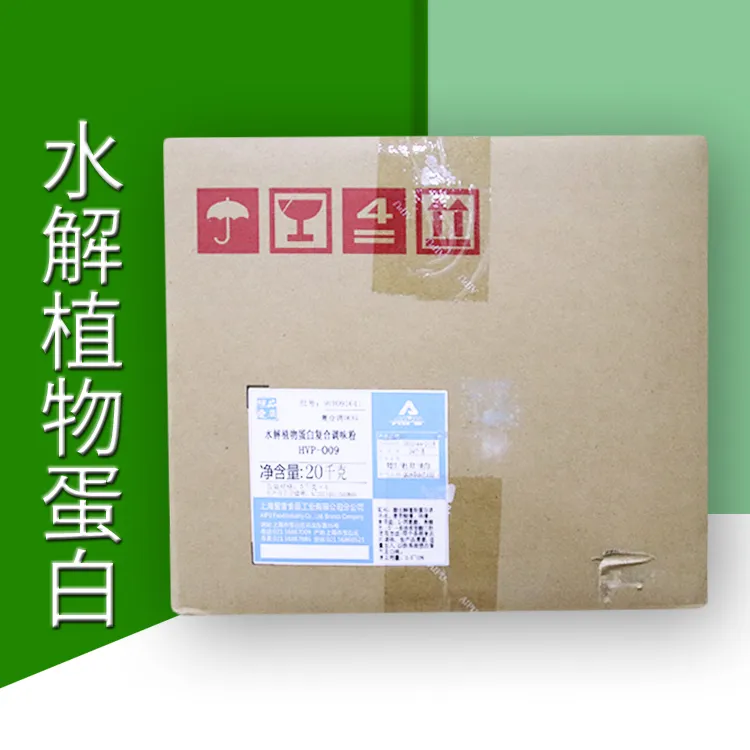
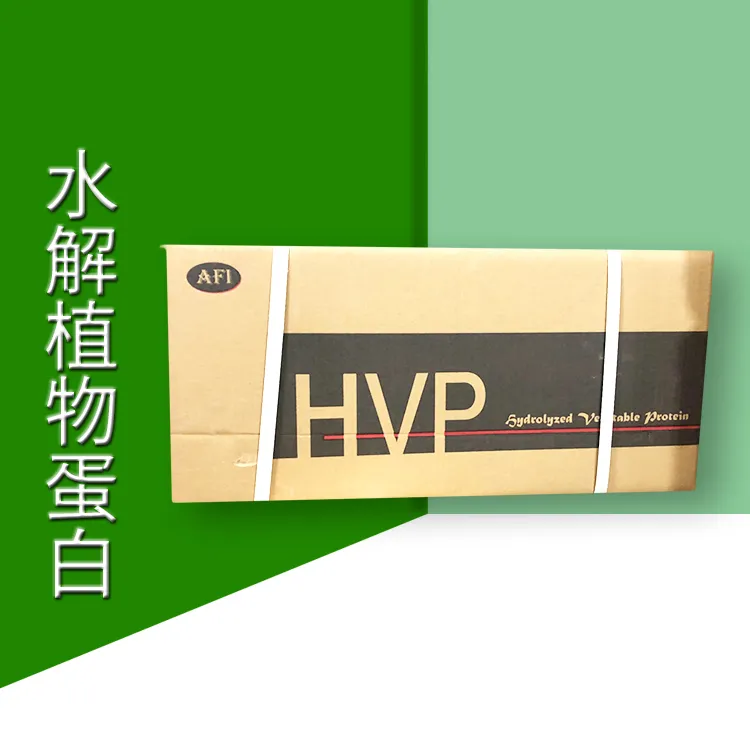
| Packing | Pack in paper-carton and two plastic-bags inside. | |
| Shelf life | 2 years when properly stored. | |
| Storage | Store in a well-closed place with constant low temperature and no direct sunlight. | |
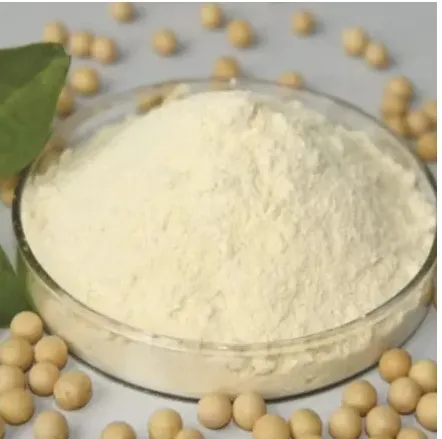
Derived from breaking down soy protein into small molecular peptides and amino acids. Offers easy dissolution, high absorbability, and enhanced flavor, combining nutritional and functional properties for food, cosmetics, and industrial use.
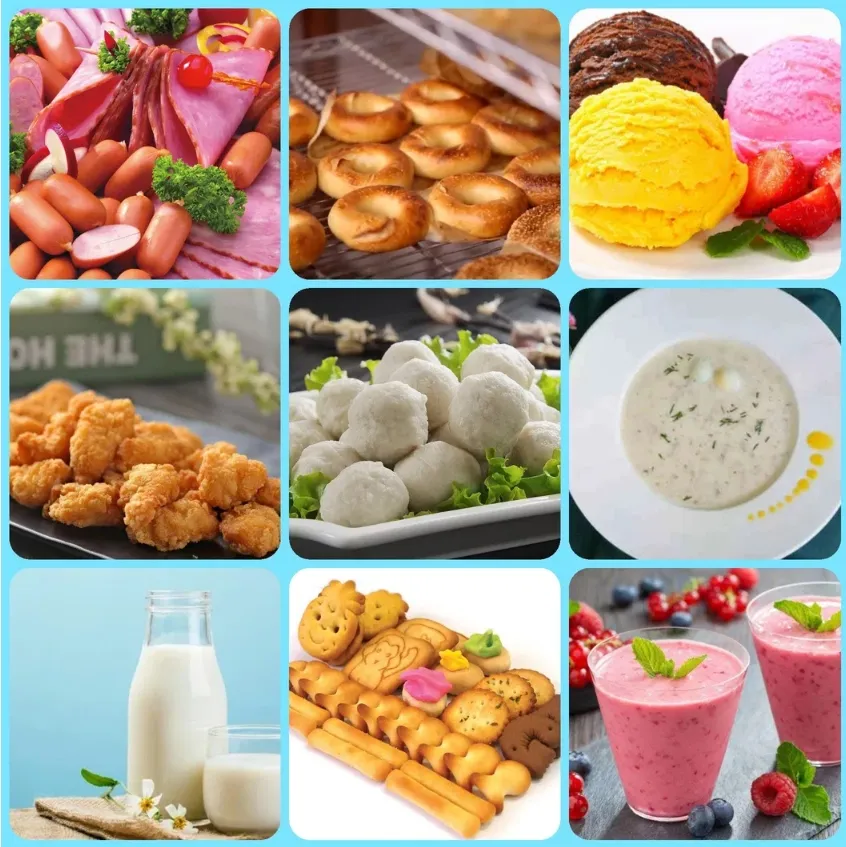
Serves as a natural umami enhancer. Key base for chicken essence, soy sauce, and instant noodle seasonings. Provides rich meaty flavors and robust taste, partially replacing MSG.
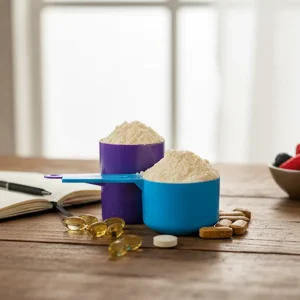
Used in protein powders, bars, and sports drinks. Small peptides are readily absorbable, supplying rapid nitrogen for muscle repair and growth. Ideal for weight management.
Functions as a water and fat retention agent and emulsifier in ham, sausages, and plant-based meats. Improves texture, tenderness, and mimics the fibrous structure of real meat.
Small peptides facilitate skin absorption and boost collagen production. Focuses on moisturizing and anti-aging, reducing wrinkles and enhancing elasticity in serums and creams.
Acts as a high-efficiency nitrogen source in microbial fermentation for antibiotics, enzymes, and cell culture. Promotes microbial growth and product synthesis.
Sample Order Packing:
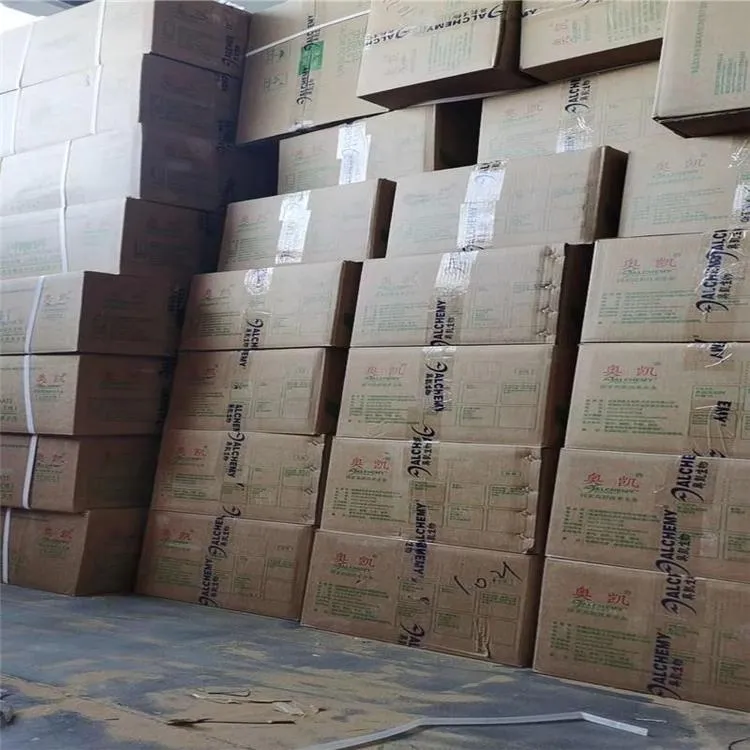
Big Order Packing:
Sample Order Delivery:
Big Order Delivery: