Fderla Biology
Global Procurement Dynamics & Baking Challenges
How modern bakeries leverage bio-functional proteins to improve structural stability, taste, and shelf-life.
Understanding Global Enterprise Procurement Needs
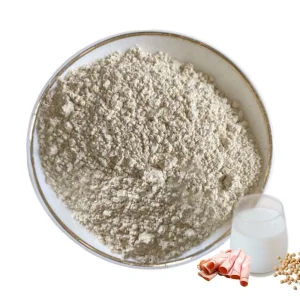
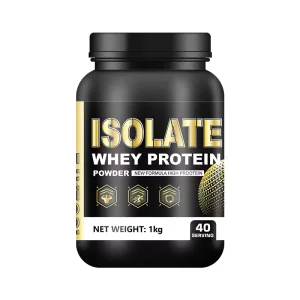
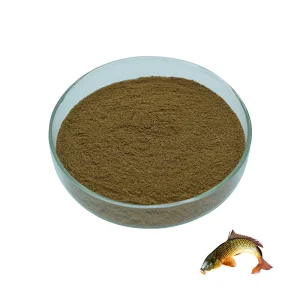
In the fast-evolving global food industry, industrial baking conglomerates and nutrition companies require ingredient supplies that maintain structural integrity, consistency, and clean-label appeal. Procuring high-quality hydrolyzed protein is no longer just about raising the total protein percentage on nutrition panels; it is about precision formulation. Modern bakeries require ingredients that reduce dough mixing times, improve crumb structures, control gas-retention properties, and enhance crust browning via optimized Maillard reactions.
Global supply chains demand highly standardized biological parameters, including specific molecular weight distributions (often targeting less than 3,000 Daltons to maximize digestibility and avoid allergen triggers), complete solubility, and organoleptically neutral properties. Hangzhou Fderla Biology Co., Ltd. addresses these challenges by processing protein chains into highly functional, low-bitterness peptides suitable for mass-scale bread, pastry, bar, and dietary snack manufacturing.
“The optimization of B2B baking procurement relies on three distinct pillars: strict batch-to-batch uniformity, regulatory validation across international markets, and specific enzymatic modifications that target dough rheology directly.”
Macro Industry Solutions for Modern Bakeries
Industrial bakeries face complex processing conditions where natural variations in raw wheat, soy, and dairy can compromise finished product consistency. To stabilize the production matrix, Fderla offers targeted biological solutions:
- Dough Conditioning & Relaxation: Enzymatically hydrolyzed proteins break down gluten structures just enough to allow smooth mechanical extrusion and sheeting, mitigating shrinkage in biscuit and cracker lines.
- Low-Sodium Formulations: Our specialized low-sodium hydrolyzed soy and plant proteins provide rich umami and savory flavor profiles, allowing manufacturers to reduce NaCl levels by up to 30% without sacrificing palatability.
- Moisture Control & Shelf-Life Extension: Hydrophilic peptide structures bind free water molecules, reducing water activity ($a_w$) and delaying starch retrogradation (staling), which extends shelf freshness naturally without synthetic preservatives.
- High-Protein, Clean-Label Enrichment: Utilizing non-GMO, clean-label plant protein isolates (soy, wheat, rice, oat) to enrich protein bars and functional baked snacks without introducing gritty textures or unwanted off-flavors.