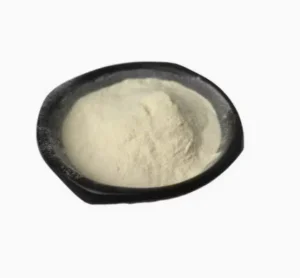
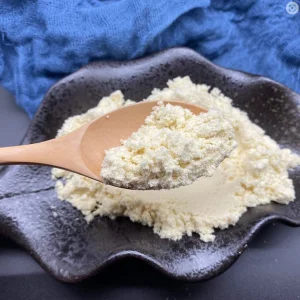
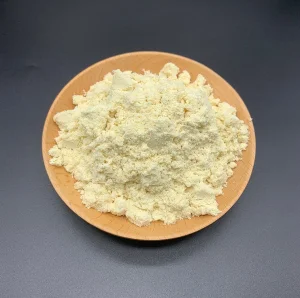
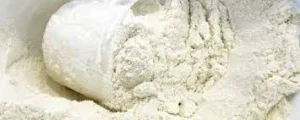
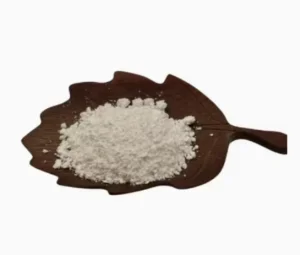
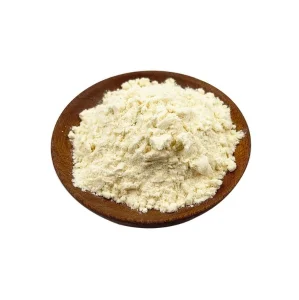
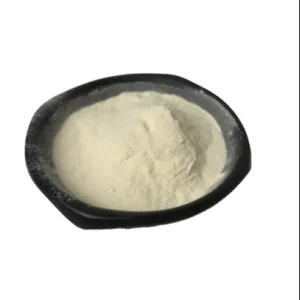
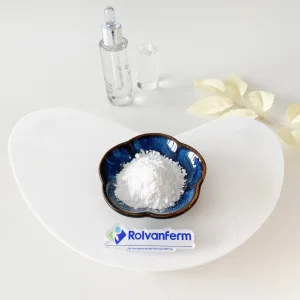
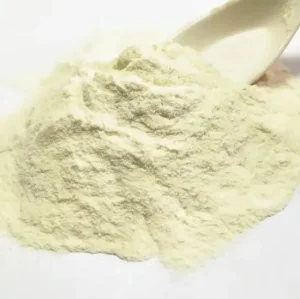
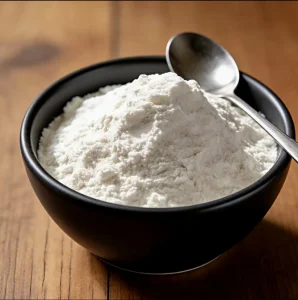
Direct supply chain paths from China's advanced enzymatic synthesis lines to major Iraqi industrial centers.
Hangzhou Fderla Biology Co., Ltd. is a professional hydrolyzed protein manufacturer and bioactive peptide supplier based in Hangzhou, China. The company focuses on the research, development, production, and global export of high-quality protein hydrolysates for food, cosmetic, and nutritional applications.
With advanced biotechnology processes and strict quality control systems, Fderla Biology produces a wide range of hydrolyzed protein ingredients, including plant-based, animal-based, and marine-derived protein peptides. These materials are widely used in functional foods, dietary supplements, skincare formulations, hair care products, and sports nutrition solutions.
The company integrates modern enzymatic hydrolysis technology with scientific formulation expertise to ensure high bioavailability, easy absorption, and stable performance of its protein products. Each batch is carefully tested to meet international standards for purity, safety, and effectiveness.
“By combining scientific research, production excellence, and global service capability, Fderla Biology has become a trusted partner in the hydrolyzed protein and bioactive peptide industry, delivering reliable and high-performance ingredient solutions worldwide. We support OEM and customized solutions for global clients, including ingredient formulation optimization, technical support, and bulk supply services.”
An in-depth analysis of the current market transition, industrial modernization, and raw material demand across Middle Eastern distribution nodes.
Iraq's food processing sector is experiencing rapid capacity expansion. Large-scale domestic packaging and processing plants in the industrial suburbs of Baghdad and Erbil are shifting from importing finished retail products to importing high-purity functional protein additives to formulate domestic products.
Skincare formulation is growing in Iraq. Hydrolyzed milk protein, with its superb film-forming capability and moisturization properties, has become a core ingredient for local Kurdish and Arabic cosmetic brands manufacturing hair masks, conditioning shampoos, and moisturizing face creams.
Iraqi medical distributors and infant formula brands require highly digestible proteins. Native proteins often trigger allergies, leading to a structural demand shift toward enzymatically hydrolyzed milk proteins (peptides) which exhibit extremely low allergenicity profile.
Our enzymatic hydrolysis process selectively cleaves milk proteins (casein and whey) into highly bioavailable active oligopeptides. Below are the core technical pathways guaranteed by Fderla Biology for the Iraq market's industrial buyers:
Customizable DH from 5% (high whipping & emulsification properties) up to 25% (extremely low allergenicity, optimized for therapeutic infant nutrition formulations).
Over 85% of peptides fall below 3,000 Daltons, ensuring superior cell wall permeation for topical cosmetic creams and immediate muscle absorption in recovery beverages.
100% soluble in water over a wide pH range (3.0 - 7.5). Thermostable up to pasteurization parameters (85°C for 30s) without precipitation or phase separation.
Standard milk protein isolates possess a complex tertiary protein structure that requires significant gastrointestinal digestive energy to break down, which can trigger immune responses. Our controlled enzymatic hydrolysis mimics the natural human digestive tract in an vitro biocatalytic reactor, producing specific peptide configurations that remain highly bio-active while bypassing standard allergen pathways.
How Fderla Biology optimizes formulations for manufacturing giants in Baghdad and Erbil.
Enhancing protein beverages without altering sensory properties like flavor or texture. Our Hydrolyzed Milk Proteins offer high clarity in solution and minimal bitter peptide notes, which are typically associated with generic hydrolysates.
Used in high-end moisturizing creams, anti-aging serums, and professional hair-repair formulas. Hydrolyzed milk protein amino acids form a protective colloidal film, restoring natural elasticity to hair fibers and skin layers.
Designed for elderly dietary foods and infant formulas. Our specialized process eliminates allergen-triggering epitopes, making the protein digestible for populations with sensitive or compromised gastrointestinal tracts.
From initial molecular weight screening and enzyme selection to custom pilot runs and packaging configurations, we offer a comprehensive OEM development pipeline to suit local market requirements.
Navigating the import customs and regulatory landscape in Iraq with confidence.
We provide full documentation required by the Iraqi Central Organization for Standardization and Quality Control (COSQC), facilitating smooth customs clearance at Southern Basra ports (Umm Qasr) or the Northern border crossings in Kurdistan.
Our raw materials, enzymatic extraction agents, and processing facilities are fully Halal certified by recognized international Islamic bodies, ensuring complete consumer trust and legal compliance throughout Iraq.
We use heavy-duty, moisture-barrier packaging (kraft paper bags with interior PE liners) to protect the powder from high-temperature and humid transport routes across Basra, Baghdad, and Erbil.
A full range of specialized formulations engineered to meet international safety and efficacy standards.
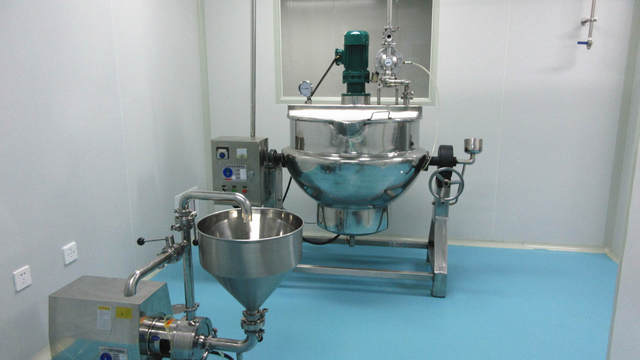
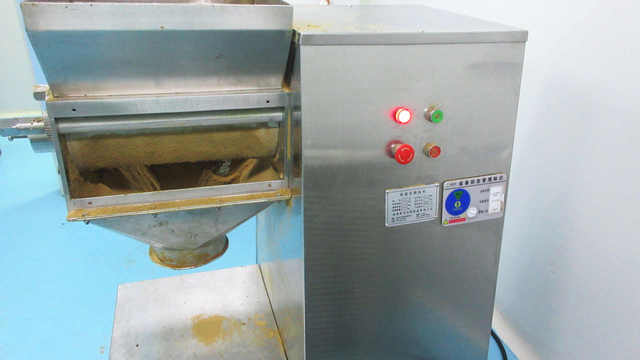
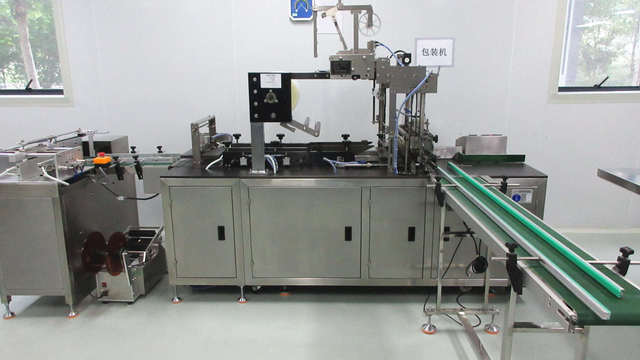
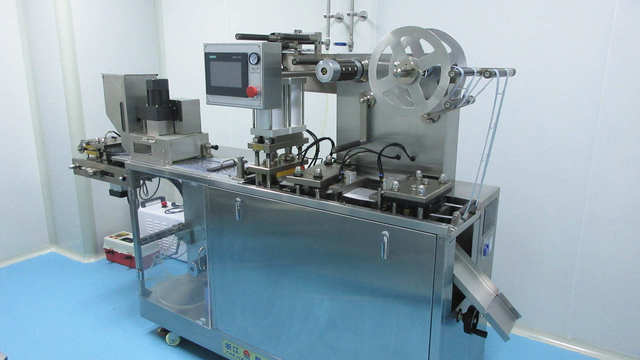
Take a virtual look inside our ISO-certified clean production areas, advanced spray-drying towers, and R&D analysis facilities.

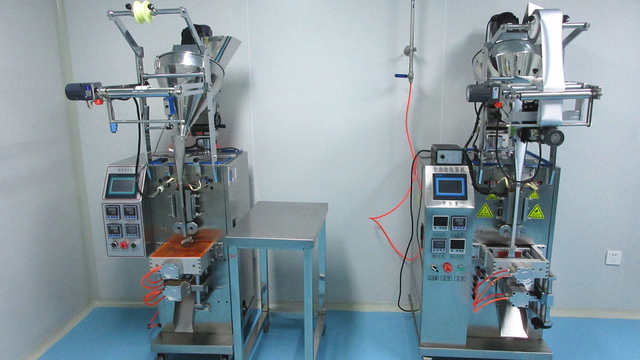
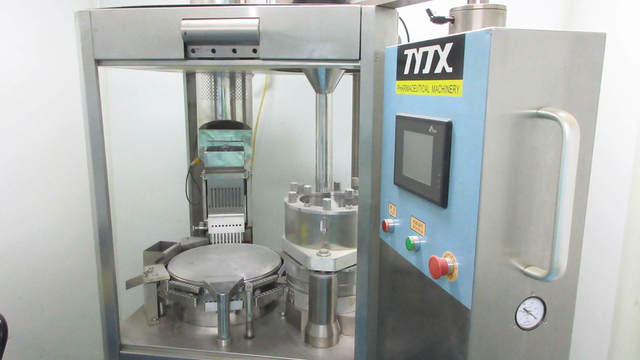
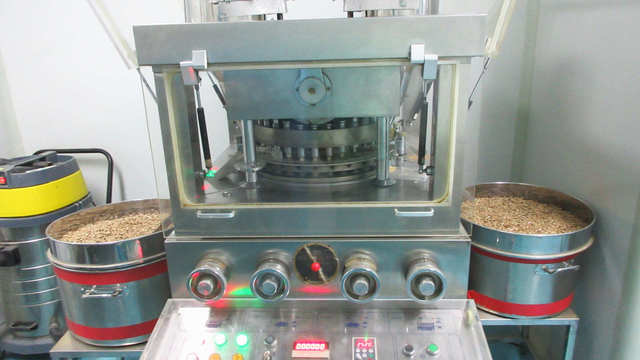
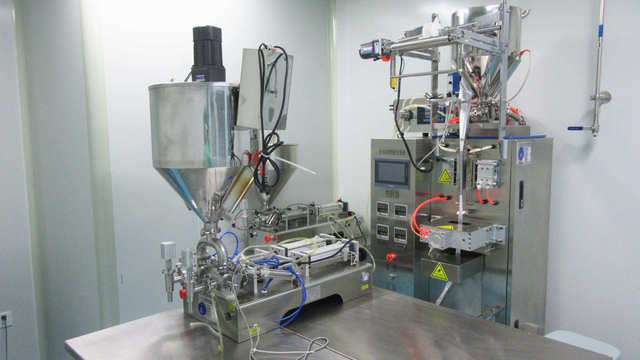
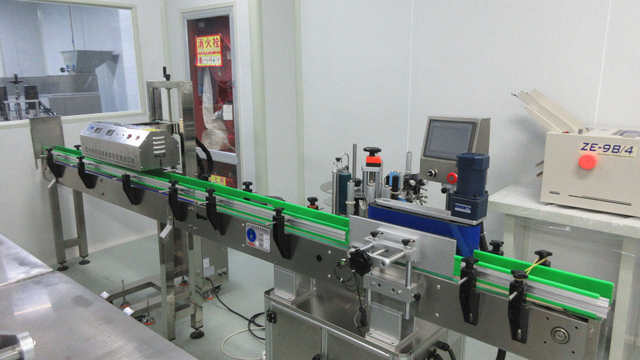
How we are driving the future of bio-functional milk peptides for global and Middle Eastern markets.
We are optimizing membrane filtration technologies to isolate specific bioactive peptides with targeted anti-inflammatory properties, aiming to support specialized cosmetic and health foods.
NEXT GEN
R&D is refining enzymatic hydrolysis protocols to lower the antigenicity of milk proteins to undetectable levels, aiming to exceed international standards for sensitive formulations.
By using renewable energy sources for our extraction and spray drying loops, we aim to reduce carbon emissions and minimize our ecological footprint during production.
Answers to technical, regulatory, and logistics queries for business partners in Iraq.
Our Hydrolyzed Milk Protein has a shelf life of 24 months from the date of manufacture when stored in original, unopened packaging. Given the high temperatures in cities like Baghdad and Basra, we recommend storing the product in a dry, cool warehouse (ideally below 25°C with relative humidity below 60%) to prevent powder caking.
Hydrolysis breaks down large milk protein chains into smaller peptide units. This dramatically increases water solubility, limits thermal gelation (meaning it will not clump when heated), and lowers the viscosity of liquid mixtures, enabling stable formulations even at high protein concentrations.
We provide a comprehensive documentation packet for every shipment, including the Bill of Lading, Certificate of Analysis (COA), Halal Certificate, Phytosanitary/Health Certificate, Origin Certificate, packing lists, and commercial invoices stamped by the chambers of commerce as required by customs authorities at Umm Qasr or Ibrahim Khalil.
Yes. For cosmetic and hair formulations, we can adjust the enzymatic processing time to produce a molecular weight profile optimized for binding to damaged hair fibers and forming protective barriers on the skin.
Request free lab samples, technical data sheets, and custom pricing configurations tailored to your specific manufacturing workflow in Baghdad, Erbil, or Basra.
 Fderla Biology