High-purity raw materials formulated for maximum solubility, bio-availability, and targeted physiological benefits.
Exploring the molecular kinetics, bio-functionality, and enzymatic manufacturing dynamics that drive high-tier B2B formulations.
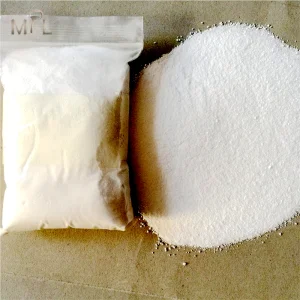
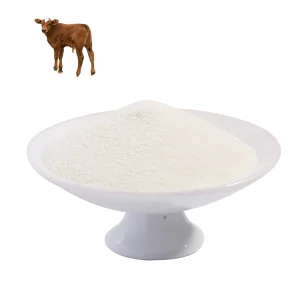
Hydrolyzed Milk Protein represents the pinnacle of dairy-derived ingredient design. Unlike standard milk proteins (such as native caseins and intact whey protein isolates), hydrolyzed milk proteins undergo a highly controlled enzymatic cleavage process. By splitting long-chain polypeptides into shorter bioactive peptides and essential amino acids, we unlock unique functional characteristics. This enzymatic process reduces allergenicity, improves solubility across a broad pH range, and dramatically enhances gastrointestinal absorption rates.
From a nutritional perspective, these low-molecular-weight peptides act as highly biosecure sources of nitrogen and amino acids. They contain all essential amino acids (EAAs) with a high concentration of branched-chain amino acids (BCAAs)—specifically leucine, isoleucine, and valine. These molecular structures are critical for triggering muscle protein synthesis (MPS) and aiding rapid cellular repair. For cosmetic formulators, the small molecular size (typically <2000 Daltons) allows these peptides to bind effectively to keratinized structures in hair and outer layers of the epidermis, creating a protective, moisture-retaining biological film.
| Molecular Target Weight | Predominant Peptide Profile | Primary Industrial Field | Key Functional Property |
|---|---|---|---|
| < 1,000 Daltons | Short-chain Oligopeptides | Dermatological Cosmetics & Hypoallergenic Formulas | Transdermal penetration, minimal immunological response |
| 1,000 - 3,000 Daltons | Medium-chain Peptides | Functional Foods, Clinical Dietetics | Balanced solubility, rapid cellular amino-acid uptake |
| 3,000 - 5,000 Daltons | Long-chain Polypeptides | Sports Nutrition, Emulsifiers | Strong film-forming capacity, structural stabilization |
At Hangzhou Fderla Biology Co., Ltd., we rely entirely on enzymatic hydrolysis technology. Traditional methods of acid or alkaline hydrolysis can yield undesirable by-products, damage essential amino acids (such as tryptophan and cysteine), and lead to high salt content in the final powder. Our enzymatic processes utilize food-grade, non-GMO endopeptidases and exopeptidases. This dual-action enzyme delivery system cleaves proteins at specific peptide bonds, yielding a highly uniform molecular weight distribution while preserving the integrity and bioavailability of the nutrition profile.
Why leading global brands choose Hangzhou Fderla Biology Co., Ltd. for their bulk peptide and protein requirements.
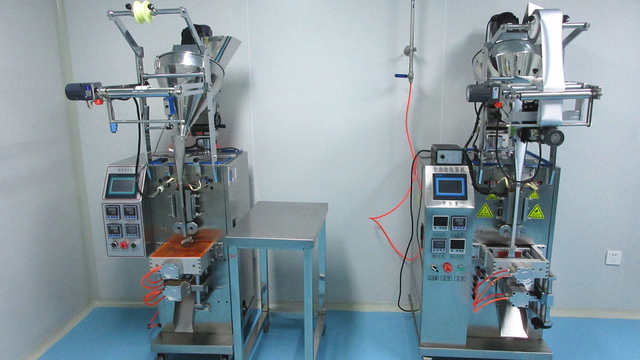
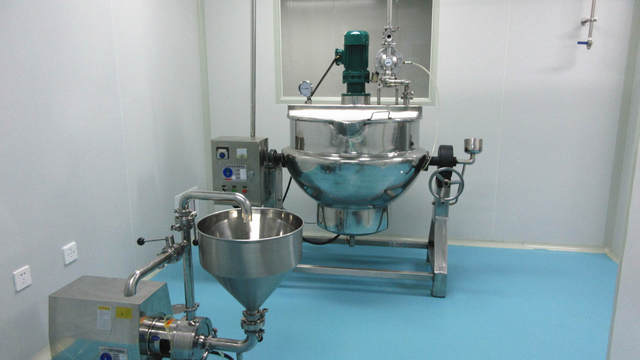
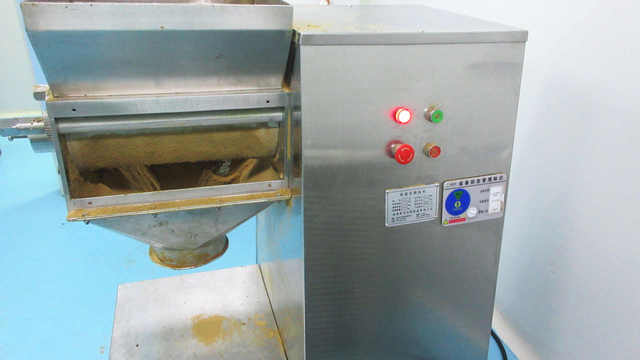
Operating out of Hangzhou, China, our state-of-the-art facility integrates automated fermentation, multi-stage enzymatic reactors, and advanced spray drying systems. This allows us to manufacture at scale while maintaining batch-to-batch consistency.
Our manufacturing processes conform to global standards including HACCP, ISO 9001, and ISO 22000. Each batch undergoes rigorous third-party microbial, heavy metal, and purity testing, ensuring safe application in clinical and infant nutrition products.
We supply both standardized bulk powders and custom formulation runs. Our R&D team can adjust hydrolysis degrees, target molecular weights, and raw material bases (milk, whey, soy, wheat, collagen) to meet the unique parameters of your formula.
How current consumer movements, regulatory updates, and supply chain strategies impact peptide sourcing.
The global market for hydrolyzed proteins is experiencing a shift driven by clinical research and changing consumer preferences. Buyers in the cosmetic and nutrition sectors no longer focus solely on protein content percentage; the modern focus is on functional peptide mapping. This involves identifying the specific peptide sequences responsible for active physiological benefits.
Modern consumers demand transparency. Chemical extraction methods that leave solvent residues or use mineral acids are being phased out in favor of clean biotechnology. Enzymatic hydrolysis uses natural, water-soluble enzymes under mild temperature and pH conditions, resulting in an eco-friendly ingredient profile that aligns with clean-label marketing.
In infant nutrition, the risk of Cow’s Milk Protein Allergy (CMPA) is a major concern. Extensive hydrolysis breaks down allergen epitopes in whey and casein, preventing them from binding to IgE antibodies. This makes hydrolyzed milk proteins highly valuable for specialized infant formulas and medical nutrition.
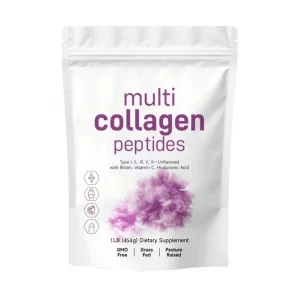
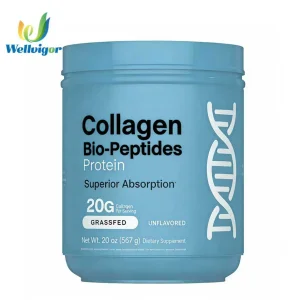
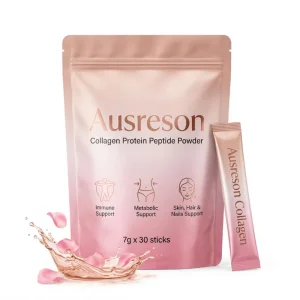
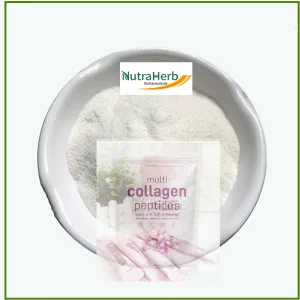
The line between dietary supplements and topical cosmetics continues to blur. Products like our OEM Hydrolyzed Collagen Peptides with Vitamin C are designed to support skin and joint health from the inside out, while topical applications focus on skin barrier repair and hydration.
For international sourcing directors, partnering with a Chinese supplier like Hangzhou Fderla Biology Co., Ltd. offers a strategic balance of cost efficiency and technical capability. China's industrial manufacturing ecosystem provides competitive raw material access, advanced processing technology, and reliable logistics, ensuring stable supply lines for global operations.
Expert technical answers to common questions asked by R&D teams and purchasing departments.
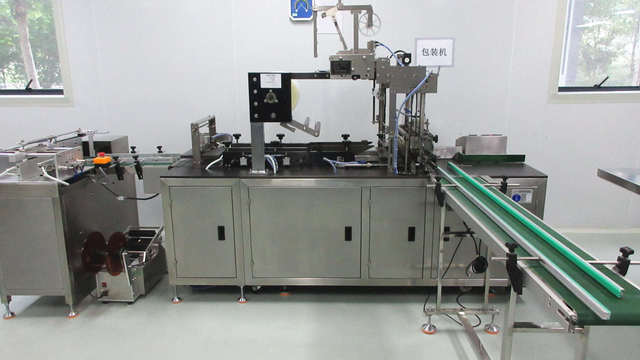
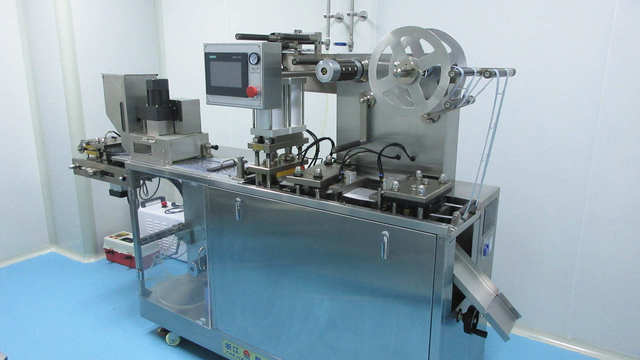
A visual look into Hangzhou Fderla Biology Co., Ltd.'s processing areas, quality control laboratories, and raw material storage.

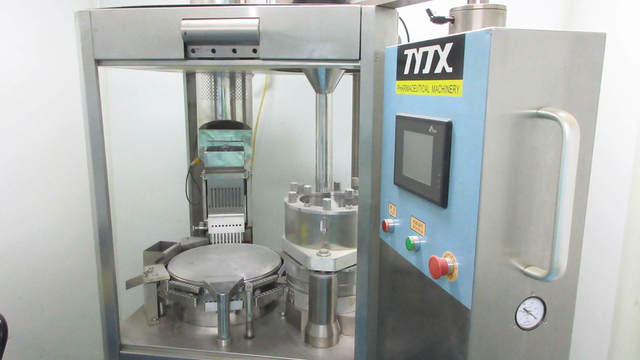
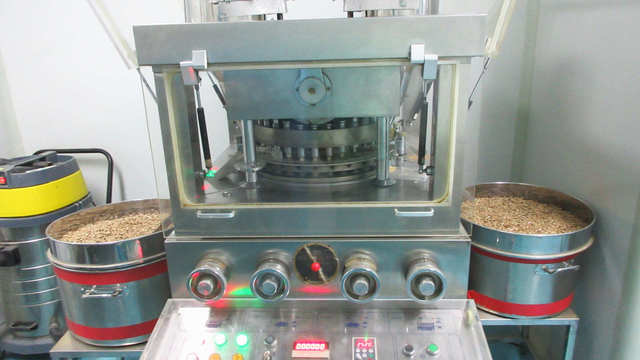
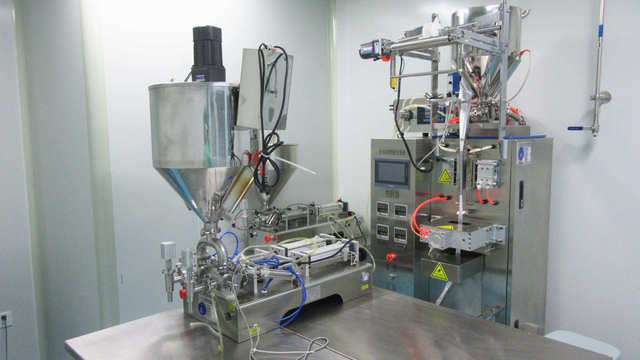
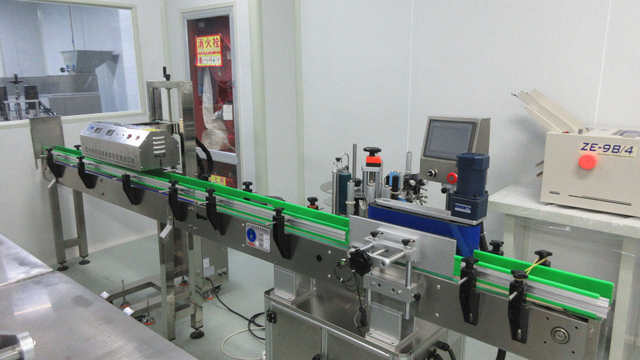
High-purity raw materials formulated for maximum solubility, bio-availability, and targeted physiological benefits.
 Fderla Biology