Explore our highly standardized raw materials engineered for optimal bioavailability, stability, and formulation compatibility.
In the rapidly evolving landscape of functional foods, clinical nutrition, and nutricosmetics, hydrolyzed fish peptides (commonly termed marine collagen peptides) have emerged as the gold standard for bioavailability and structural efficacy. Sourced from wild-caught ocean species and responsibly cultivated marine stocks, these low-molecular-weight fractions offer unique biological activities. Their distinct amino acid profiles—rich in glycine, proline, and hydroxyproline—serve as targeted precursors for human connective tissue, dermatological cell matrices, and skeletal support systems.
For global enterprise buyers, navigating the global manufacturing base requires evaluating factors beyond simple cost per metric ton. True supply chain security rests on a tripartite foundation: scientific transparency (analytical profiles and molecular weight distribution mapping), manufacturing reliability (Industry 4.0 automation and stable batch processing), and uncompromising regulatory compliance (FDA GRAS, Halal, Kosher, and EU certifications).
"The global market demand for marine hydrolyzed peptides is projected to expand at a CAGR of 8.4% through 2030, driven by the clean-label movement, aging demographics, and a structural transition towards bio-assimilable proteins."
This whitepaper profiles the structural characteristics of leading manufacturers and outlines the criteria procurement directors must deploy. We place specific emphasis on how modern technological interventions—such as multi-stage enzymatic cleavage and nanofiltration—have optimized the organoleptic and functional profiles of modern fish peptide formulations.
Understanding the molecular properties and cellular uptake mechanisms of fish peptides compared to plant-based and mammalian proteins.
| Property / Metric | Marine Fish Peptides | Bovine Collagen Peptides | Plant-Based Proteins (Wheat/Rice) |
|---|---|---|---|
| Average Molecular Weight | < 1,000 - 3,000 Daltons (Highly Customizable) | < 3,000 - 5,000 Daltons | > 10,000 Daltons (Requires extensive digestion) |
| Bioavailability Index | Excellent (Up to 1.5x higher than bovine) | Moderate to High | Lower (Constrained by plant cell walls) |
| Predominant Collagen Type | Type I (Dermis, Bones, Vascular walls) | Type I & III (Muscle, Tissues, Skin) | Non-collagenous protein structure |
| Sensory Profile (Unflavored) | Neutral taste & odor (when modern carbon-deodorized) | Neutral to slightly chalky | Grainy, characteristic earthy undertones |
| Primary B2B Application | Nutricosmetics, Premium Anti-aging, Clinical diets | Sports nutrition, Bone/Joint powders | Vegan meat analogues, General meal replacements |
Hangzhou Fderla Biology Co., Ltd. is a professional hydrolyzed protein manufacturer and bioactive peptide supplier based in Hangzhou, China. The company focuses on the research, development, production, and global export of high-quality protein hydrolysates for food, cosmetic, and nutritional applications.
With advanced biotechnology processes and strict quality control systems, Fderla Biology produces a wide range of hydrolyzed protein ingredients, including plant-based, animal-based, and marine-derived protein peptides. These materials are widely used in functional foods, dietary supplements, skincare formulations, hair care products, and sports nutrition solutions.
The company integrates modern enzymatic hydrolysis technology with scientific formulation expertise to ensure high bioavailability, easy absorption, and stable performance of its protein products. Each batch is carefully tested to meet international standards for purity, safety, and effectiveness.
Hangzhou Fderla Biology Co., Ltd. supports OEM and customized solutions for global clients, including ingredient formulation optimization, technical support, and bulk supply services. With a strong focus on innovation and sustainable biotechnology, the company continuously develops new functional peptide solutions for emerging market needs.
By combining scientific research, production excellence, and global service capability, Fderla Biology has become a trusted partner in the hydrolyzed protein and bioactive peptide industry, delivering reliable and high-performance ingredient solutions worldwide.
Core Technical Advantage: Fderla Biology utilizes directional multi-enzyme slicing technology to achieve precise molecular cut-offs under 1000 Daltons. This ensures superior organoleptic qualities, instant solubility, and total clarity in liquid formulations.
Fderla’s research laboratories collaborate directly with customer R&D teams to optimize sensory performance. In aqueous cosmetics or shelf-stable ready-to-drink (RTD) beverages, the stability of peptides against thermal oxidation and precipitation is crucial. Fderla addresses this by employing advanced spray-drying systems and selective carbon-bed filtration, eliminating the residual fishy taste and odor while keeping the native bioactive properties intact.
Innovative trends shaping the next generation of marine collagen peptides and bioactive ingredients.
By leveraging machine learning algorithms, manufacturers can predict enzymatic cleavage patterns. This yields targeted peptide sequences that trigger specific cellular receptors in the dermis, accelerating type I collagen synthesis.
Environmental sustainability is transforming procurement. The next decade will focus on 100% trace-to-source upcycling of skin and scales from certified sustainable fisheries (MSC/ASC), minimizing environmental impact.
Protecting the integrity of short-chain peptides through thermal processing and high-acid beverage formulations. Dynamic microencapsulation shields active peptide units until they reach the small intestine, boosting absorption rates.
Global brands look for versatile functional raw materials to build diverse product portfolios. Hydrolyzed fish peptides are highly adaptable, making them suitable for three core macro-market solutions:
Enterprise sourcing managers need more than just high-quality ingredients; they require structured supply chains that mitigate regulatory risks. Key expectations include:
1. Analytical Documentation (COA, MSDS, HPLC Mapping)
2. Strict Allergen Controls & Traceability
3. Consistent Bulk Logistics & Just-in-Time Inventory
4. Customized Particle Size & Density Profiles
The modernization of China's ingredient manufacturing sector has changed the dynamics of global ingredient sourcing. The "China Factory 4.0" model shifts focus from low-cost labor to advanced automation, digital quality assurance, and end-to-end traceability.
For peptide manufacturers like Hangzhou Fderla Biology, this transformation is visible on the production floor. Smart extraction systems continuously monitor temperature, pH levels, and enzymatic reaction times. This real-time control minimizes batch-to-batch variation, ensuring consistent molecular weight distributions.
Advanced membrane filtration, automated spray drying, and cleanroom packaging facilities prevent cross-contamination. By integrating manufacturing execution systems (MES) with global logistics channels, Chinese suppliers offer competitive pricing, high batch-to-batch consistency, and stable delivery timelines—even amid global supply chain disruptions.
How top exporters ensure seamless import clearance and regulatory compliance across different regions.
Exporters must maintain updated FDA facility registrations. Products must comply with DSHEA guidelines, heavy metal limits (Proposition 65), and undergo regular microbiological testing (including Salmonella, E. coli, and molds).
Compliance with EU Regulation (EC) No 853/2004 requires sourcing raw materials from approved marine establishments. Shipments must carry health certificates verified by official veterinarians, confirming low heavy metal and veterinary drug residue levels.
To serve diverse international consumer bases, manufacturers secure third-party Halal and Kosher certifications. These credentials verify that fish materials are harvested and processed in strict compliance with religious dietary laws.
Addressing core technical and logistics questions to help you streamline your ingredient sourcing decisions.
Complementary protein products, active repair creams, and bulk ingredients to support diverse product applications.
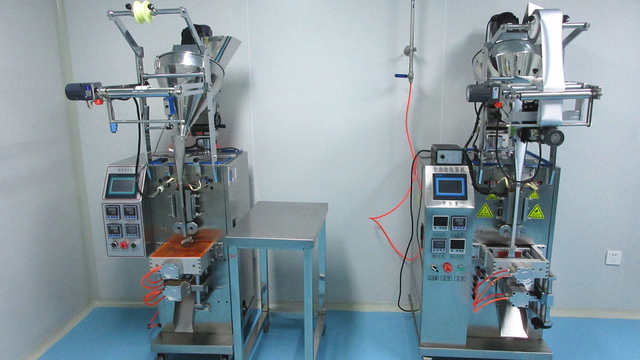
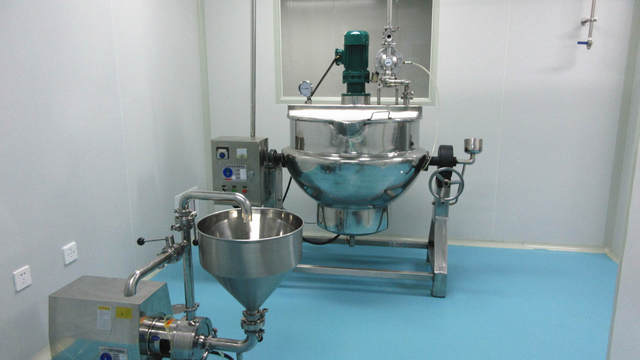
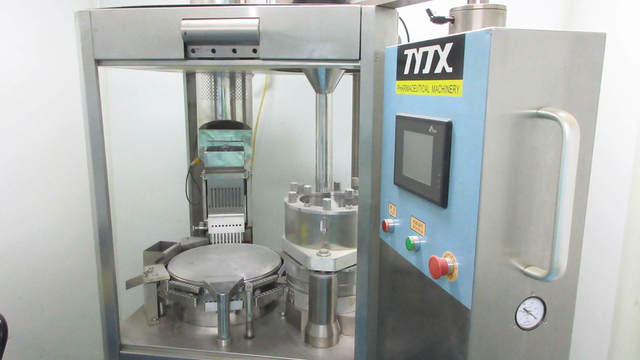
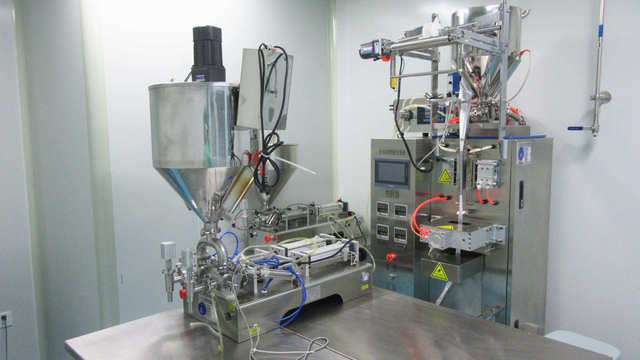
Visualizing the high-performance manufacturing environments, testing laboratories, and logistics networks that support our global supply chain.






 Fderla Biology