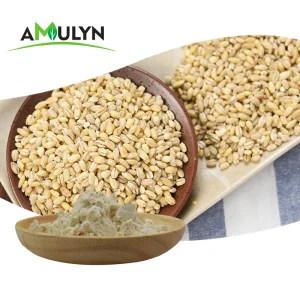
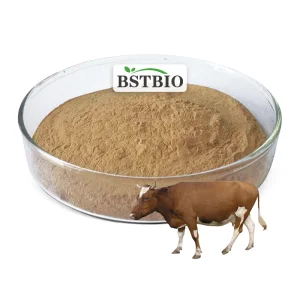
Explore our foundational range of plant and animal-derived protein peptides optimized for direct industrial application
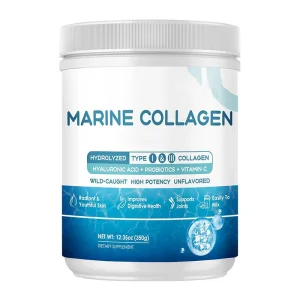
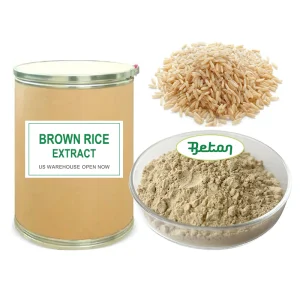
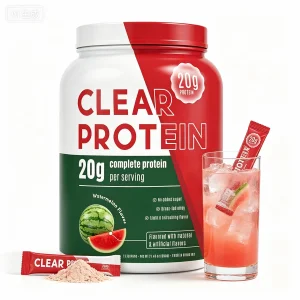
An in-depth whitepaper analysis of advanced protein hydrolysates and their functional performance in modern snack food systems
Modern consumers demand more than empty calories. The global snack foods industry is witnessing a structural shift toward protein enrichment. Hydrolyzed proteins, through advanced enzymatic breakdown, provide high concentration bioactive peptides that seamlessly blend into matrix structures without altering the physical properties of chips, puffs, or bars. This delivers clean-label value and satisfies the target macro-nutritional criteria of active consumers.
Protein hydrolysates are rich in free amino acids and low molecular weight peptides. During high-temperature processing like extrusion or baking, these reactive nitrogen groups actively participate in the Maillard reaction. This natural interaction enhances flavor development—yielding savory, toasted, and umami profiles without the addition of monosodium glutamate (MSG) or artificial flavouring enhancers.
Unrefined native proteins often impart a dry, chalky, or sand-like texture to high-protein snacks. Enzymatically hydrolyzed proteins, however, maintain excellent water-binding capacity and solubility. They modify the viscosity of food doughs, facilitating smooth processing in high-shear extruders and yielding crispy, light, and uniform cellular expansion in puffed snacks.
Aligning raw material parameters with international food safety standards and localized operational requirements
| Protein Source | Typical Mw (Daltons) | Protein Content | Key Functional Advantage | Target Snack Application |
|---|---|---|---|---|
| Hydrolyzed Wheat Protein | 1,000 - 3,000 Da | ≥ 85% | Dough elasticity, natural sweetness precursor | Baked crackers, high-protein cookies |
| Hydrolyzed Soy Protein | < 1,500 Da | ≥ 90% | Rich umami flavor generation, high solubility | Extruded puffs, savory seasoning coatings |
| Hydrolyzed Pea Protein | 800 - 2,000 Da | ≥ 80% | Hypoallergenic, clean label appeal, balanced amino acids | Vegan protein bars, allergen-free crisps |
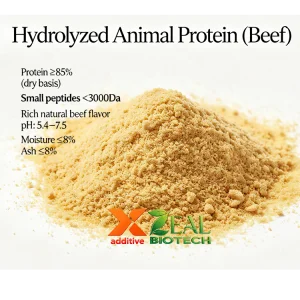
| Hydrolyzed Beef Collagen | 1,000 - 3,000 Da | ≥ 95% | High digestibility, heat stability, binding strength | Functional nutrition bars, clear stick-packs |
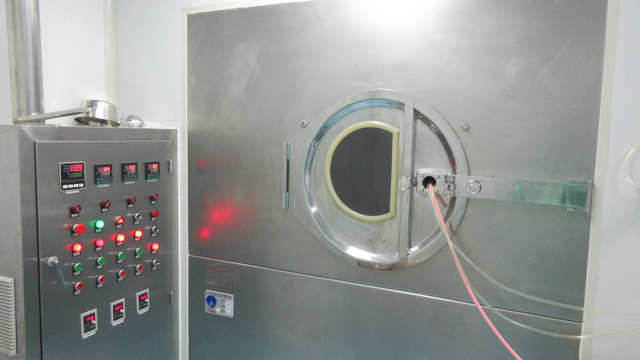
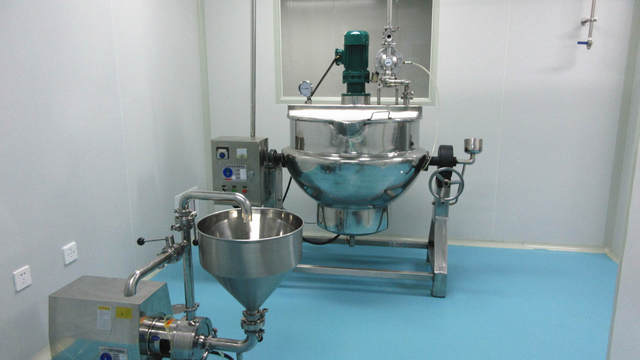
By leveraging computerized enzyme digestion tracking, membrane filtration setups, and low-temperature spray drying, our production lines deliver uniform molecular weight distributions. This strict operational precision prevents the bitter peptides commonly associated with poor hydrolysis controls, ensuring a neutral sensory profile for your end products.
Your Trusted Global Partner in Bioactive Peptides and Functional Protein Ingredients
Hangzhou Fderla Biology Co., Ltd. is a professional hydrolyzed protein manufacturer and bioactive peptide supplier based in Hangzhou, China. The company focuses on the research, development, production, and global export of high-quality protein hydrolysates for food, cosmetic, and nutritional applications.
With advanced biotechnology processes and strict quality control systems, Fderla Biology produces a wide range of hydrolyzed protein ingredients, including plant-based, animal-based, and marine-derived protein peptides. These materials are widely used in functional foods, dietary supplements, skincare formulations, hair care products, and sports nutrition solutions.
The company integrates modern enzymatic hydrolysis technology with scientific formulation expertise to ensure high bioavailability, easy absorption, and stable performance of its protein products. Each batch is carefully tested to meet international standards for purity, safety, and effectiveness.
Hangzhou Fderla Biology Co., Ltd. supports OEM and customized solutions for global clients, including ingredient formulation optimization, technical support, and bulk supply services. With a strong focus on innovation and sustainable biotechnology, the company continuously develops new functional peptide solutions for emerging market needs.
By combining scientific research, production excellence, and global service capability, Fderla Biology has become a trusted partner in the hydrolyzed protein and bioactive peptide industry, delivering reliable and high-performance ingredient solutions worldwide.
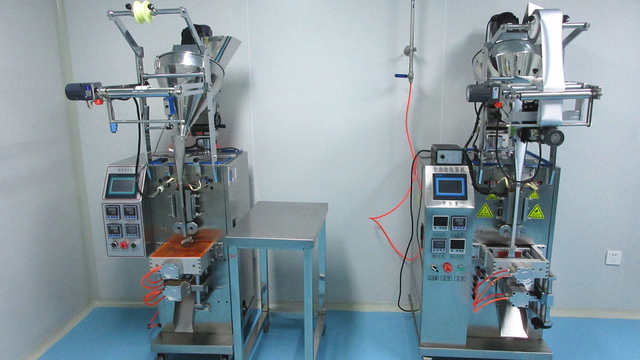
How global snack food processors utilize hydrolyzed proteins across varying categories
In puffed corn, potato chips, and multi-grain crisps, native proteins often cause structural collapse. Adding 5% to 12% hydrolyzed soy or pea protein peptide stabilizes the expansion ratio, maintaining cell structure uniformity and satisfying taste profile demands without leaving a sandy mouthfeel.
For protein bars, the primary challenge is hardening over shelf life. Due to their high water-binding and low cross-linking properties, hydrolyzed collagen peptides act as natural humectants. They keep bars soft, chewy, and stable over a 12-month storage cycle.
Hydrolyzed animal and plant proteins are rich in free glutamic acid and aspartic acid. They are widely applied as a carrier and base for seasoning sprays on chips. This delivers a rich, savory glaze that adheres well and matches clean-label, MSG-free regulatory standards.
Addressing the core technical, regulatory, and logistical considerations for procurement teams
Explore our specialized protein hydrolysates designed for advanced cosmetic, sports nutrition, and functional applications
 Fderla Biology