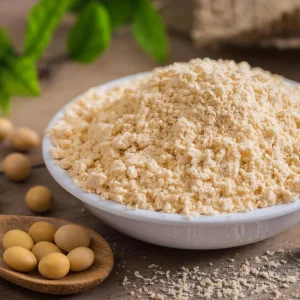
Examine our highly purified, thermally stable, and bioactive peptide isolates designed specifically for next-generation sports drinks, ready-to-drink (RTD) formulas, and nutraceutical wellness beverages.
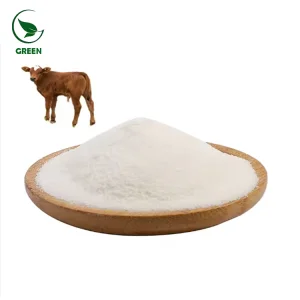
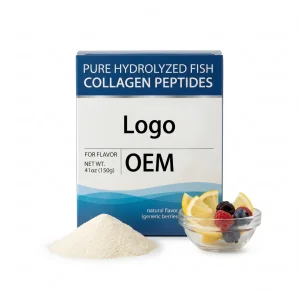
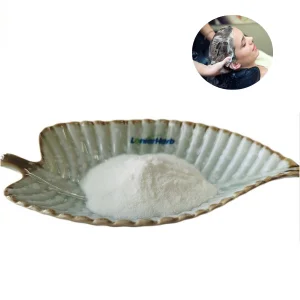
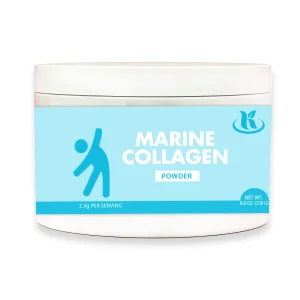
As the functional beverage industry grows rapidly, developers are moving beyond standard whey isolates toward advanced hydrolyzed proteins. Enzymatically cleaved peptide fractions provide critical functional advantages: superior thermal stability, fast absorption rates, and minimal turbidity. For global buyers, functional properties are non-negotiable selection criteria when developing shelf-stable liquid formulations.
From an international logistics perspective, procurement teams must balance clean labels with robust industrial specifications. Sourcing from certified manufacturers like Hangzhou Fderla Biology Co., Ltd. ensures compliance with strict heavy metal limits, pesticide monitoring, and non-GMO mandates. The ability to supply consistent mesh sizes, stable bulk densities, and neutral taste profiles directly reduces down-stream formulation adjustments and manufacturing costs.
Formulating high-protein beverages presents clear biochemical challenges that vary by protein source and target demographic. Standard intact proteins tend to denature and gel under high heat treatment (such as UHT pasteurization) or long-term ambient storage. Below, we break down these challenges alongside practical solutions:
Intact whey or plant proteins often build excessive viscosity at protein concentrations over 8%. By utilizing controlled enzymatic hydrolysis, manufacturers decrease molecular weight, keeping viscosity low and allowing fluid drinkability up to 15% protein content.
Sterilization processes run the risk of scorching or precipitating proteins. High-grade hydrolyzed peptides have open peptide chains that are structurally stable under thermal stress, maintaining batch uniformity during flash pasteurization.
Deep hydrolysis can sometimes release hydrophobic amino acids, causing a bitter taste. Premium raw materials use selective exopeptidases to cleave these bitter end-chains, yielding a clean, neutral sensory profile that requires less masking agents.
| Hydrolyzed Protein Type | Average MW (Da) | Primary Functional Benefit | Optimal pH Range | Recommended Applications |
|---|---|---|---|---|
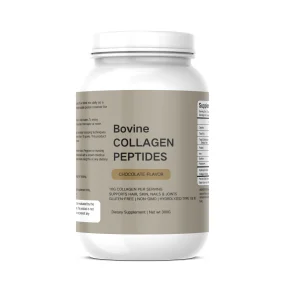
| Bovine Collagen Peptides | 1,500 - 3,000 | Joint, skin health & texture enhancement | 4.5 - 7.5 | Ready-To-Drink (RTD) Beauty Elixirs |
| Marine Collagen Peptides | 1,000 - 2,000 | Excellent clarity, fast absorption | 3.0 - 7.0 | Clear Sport Waters, Beauty Drinks |
| Hydrolyzed Whey Protein | 500 - 2,500 | Rapid post-workout muscle recovery | 6.0 - 7.0 | Clinical Nutrition, High-Protein Shakes |
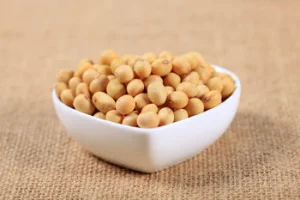
| Hydrolyzed Soy/Plant Protein | 1,000 - 3,000 | Allergen-friendly, plant-based nutrition | 5.5 - 7.2 | Vegan RTD Shakes, Meal Replacements |
The manufacturing process of bioactive peptides has transitioned from simple acid hydrolysis to complex, enzyme-targeted digestion. This advancement allows manufacturers to customize molecular weight profiles and select specific amino acid sequences, maximizing bioavailability and functional performance.
Unlike outdated acid extraction processes, modern enzymology utilizes multi-enzyme cocktails under exact temperature and pH controls. This prevents protein denaturation, preserves essential amino acids, and generates consistent bioactive peptide chains. The resulting ingredient is clean-label, low-sodium, and completely free of chemical solvents.
Looking to the future, personalized nutrition and targeted bioactivity are shaping the functional beverage landscape. Future products will likely focus on targeted health benefits, such as blood pressure regulation, anti-inflammatory support, and enhanced muscle synthesis. Advanced filtration methods, like membrane chromatography, allow manufacturers to isolate specific peptides to meet these targeted wellness goals.
For international buyers, importing bulk food-grade raw materials requires strict quality assurance and documentation. Quality concerns can stall shipments at custom ports or affect product quality in local retail markets. Choosing certified, verified manufacturing partners helps avoid these risks.
Products conform to Halal, Kosher, and non-GMO requirements. Manufacturing sites carry ISO 9001, ISO 22000, and GMP certifications to guarantee international food safety standards.
Every batch undergoes ICP-MS heavy metal screening (for Arsenic, Lead, Mercury, and Cadmium) alongside comprehensive microbiological tests, ensuring product purity and safety.
We maintain a transparent supply chain, tracing raw materials back to their origins—such as grass-fed bovine hides, non-GMO soy crops, or sustainably harvested marine fisheries.
Get expert answers to common technical, formulation, and compliance questions about hydrolyzed protein ingredients.
Molecular weight directly influences solubility, viscosity, and bioavailability. Peptide sizes under 3,000 Daltons stay completely dissolved in water and won't precipitate during temperature changes. This maintains a light, low-viscosity liquid profile that is easy to drink.
We use targeted enzymatic digestion with specific exopeptidases that break down bitter-tasting hydrophobic amino acids on the peptide ends. This process delivers clean-tasting protein bases, reducing the need for masking agents and artificial sweeteners.
Custom formulations, custom molecular weight profiles, and specialized packaging options typically require a lead time of 4 to 6 weeks. This timeline includes R&D formulation testing, pilot-scale trials, comprehensive quality assurance testing, and final export clearance.
Review our plant-derived, animal-based, and specialized peptide materials designed for food manufacturers, supplement brands, and cosmetic companies.

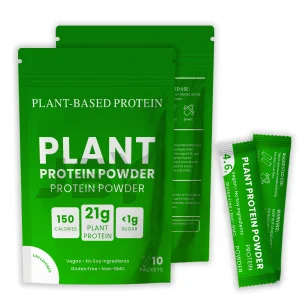
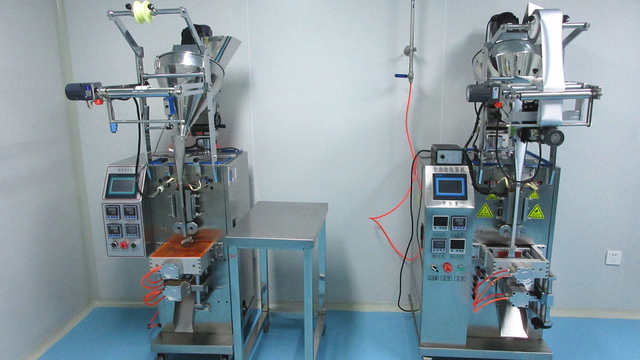
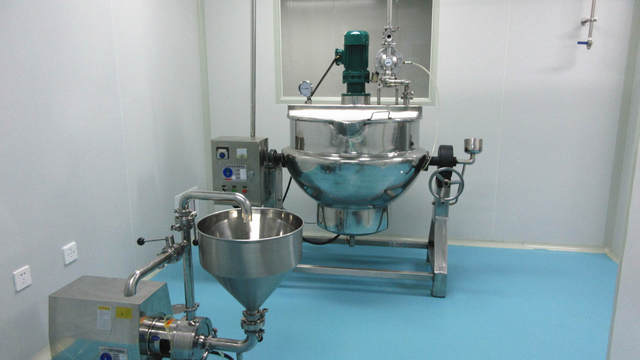
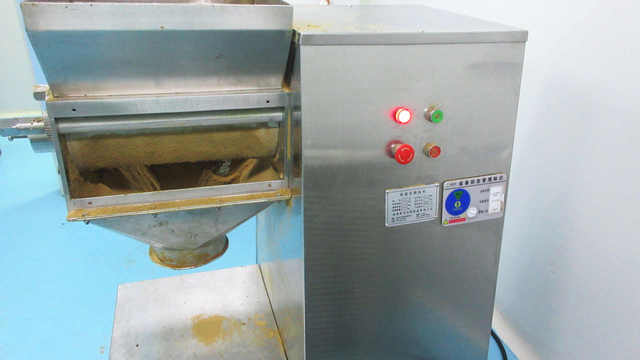
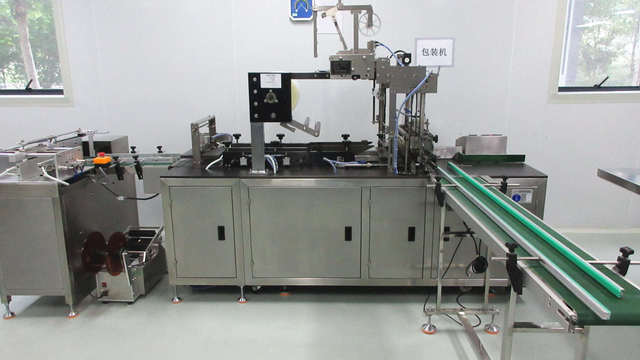
Hangzhou Fderla Biology Co., Ltd. is a professional hydrolyzed protein manufacturer and bioactive peptide supplier based in Hangzhou, China. The company focuses on the research, development, production, and global export of high-quality protein hydrolysates for food, cosmetic, and nutritional applications.
With advanced biotechnology processes and strict quality control systems, Fderla Biology produces a wide range of hydrolyzed protein ingredients, including plant-based, animal-based, and marine-derived protein peptides. These materials are widely used in functional foods, dietary supplements, skincare formulations, hair care products, and sports nutrition solutions.
The company integrates modern enzymatic hydrolysis technology with scientific formulation expertise to ensure high bioavailability, easy absorption, and stable performance of its protein products. Each batch is carefully tested to meet international standards for purity, safety, and effectiveness.
Hangzhou Fderla Biology Co., Ltd. supports OEM and customized solutions for global clients, including ingredient formulation optimization, technical support, and bulk supply services. With a strong focus on innovation and sustainable biotechnology, the company continuously develops new functional peptide solutions for emerging market needs.
By combining scientific research, production excellence, and global service capability, Fderla Biology has become a trusted partner in the hydrolyzed protein and bioactive peptide industry, delivering reliable and high-performance ingredient solutions worldwide.
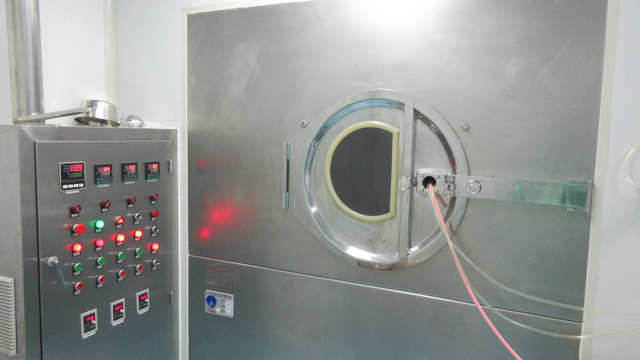
 Fderla Biology