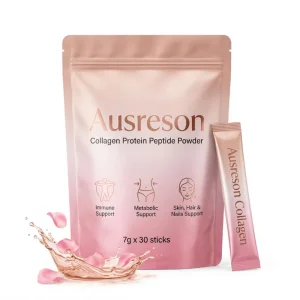
Discover our highly functional, water-soluble peptides optimized for emulsification stability, flavor enhancement, and nutritional fortification in salad dressings, mayonnaise, and sauces.
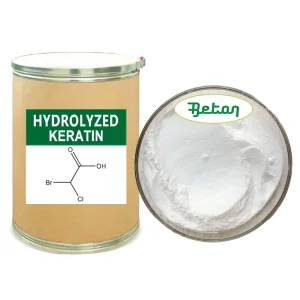
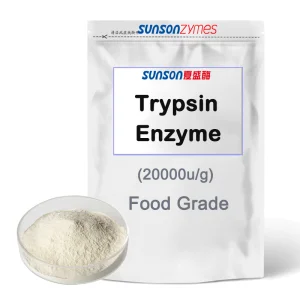
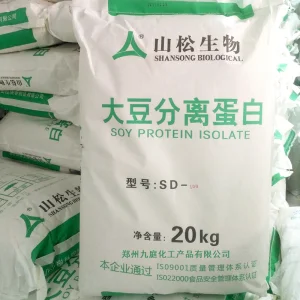
Salad dressings, dipping sauces, and functional vinaigrettes constitute a massive global market, evolving rapidly under the influence of clean-label demands, sugar-and-fat reduction initiatives, and vegan/vegetarian lifestyle shifts. Central to this evolution is the replacement of chemical emulsifiers and thickeners with plant-based and clean-label animal-derived alternatives. Hydrolyzed proteins have emerged as the premier ingredient class to address these formulation challenges.
Procurement directors in multinational food production facilities look for three critical criteria when evaluating suppliers: amphiphilic balance (emulsification potential), viscosity stability under high shear and thermal stress (pasteurization), and organoleptic neutrality (taste profiles free from bitterness). Standard proteins often fail in low-pH environments typical of salad dressings, but target enzymatic hydrolysis produces bioactive peptides that are highly soluble, resilient in acidic environments, and capable of coating lipid droplets to prevent phase separation.
In classical formulation, fat droplets provide the body, texture, and creaminess of dressings. Reducing oil content to meet modern calorie-reduction requirements usually results in a thin, watery product that fails to cling to salad leaves. Hydrolyzed proteins mitigate this problem by forming a viscoelastic film at the oil-water interface, stabilizing small droplets and contributing to a rich mouthfeel.
Our solutions target these specific structural mechanics:
By exposing hydrophobic and hydrophilic amino acid residues via tailored trypsin enzyme treatments, the hydrolyzed peptides lower surface tension rapidly, generating stable micro-emulsions even at low oil fractions.
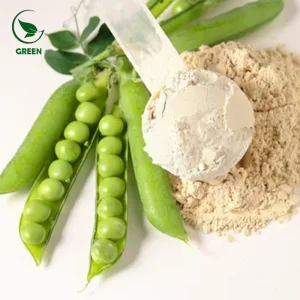
In low pH environments (vinegars, citrus bases), standard proteins reach their isoelectric point and precipitate. Our specialty hydrolyzed pea and rice proteins are engineered to remain soluble and charged at pH levels down to 3.0.
Replace synthetic polysorbates, mono- and diglycerides, and modified starches with clean-label, protein-derived options that consumers recognize and trust on ingredient panels.
To eliminate bitterness—a common drawback of hydrophobic peptides released during hydrolysis—Fderla Biology utilizes advanced enzymatic engineering. By controlling the Degree of Hydrolysis (DH) to tight parameters (typically 12-18%), we optimize the ratio of short-chain to medium-chain peptides, maintaining functional benefits without bitter off-flavors.
Selecting enzyme combinations that target specific peptide bonds to optimize the balance between hydrophobic and hydrophilic terminals, maximizing emulsification behavior.
Filtering out high-molecular-weight proteins that cause gritty textures, and overly small amino acid chains that offer no structural integrity to the emulsion.
Utilizing exopeptidases to clip terminal bitter hydrophobic residues, producing a clean, neutral-tasting powder that seamlessly blends with dressing bases.
Hangzhou Fderla Biology Co., Ltd. is a professional hydrolyzed protein manufacturer and bioactive peptide supplier based in Hangzhou, China. The company focuses on the research, development, production, and global export of high-quality protein hydrolysates for food, cosmetic, and nutritional applications.
With advanced biotechnology processes and strict quality control systems, Fderla Biology produces a wide range of hydrolyzed protein ingredients, including plant-based, animal-based, and marine-derived protein peptides. These materials are widely used in functional foods, dietary supplements, skincare formulations, hair care products, and sports nutrition solutions.
The company integrates modern enzymatic hydrolysis technology with scientific formulation expertise to ensure high bioavailability, easy absorption, and stable performance of its protein products. Each batch is carefully tested to meet international standards for purity, safety, and effectiveness.
Hangzhou Fderla Biology Co., Ltd. supports OEM and customized solutions for global clients, including ingredient formulation optimization, technical support, and bulk supply services. With a strong focus on innovation and sustainable biotechnology, the company continuously develops new functional peptide solutions for emerging market needs.
By combining scientific research, production excellence, and global service capability, Fderla Biology has become a trusted partner in the hydrolyzed protein and bioactive peptide industry, delivering reliable and high-performance ingredient solutions worldwide.
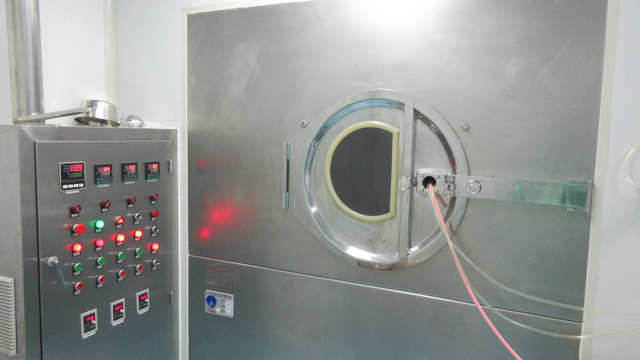
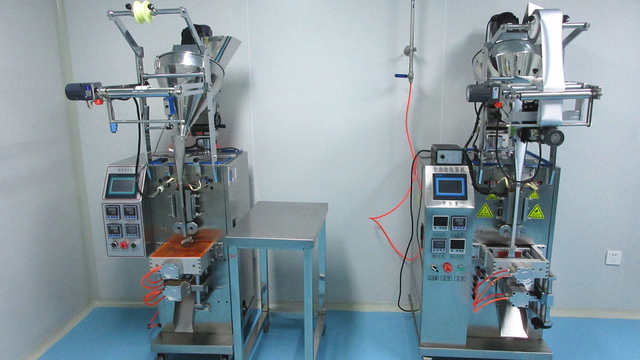
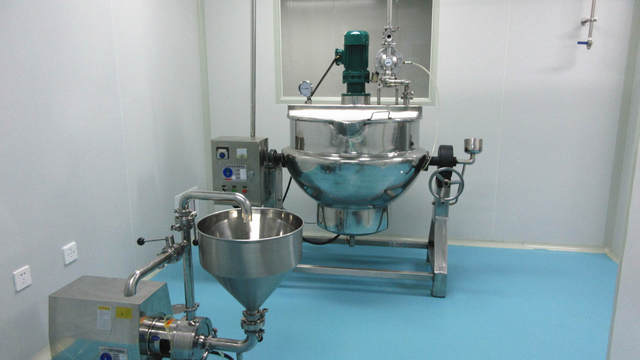
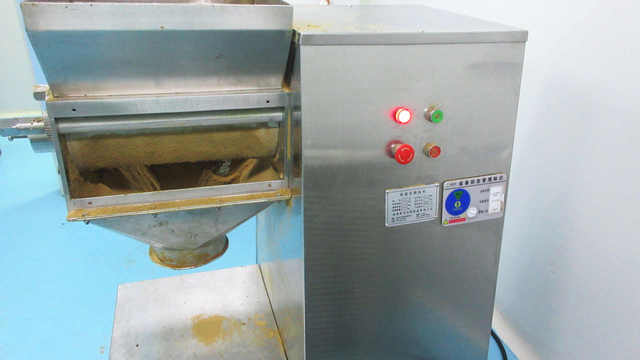
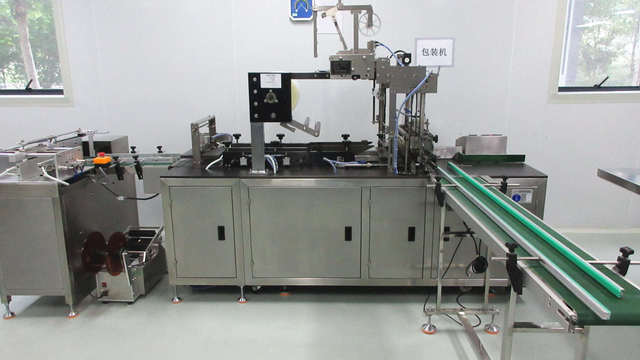
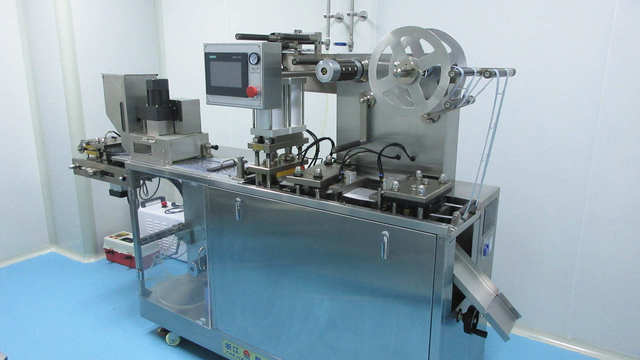
Exporting food-grade hydrolysates globally requires strict compliance with international food safety standards. Depending on the target region (North America, European Union, Southeast Asia, Middle East), several compliance documents are vital for Customs clearance and product registration:
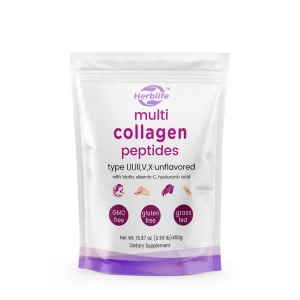
Browse the remaining items in our selection, including plant peptides, dairy fractions, and collagen derivatives suited for culinary emulsions and targeted health formulas.

 Fderla Biology