Premium industrial-grade peptides engineered for hair-care, adult-nutrition, and animal-health optimization.
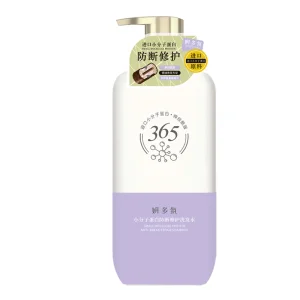
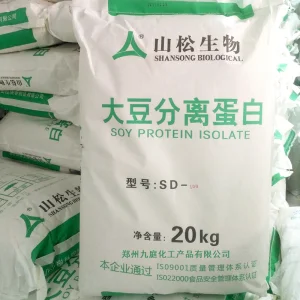
Within the global bio-nutritional supply chain, Hydrolyzed Chicken Protein (HCP) has emerged as a gold-standard functional ingredient. Highly sought after for its exceptional digestible indispensable amino acid score (DIAAS), biological value, and hypoallergenic properties, HCP is manufactured through advanced enzymatic hydrolysis. This specialized process breaks down raw chicken proteins into smaller peptides and free amino acids, drastically decreasing molecular weight and increasing bio-absorbability.
As global manufacturers face shifts in demand toward clean-label formulation, hypoallergenic pet diets, and medical-grade nutrition, the choice of an industrial enzyme and peptide partner has become paramount. This whitepaper serves to detail the top 10 global producers, technical parameters, and procurement methodologies crucial for international ingredient buyers seeking maximum functional yield and supply chain visibility.
Unlike generic lists of suppliers, this industry guide utilizes real-world chemical metrics and regulatory benchmarks. Understanding the molecular weight distribution (MWD) and degree of hydrolysis (DH) determines the difference between a bitter, unusable peptide compound and a premium, highly soluble, hypoallergenic nutrient carrier.
In the companion animal industry, food allergies and cutaneous adverse food reactions (CAFR) are at an all-time high. Intact proteins from beef, dairy, and wheat are often recognized by the animal immune system, triggering IgE-mediated responses.
By utilizing hydrolyzed chicken protein where the molecular weight is kept strictly below 3,000 Daltons (and often below 1,000 Daltons), the immune system is unable to cross-link the proteins, rendering the diet completely hypoallergenic. B2B purchasing agents are prioritizing suppliers that can guarantee consistent peptide distribution profiles to meet veterinary standard diets.
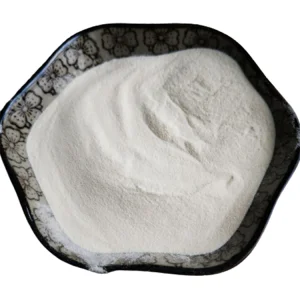
Human nutritional demands are shifting from bulk isolate proteins to specialized peptide powders. The rapid absorption rate of di- and tri-peptides via the PEPT1 transporter in the human intestine yields a faster plasma amino acid peak compared to intact proteins. Hydrolyzed chicken protein isolate supplies essential muscle-building amino acids (L-Arginine, Glycine, Proline) at high concentrations. Global manufacturers are developing clean-label formulations with specialized drying parameters to eliminate the strong organoleptic footprint characteristic of animal proteins.
Bypasses standard stomach enzymatic degradation for direct enteric absorption.
Pure animal raw material tracking conforming to strict EU and FDA regulations.
Dedicated processing plants preventing contamination with pork, dairy, or soy.
The manufacturing of Hydrolyzed Chicken Protein involves a complex biochemical matrix. Pure mechanical extraction is insufficient; raw chicken meat, cartilage, or organs must undergo strict enzymatic cleavage under controlled temperature, pH, and substrate ratios.
| Process Step | Critical Control Points (CCP) | Technical Impact on Final Product |
|---|---|---|
| Pre-Treatment & Homogenization | Temperature < 4°C, Particle Size < 2mm | Stabilizes fat dispersion, ensures rapid enzymatic attachment in the following stage. |
| Enzymatic Hydrolysis | pH 6.5–8.0, Exogenous Protease Cocktails | Determines degree of hydrolysis (DH) and cuts molecular weight distributions. |
| Enzyme Deactivation | Thermal Treatment (> 85°C for 15 min) | Denatures enzymes to freeze the peptide size distribution and preserve stability. |
| Centrifugation & Ultrafiltration | G-Force > 4000g, Membrane Cutoffs (3 kDa) | Removes lipids, heavy collagen chains, and minimizes potential ash content. |
| Spray Drying & Packaging | Inlet Temp: 180°C, Outlet Temp: 85°C | Secures powder flowability, moisture levels < 5%, and prevents crystallization. |
The chemical performance of the resulting protein is governed by its Degree of Hydrolysis (DH). A low DH (5%-8%) produces longer peptide chains that act as exceptional binders and emulsifiers in food formulations. An intermediate to high DH (12%-25%) maximizes water solubility and bioavailability, making it ideal for therapeutic drinks and specialized veterinary diets. Leading suppliers like Hangzhou Fderla Biology Co., Ltd. customize these enzymatic thresholds to suit direct industry parameters.
When procurement directors evaluate bulk supplies of Hydrolyzed Chicken Protein, they must look beyond the pricing per metric ton. In the modern regulatory framework, safety and certification portfolio compliance are non-negotiable.
Customs clearance and food-grade import certificates vary drastically between regions. For example, exporting animal-derived protein products to the EU requires third-country approved establishment status under Regulation (EC) No 1069/2009.
Conversely, importing into the United States requires FDA registration and compliance with the Food Safety Modernization Act (FSMA). Top manufacturers must offer complete transparency, providing certificates of analysis (COA) for every production batch, alongside health certificates, phytosanitary declarations, and non-GMO affidavits.
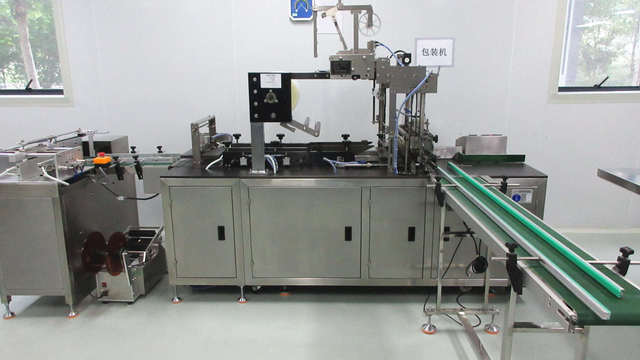
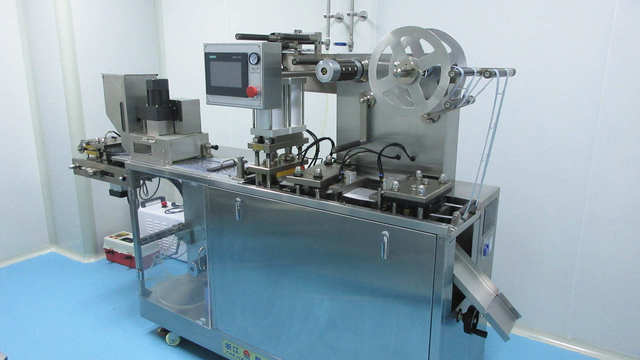
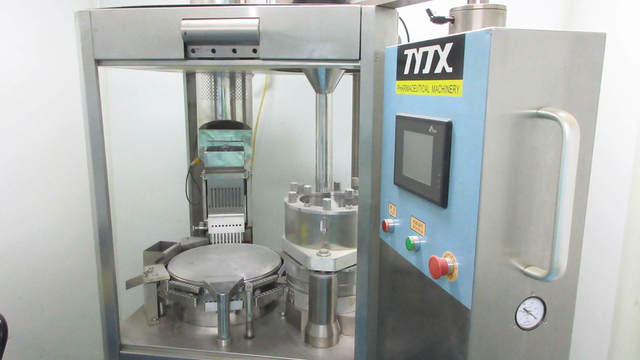
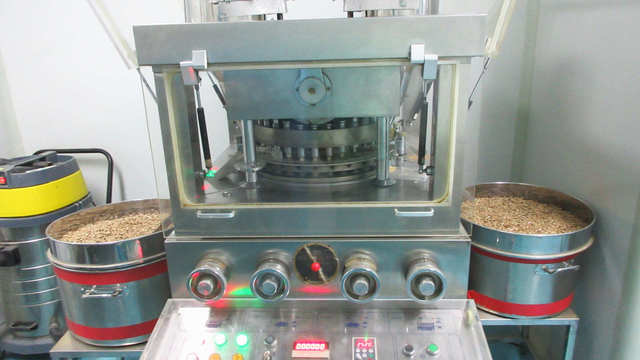
In the global supplier index, Hangzhou Fderla Biology Co., Ltd. stands out as a highly specialized, innovation-driven manufacturer of hydrolyzed proteins and bioactive peptides. Based in Hangzhou, China, the company integrates advanced biological research with state-of-the-art production lines to serve the food, cosmetic, and nutritional sectors.
Fderla Biology utilizes customized enzymatic hydrolysis processes to optimize the bioavailability of their peptides. By controlling the molecular weight profile and peptide purity, they ensure their ingredients blend seamlessly into end-consumer formulas. Their portfolio spans botanical, marine, and animal-derived protein peptides, accommodating clean-label trends, sports nutrition formulations, and veterinary diet requirements.
To support global enterprise clients, Hangzhou Fderla Biology offers robust OEM/ODM services. From custom chemical specs (such as adjusting degrees of hydrolysis for solubility) to designing bespoke nutritional matrices and handling complex regional logistics, they provide a reliable, end-to-end B2B supply pipeline.
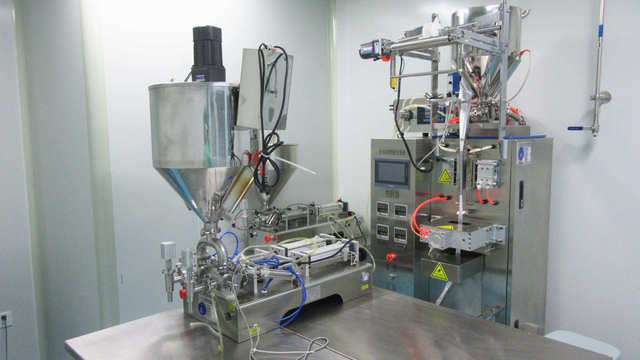
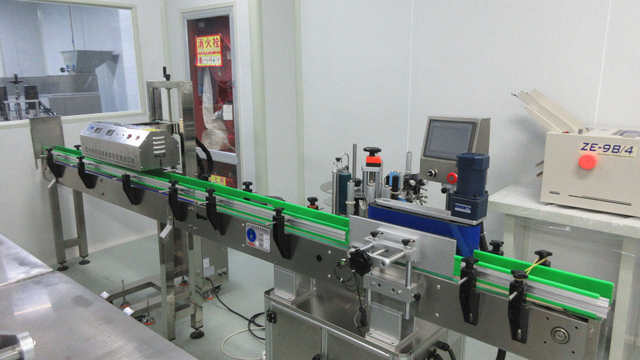
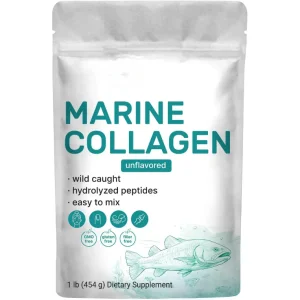
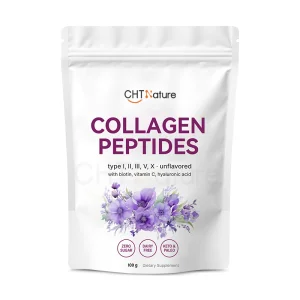
Explore our full catalog of hydrolyzed vegetable, marine, and bovine isolates optimized for international trade distribution.
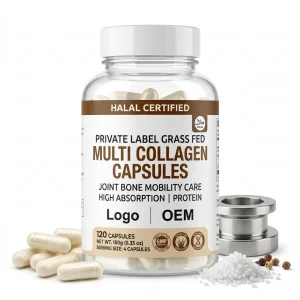
 Fderla Biology