Fderla Biology
1 / 5
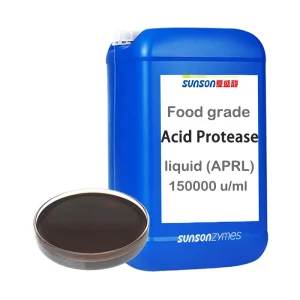
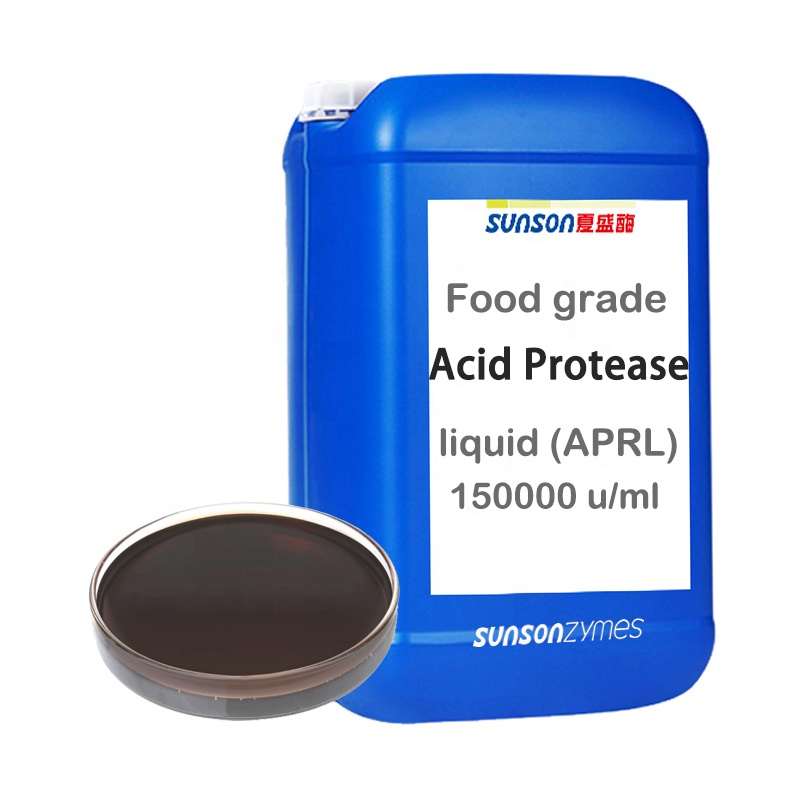
Thermostable Liquid Enzyme for Protein Hydrolysis, produced by submerged fermentation of Aspergillus niger followed by purification and formulation.
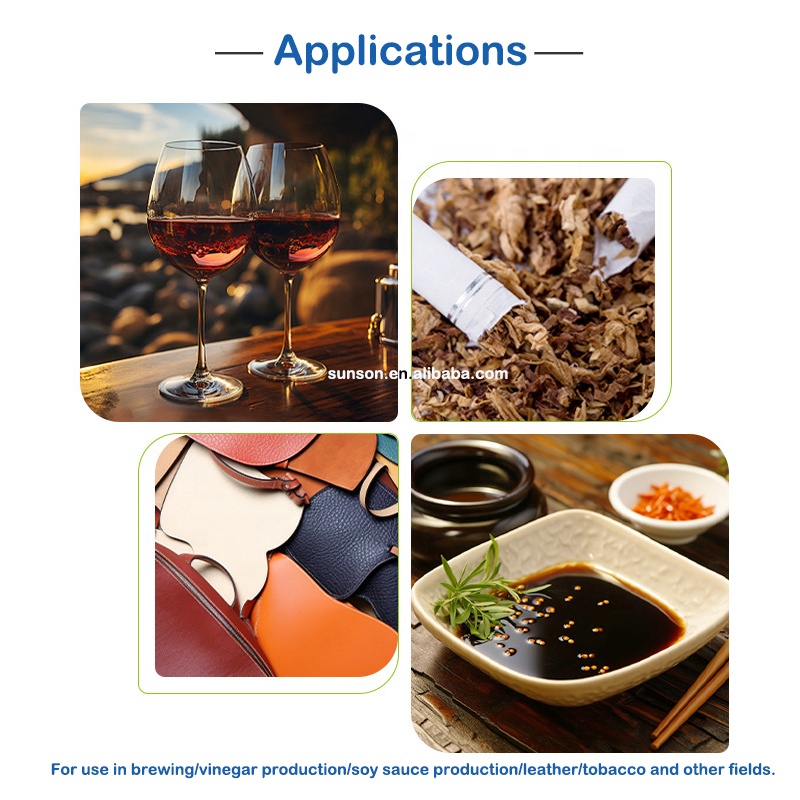
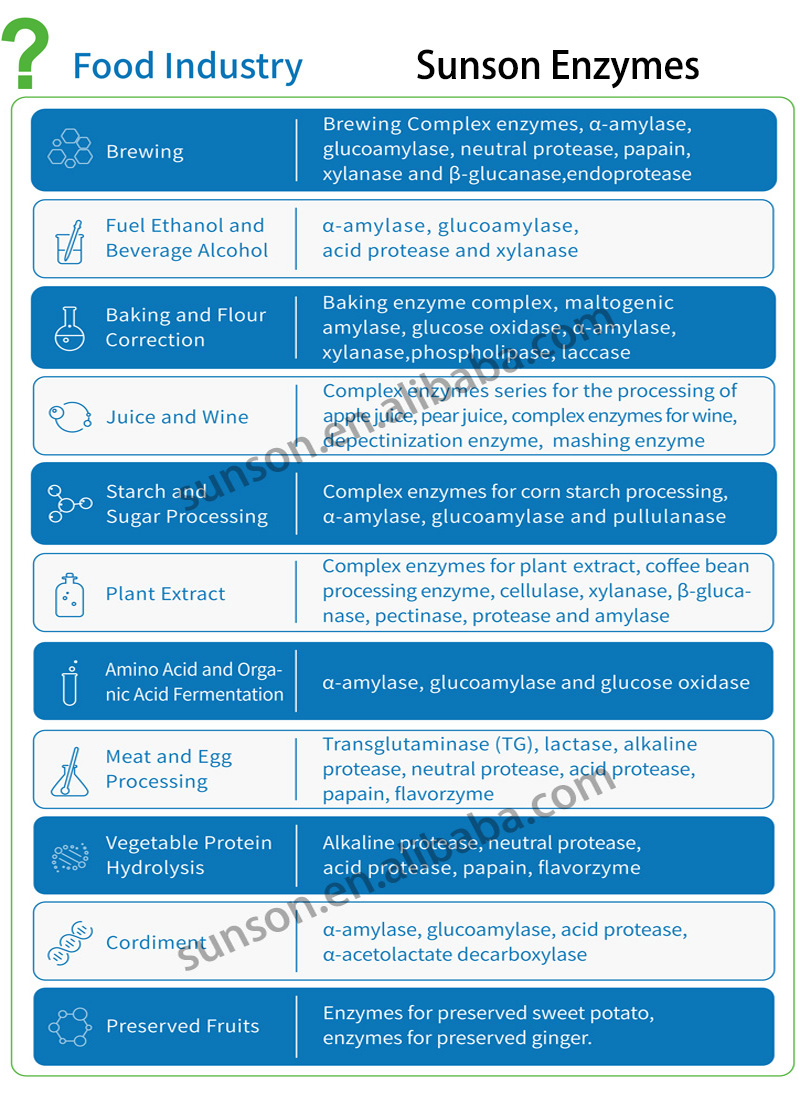
Acid Protease (APRL) catalyzes the hydrolysis of protein under acid conditions. The main applications cover alcohol fermentation, leather softening, wool dyeing, juice clarification, and feed additives.
Acid protease (APRL) degrades protein and improves protein’s dispersibility, solubility, palatability, and digestibility by breaking down peptide bonds.
The product strictly complies with national standard GB1886.174.
| No. | ITEMS | INDEX |
|---|---|---|
| 1 | Bulk density/(g/ml) | 1.05-1.20 |
| 2 | pH/(25℃) | 3.0-5.0 |
| 3 | Lead/(mg/kg) | ≤5.0 |
| 4 | Arsenic/(mg/kg) | ≤3.0 |
| 5 | Total viable count/(CFU/mL) | ≤50000 |
| 6 | Coliform Bacteria/(CFU/mL) | ≤30 |
| 7 | Escherichia coli | <10 (CFU/mL) or ≤3.0 (MPN/mL) |
| 8 | Salmonella/(25mL) | Not Detected |
Improves alcohol yield by hydrolyzing proteins to generate more free α-amino nitrogen, promoting yeast growth and alcohol fermentation, increasing ethanol yield and reducing fermentation time.
Enhances sensory properties of bread and cake. Improves flavor and overall quality in sausage. Boosts amino acid content in soy sauce and prevents cold haze in beer.
Checks the formation of diacetyl and shortens beer maturation time.
Improves digestibility or biological value of feed while reducing production cost.
Makes fur more shiny and improves fur dyeing quality.
Note: Actual dosage may vary based on raw materials and processes. Conduct trials for optimization.
As enzymes are proteins, inhalation of dust or aerosols may cause allergic reactions. Prolonged exposure can irritate skin, eyes, and mucous membranes. Use protective clothing, gloves, and eye/face gear.
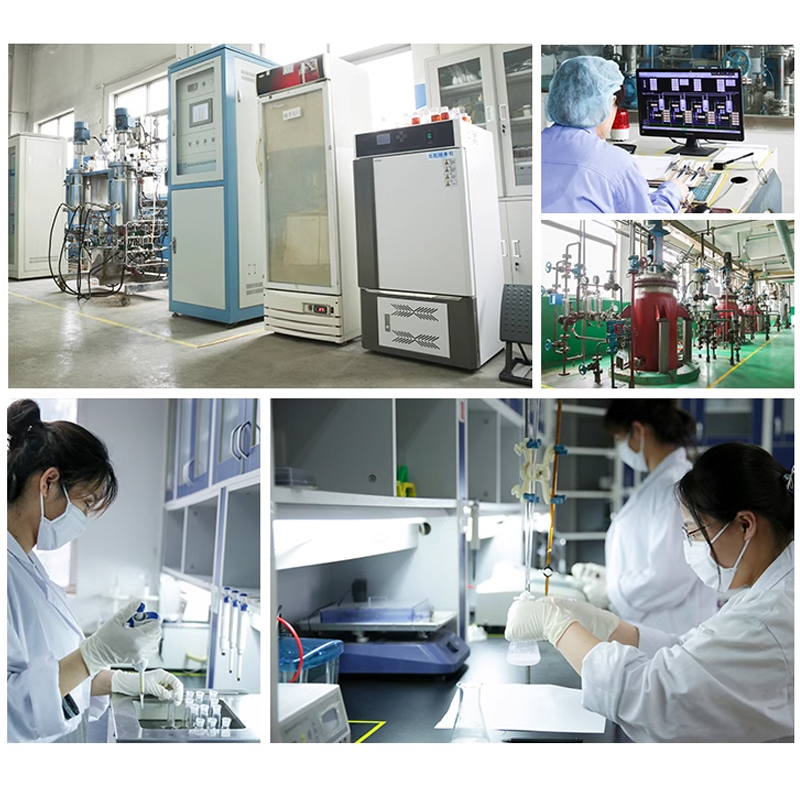
This acid protease is a food-grade liquid enzyme produced by submerged fermentation of Aspergillus niger followed by professional purification and formulation processes.
It is highly effective under acidic conditions, maintaining optimal activity within a pH range of 3.0 to 5.0 at ambient and typical processing temperatures.
In ethanol and brewing industries, it hydrolyzes proteins to generate free alpha-amino nitrogen. This promotes yeast growth, shortens fermentation time, checks diacetyl formation, and prevents beer cold haze.
It should be stored in cool (below 25°C), dry, and well-ventilated conditions away from direct sunlight. The product has a shelf life of 12 months in its original unopened packaging.
The enzyme can be completely inactivated by exposing it to a temperature of 90°C for 20 minutes.
Yes, samples are readily available for evaluation, lab trials, and formulation development to optimize dosage before bulk production.