Explore our cutting-edge protein isolates, hydrolysates, and bioactive peptides customized for premium pharmaceutical, nutritional, cosmetic, and agricultural applications.
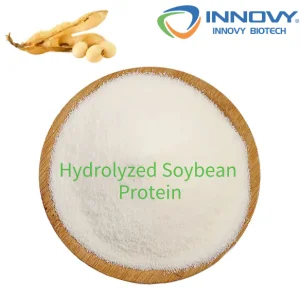
In the global food science and biological ingredients landscape, raw plant protein matrices frequently present physical challenges, including poor cold-water solubility, potential allergenicity, and slow gastrointestinal absorption kinetics. Hangzhou Fderla Biology Co., Ltd. resolves these systemic limits through precision enzymatic cleavage processes. By targeting specific peptide bonds within non-GMO soy protein isolates, we convert macromolecular storage proteins (glycinin and beta-conglycinin) into highly bioavailable oligopeptides.
Unlike conventional thermal or harsh acid hydrolysis—which can destroy critical essential amino acids and produce undesirable bitter elements—Fderla’s clean-label biotech platform utilizes proprietary endopeptidases and exopeptidases. This methodology allows us to rigorously manage the Degree of Hydrolysis (DH) and precisely target molecular weight distributions (typically <1,000 Daltons). The resulting custom formulas deliver outstanding solubility, complete transparency in solution, and superb thermal stability across a broad pH range.
How Hangzhou Fderla Biology's Hydrolyzed Soy Protein transforms functional properties across diverse industrial sectors.
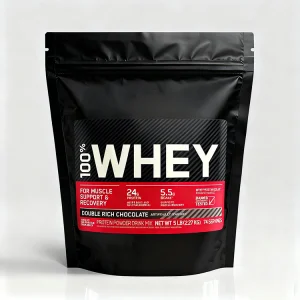
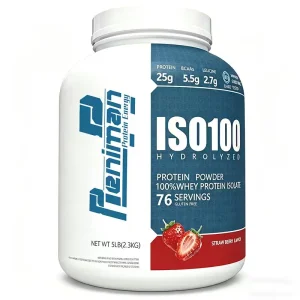
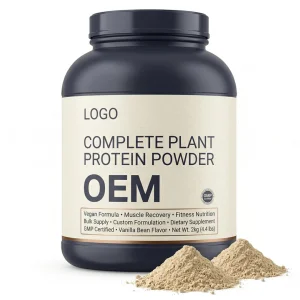
We provide customized oligopeptides for powder formulas, RTD (Ready-To-Drink) beverages, and nutritional bars. High thermal stability guarantees performance during pasteurization and UHT processing without precipitation or gel formation.
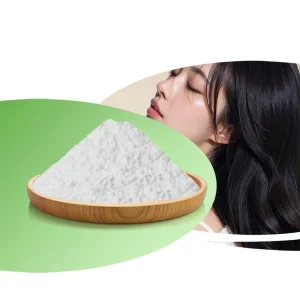
Our cosmetic-grade hydrolyzed soy protein forms a protective, breathable moisture barrier on the skin and hair. It effectively penetrates the hair cuticle to repair structural damage, restore shine, and enhance elasticity.
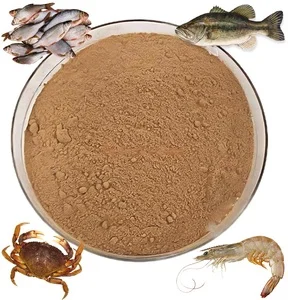
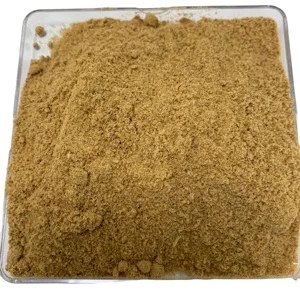
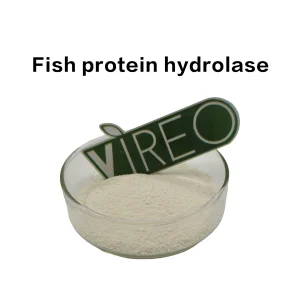
Fderla's feed-grade hydrolysates serve as superior immunostimulants. They enhance feed attractant properties, improve gut microbiome diversity, and reduce intestinal inflammation in young post-weaning animals and marine aquaculture species.
A technical overview of Hangzhou Fderla Biology’s Hydrolyzed Protein portfolio showing key analytical metrics.
| Analytical Parameter | Food Grade (Hydrolyzed Soy) | Cosmetic Grade (Active Peptide) | Feed/Aqua Grade (Hydrolase) |
|---|---|---|---|
| Protein Content (Dry Basis) | ≥ 90.0% | ≥ 95.0% | ≥ 75.0% |
| Average Molecular Weight | < 2,000 Da (Customizable) | < 1,000 Da (Ultra-filtrated) | < 5,000 Da (High Yield) |
| Solubility (Water, 25°C) | ≥ 98.5% | 100% Clear Solution | ≥ 90.0% |
| Moisture Content | ≤ 6.0% | ≤ 5.0% | ≤ 8.0% |
| Heavy Metals (as Pb) | < 5.0 ppm | < 2.0 ppm | < 10.0 ppm |
| Primary Function | Bioavailable Nutrition, Texturizing | Cellular Hydration, Film-forming | Immunostimulation, Attractant |
The transition from traditional animal proteins to plant-derived bioactives is driven by consumer demand for sustainability and clinical data validating peptide efficacy. Today, major global food brands require clean-label, allergen-friendly, and non-GMO formulations.
As a global exporter, Hangzhou Fderla Biology Co., Ltd. addresses the strict regulatory requirements of different regions. From EU EFSA Novel Food regulations to US FDA GRAS specifications, we provide comprehensive documentation for our materials.
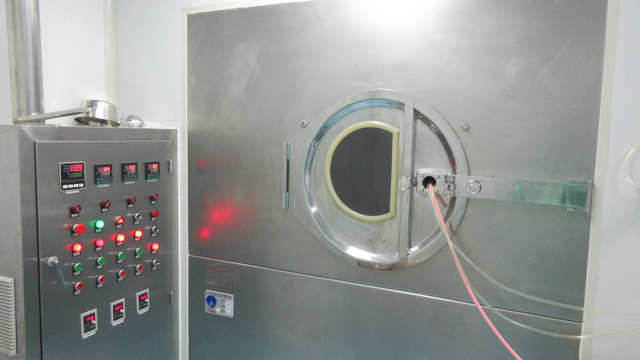
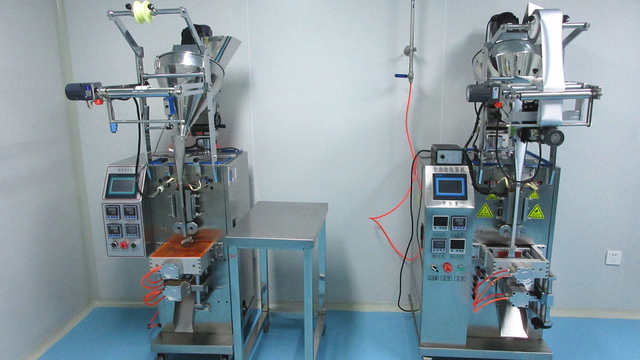
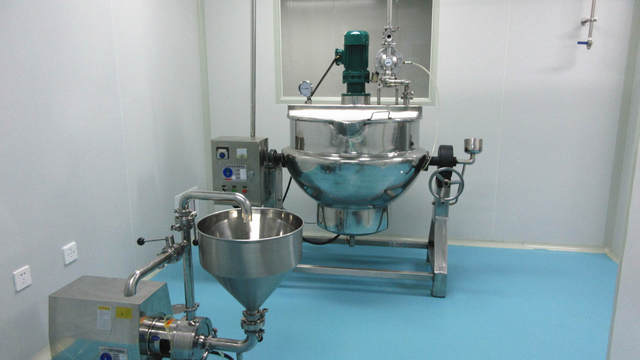
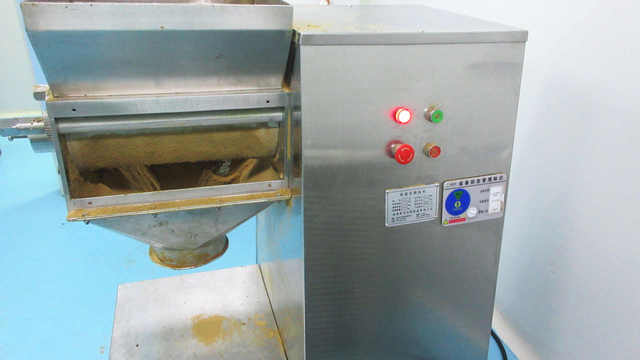
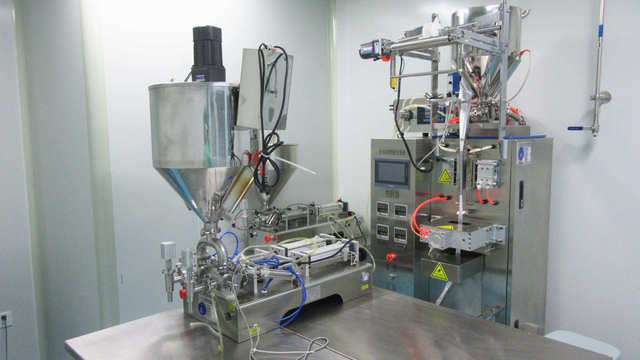
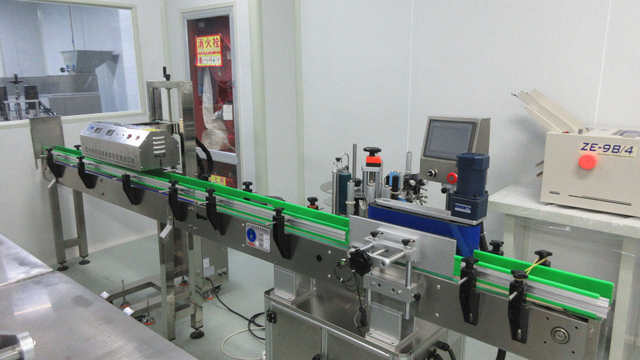
Our advanced production facilities in China employ state-of-the-art biological extraction equipment. Our processes are fully certified under international standards including HACCP, ISO 22000, Kosher, and Halal. Every shipment is accompanied by detailed Certificate of Analysis (COA) documents, heavy metal panels, and microbial assays, ensuring seamless entry into North American, European, and Asia-Pacific ports.
To remain at the forefront of the industry, Hangzhou Fderla Biology invests in biotechnology development. Our R&D focuses on three pillars of innovation.
We utilize advanced computer-aided screening to predict how enzyme combinations target bioactive sequences. This enables us to formulate peptides for specific physiological benefits, including antihypertensive and antioxidant activities.
Integrating multi-stage ceramic membrane filtration allows us to separate specific molecular weight ranges, separating highly active oligopeptides from salts and unhydrolyzed macromolecules.
Developing hybrid plant-based peptide matrices (soy combined with pea, rice, or wheat) helps establish complete essential amino acid profiles that mimic animal-derived alternatives.
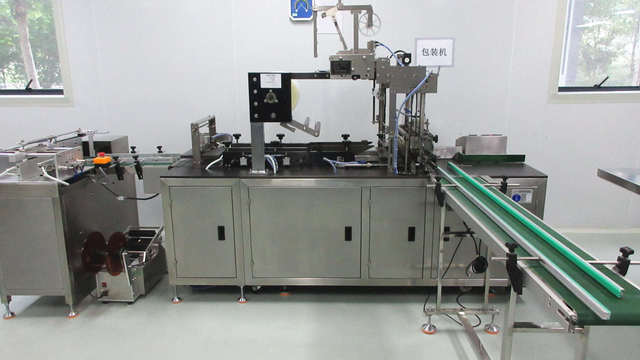
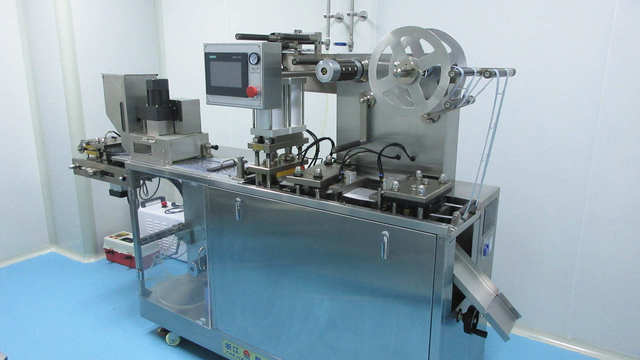
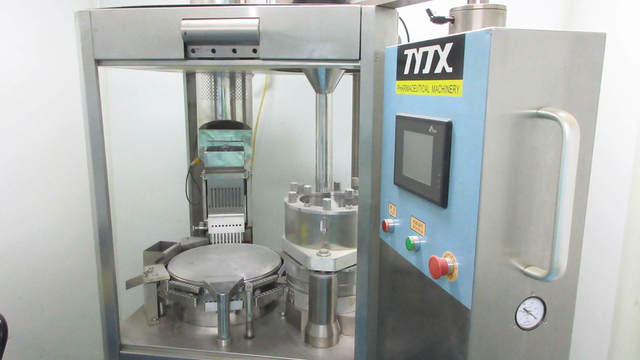
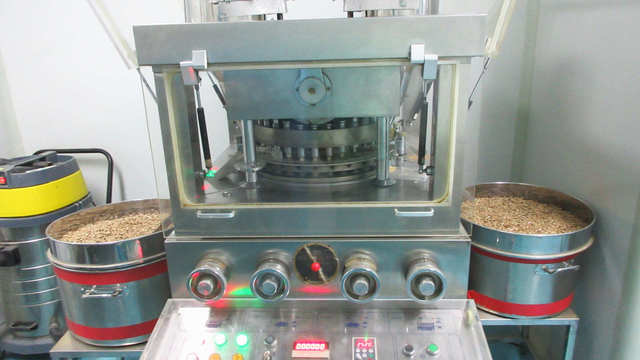
A visual insight into Hangzhou Fderla Biology's modern facility, showcasing R&D operations, spray drying, filtration systems, and shipping procedures.
Direct answers from our engineering and chemical compliance divisions regarding performance, customization, and supply chain logistics.
Discover our complete line of plant-derived, animal-derived, and marine-derived bioactive peptide isolates.
 Fderla Biology