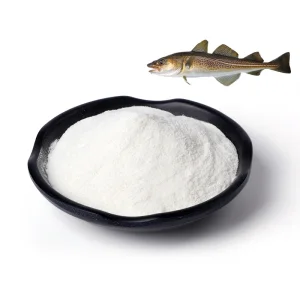
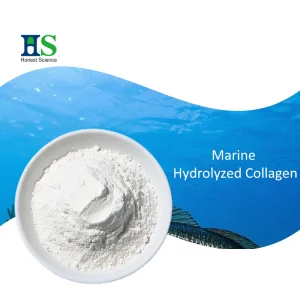
Select from our premium catalog of certified plant, marine, and animal protein formulations optimized for global distribution.
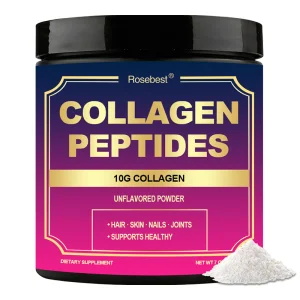
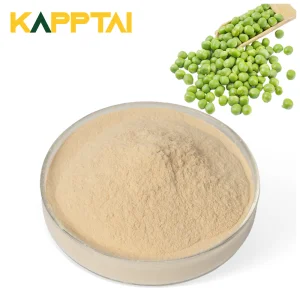
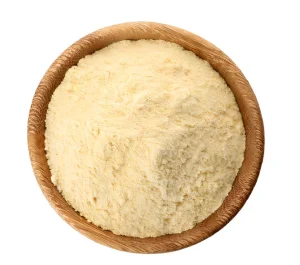
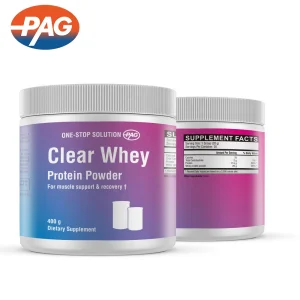
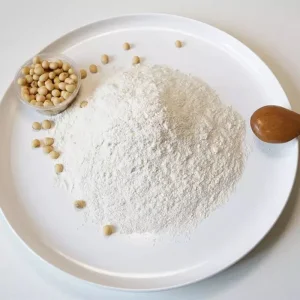
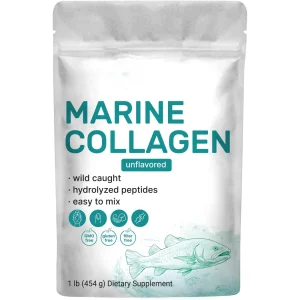
The global nutritional landscape is undergoing a monumental paradigm shift. Driven by environmental sustainability, clean-label regulatory policies, and the rapid expansion of vegan and allergen-free consumer bases, plant-based proteins have transitioned from niche alternatives to mainstream industrial staples. Among these, Hydrolyzed Rice Protein has emerged as a premier bio-functional ingredient, prized for its excellent digestibility, complete amino acid profile, and hypoallergenic classification.
Unlike soy and wheat proteins, which are constrained by their allergen classifications under global food labeling guidelines (such as the US FDA FALCPA and EU Regulation 1169/2011), rice protein stands as a clean, hypoallergenic alternative. The enzymatic hydrolysis process breaks down high-molecular-weight rice proteins into low-molecular-weight bioactive oligopeptides. These short-chain peptides (typically averaging less than 1,000 to 3,000 Daltons) demonstrate significantly enhanced biological efficacy, water solubility, and metabolic absorption compared to intact proteins.
Completely free of gluten, soy, and dairy allergens. Ideal for sensitive digestion, infant nutrition, and clean-label foods.
Enzymatic pre-digestion delivers high ratios of small-chain peptides, facilitating instant systemic absorption.
Significantly lower carbon footprint and water consumption metrics compared to animal-derived protein alternatives.
Industry research indicates that the global plant-based protein market is projected to reach over USD 20 billion by 2030, with hydrolyzed plant proteins displaying the highest compound annual growth rate (CAGR). Food technologists and product formulators are increasingly substituting animal-based collagens and whey proteins with plant-derived alternatives to align with the shifting ethical and dietary preferences of modern consumers.
For supply chain directors, contract manufacturers, and procurement managers in the cosmetic, dietary supplement, and pharmaceutical industries, sourcing raw plant proteins involves rigid technical parameters. Sourcing from a reliable **China Hydrolyzed Rice Protein Factory & Exporter** requires evaluating critical quality indices that directly dictate the efficacy, shelf-life, and sensory properties of the final product.
| Analytical Parameter | Standard Specification | Testing Methodology / Relevance |
|---|---|---|
| Assay (Protein Content on dry basis) | ≥ 80.0% / ≥ 90.0% | Kjeldahl Method (High concentration allows lower dosage in formulations) |
| Average Molecular Weight | ≤ 1,000 Daltons (or ≤ 3,000 Daltons) | High-Performance Liquid Chromatography (HPLC) - impacts absorption |
| Solubility Index | ≥ 98% (Quick dispersion in cold water) | Gravimetric analysis (Essential for clear functional beverages and cosmetics) |
| Heavy Metals (Pb, As, Cd, Hg) | Pb ≤ 0.5 ppm, As ≤ 0.5 ppm | ICP-MS (Strict compliance with EU/US FDA California Prop 65 limits) |
| Microbiological Quality | Total Plate Count ≤ 1,000 cfu/g | USP/EP standards (Ensures stability and prevents contamination) |
| Organoleptic Profile | Neutral taste, minimal cereal odor, pale yellow/white powder | Sensory Panel (Reduces the need for masking agents in food and cosmetics) |
Furthermore, enterprise buyers prioritize regulatory compliance and tracing certifications. Top-tier exporters must present an extensive portfolio of credentials, including ISO 9001, ISO 22000, HACCP, Kosher, and Halal certifications. This level of technical oversight is what distinguishes professional industrial suppliers from general commodity traders.
The production of premium hydrolyzed rice protein is no longer a simple mechanical separation process. In China’s leading biotechnology facilities, **Factory 4.0 paradigms** have been integrated to ensure unmatched process repeatability, batch-to-batch consistency, and structural resilience in the global supply chain.
Our modern manufacturing facilities utilize advanced enzymatic hydrolysis technologies controlled by automated SCADA systems. This ensures precise regulation of temperature, pH, enzyme-to-substrate ratios, and reaction times. The resulting molecular weight distribution is kept strictly within narrow parameters to deliver highly consistent functional performance.
By securing strategic partnerships across massive, sustainable agricultural zones in China, our factory guarantees a continuous, non-GMO rice supply. This vertically integrated supply model buffers global distributors from raw material shortages and sudden price volatility, ensuring reliable, long-term procurement pricing.
Non-GMO broken rice is milled and subjected to specialized food-grade enzymatic digestion, separating the proteins from the starches while preserving nutritional integrity.
Advanced ceramic microfiltration and ultrafiltration separate insoluble residues, achieving highly clarified, soluble peptides while eliminating off-notes.
The purified liquid peptide stream is instantly dried using low-temperature spray technology in GMP-standard Class 100,000 cleanrooms to preserve biological activity and prevent external contamination.
Hydrolyzed rice protein’s unique functional properties—low viscosity, high clarity, thermal stability across various pH ranges, and hypoallergenic nature—allow it to be seamlessly formulated into a wide range of industries:
In premium cosmetics, hydrolyzed rice protein is highly regarded for its exceptional skin-conditioning properties. Thanks to its low molecular weight, it easily penetrates the stratum corneum, supplying essential amino acids that stimulate collagen synthesis, improve skin elasticity, and reduce the appearance of fine lines. In hair care, it forms a protective film that repairs damaged cuticles and boosts natural volume.
In sports nutrition, athletes require fast-acting amino acid sources for muscle recovery. Hydrolyzed rice peptides contain a rich, balanced amino acid profile, including high levels of branched-chain amino acids (BCAAs). Because it is highly soluble, it remains completely stable in low-pH, clear protein waters and ready-to-drink (RTD) protein beverages without precipitating.
Due to its hypoallergenic nature, hydrolyzed rice protein is widely utilized in allergen-free infant formulas designed for babies with cows' milk protein allergy (CMPA) or soy intolerance. The meticulous purification processes eliminate all phytates and heavy metals, offering safe, easily digestible, and nutrient-rich nourishment for developing infants.
Hangzhou Fderla Biology Co., Ltd. is a professional hydrolyzed protein manufacturer and bioactive peptide supplier based in Hangzhou, China. The company focuses on the research, development, production, and global export of high-quality protein hydrolysates for food, cosmetic, and nutritional applications.
With advanced biotechnology processes and strict quality control systems, Fderla Biology produces a wide range of hydrolyzed protein ingredients, including plant-based, animal-based, and marine-derived protein peptides. These materials are widely used in functional foods, dietary supplements, skincare formulations, hair care products, and sports nutrition solutions.
The company integrates modern enzymatic hydrolysis technology with scientific formulation expertise to ensure high bioavailability, easy absorption, and stable performance of its protein products. Each batch is carefully tested to meet international standards for purity, safety, and effectiveness. Hangzhou Fderla Biology Co., Ltd. supports OEM and customized solutions for global clients, including ingredient formulation optimization, technical support, and bulk supply services. With a strong focus on innovation and sustainable biotechnology, the company continuously develops new functional peptide solutions for emerging market needs.
By combining scientific research, production excellence, and global service capability, Fderla Biology has become a trusted partner in the hydrolyzed protein and bioactive peptide industry, delivering reliable and high-performance ingredient solutions worldwide.
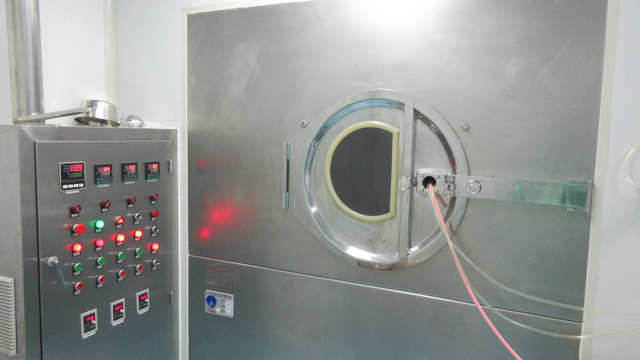
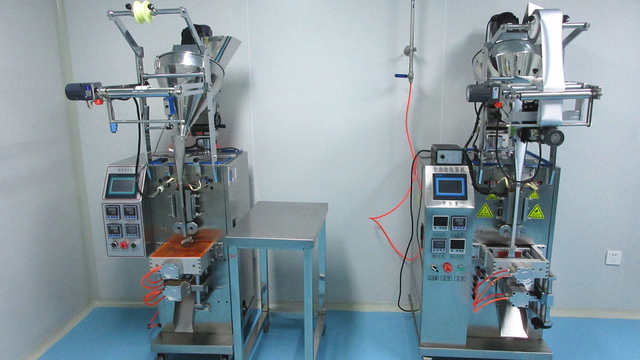
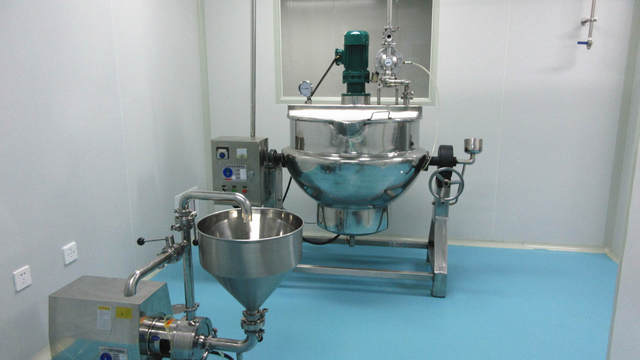
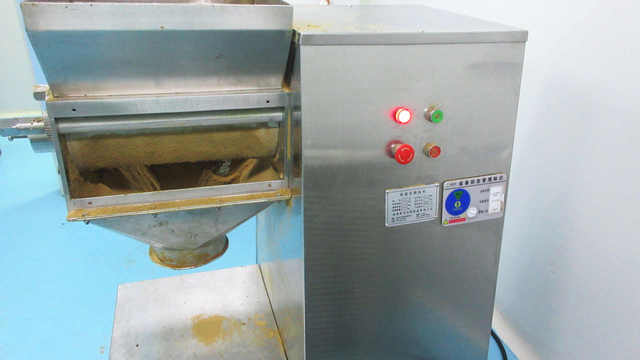
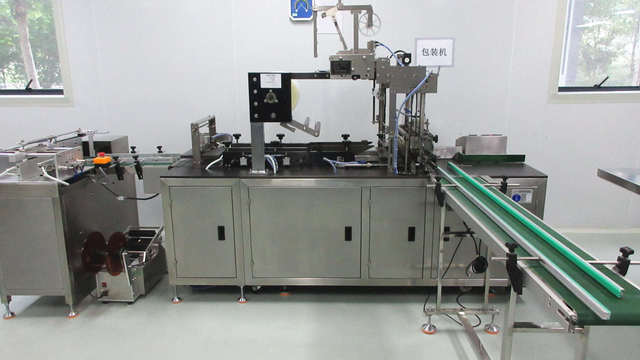
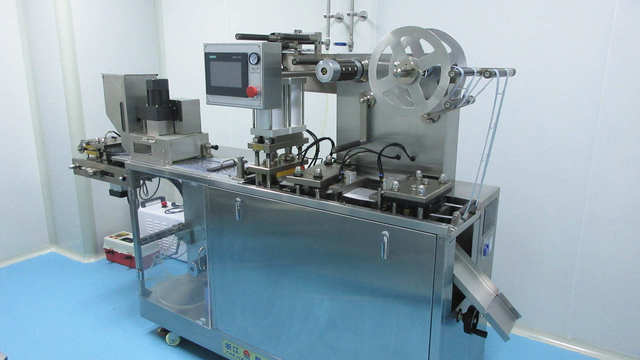
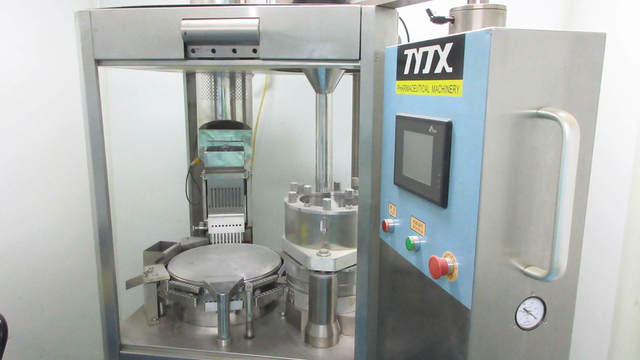
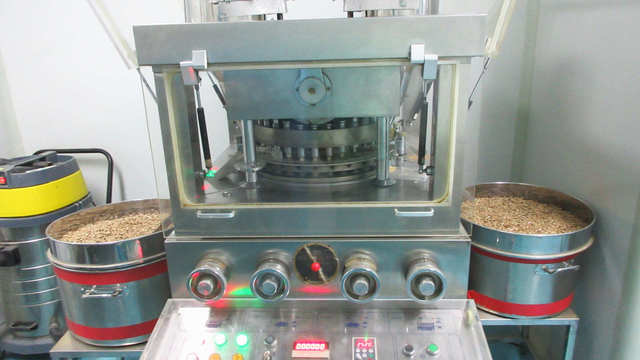
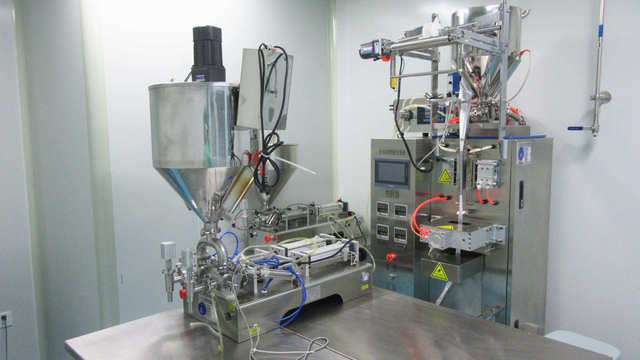
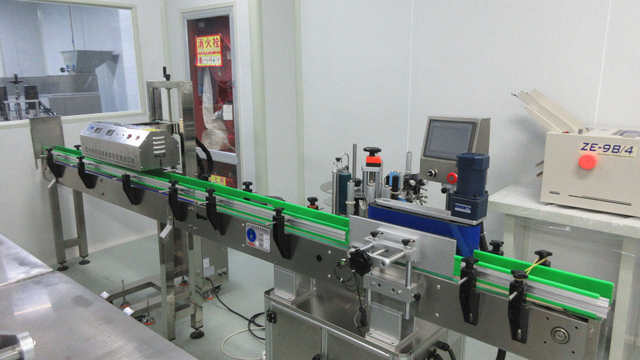
Explore our industrial manufacturing base, featuring automated control rooms, filtration columns, extraction tanks, and spray-drying chambers designed to meet GMP, ISO, and HACCP standards.
Get answers to the most common technical, regulatory, and logistics questions regarding wholesale hydrolyzed rice protein sourcing.
Hydrolyzed rice protein is naturally free from gluten, soy, and dairy, which are among the most common allergens. The enzymatic hydrolysis process breaks down any complex proteins into small peptides (mostly below 2,000 Daltons). This ultra-low molecular structure minimizes potential immune responses, making it the preferred hypoallergenic protein choice for infant formula and sensitive skin products.
Yes, as a specialized manufacturer, we offer fully customizable molecular weight ranges to suit specific applications. For cosmetic formulations requiring deep skin or hair penetration, we can produce oligopeptides averaging less than 1,000 Daltons. For nutritional bars or dietary supplements where taste and texture stability are key, we can adjust parameters to supply peptides between 2,000 and 5,000 Daltons.
Fderla Biology holds comprehensive international certifications to support clean customs clearance and quality verification. Our facility is certified under ISO 9001, ISO 22000, HACCP, Halal, and Kosher. Every batch is issued a Certificate of Analysis (COA) detailing protein assays, heavy metals, microbial limits, and physical parameters.
Due to enzymatic pre-digestion, our hydrolyzed rice protein boasts outstanding water solubility (typically ≥ 98% in cold water). It dissolves rapidly without clumping or precipitation. This excellent solubility makes it perfect for clear functional beverages, cosmetics, and liquid supplements where high clarity and stability are essential.
Our standard MOQ for wholesale bulk supply starts at 100 kg to accommodate testing and formulations. For large-scale commercial contracts, we regularly supply in multi-ton volumes. The lead time for standard items is typically 7 to 15 days from Hangzhou, China, to major international ports, depending on shipping terms and customization requirements.
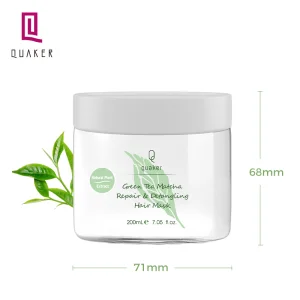
Explore additional high-performance proteins, specialty collagens, and targeted hair care formulations.

 Fderla Biology