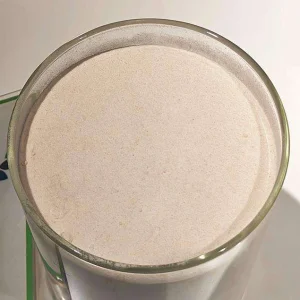
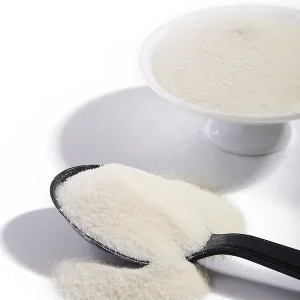
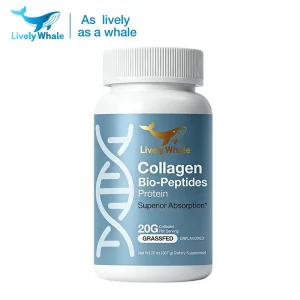
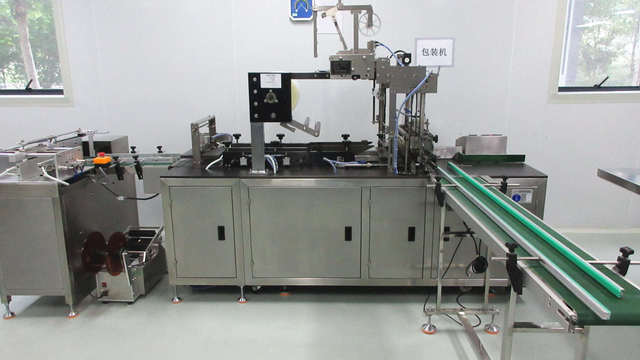
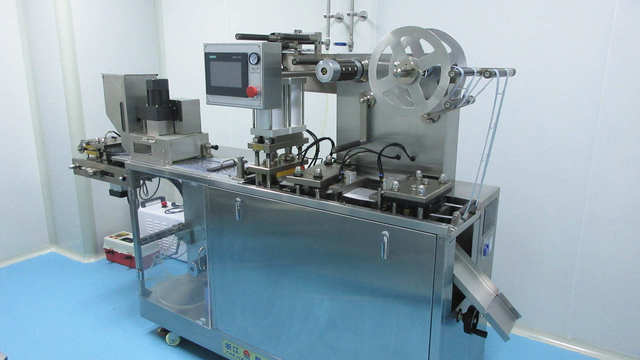
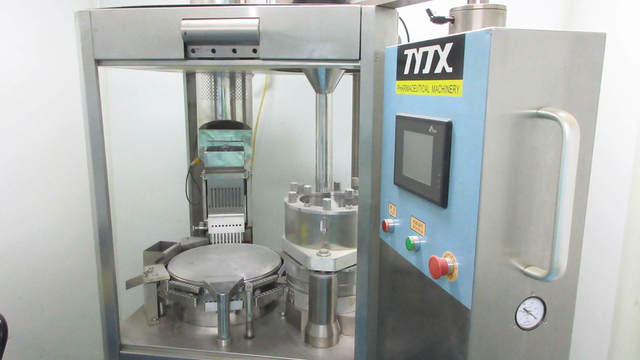
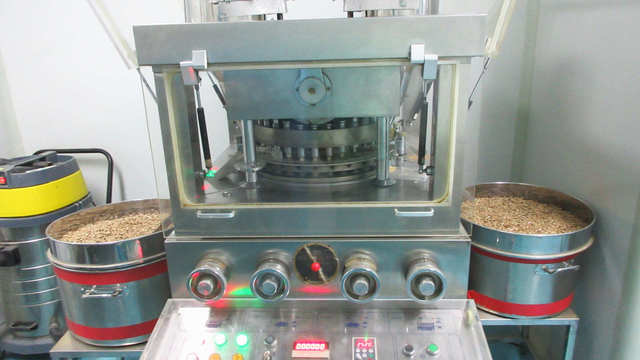
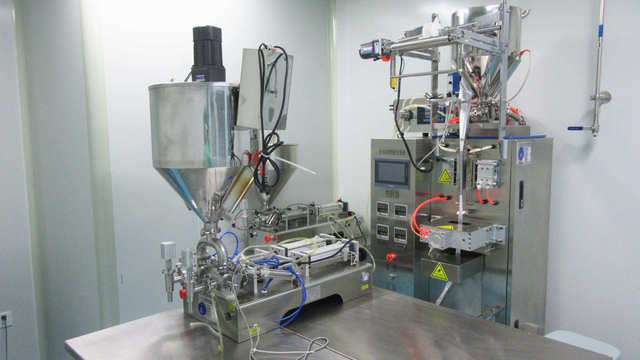
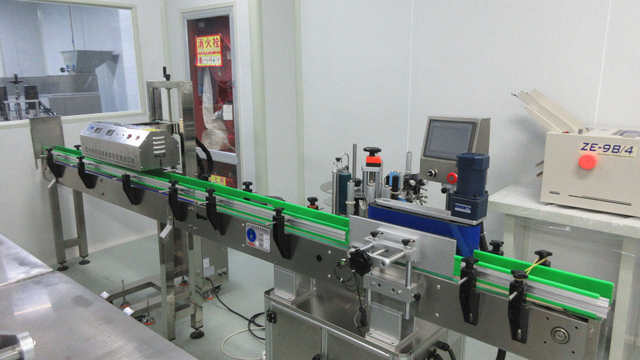
Hangzhou Fderla Biology Co., Ltd. is a premier hydrolyzed protein manufacturer and bioactive peptide supplier based in the biotechnology corridor of Hangzhou, China. The enterprise integrates state-of-the-art enzymatic hydrolysis technology with advanced research, development, and scalable production of bio-functional ingredients. Catering to food processing, dietary supplements, pharmaceutical substrates, and premium cosmetic formulations, Fderla Biology delivers customizable protein structures designed for maximum bio-availability and organoleptic stability.
Each formulation is meticulously monitored for batch-to-batch consistency under GMP and HACCP protocols, guaranteeing purity and rapid absorption kinetics. Our production lines combine precise proteolytic target cleavage with comprehensive filtration technologies to eliminate unwanted organoleptic properties while maximizing biological activity.
Select industrial-grade and dietary-supplement-grade peptide raw materials. Engineered for optimal stability, high solubility, and clean sensory properties.
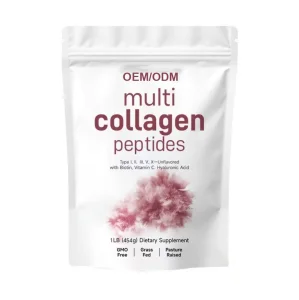
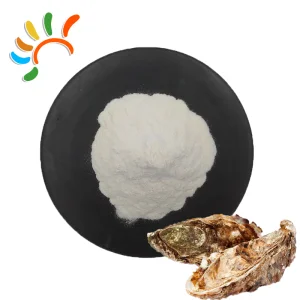
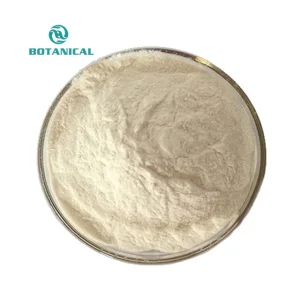
How enzymatic hydrolysis is reshaping health, environmental targets, and ingredient functionality across global markets.
Native plant proteins are structurally dense and slow to digest. Through target-specific endopeptidase and exopeptidase cleavage, large polypeptide chains are converted into bio-functional oligopeptides (<1000 Da). These smaller fractions bypass standard digestion steps via PepT1 transporters, ensuring rapid biological absorption and systemic utilization.
Major plant-based sources like soy and wheat carry allergen profiles that concern modern consumers. Selective enzyme configurations degrade these epitopes, reducing cross-reactivity and offering food formulation scientists hypoallergenic alternatives without sacrificing amino acid completeness.
Modern RTD beverages and liquid supplements require protein structures that do not precipitate under thermal processing or acidic environments. Hydrolyzed proteins display a near-perfect nitrogen solubility index (NSI) across varying pH levels, presenting clear visual solutions and uniform taste profiles.
The precise scientific steps involved in converting complex crop proteins into clean-tasting, highly bio-absorbable peptide molecules.
Non-GMO botanical matrices (rice, pea, soy, wheat) undergo high-speed centrifugal separation and low-temperature extraction to protect the natural structure of the native protein before hydrolysis begins.
Our reactors utilize precise temperature, pH, and enzyme combinations. Specific cleavage at target peptide bonds breaks down chains while avoiding bitter hydrophobic amino acid release.
Using ultrafiltration membranes, we separate molecular weights into precise limits (e.g., <1000 Da or 1000-3000 Da). Active carbon filtration and de-bittering steps remove unwanted plant notes.
Low-temperature spray drying preserves biological activity, producing a free-flowing, highly soluble powder that dissolves instantly in cold liquids.
Technical benchmarks for formulators, procurement officers, and quality control directors when sourcing bulk peptide powder batches.
| Ingredient Classification | Protein Content (Dry Basis) | Avg. Molecular Weight | NSI (Nitrogen Solubility Index) | Key Applications |
|---|---|---|---|---|
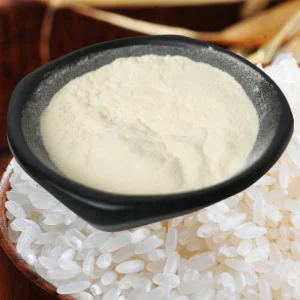
| Hydrolyzed Rice Peptide | ≥ 80% | ≤ 1,000 Da | ≥ 98% (pH 3.0 - 7.0) | Hypoallergenic RTD Drinks, Baby Food, Anti-aging Skincare |
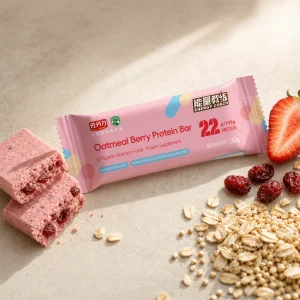
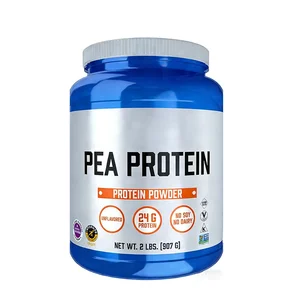
| Hydrolyzed Pea Peptide | ≥ 85% | 1,000 - 3,000 Da | ≥ 95% (pH 4.0 - 8.0) | Sports Nutrition, Meal Replacement Bars, Muscle Recovery |
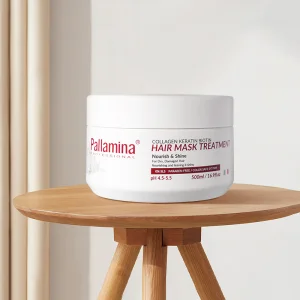
| Hydrolyzed Wheat Protein | ≥ 80% | 1,500 - 3,000 Da | ≥ 90% (Acid stable) | Keratin Hair Repair Treatments, Specialized Baked Goods |
| Soybean Isolate Hydrolysate | ≥ 90% | ≤ 2,000 Da | ≥ 97% (Wide range) | Clinical Nutrition, Geriatric Feeds, Fermentation Media (TSB) |
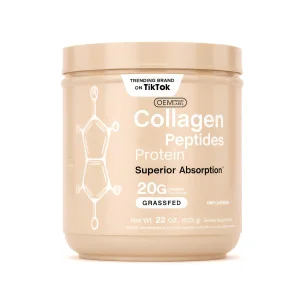
| Bioactive Animal Collagens | ≥ 95% | 1,000 - 3,000 Da | 100% in warm water | Joint health formulas, Beauty nutricosmetics, Bone broth bases |
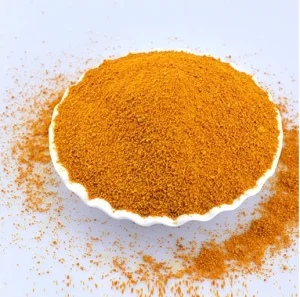
Highly targeted botanical and specialized animal-derived proteins manufactured for international distributors, contract manufacturers, and private labels.
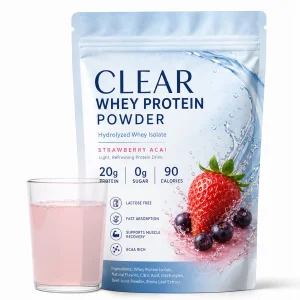
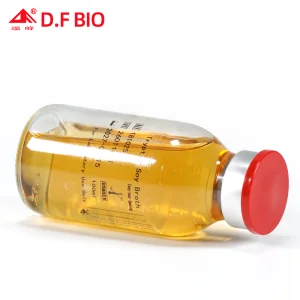
Ensuring cross-border compliance, document transparency, and reliable supply chains for critical manufacturing plants worldwide.
We supply products matching strict cultural and clean-eating guidelines, including certified Halal, Kosher, non-GMO, and gluten-free batches. Documentation such as allergen maps and PCR testing for cross-contact prevention is provided with every shipment.
Fderla Biology utilizes an batch-monitoring system tracking crop cultivation sources through processing, enzymatic hydrolysis, spray drying, and export packaging. This offers peace of mind for B2B brands demanding full supply chain transparency.
Exporting key functional ingredients requires proper compliance. We prepare all essential customs document packages including COA, MSDS, Phytosanitary Certificates, Health Certificates, and country-specific origin documentation to prevent port clearance delays.
Answers to technical and commercial questions about active oligopeptides, plant proteins, and wholesale order logistics.
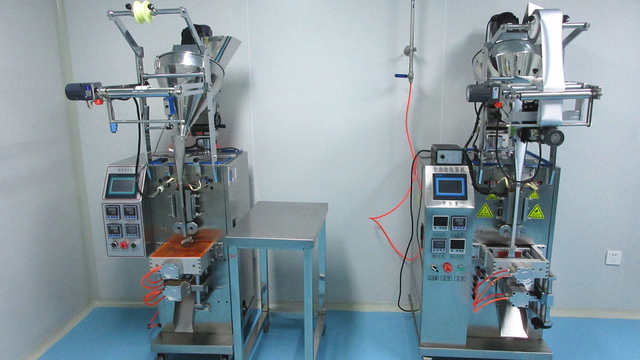
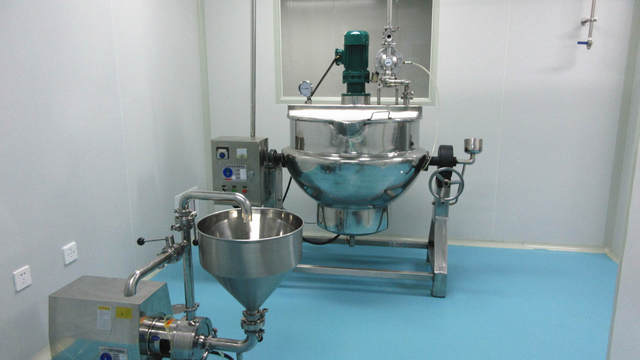
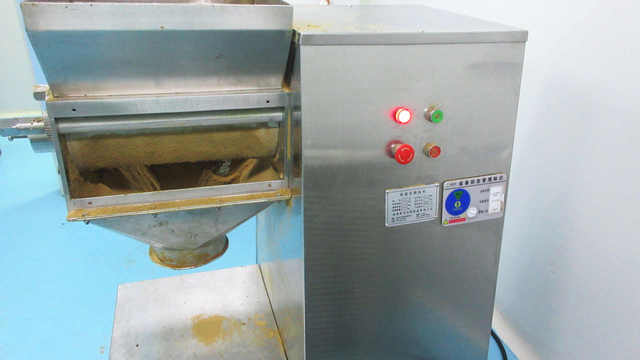
Visual tour of our production facilities, laboratories, and warehousing capabilities.
 Fderla Biology