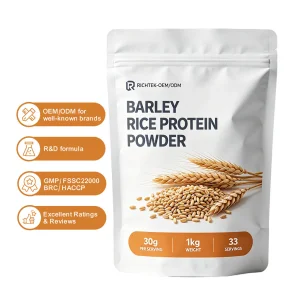
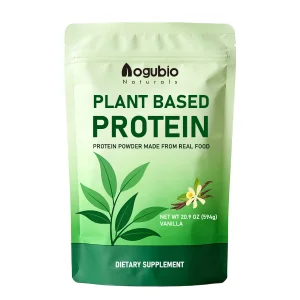
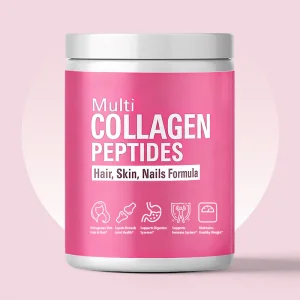
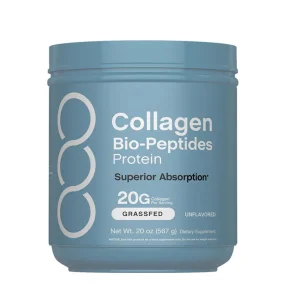
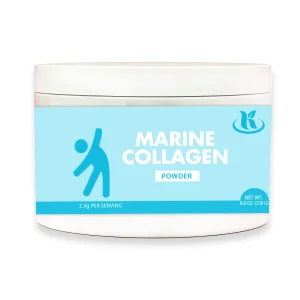
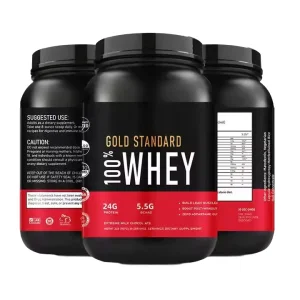
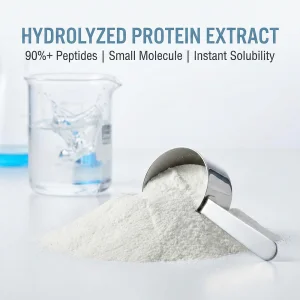
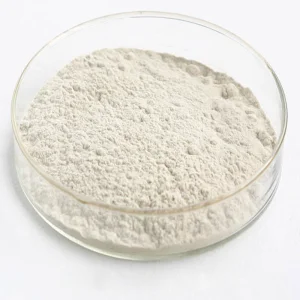
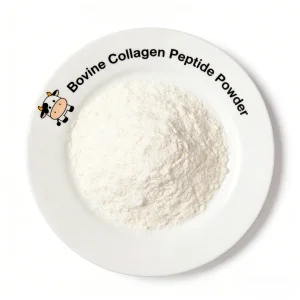
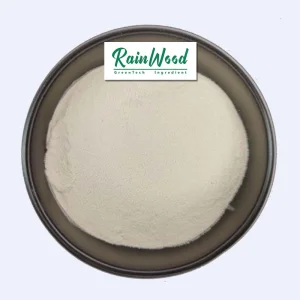
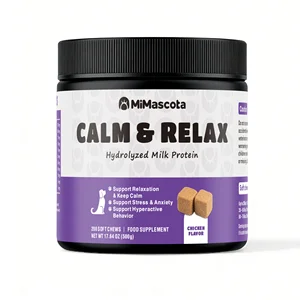
Explore our core portfolio of highly functional, bioactive, and customizable protein hydrolysates optimized for infant formulations and specialized medical nutrition.
As the pediatric nutrition sector undergoes a paradigm shift toward hypoallergenic, digestively accessible, and clean-label compositions, Hangzhou Fderla Biology Co., Ltd. has positioned itself at the cutting edge of manufacturing technology. Our state-of-the-art biological extraction plant in Hangzhou, China, produces premium hydrolyzed protein ingredients tailored for infant formula, pediatric foods, and metabolic disease dietary management.
Through custom-controlled enzymatic hydrolysis, we reduce complex allergen proteins into precise molecular weight peptides. This process minimizes the immunogenic footprint while preserving the essential amino acid profiles vital for child growth. By eliminating bitterness and metallic off-notes, our protein solutions enable globally compliant formulations that babies accept.
Analyzing current global import and export trends, supply vulnerabilities, and demand metrics for premium hypoallergenic proteins.
Worldwide, Cow's Milk Protein Allergy (CMPA) affects approximately 2% to 7.5% of infants. Standard proteins can cause acute systemic reactions in sensitive babies. As a result, major brands in North America, Europe, and the APAC region are transitioning their product lines. They are moving away from traditional intact cow's milk protein and introducing Extensively Hydrolyzed Formulas (eHF) and Partially Hydrolyzed Formulas (pHF).
Global food safety agencies, including the European Food Safety Authority (EFSA) and the US FDA, have updated their regulatory guidelines. Infant food ingredients must comply with incredibly low maximum residue levels (MRLs) for arsenic, lead, cadmium, and pesticides. Purchasing managers require fully traceable supply chains with comprehensive batch testing sheets.
With the rise of vegan parenting and congenital lactase deficiency, plant-derived hydrolyzed proteins—specifically hydrolyzed rice, barley, and pea isolates—are seeing double-digit year-over-year growth. Formula manufacturers need suppliers that can consistently provide high-purity, non-GMO, and gluten-free plant-based options without compromising the amino acid index.
How our technical and material science capabilities address complex formulation and manufacturing hurdles.
From raw raw material selection to controlled molecular distribution - our engineering journey.
We source premium, non-GMO, clean-label raw materials including grass-fed dairy whey, sustainably harvested cold-water marine species, and premium rice. These sources undergo rigorous testing for identity, purity, and environmental contaminants.
Using a combination of food-grade endopeptidases and exopeptidases, we cleave specific peptide bonds at precise temperature, pH, and duration metrics. This allows us to target and achieve a highly specific Degree of Hydrolysis (DH).
We pass our liquid hydrolysates through multi-stage ceramic ultrafiltration (UF) and nanofiltration (NF) membranes. This process isolates the targeted peptide size classes, safely removing any remaining unhydrolyzed proteins and high-molecular-weight allergens.
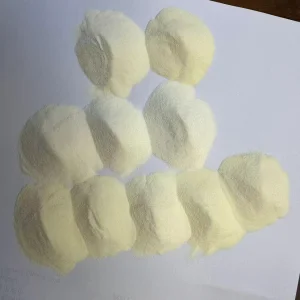
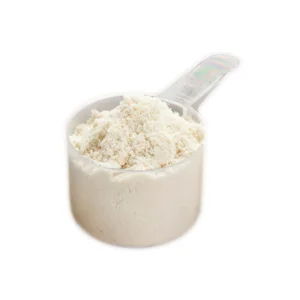
We dry the concentrated peptide liquid using specialized low-temperature spray driers. This method prevents thermal damage and preserves the biological activity of the peptides. The result is a highly soluble, non-caking, and dust-free powder with excellent reconstitution properties.
Connecting high-tech Chinese biotech production with complex international baby food markets.
Our plant operates several automated bioreactor lines and advanced spray-drying towers. This infrastructure delivers thousands of tons of high-purity peptide powders annually, ensuring stable supplies for large global formula producers.
We provide full custom formulation services. Clients can customize their protein sources, target molecular weight distributions (DH level), and physical properties. We also support customized packaging sizes ranging from retail-ready pouches to 10kg, 20kg, and 25kg bulk configurations.
We operate out of Hangzhou, close to major shipping centers like Ningbo and Shanghai. Our logistics team handles export documentation, customs clearance, and cold-chain logistics. This ensures our shipments reach markets in Europe, the Americas, the Middle East, and Southeast Asia quickly and safely.
Infant foods require the highest level of regulatory scrutiny. Hangzhou Fderla Biology Co., Ltd. implements strict quality control policies that align with standard food safety regulations worldwide.
We verify the molecular weight distribution of every product batch using High-Performance Liquid Chromatography (HPLC). We also test our products for pathogens, such as *Cronobacter sakazakii* and *Salmonella*, to ensure absolute safety for infant consumption. Our facilities operate cleanroom production environments that meet GMP standards.
Traceability Program: Every batch is assigned a unique tracking code. This allows us to trace the product from the initial raw material farm through processing, packaging, shipping, and delivery.
Explore our specialized dietary, functional plant-derived, and animal-derived protein options for comprehensive food formulations.
Answers to common technical, quality, and supply questions from R&D and purchasing managers.
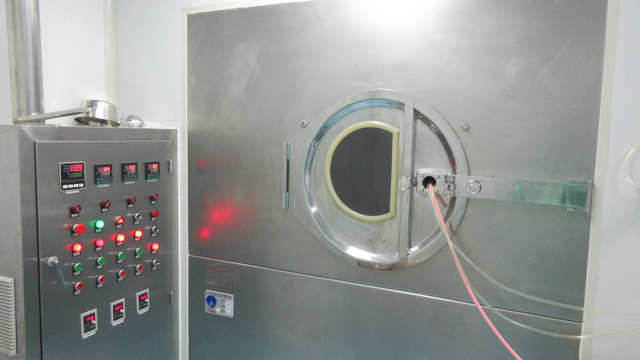
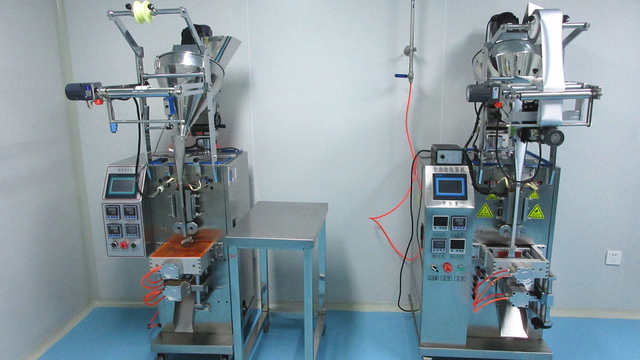
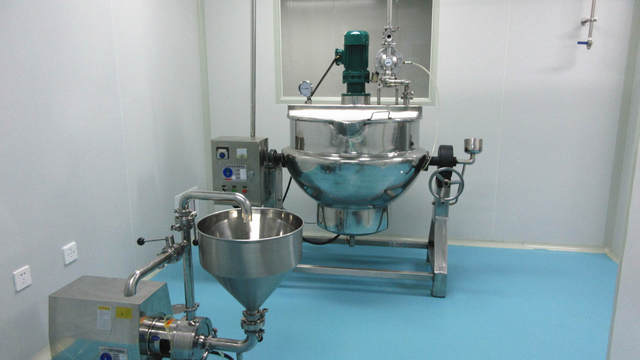
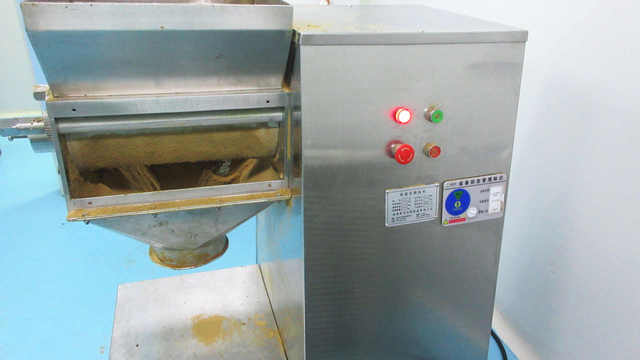
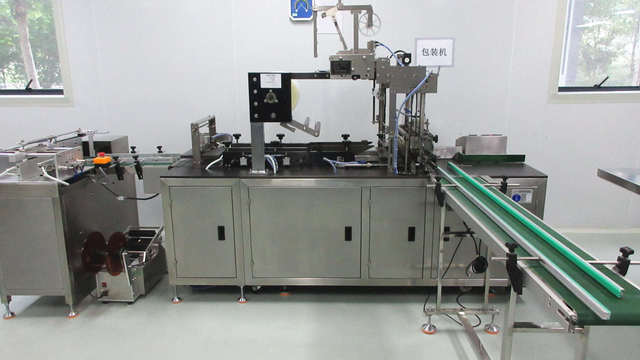
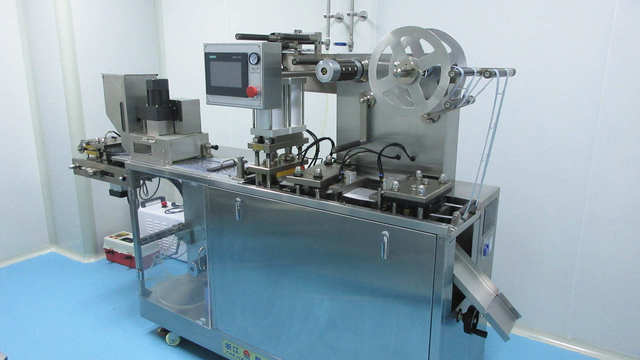
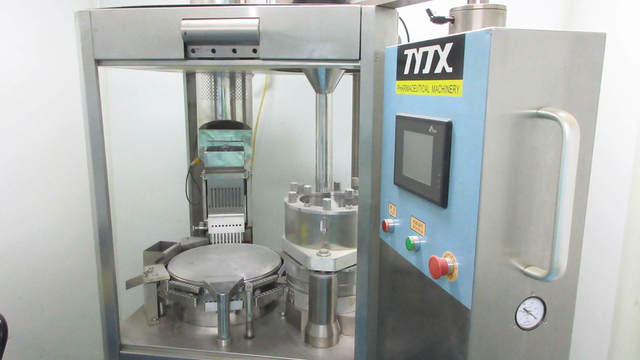
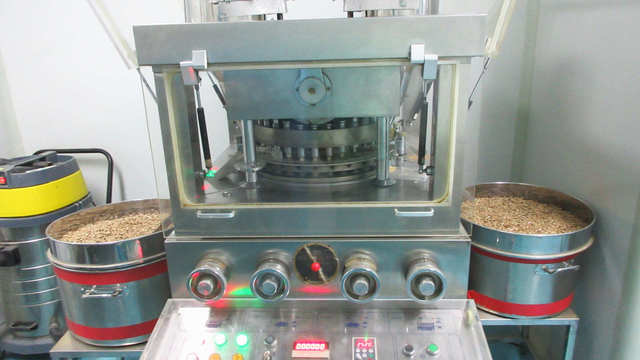
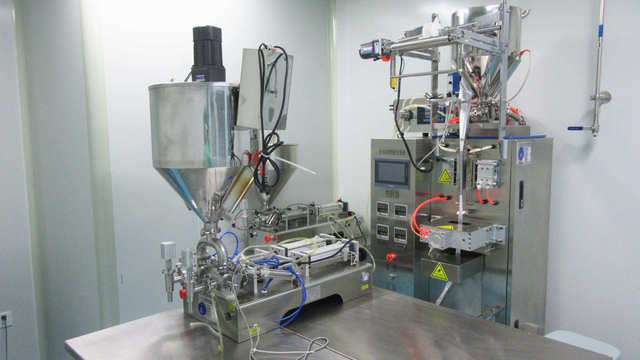
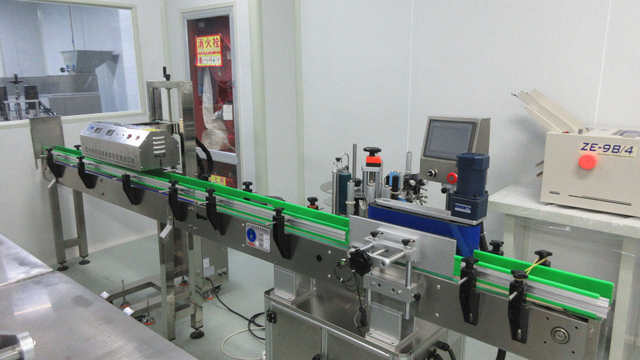
A look inside our advanced manufacturing, quality control, and R&D facilities at Hangzhou Fderla Biology Co., Ltd.
 Fderla Biology