Premium grade bioactive peptides, plant-based complexes, and animal-derived proteins engineered for advanced cosmetic formulation, moisturization, and dermal cellular repair.
A comprehensive examination of global procurement requirements, biological pathways, and supply chain strategies in the active beauty ingredient space.
The multinational cosmetics industry is experiencing a profound transition from synthetic polymers to bio-identical, highly biodegradable active ingredients. Hydrolyzed proteins represent the vanguard of this shift. R&D departments globally prioritize specific molecular weight cuts (typically between 500 Da and 3000 Da) to resolve dermal barrier issues, control trans-epidermal water loss (TEWL), and enhance local cellular communication. China’s manufacturing base has adapted rapidly, offering precise bio-enzymatic cleavage methodologies that yield high stability in diverse formulation parameters.
Cosmetic efficacy is governed by molecular structure. Hydrolyzed marine collagen peptides, plant-derived wheat oligopeptides, and brown rice protein hydrolysates serve discrete biological functions. While larger protein fractions (above 5000 Da) form a resilient, protective, and breathable film on the skin's surface, smaller oligopeptides (below 1000 Da) exhibit significant trans-follicular and trans-epidermal penetration. This dual-action capability makes hydrolyzed protein an indispensable constituent in modern anti-aging, moisturizing, and barrier-repair formulations.
Unlike archaic acid or alkaline hydrolysis procedures—which strip amino acids of their functional side-chains and generate high mineral ash content—Chinese export factories employ advanced targeted enzymatic hydrolysis. By leveraging specific endopeptidases and exopeptidases, manufacturers precisely control the degree of hydrolysis (DH). This modern technological architecture ensures that active functional profiles (such as rich cysteine contents in wheat peptides or hydroxyproline in marine collagen) are preserved, offering superior biological activity.
Hangzhou Fderla Biology Co., Ltd. is a professional hydrolyzed protein manufacturer and bioactive peptide supplier based in Hangzhou, China. The company focuses on the research, development, production, and global export of high-quality protein hydrolysates for food, cosmetic, and nutritional applications.
With advanced biotechnology processes and strict quality control systems, Fderla Biology produces a wide range of hydrolyzed protein ingredients, including plant-based, animal-based, and marine-derived protein peptides. These materials are widely used in functional foods, dietary supplements, skincare formulations, hair care products, and sports nutrition solutions.
The company integrates modern enzymatic hydrolysis technology with scientific formulation expertise to ensure high bioavailability, easy absorption, and stable performance of its protein products. Each batch is carefully tested to meet international standards for purity, safety, and effectiveness. Hangzhou Fderla Biology Co., Ltd. supports OEM and customized solutions for global clients, including ingredient formulation optimization, technical support, and bulk supply services. With a strong focus on innovation and sustainable biotechnology, the company continuously develops new functional peptide solutions for emerging market needs. By combining scientific research, production excellence, and global service capability, Fderla Biology has become a trusted partner in the hydrolyzed protein and bioactive peptide industry, delivering reliable and high-performance ingredient solutions worldwide.
Analytical breakdown of source materials, amino acid configurations, and physiological benefits of hydrolyzed cosmetic proteins.
| Protein Source | INCI Nomenclature | Predominant Molecular Weight (Da) | Key Amino Acid Profile | Primary Cosmetic Efficacy |
|---|---|---|---|---|
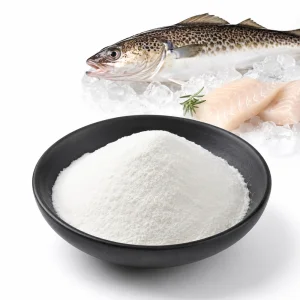
| Deep Sea Cod Scale | Hydrolyzed Collagen | 800 - 1500 Da | Glycine, Proline, Hydroxyproline | Stimulates Type I collagen synthesis, replenishes ECM density. |
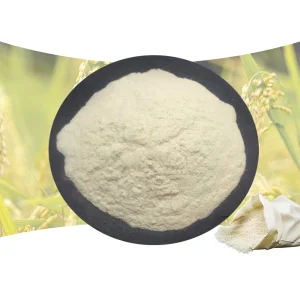
| Organic Brown Rice | Hydrolyzed Rice Protein | 1000 - 2000 Da | Glutamic Acid, Aspartic Acid, Arginine | Hypoallergenic hydration, skin lightening, tyrosinase inhibition. |
| Natural Wheat Gluten | Hydrolyzed Wheat Protein | 1500 - 3000 Da | Glutamine, Proline, Cystine | Hair shaft repair, tensile strength enhancement, protective film-forming. |
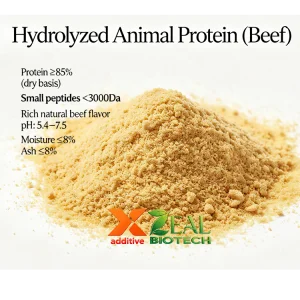
| Bovine Dermis | Hydrolyzed Collagen (Bovine) | 1000 - 2500 Da | Glycine, Proline, Alanine | Moisturization, elastase inhibition, cosmetic matrix restructuring. |
| Bovine / Plant Milk | Hydrolyzed Milk Protein | 1200 - 2800 Da | Leucine, Lysine, Glutamic Acid | Soothing irritated skin, anti-inflammatory support, sebum regulation. |
Peptides with masses < 1000 Da efficiently cross the stratum corneum barrier intercellularly, accessing the viable epidermis to trigger cell signaling, downregulate metalloproteinases (MMPs), and upregulate fibronectin production.
High molecular weight fractions (> 2500 Da) display excellent substantivity on keratinous substrates (hair and skin). They form a cohesive, semi-permeable viscoelastic film that prevents desiccation without causing pore occlusion.
In cleansing formulations, hydrolyzed proteins bind to anionic surfactants (e.g., Sodium Lauryl Sulfate), mitigating their irritation potential and preventing the denaturation of native epidermal proteins.
Analyzing macroeconomic challenges, localization demands, and regulatory adaptation in cosmetic-grade active ingredient supply chains.
Global beauty brands face complex, localized marketing landscapes. Manufacturers like Fderla Biology resolve this by offering customizable degree of hydrolysis (DH) profiles, low minimum order quantities (MOQs) for pilot batches, and OEM private label options designed to reduce initial market risks.
With international safety frameworks like MoCRA in the USA and REACH in Europe tightening restrictions, Chinese factories implement strict ICP-MS analytical testing. They ensure Lead (Pb) < 10ppm, Arsenic (As) < 2ppm, and complete absence of pathogenic microbes.
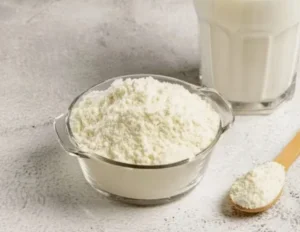
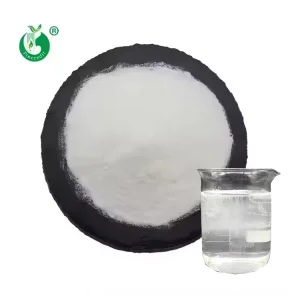
One historical bottleneck of marine collagen and animal hydrolysates is their native odor and yellowish tint. Advanced decolorization via activated carbon filtration and dynamic deodorization technologies produce a clear, odorless liquid or white powder that integrates seamlessly without disrupting color or fragrance systems.
Consumers demand environmental accountability. Utilizing upcycled agricultural side-streams (e.g., cod scales or rice bran) for peptide extraction aligns modern formulations with circular economy expectations, qualifying for ECOCERT and COSMOS standard matrices.
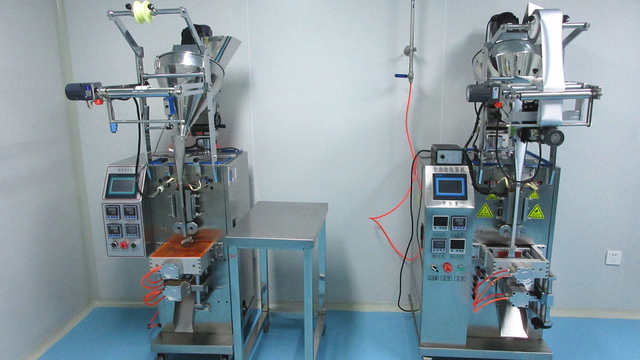
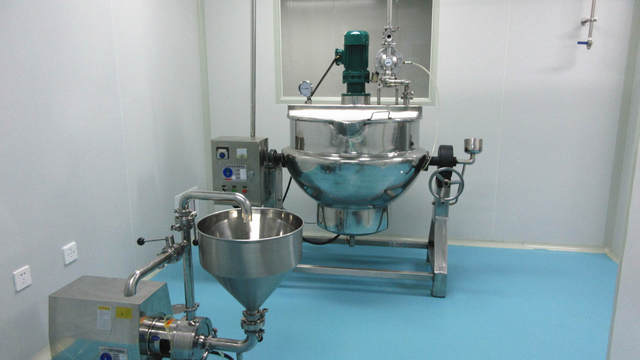
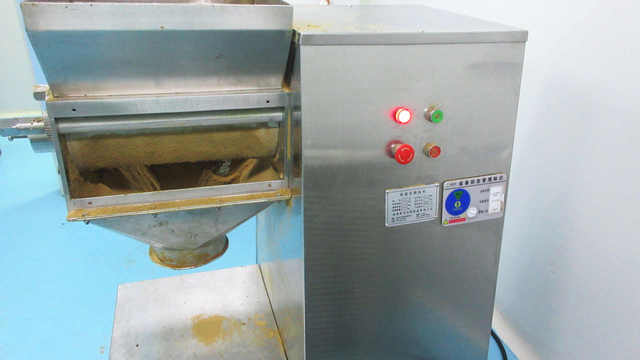
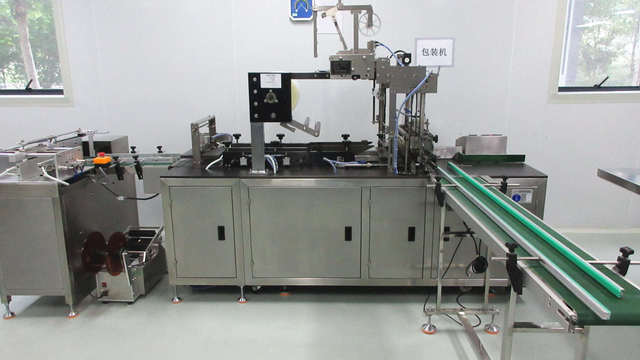
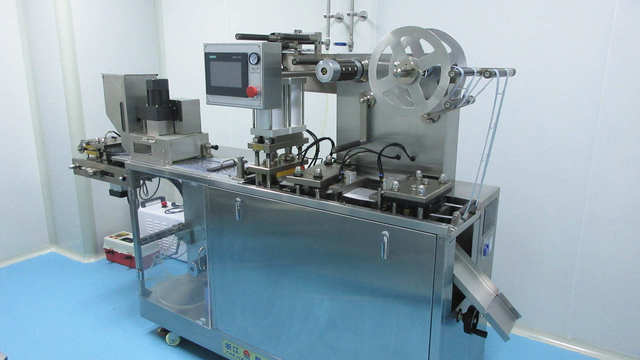
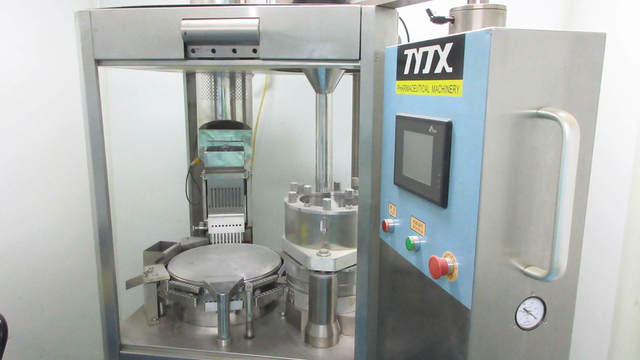
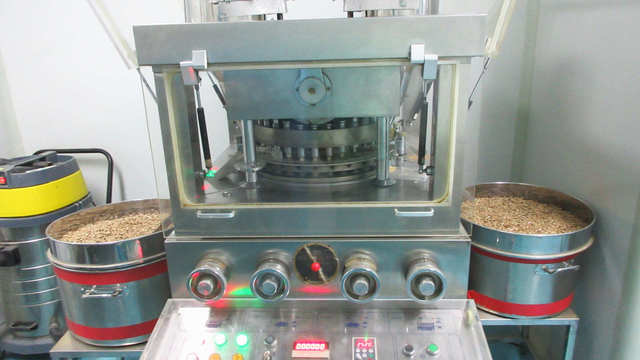
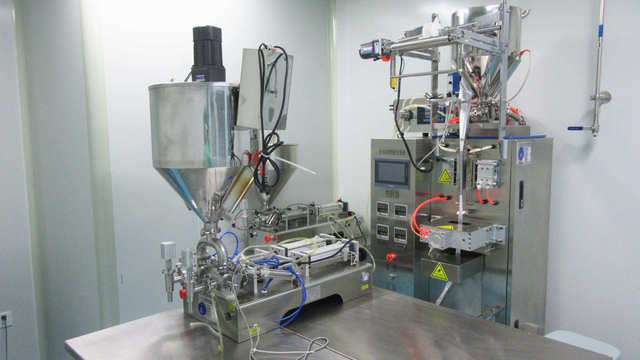
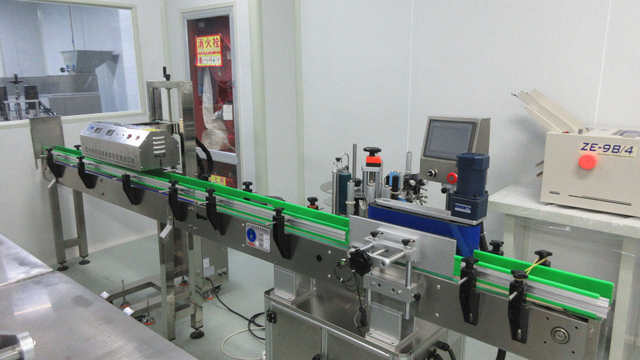
A visual insight into our state-of-the-art biological extraction units, analytical laboratories, and climate-controlled storage facilities.

Scientific and logistical clarifications addressing the critical procurement concerns of global buyers, formulation scientists, and regulatory affairs directors.
Cosmetic-grade hydrolyzed proteins undergo rigorous secondary purification, decolorization, and deodorization steps to ensure they do not alter the organoleptic properties (color and scent) of high-end skincare emulsions. Furthermore, the molecular weight limits are precisely targeted (typically <2000 Da) to optimize skin absorption and hair fiber substantivity, and microbiological limits are far more stringent than standard food regulations.
Peptides under 500 Da can cross the stratum corneum through intracellular path channels, working as cellular signal transmitters. Peptides ranging from 500 to 2500 Da bind effectively to surface keratin structures, preventing moisture loss via film formation and correcting minor defects in the skin's moisture barrier. Fractions above 3000 Da are primarily used for structural reinforcement in hair styling or wash-off formulations.
Yes. Because of our gentle enzymatic hydrolysis process, the resulting peptides exhibit excellent stability and compatibility across a wide pH spectrum (pH 4.0 - 8.0). They do not precipitate in the presence of anionic surfactants (like SLES) or cationic conditioners. In fact, they help mitigate the potential scalp irritation associated with strong surfactants.
Absolutely. We offer a comprehensive suite of plant-based peptides, including hydrolyzed organic brown rice protein, wheat peptides, and pea protein hydrolysates. These plant alternatives are highly sought after for vegan-labeled formulations, clean beauty campaigns, and ECOCERT/COSMOS certified organic cosmetics.
We supply full regulatory documentation packages to facilitate smooth customs clearance and local compliance registration (including US MoCRA, EU REACH, and China NMPA raw material dossiers). Each shipment is accompanied by a Certificate of Analysis (COA), Safety Data Sheets (SDS), heavy metal test profiles via ICP-MS, and GMO-free declarations.
Our dry spray-dried hydrolyzed protein powders carry a standard shelf life of 24 months from the manufacturing date, provided they are stored in a cool, dry place within sealed original containers. We recommend storing them at temperatures below 25°C and relative humidity levels below 60% to prevent moisture absorption or clumping.
Explore our specialized wholesale collagen matrices, wheat peptides, and highly bioavailable sports nutrition raw materials.
 Fderla Biology