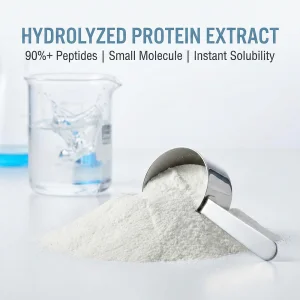
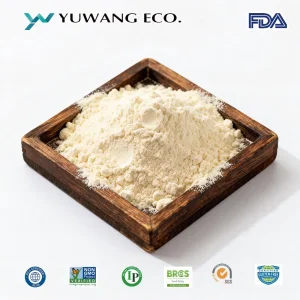
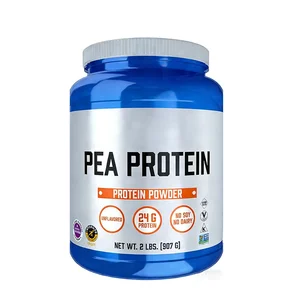
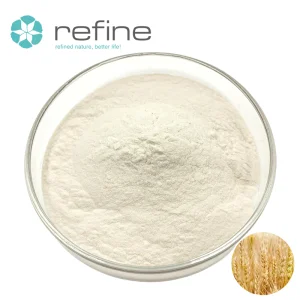
Advanced protein derivatives designed for high functional performance in food, cosmetics, and wellness formulations.
An Industrial Leader in Precision Hydrolyzed Proteins and Plant-Based Peptide Synthesis
Hangzhou Fderla Biology Co., Ltd. is a professional hydrolyzed protein manufacturer and bioactive peptide supplier based in Hangzhou, China. The company focuses on the research, development, production, and global export of high-quality protein hydrolysates for food, cosmetic, and nutritional applications. With advanced biotechnology processes and strict quality control systems, Fderla Biology produces a wide range of hydrolyzed protein ingredients, including plant-based, animal-based, and marine-derived protein peptides. These materials are widely used in functional foods, dietary supplements, skincare formulations, hair care products, and sports nutrition solutions.
The company integrates modern enzymatic hydrolysis technology with scientific formulation expertise to ensure high bioavailability, easy absorption, and stable performance of its protein products. Each batch is carefully tested to meet international standards for purity, safety, and effectiveness. Hangzhou Fderla Biology Co., Ltd. supports OEM and customized solutions for global clients, including ingredient formulation optimization, technical support, and bulk supply services. By combining scientific research, production excellence, and global service capability, Fderla Biology has become a trusted partner in the hydrolyzed protein and bioactive peptide industry, delivering reliable and high-performance ingredient solutions worldwide.
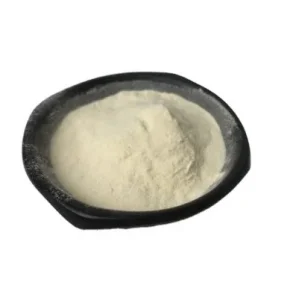
Hydrolyzed Wheat Gluten (HWG) is an amphiphilic protein derivative obtained by the controlled, state-of-the-art enzymatic hydrolysis of vital wheat gluten. Vital wheat gluten, in its native state, is highly hydrophobic, insoluble in water, and exhibits high viscoelasticity due to its complex polymeric structure composed of gliadin and glutenin subunits linked by inter- and intra-chain disulfide bonds.
At Hangzhou Fderla Biology Co., Ltd., we break down these structural barriers through targeted enzymatic reactions. Our bioprocess engineers use highly specific endoproteases and exoproteases to systematically cleave peptide bonds at designated amino acid sequences. This process decreases molecular weight, exposes hidden hydrophilic groups, and increases the Nitrogen Solubility Index (NSI) to almost 100%.
"By controlling the Degree of Hydrolysis (DH) and maintaining strict temperature, pH, and enzyme-to-substrate ratios, we tailor the molecular weight distribution to target specific biological and physical properties, such as advanced water binding, oil emulsification, and cellular compatibility."
The resulting product is highly rich in glutamic acid (often exceeding 35% of the total amino acid profile), which plays a key role in gut health, tissue repair, and nitrogen transport within biological systems. Furthermore, our cosmetic-grade variants (such as CAS 70084-87-6) are developed to optimize hair keratin affinity, providing protective coating and restructuring capabilities that are essential in premium personal care products.
Modern B2B procurement is undergoing a major shift. Purchasing managers in Europe, North America, and the Asia-Pacific region are no longer just looking at low cost. The focus has shifted towards supply chain transparency, quality certifications, regulatory compliance, and functional performance.
As plant-based diets, vegan cosmetics, and sustainable agriculture continue to grow, Hydrolyzed Wheat Gluten has emerged as a key alternative to animal-derived proteins like gelatin, bovine collagen, and milk proteins. In the food sector, clean-label demands require manufacturers to replace synthetic binders and chemical emulsifiers with plant-derived proteins. In the cosmetics sector, the demand for vegan alternatives to animal keratin has driven the adoption of plant protein peptides.
Furthermore, B2B buyers must navigate complex international regulatory frameworks. To export to the European Economic Area (EEA), having a CE certified production pathway is essential. CE certification serves as a validation that our production processes meet EU safety, health, and environmental protection standards. It ensures that the raw materials are fully compliant with EU regulations (EC No 1907/2006 - REACH, and Food Safety Regulation EC No 178/2002), reducing regulatory risks for global importers.
The versatility of Hangzhou Fderla Biology's Hydrolyzed Wheat Gluten allows it to serve as a high-performance solution across multiple manufacturing sectors:
Improves moisture retention and viscoelasticity in baked goods. Acts as an excellent natural binder, texture enhancer, and nutrition fortifier in meat alternatives and vegan products.
With an average molecular weight under 2000 Daltons, our cosmetic-grade wheat peptide penetrates the hair shaft, repairs structural damage, and forms a protective, nourishing layer on the skin.
Provides highly digestible nitrogen sources for young animals. Improves gut health and enhances growth rates in piglets and aquaculture species due to high concentration of L-glutamine.
Vegetarian & Vegan Food Systems: In plant-based meats, creating a fibrous structure that mimics animal muscle is a major challenge. HWG acts as a co-texturizer alongside soy and pea protein isolates. It interacts with other proteins during extrusion, helping to form a cohesive, chewable network that retains moisture and fats during cooking. This improves the overall eating experience of meat-free products.
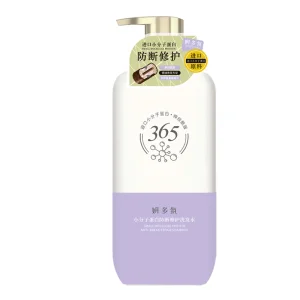
Cosmeceutical Skin and Hair Restoration: In hair care, hydrolyzed wheat gluten peptides bind to the negative charges on damaged hair cuticles. This reduces hair porosity, increases tensile strength, and protects hair from styling stresses. In skincare, its film-forming properties help retain moisture, leaving the skin feeling smooth and soft.
Hangzhou Fderla Biology Co., Ltd. is committed to continuous innovation. We invest in research and development to improve our manufacturing processes and product performance:
Utilizing specialized multi-enzyme setups to precisely break down proteins. This allows us to achieve targeted peptide lengths and consistent molecular weight distributions.
Using cross-flow membrane systems to remove unhydrolyzed proteins, ash, and large molecules. This step guarantees high solubility, clarity, and purity.
Developing specialized methods to reduce potential wheat allergens, meeting the growing demand for safe, plant-based products.
We understand the complexities of importing raw materials. To ensure smooth customs clearance and regulatory approval, Fderla Biology provides comprehensive documentation and certifications for all shipments:
Expert answers regarding applications, processing, and sourcing of Hydrolyzed Wheat Gluten.
High-quality plant, animal, and yeast-derived protein solutions tailored for global markets.
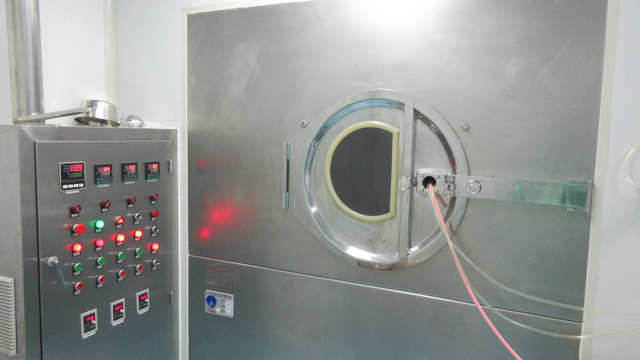
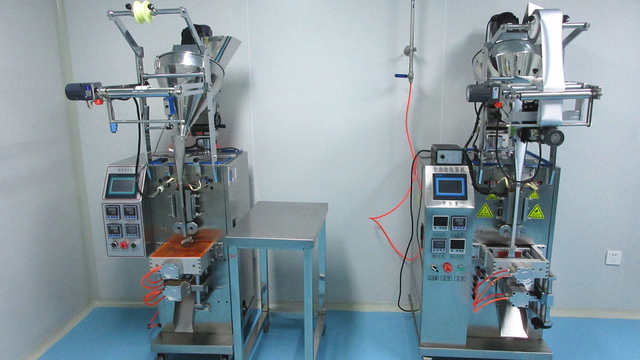
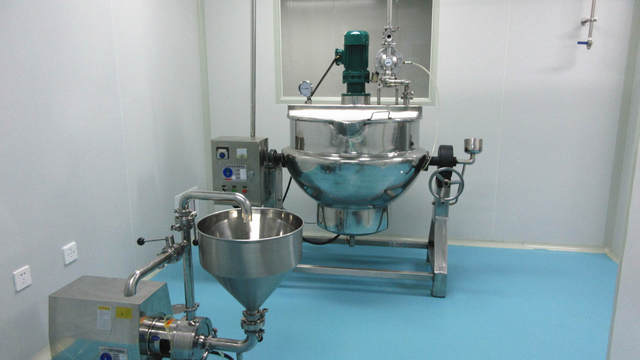
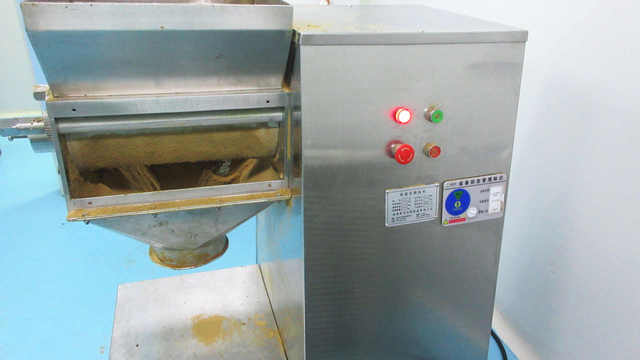
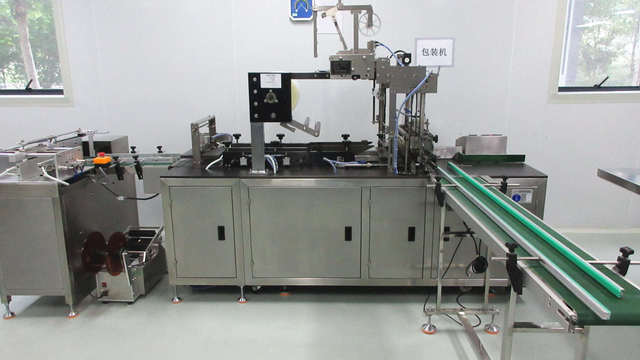
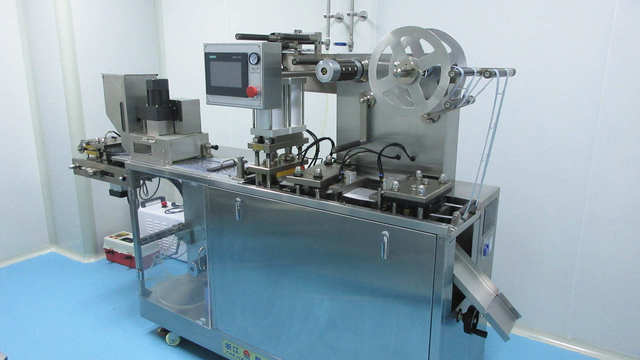
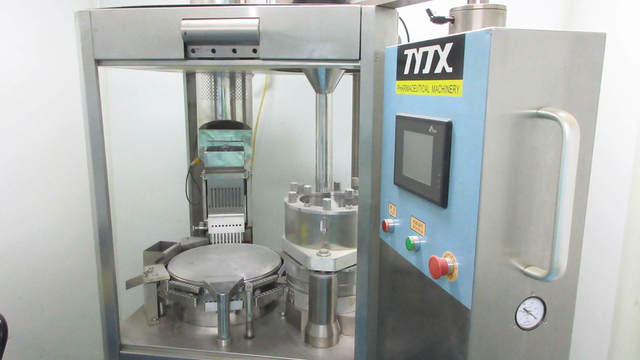
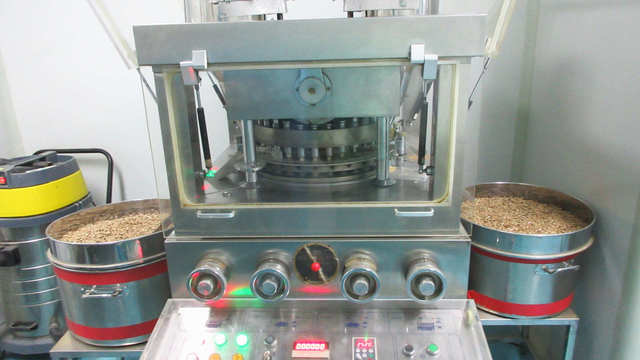
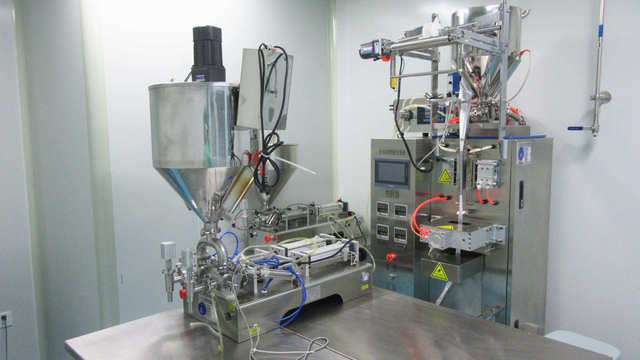
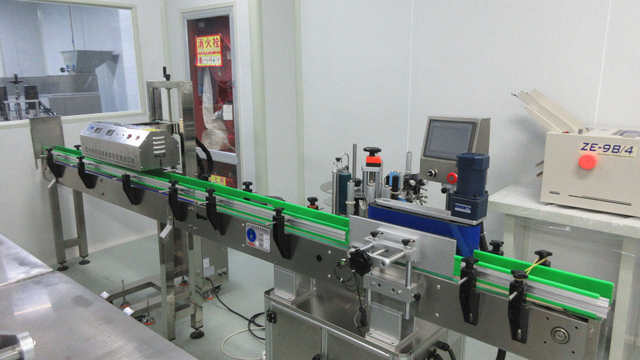
Take an inside look at our state-of-the-art facilities, R&D laboratories, and quality verification environments.
 Fderla Biology