Premium grade, low molecular weight bioactive peptides engineered for high solubility, thermal stability, and maximum physiological absorption.
Mexico City (CDMX) and its surrounding metropolitan area represent one of Latin America's largest hubs for food processing, pharmaceutical compounding, and personal care manufacturing. Driven by rising consumer awareness regarding preventative health, joint care, and the Mexican government's stringent labeling regulations (NOM-051 front-of-pack warning signs), local manufacturers are rapidly reformulating their products. Low molecular weight hydrolyzed proteins—highly prized for their clarity in liquids, low viscosity, and lack of allergen triggers—have become indispensable raw materials.
In the industrial zones of Vallejo, Lerma, and the broader Valley of Mexico, food scientists are facing unprecedented formulation challenges. Traditional intact proteins introduce issues such as precipitation in low pH beverages, sandy mouthfeel, and rapid staling in protein bars. Hydrolyzed proteins with molecular weights below 2,000 Daltons resolve these hurdles. These short-chain bioactive peptides remain completely soluble across the entire pH spectrum, do not aggregate under high thermal processing (such as UHT pasteurization), and exhibit rapid absorption rates due to specialized transporters in the human gut (PepT1).
Furthermore, the cosmetics and personal care sector in Mexico City, championed by major national brands and multinational contract packagers (maquiladoras), is experiencing a surge in demand for hydrolyzed collagen, silk peptides, and plant-based protein isolates. These ingredients are incorporated into topical anti-aging formulations and high-end hair repairs, where molecular size determines the product's ability to penetrate the stratum corneum or hair cuticle.
Intact Protein (>30,000 Da): High viscosity, cloudy suspension, susceptible to heat precipitation, requires extensive digestion, potentially allergenic.
Standard Hydrolysate (5,000 - 10,000 Da): Moderate solubility, contains bitter tasting hydrophobic peptides, limited skin penetration.
Low Molecular Weight Peptide (<2,000 Da): High solubility, neutral organoleptic profile, heat stable, zero sedimentation, hypoallergenic, immediate bioavailability, and clinical-grade skin/hair cell affinity.
On the global stage, the functional ingredient sector is transitioning from bulk protein supplementation to targeted peptide therapy. As a prominent developer based in Hangzhou, China, Hangzhou Fderla Biology Co., Ltd. stands at the forefront of this shift. We combine advanced enzymatic engineering with industrial-scale membrane filtration to deliver precise peptide profiles that meet the strict requirements of international markets.
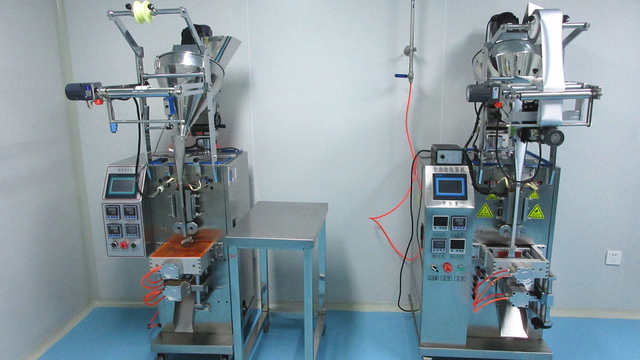
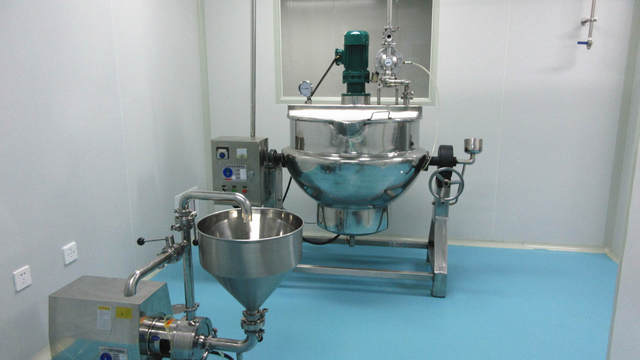
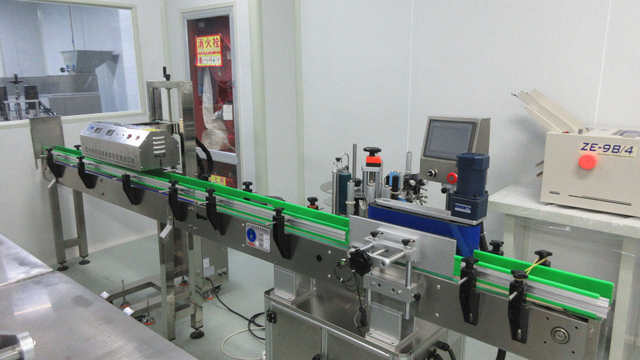
Our strategic manufacturing base in China utilizes state-of-the-art multi-stage enzymatic hydrolysis reactors. This allows us to target specific peptide bonds, resulting in highly consistent batch-to-batch molecular weight distribution profiles. For the Mexican market, this translates to reliable structural performance, consistent taste parameters, and stable shelf-life behavior.
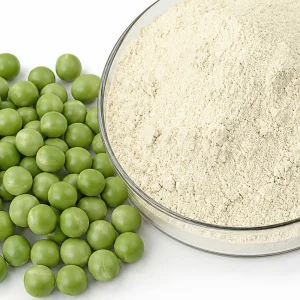
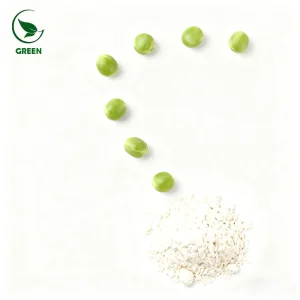
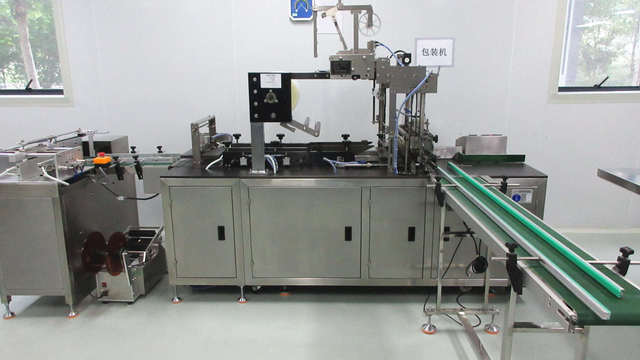
Procuring raw materials from Hangzhou Fderla Biology Co., Ltd. offers Mexican importers significant economic and technological advantages. China's integrated chemical and biotechnology supply chain ensures a reliable, continuous supply of high-grade raw materials (such as non-GMO pea protein, bovine bone/skin collagen, and silk fibroin). Our automated, large-scale production facilities dramatically reduce manufacturing costs per metric ton compared to Western European or North American producers, without compromising purity or certification standards.
We provide full technical documentation—including High-Performance Liquid Chromatography (HPLC) molecular weight distribution charts, amino acid profiles, heavy metal analysis, and microbiological reports—enabling smooth registration with Mexican health authorities.
How low molecular weight hydrolyzed proteins are driving formulation innovation across CDMX's primary manufacturing sectors.
Traditional proteins coagulate and settle at low pH. Fderla's low molecular weight hydrolyzed pea and whey proteins are 100% soluble and remain completely transparent in acidic beverages (pH 3.0–4.5), making them ideal for protein-enriched waters and sports drinks targeted at fitness clubs in areas like Polanco, Condesa, and Santa Fe.
Mexico City’s premium cosmetics manufacturers rely on our low molecular weight (<500 Da) hydrolyzed silk fibroin and bovine collagen peptides. These short peptide chains penetrate the epidermis, promoting collagen synthesis and moisture retention in dry high-altitude climates.
Under NOM-051, food allergens must be clearly declared. Fderla's plant-based pea protein hydrolysates undergo intensive enzymatic processing to break down allergenic proteins into non-immunogenic peptides, providing a clean-label solution for infant and clinical nutrition in Mexican hospitals.
For biotech laboratories and industrial fermenters in Mexico State, our bacteriological peptone powders offer an exceptional source of nitrogen and free amino acids, accelerating cell growth rates in microbial culture applications.
The global demand for hydrolyzed proteins is shifting toward plant-based alternatives and clean labels. Global procurement departments are prioritizing manufacturers who can guarantee traceability, sustainable sourcing, and consistent chemical properties. Key criteria include:
Hangzhou Fderla Biology Co., Ltd. addresses these global trends by employing advanced membrane filtration, carbon deodorization, and enzymatic tailoring. We support global procurement professionals with flexible shipping terms (FOB, CIF, DDP) and comprehensive technical dossiers.
Exporters of high-purity protein hydrolysates and customized peptides for food, cosmetics, and nutritional applications.
Get answers to common inquiries from technical directors, product developers, and procurement leads in the Mexico City metropolitan area.

 Fderla Biology