Explore our premium select range of low molecular weight hydrolyzed proteins engineered for rapid absorption, biological efficacy, and unmatched functional stability in Central Asian food and cosmetic manufacturing.
Kazakhstan, as the economic engine of Central Asia and a core partner in the Eurasian Economic Union (EAEU), is experiencing an industrial modernization paradigm shift. Historically centered on mineral resources and major grains, the focus of Kazakhstan’s food processing, clinical nutrition, cosmetics, and agricultural industries has moved toward high-value-added biotechnology. The demand for Low Molecular Weight (LMW) Hydrolyzed Proteins is at the center of this transformation.
In major manufacturing hubs such as Almaty, Shymkent, and Astana, food scientists and cosmetic chemists are redefining product formulations to meet the evolving demands of health-conscious urban consumers. The traditional agricultural landscape is rapidly integrating advanced protein isolates and bioactive peptides into specialized dairy enrichment, clinical feeds, sports nutrition, and high-performance livestock feed additives. Low molecular weight peptides (typically classified as molecular chains with a mass profile falling below 3,000 Daltons, and ideally below 1,000 Daltons) offer exceptional characteristics that intact proteins cannot match: superior solubility, hyper-digestibility, hypoallergenic properties, and high thermo-stability.
LMW Peptides cross the intestinal barriers rapidly, utilizing peptide transporters (PepT1) instead of free amino acid transporters, speeding recovery and nutrition delivery.
By cleaving allergenic epitopes via specialized enzymatic hydrolysis, LMW proteins significantly reduce allergic response risks, critical for infant formula.
Free from protein precipitation, heat-induced gelation, and phase separation, even at extreme pH levels and high thermal processing conditions.
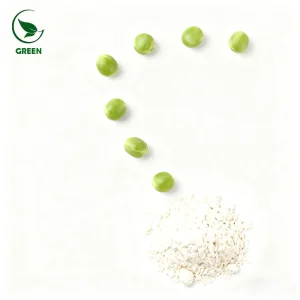
As a country with a predominantly Muslim population, Halal compliance is not merely an optional marketing claim; it is a foundational market access requirement for food ingredients and wellness supplements. The procurement of raw materials, particularly animal-derived collagen peptides (bovine, bone, and gel sources), requires complete verification of slaughtering processes and absolute traceability. Plant-based protein hydrolysates (such as pea and brown rice peptides) serve as an exceptionally reliable alternative, bridging the gap between nutritional density, structural stability, and guaranteed Halal compliance. For procurement officers at Kazakhstan enterprises, securing a consistent supply of Halal-certified and Kosher-certified low molecular weight hydrolysates is crucial to minimizing entry barriers and maximizing market penetration across both domestic and export channels.
Understanding the distinction between traditional protein concentrates and highly refined, low molecular weight bioactive peptides is critical for industrial product formulation. The table below details the performance, bioavailability, and structural parameters of different protein fractions when integrated into commercial production setups.
| Property Parameter | Intact Raw Proteins | Standard Hydrolyzed Proteins | Low Molecular Weight Peptides (<1000 - 3000 Da) |
|---|---|---|---|
| Average Molecular Weight | > 50,000 Daltons | 10,000 – 45,000 Daltons | < 1,000 – 3,000 Daltons |
| Intestinal Transit & Absorption | Slow, requires complex enzymatic breakdown in the stomach and duodenum. | Moderate absorption rate; requires brush border enzyme digestion. | Ultra-rapid absorption via PepT1 transporters. Minimal digestion needed. |
| Cold Water Solubility | Poor; forms suspensions or precipitates easily. | Moderate; improves with stirring but prone to cloudiness. | Instantaneous solubility, clear visual profile, zero sediment formation. |
| Immunogenicity | High allergenicity risk (specifically dairy, wheat, soy). | Moderate allergenicity reduction. | Extremely low immunogenicity; hypoallergenic. |
| Application in Liquids | Viscous, prone to phase separation. | Moderate viscosity control. | Zero viscosity impact. Ideal for RTD beverages. |
At Hangzhou Fderla Biology Co., Ltd., our manufacturing setup utilizes double enzymatic cleavage systems. Raw protein inputs (such as pea isolates or collagen-rich animal matrices) undergo tight pre-treatment sterilization before entering computerized bioreactors. Here, specific enzymes (endopeptidases and exopeptidases) cleave peptide chains at target amino acid linkages. This tailored cleavage maximizes the release of bioactive sequences, such as G-P-O sequences in bovine collagen or specific antioxidant sequences in pea protein, while preventing the formation of hydrophobic bitter-tasting peptides. The resulting solution is refined through ultrafiltration (UF) and nanofiltration (NF) membrane systems, ensuring that only target molecular weights (<1,000 Da or <3,000 Da depending on product specification) move forward to vacuum concentration and spray drying.
B2B procurement professionals sourcing hydrolyzed proteins in Kazakhstan face unique supply chain, quality assurance, and regulatory hurdles. Navigating these challenges requires partnerships with manufacturers that possess robust international logistics infrastructure and comprehensive compliance documentation.
Hangzhou Fderla Biology Co., Ltd. is a professional hydrolyzed protein manufacturer and bioactive peptide supplier based in Hangzhou, China. The company focuses on the research, development, production, and global export of high-quality protein hydrolysates for food, cosmetic, and nutritional applications.
With advanced biotechnology processes and strict quality control systems, Fderla Biology produces a wide range of hydrolyzed protein ingredients, including plant-based, animal-based, and marine-derived protein peptides. These materials are widely used in functional foods, dietary supplements, skincare formulations, hair care products, and sports nutrition solutions.
The company integrates modern enzymatic hydrolysis technology with scientific formulation expertise to ensure high bioavailability, easy absorption, and stable performance of its protein products. Each batch is carefully tested to meet international standards for purity, safety, and effectiveness.
Hangzhou Fderla Biology Co., Ltd. supports OEM and customized solutions for global clients, including ingredient formulation optimization, technical support, and bulk supply services. With a strong focus on innovation and sustainable biotechnology, the company continuously develops new functional peptide solutions for emerging market needs.
By combining scientific research, production excellence, and global service capability, Fderla Biology has become a trusted partner in the hydrolyzed protein and bioactive peptide industry, delivering reliable and high-performance ingredient solutions worldwide.
Expert answers addressing regulatory compliance, technical processing details, and application formulation queries for procurement and R&D departments in Kazakhstan and Central Asia.
We employ a multi-stage monitoring process. During enzymatic digestion, the degree of hydrolysis (DH) is evaluated in real-time. Once the target DH is achieved, the reaction is terminated using heat inactivation. The liquid hydrolysate is then passed through membrane filtration systems, retaining larger protein fractions while allowing only targeted low molecular weight peptides to pass. We verify every batch via Size Exclusion Chromatography (SEC-HPLC) and provide the test profiles within our Certificate of Analysis (COA).
As Kazakhstan is an EAEU member state, imports must comply with the customs union's technical regulations. For food-grade protein hydrolysates and collagen peptides, you will need a Declaration of Conformity (EAC mark) certifying compliance with TR TS 021/2011 (Food Safety) and TR TS 029/2012 (Food Additives). For specialized products like infant formulas or clinical nutrition ingredients, a State Registration Certificate (SGR) is required. Fderla Biology supports clients by providing all necessary allergen declarations, heavy metal analysis, GMO-free statements, and production flow charts for registration.
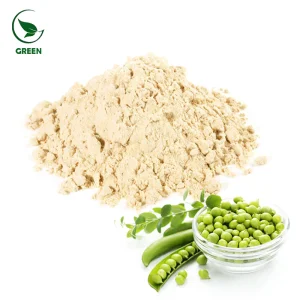
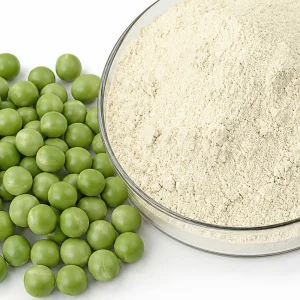
Intact plant proteins, like pea or rice, often have lower solubility limits and can exhibit chalky textures in liquid systems. However, once hydrolyzed into low molecular weight peptides (MW < 2,000 Da), their solubility profile improves significantly, matching or exceeding that of animal collagens. Plant-based peptides remain fully soluble across a wide pH range (2.0 to 9.0) and do not precipitate or gel when subjected to UHT processing, making them suitable for clear beverages, functional protein shakes, and liquid supplements.
Yes. We understand that Halal compliance is critical for the Kazakhstan and broader Central Asian markets. Our bovine-derived collagen peptides are sourced from Halal-compliant raw materials and are processed under strict sanitary controls. Halal certificates issued by recognized certification bodies are available for all animal-origin shipments upon request.
For bulk shipments, we utilize overland rail transport from China directly to Almaty, Astana, or Shymkent. The transit time from our facility to major cargo terminals in Kazakhstan ranges between 14 to 21 days after customs clearance at the border. We manage all export documentation and work with established logistics partners to ensure a smooth import process.
Yes. Fderla Biology offers robust OEM and customization options. Our R&D team can adjust enzymatic profiles to achieve specific molecular weights (e.g., <500 Da for premium cosmetic formulations, <1,000 Da for clinical diets, or <3,000 Da for standard sports nutrition). We can also customize protein concentrations, bulk densities, and blend formulas to match your specific production requirements.
In cosmetic applications (such as anti-aging serums, hair care treatments, and skin barrier creams), low molecular weight peptides like hydrolyzed silk or hydrolyzed bovine collagen offer distinct functional advantages. Their small size allows them to penetrate the stratum corneum or hair shaft more effectively than large protein complexes. They also exhibit high hygroscopicity, helping to retain moisture and improve skin elasticity, and are compatible with various emulsifiers and surfactant bases.
Our plant-based products, such as our organic hydrolyzed pea and rice peptides, are processed on dedicated, allergen-controlled lines. We run PCR screening tests to verify the absence of cross-contaminants like gluten, soy, or dairy. Additionally, our high degree of enzymatic hydrolysis reduces the structural integrity of allergenic proteins, lowering the risk of immunological reactions in final consumer products.
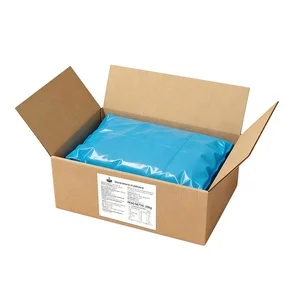
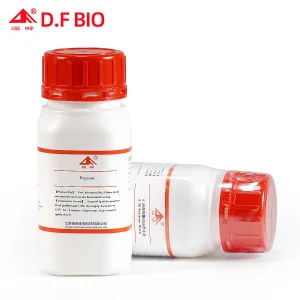
A comprehensive inventory of our advanced plant and animal protein hydrolysates. Designed to meet EAEU manufacturing standards, import regulations, and Halal traceability requirements.
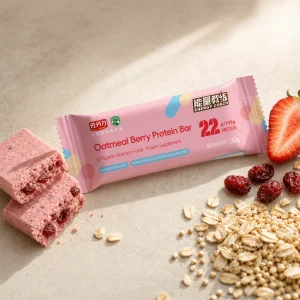
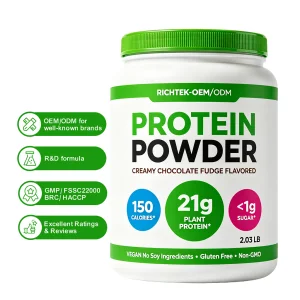
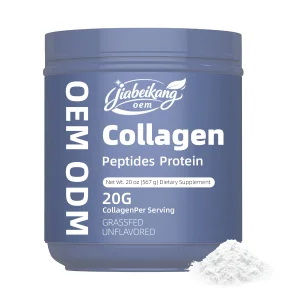
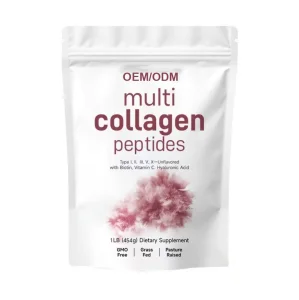
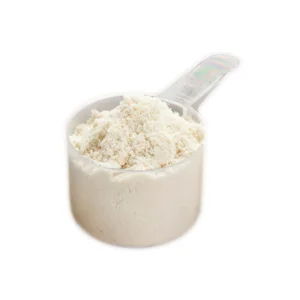
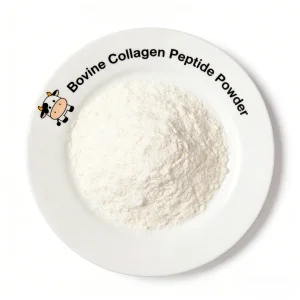
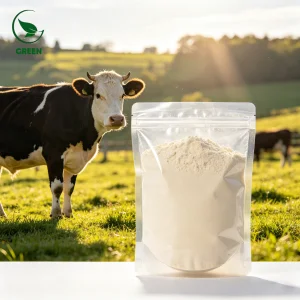
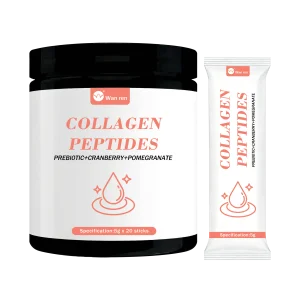
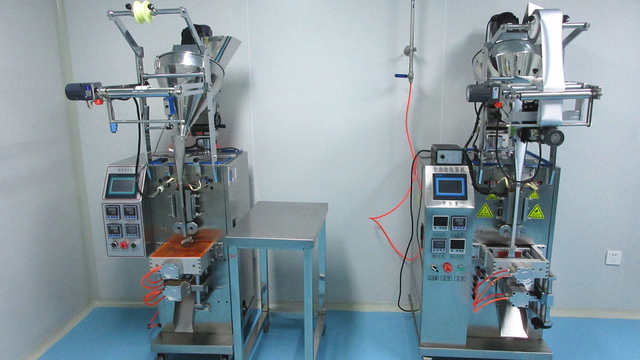
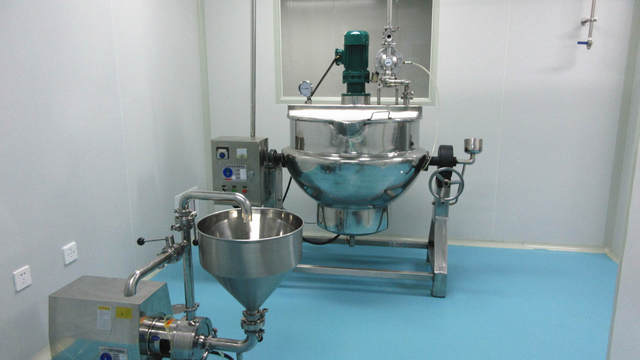
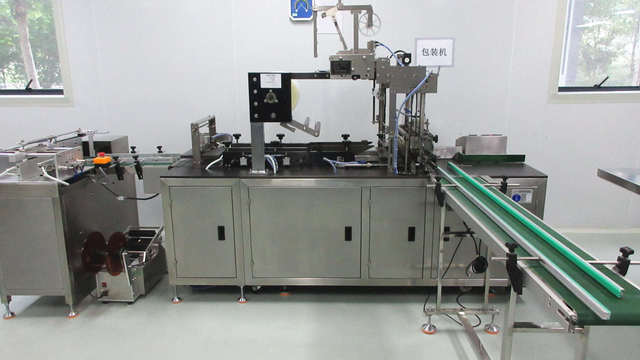
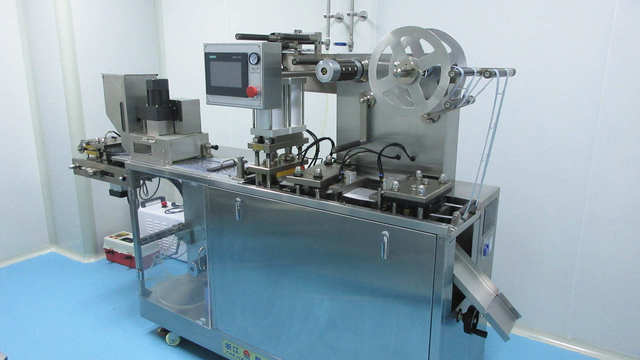
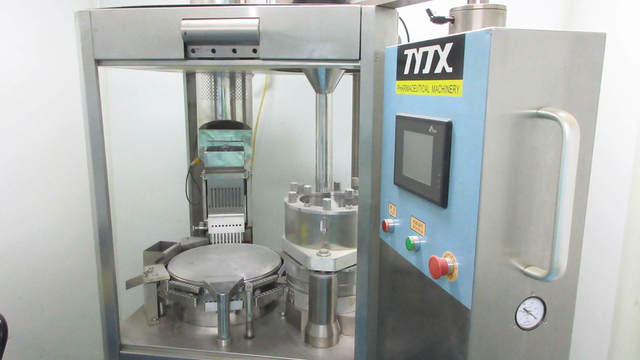
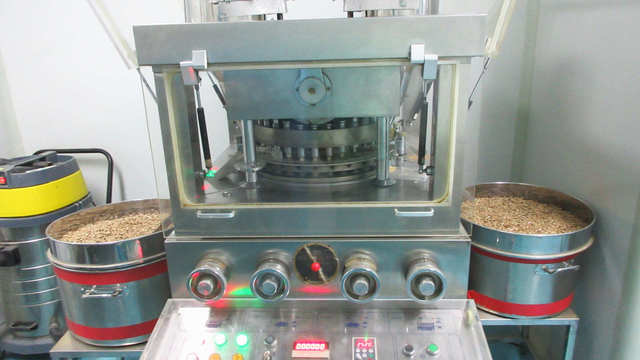
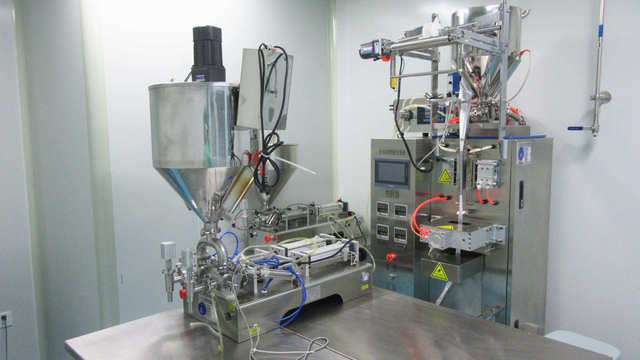
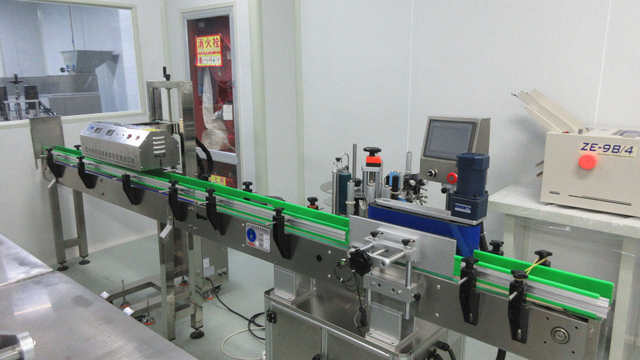
A visual showcase of our processing cleanrooms, spray dryers, and advanced packaging lines that support our global exports to Central Asia and Europe.
 Fderla Biology