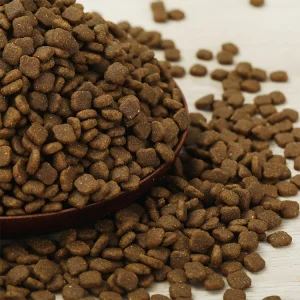
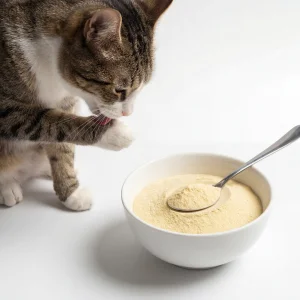
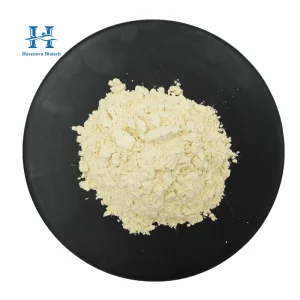
Highly digestible, bio-available protein sources tailored for premium cat and dog foods, specialized veterinary diets, and local animal feed compounding.
How enzymatic hydrolysis resolves digestion and allergy challenges in modern pet formulation.
In the global pet nutrition space, the shift from raw proteins to hydrolyzed macromolecules is driven by a deep understanding of digestive physiology and immunology. In canine and feline nutrition, dietary hypersensitivities and gastrointestinal distress often stem from the body's immune reaction to complex proteins (e.g., large intact chicken, beef, or gluten chains). The molecular weight of standard proteins typically exceeds 15,000 to 20,000 Daltons (Da), making them easily identifiable by pet immunoglobulin E (IgE) antibodies, which trigger allergic symptoms ranging from severe itching to colitis.
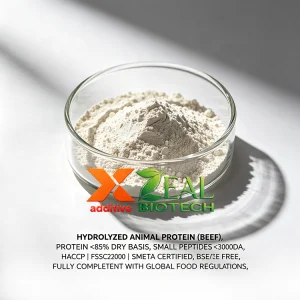
Enzymatic hydrolysis is a biotechnological process that uses controlled enzymes (proteases) under targeted temperature and pH conditions to break down protein peptide bonds. This cleaves large protein macromolecules into small-molecular-weight peptides and free amino acids—most falling below 3,000 Da, and ideally under 1,000 Da. At this microscopic scale, the pet's immune system cannot recognize the antigen structure, allowing for optimal protein absorption without triggering immunological defenses. Consequently, hydrolyzed proteins form the backbone of modern veterinary diets, elimination trials, and hypoallergenic premium pet foods.
Peptides cut to under 1,000 - 3,000 Daltons bypass immune detection, preventing gastrointestinal and dermatological allergic flareups in dogs and cats.
Shorter peptide chains require minimal enzymatic degradation in the pet's gut, ensuring fast transport across intestinal cell walls for immediate metabolic repair.
Hydrolysis naturally releases savory free glutamates, boosting pet food palatability organically without relying on synthetic coatings or high sodium additions.
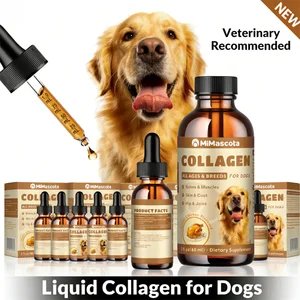
Beyond simple muscle recovery, bioactive peptides serve as signaling molecules inside the animal. They support immunomodulation, support cardiovascular health by reducing oxidative stress, and aid joint tissue regeneration (particularly via hydrolyzed type-II collagen). For manufacturers in developing pet care markets like Kenya, deploying these scientific ingredients allows local feed brands to compete with high-priced imported premium dry kibbles and functional dietary treats.
The convergence of rapid urbanization, rising disposable income, and modern veterinary practices in East Africa.
The East African pet food market, centered around urban centers like Nairobi, Mombasa, and Kisumu, is transitioning from a traditional table-scraps paradigm to structured commercial pet diets. Increased security needs, coupled with rising middle-class urban populations, have expanded pet ownership (specifically guard dogs and indoor companion cats). Consequently, pet health awareness has reached historic highs, with pet owners proactively seeking premium options for preventative pet healthcare.
However, East African pet nutrition producers struggle with key supply challenges:
Implementing hydrolyzed proteins in Kenyan pet formulas directly solves these issues. It enables pet food companies in Kenya to manufacture high-performance kibble using local grain starches balanced with imported, ultra-consistent protein concentrates. Because hydrolyzed peptides function at low inclusion rates with high efficacy, production costs remain stable while significantly boosting the nutritional profile on product labeling.
Digestibility Index
Peptide Size Profile
Global Export Ports
Quality Certified
Fderla Biology's industrial-grade production pipeline ensuring consistency, purity, and functional peptide yield.
Non-GMO yeast, trace-tested bovine/poultry, or plant-based proteins are audited for absolute safety parameters.
Specific endo- and exo-proteases cleave peptide chains at exact temperature coordinates to control molecular weight.
Ultra-filtration systems isolate targeted active small molecules (<3,000 Daltons) while eliminating unhydrolyzed proteins.
Advanced spray drying locks in nutritional values, ensuring rapid solubility and excellent shelf life.
Leveraging Hangzhou Fderla Biology's industrial capacity, efficient logistics, and raw material access.
For pet food manufacturers in Kenya and the broader East African region, partnering with a Chinese supplier offers crucial supply chain advantages:
China operates the world's most integrated biotechnology extraction clusters. Hangzhou Fderla Biology Co., Ltd. uses state-of-the-art multi-stage enzymatic reactors, automated membrane separation facilities, and low-heat vacuum dryers. This automated setup reduces manual labor and energy consumption per ton of production, translating directly into highly competitive wholesale pricing for global buyers without sacrificing biological activity.
With strict governmental environmental regulations and food safety standards, raw materials undergo dual testing processes at source and pre-production stages. Our laboratories perform heavy metal screening, pathogen checks, and mycotoxin quantification. We utilize premium, clean-source protein bases (ranging from GMO-free corn to veterinary-grade bovine collagen sources), allowing us to issue clear, reliable Certificates of Analysis (COAs) for every batch sent to Mombasa Port.
Located near Hangzhou, Fderla Biology enjoys direct access to key shipping hubs like Ningbo and Shanghai ports. Direct shipping lanes run from East China to Mombasa Port, ensuring predictable shipping lead times. We specialize in bulk packaging (25kg dry bags up to large ton bags) utilizing specialized humidity-proof barrier liners to protect active peptide structures throughout the equatorial voyage.
Seamless customs clearing, regulatory documentation, and localized formulation services.
Importing animal protein ingredients into Kenya requires strict adherence to state regulatory standards. Fderla Biology supports East African clients through comprehensive regulatory compliance assistance:
This localized support ensures hassle-free clearing, prevents costly port delays, and helps pet food manufacturers maintain consistent production schedules all year round.
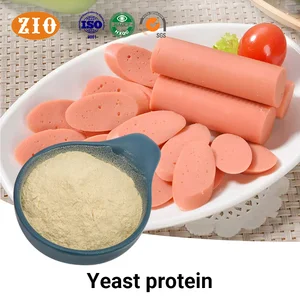
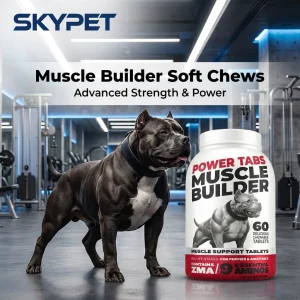
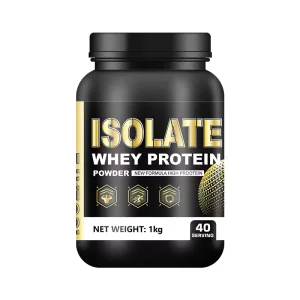
Explore our diverse catalog of animal-derived, plant-based, and marine-derived hydrolyzed proteins for functional pet treats, dry kibbles, and liquid supplements.
Additional custom formulations designed for compound feed factories and agricultural applications.
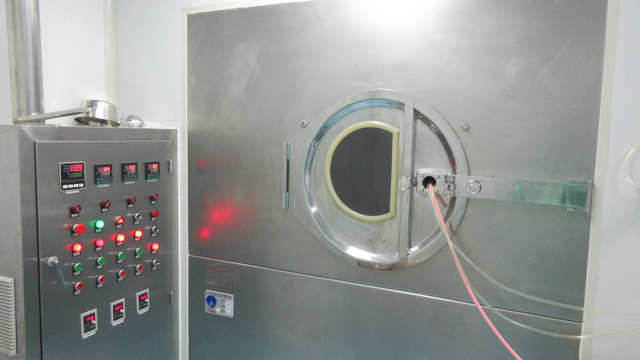
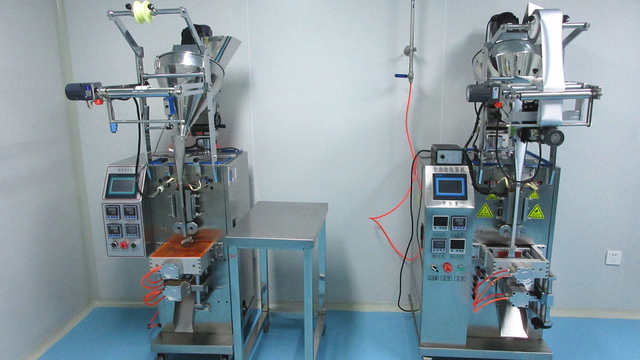
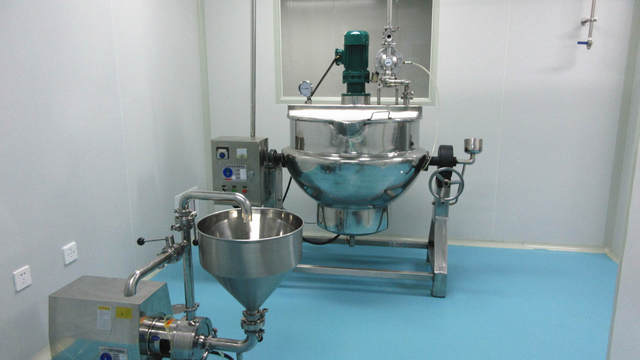
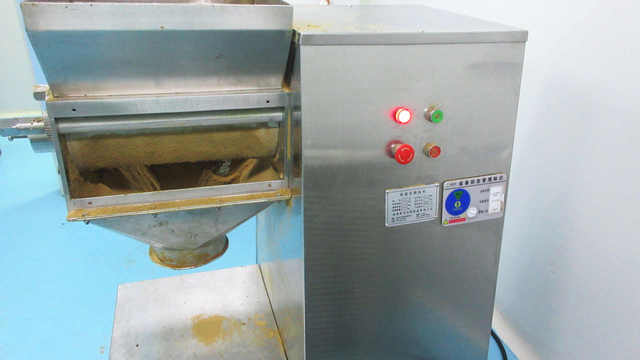
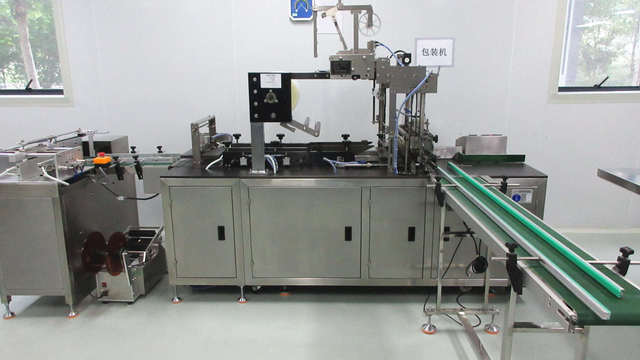
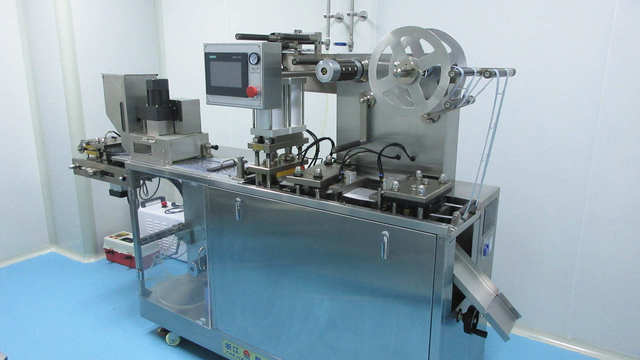
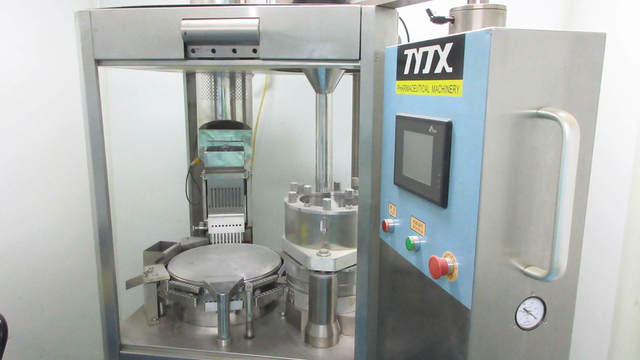
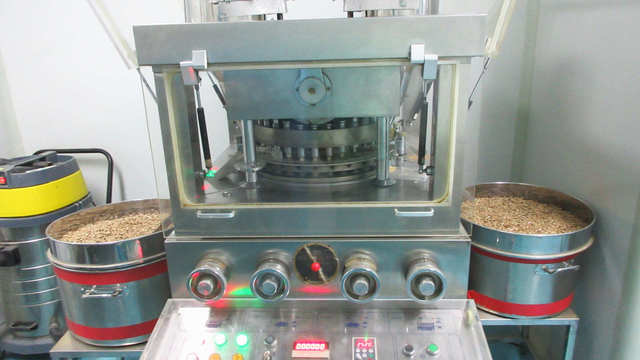
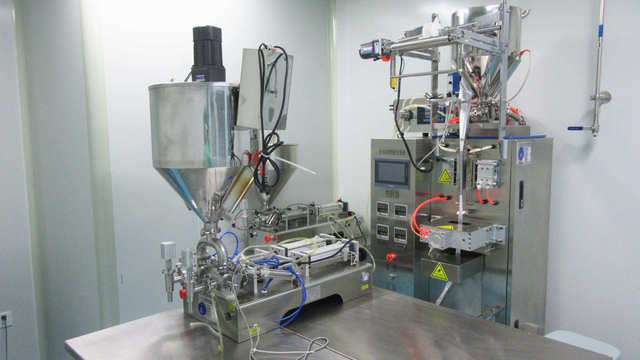
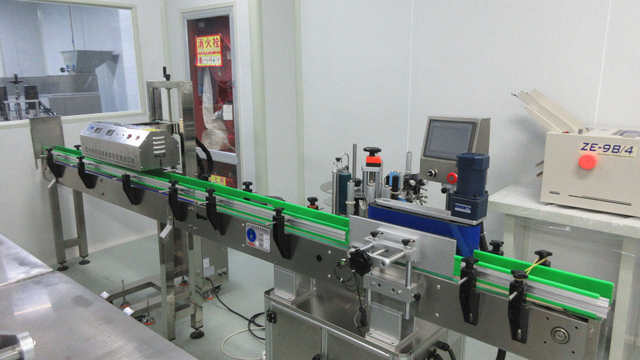
Step inside our high-tech laboratories, modern production facilities, and climate-controlled storage areas.
Technical clarifications on importing, formulating, and processing hydrolyzed protein ingredients for the East African market.
 Fderla Biology