High-purity animal, plant, and marine bioactive peptides for next-generation pet formulations.
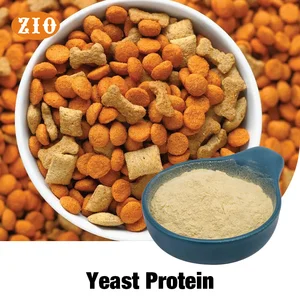


The global pet treat industry is undergoing a structural transition toward premiumization, functional efficiency, and clean-label allergy management. Modern veterinary science demonstrates that conventional protein sources are often recognized by the pet's immune system as allergens, triggering cutaneous and gastrointestinal adverse reactions. Hydrolyzed protein has emerged as the definitive solution to this challenge. By breaking down intact protein polymers into small bioactive molecular peptides (typically under 3,000 Daltons), hydrolyzed protein avoids immunoglobulin recognition, rendering it virtually hypoallergenic.
"By integrating advanced biotechnology processes with rigid quality control, Hangzhou Fderla Biology Co., Ltd. supplies the global pet food sector with premium bioactive peptides, bridging the gap between clinical efficacy and commercial feasibility."
This industry white paper details the technology, manufacturing standards, and customized formulation possibilities offered by China's leading pet ingredient innovators, specifically highlighting how Hangzhou Fderla Biology Co., Ltd. addresses the evolving demands of pet brands, veterinarians, and production engineers worldwide.
The production of premium protein hydrolysates is not merely an extraction process; it is a bio-engineering art. Fderla Biology utilizes a multi-step enzymatic hydrolysis process to control peptide length, flavor profile, and nutritional bio-accessibility.
Utilizing target-specific endopeptidases and exopeptidases to cleave peptide bonds at specific sites, optimizing amino acid sequences.
Membrane filtration separation technology guarantees that over 90% of the peptide population falls strictly within target molecular boundaries.
Preserves thermal-sensitive nutrients, maintaining raw ingredient bioavailability, ensuring consistent solubility and powder flowability.
The future of pet treat manufacturing lies in functional specification. Instead of general hydrolysates, Fderla Biology is mapping out next-generation peptide targets:
Hangzhou Fderla Biology Co., Ltd. is a premier hydrolyzed protein manufacturer and bioactive peptide supplier based in the biotechnology corridor of Hangzhou, China. The enterprise specializes in the research, engineering development, mass production, and global export of high-quality protein hydrolysates designed for premium food, cosmetics, and advanced animal nutritional sectors.
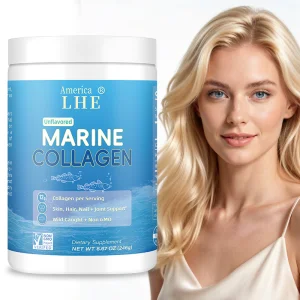
By combining modern enzymatic biotechnology with scientific formulations, Fderla Biology produces a comprehensive matrix of plant-based (pea, rice, wheat), animal-based (whey, milk, keratin), and marine-derived (fish collagen) peptides. The company is committed to supply-chain transparency, ensuring each batch complies with rigorous international regulatory and safety guidelines.
Our advanced production complexes rely on automation to enforce batch-to-batch consistency. Through digital control systems, variables such as temperature, enzymatic reaction duration, pH adjustment levels, and spray-drying pressures are recorded and automated. This level of smart factory integration minimizes human-error variance, ensuring that global pet food formulators receive the identical ingredient quality in every shipping container.
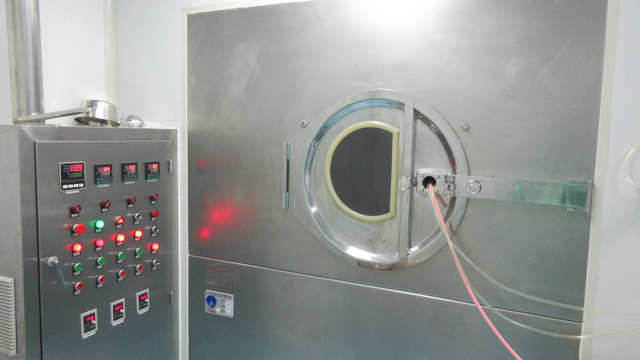
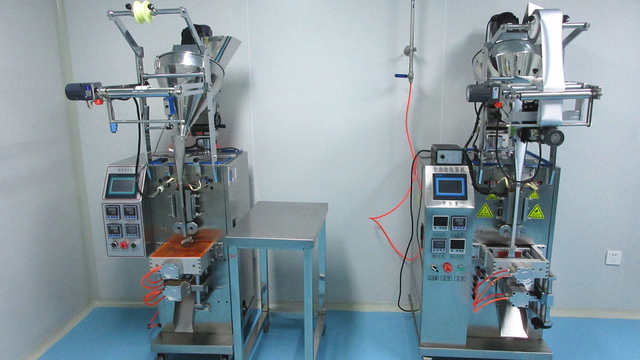
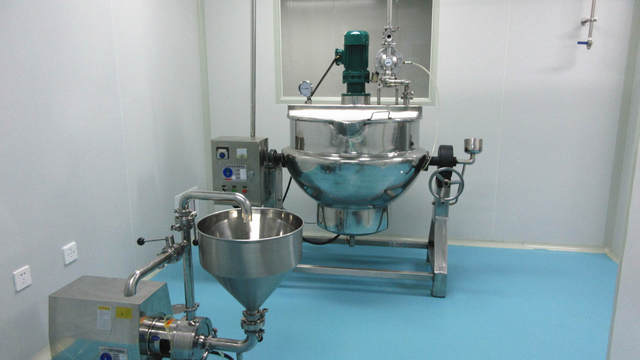
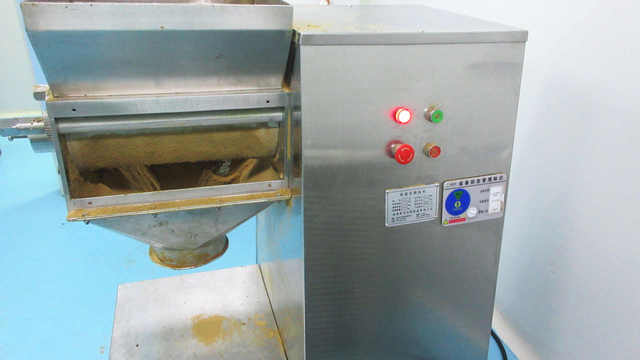
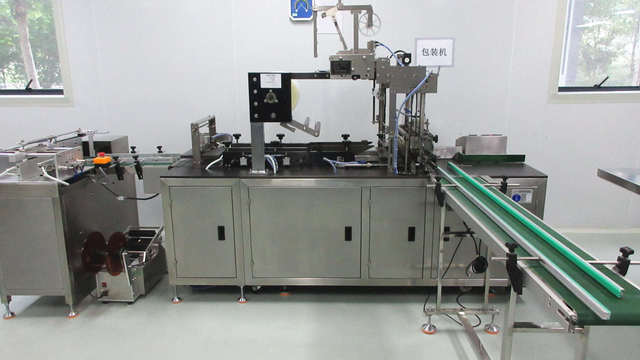
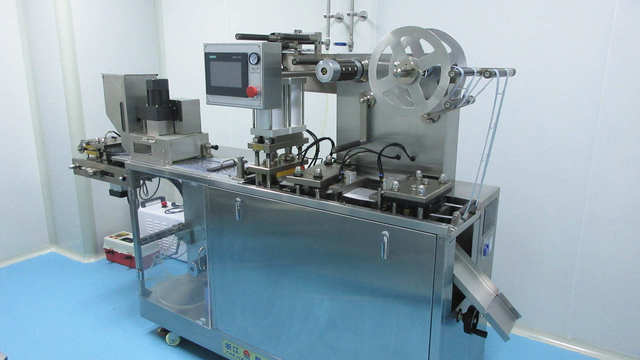
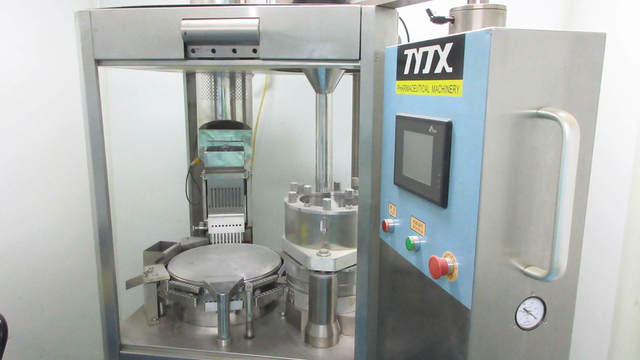
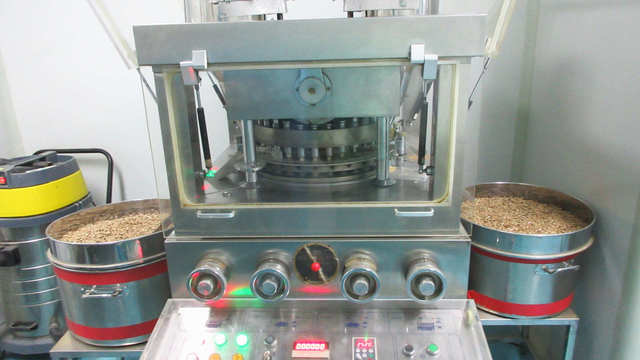
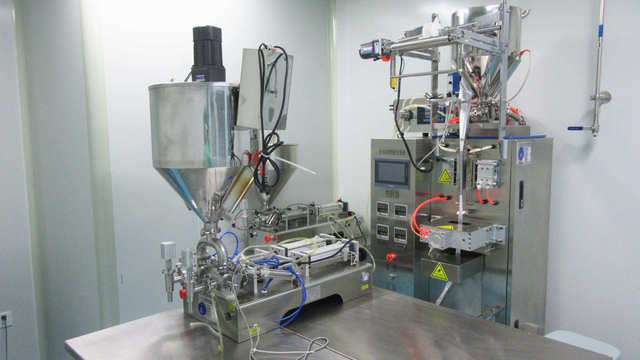
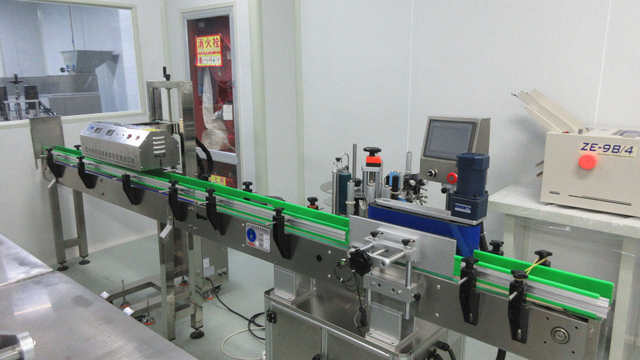
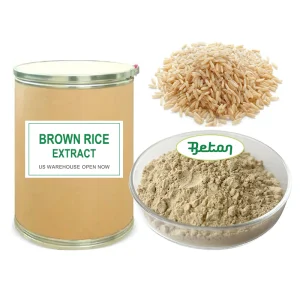
Operating inside China's primary raw agricultural and marine corridors grants Fderla Biology exceptional supply chain stability. We secure fresh botanical sources (such as non-GMO peas and sprouted organic brown rice) and marine ingredients (coastal fish skin extraction) with minimal transport time. This proximity guarantees low primary oxidation, clean sensory traits, and reliable supply, even during global logistics bottlenecks.
Different pet treats require custom structural, functional, and palatability characteristics. Our product ranges address these distinct needs:
Importing raw biological ingredients requires strict compliance to veterinary and sanitary controls. Fderla Biology coordinates and prepares the necessary documentation required by global quarantine services:
| Target Region | Key Regulatory Standards Compliance | Required Certifications Supplied |
|---|---|---|
| North America | FDA Registration, AAFCO Ingredient Definitions | Phytosanitary Certificates, Non-GMO declarations |
| European Union | EC No 1069/2009 & EU No 142/2011 Regulation compliance | TRACES Import Registration, Health Certificates |
| Global Halal Markets | Islamic Dietary Jurisdictions | Halal Certification, Plant-based Purity statements |
When evaluating high-capacity factories in China, technical buyers must look beyond general pricing metrics. Sourcing managers should audit suppliers based on these four parameters:
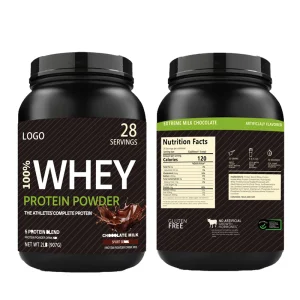
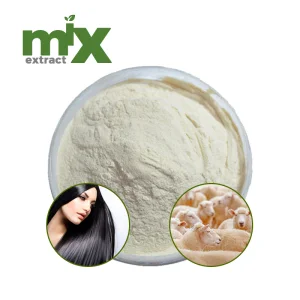
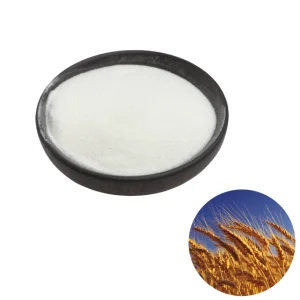
Explore our full line of functional plant, animal, and specialty protein powders.
 Fderla Biology