Explore our leading selection of premium, plant-based, animal-based, and marine-derived hydrolyzed and fermented proteins. Certified for food, pharmaceutical, cosmetic, and nutritional applications.
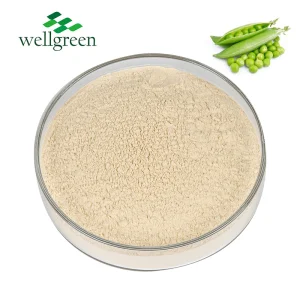
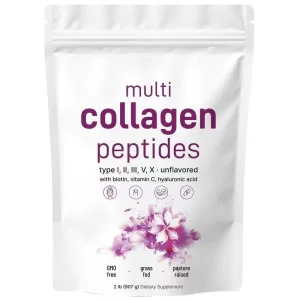
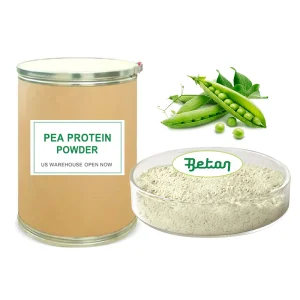
The global functional ingredient market is experiencing a profound paradigm shift. Consumers and manufacturers alike are transitioning from basic macronutrient supplementation to highly specialized, physiologically active compounds. Under this context, **Hydrolyzed and Fermented Proteins** represent the absolute cutting edge of protein bio-design. By utilizing tailored biocatalysis and precision microbial fermentation, these proteins are cleaved into smaller, target-specific peptide sequences. This molecular optimization dramatically enhances metabolic absorption, solubility, stability, and therapeutic functionality.
As a premier manufacturing hub, China has established global leadership in the scalable extraction, engineering, and export of these functional ingredients. This comprehensive technical whitepaper explores the biochemical processes, structural configurations, industrial applications, and compliance parameters that distinguish China’s leading manufacturers on the international stage.
Information Gain Insight: The efficacy of a hydrolyzed protein is governed entirely by its Molecular Weight Distribution (MWD). Conventional proteins require intensive gastric digestion, whereas targeted enzymatically hydrolyzed peptides (typically with an MWD under 2,000 Daltons) bypass the standard cellular barriers to enter systemic circulation directly via PepT1 transporters. This minimizes systemic energy consumption and maximizes nitrogen retention.
Formulators face several persistent challenges when working with standard proteins. These include poor solubility at low pH values, thermal instability during pasteurization, allergenicity (particularly in soy, wheat, and dairy), and organoleptic properties characterized by bitter hydrophobic peptides.
To address these bottlenecks, leading manufacturers employ a combination of advanced enzymatic cleavage patterns and controlled yeast fermentation pathways. Through precise selection of endopeptidases and exopeptidases, manufacturers can selectively eliminate allergenic epitopes and bitter-tasting terminal amino acids, delivering highly soluble, neutral-tasting powders that fit perfectly into premium foods, cosmetics, and clinical dietary matrices.
At the epicenter of China's industrial peptide revolution is Hangzhou Fderla Biology Co., Ltd., a highly specialized hydrolyzed protein manufacturer and bioactive peptide supplier based in the biotechnology corridor of Hangzhou, China. Fderla Biology has structured its operational core around the intensive research, development, production, and global export of premium protein hydrolysates.
By integrating state-of-the-art enzymatic hydrolysis and advanced microbiological fermentation setups, Fderla Biology processes a comprehensive array of plant-based (pea, soy, wheat), animal-based (bovine, poultry), and marine-derived (fish, bonito) protein sources. This multidimensional product scope ensures that international clients can consolidate their procurement needs with a singular, high-capability partner.
Fderla's manufacturing architecture utilizes a digitalized multi-stage filtration and purification system designed to preserve bioactive fractions:
Utilizing high-performance commercial and proprietary enzymes to target specific peptide bonds. This allows precise control over the Degree of Hydrolysis (DH) to deliver exact structural requirements.
Incorporating membrane filtration technologies (Microfiltration, Ultrafiltration, and Nanofiltration) to partition molecules based on molecular weight, separating high-purity peptides from unhydrolyzed fractions.
Employing active carbon adsorption and advanced resin column chromatography to eliminate organic pigments, volatile odors, and lingering bitter compounds while protecting protein integrity.
Through this methodology, Fderla Biology ensures high bioavailability and stable performance in finished products. Every production run undergoes rigorous HPLC (High-Performance Liquid Chromatography) testing to confirm the exact peptide profile and verify that international specifications for heavy metals, microbial loads, and chemical residues are fully met.
Modern sourcing strategies demand high standards of reliability and agility from ingredient suppliers. Hangzhou Fderla Biology Co., Ltd. serves four major industrial sectors, tailoring production outputs to align with specific end-product requirements:
In sports nutrition and clinical recovery, the speed of amino acid release into the bloodstream is vital. Hydrolyzed whey protein isolate and hydrolyzed plant isolates (pea, soy) allow rapid muscle recovery by elevating blood amino acid levels quickly post-ingestion. These powders exhibit low viscosity even at high concentrations, enabling formulators to develop nutrient-dense ready-to-drink (RTD) beverages.
Low-molecular-weight collagen peptides (marine and bovine origins) have become essential components of modern anti-aging skincare products. These peptides serve as functional raw materials that stimulate fibroblasts to synthesize endogenous Type I collagen. Their high moisture-binding capacity also supports natural barrier protection in topical cosmetic formulations.
In baked goods and extruded snacks, hydrolyzed wheat and pea proteins improve water binding capacity, emulsification, and dough elasticity without altering flavor profiles. Using hydrolyzed varieties also helps control the texture of protein bars over time, preventing hardening during storage.
Specialized enzyme-treated fish protein hydrolysates and hydrolyzed yeasts are widely used in early-stage animal feeds and premium aquaculture. The rich amino acid profile and high digestibility support intestinal development, boost immunity, and improve survival rates in young livestock and aquaculture species.
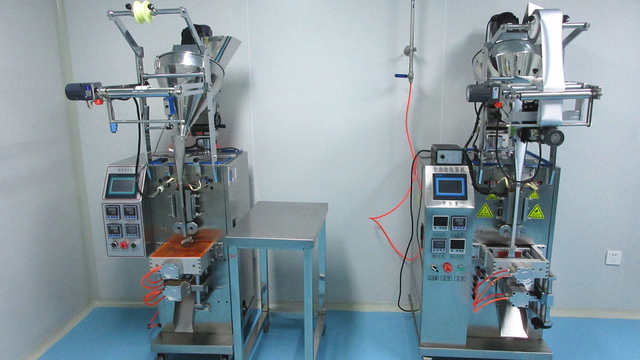
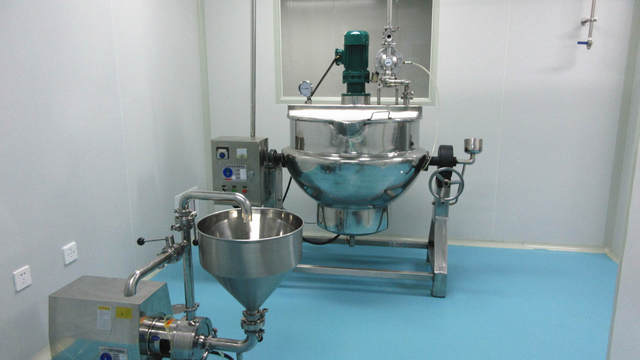
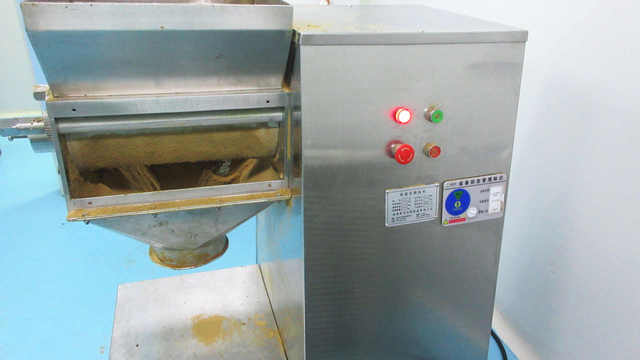
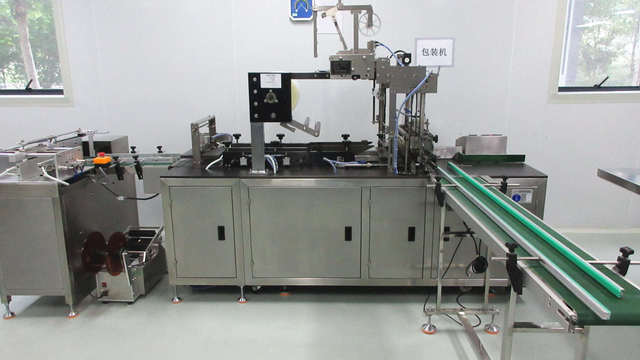
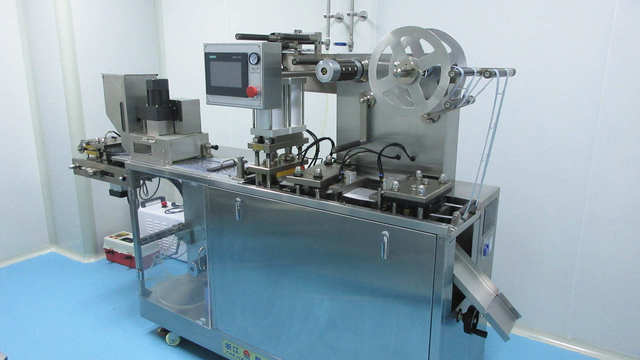
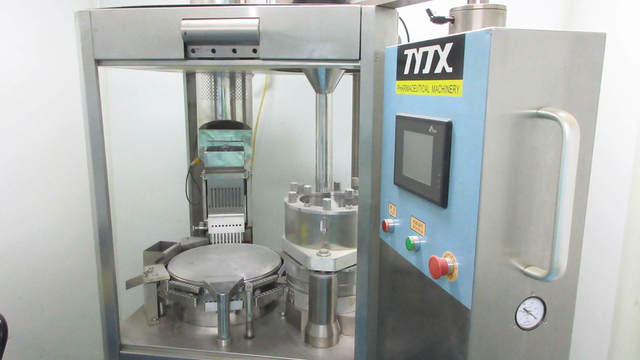
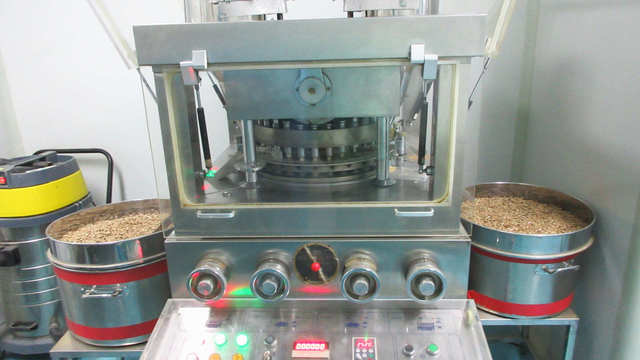
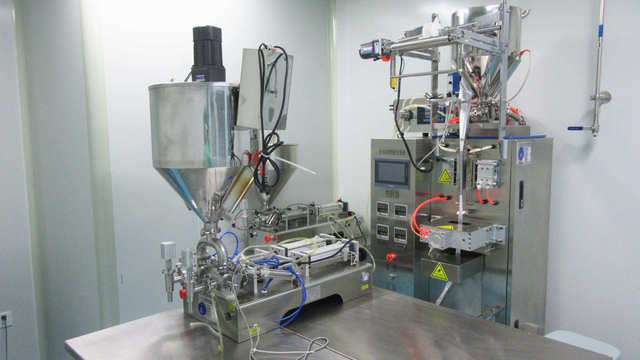
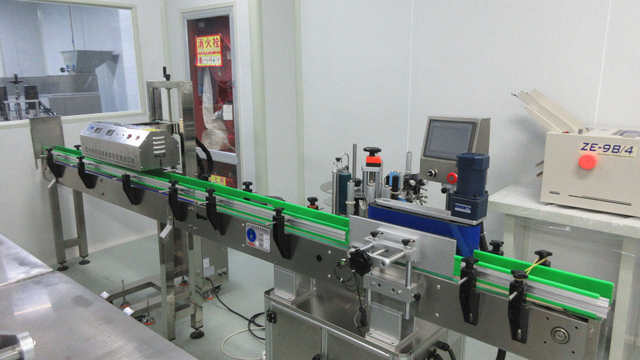
Transparent peek into our state-of-the-art production environments, extraction lines, and R&D quality control center, confirming our status as a reliable global exporter.

Exporting functional protein ingredients globally requires strict adherence to international safety and quality regulations. Fderla Biology maintains comprehensive quality management systems to comply with the differing requirements of various regional markets:
E-E-A-T Assurance: Every delivery is accompanied by a comprehensive Certificate of Analysis (CoA) containing detailed heavy metal metrics (As, Pb, Hg, Cd), microbiological limits (total plate count, yeast, mold, Salmonella, E. Coli), and dry-basis protein content assays.
Providing clear, technical answers to common queries regarding hydrolyzed and fermented proteins.
Premium bovine and marine collagen peptides, alongside animal protein hydrolysates engineered for nutritional supplements and industrial feed applications.

 Fderla Biology