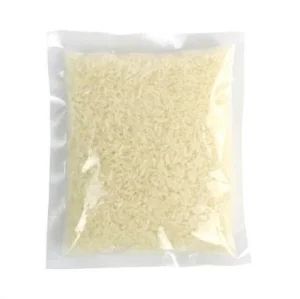
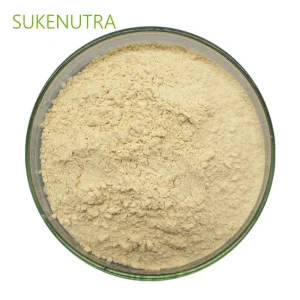
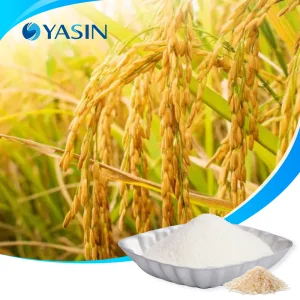
Premium moisturizing ingredients, animal-based collagen peptides, and vegan protein isolates engineered for fast solubility and maximum cellular hydration.
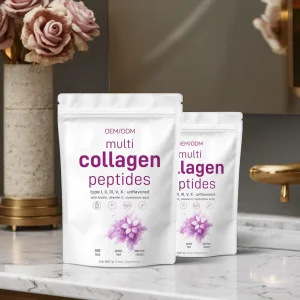
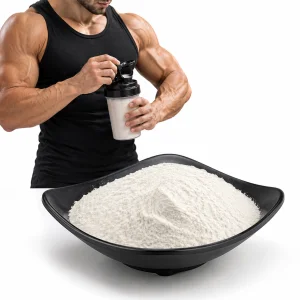
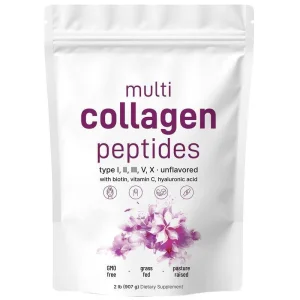
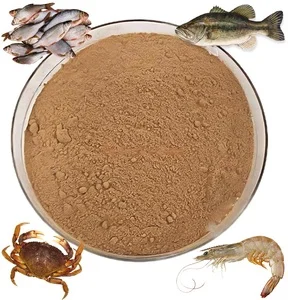
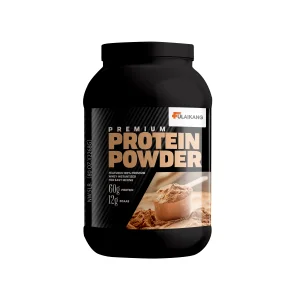
Within the rapidly evolving personal care, functional food, and therapeutic cosmeceutical sectors, hydrolyzed proteins represent a primary innovation vector. By breaking down complex molecular protein structures—sourced from animal collagen, grains, marine life, and legumes—into low-molecular-weight peptides and free amino acids, manufacturers create highly bioavailable structures optimized for tissue moisture retention.
These bio-engineered peptides possess an exceptional affinity for binding water molecules. Through hydrogen bonding, they lock moisture directly into the stratum corneum of human skin or inside the hair shaft structure. This mitigates Transepidermal Water Loss (TEWL) and reinforces the skin barrier.
Globally, cosmetic and dietary supplement developers rely on precision-calibrated enzyme hydrolysis systems to standardize Dalton weights. This ensures consistent efficacy across diverse environments and formulations.
As a specialized bioactive peptide supplier based in Hangzhou, China, Fderla Biology integrates advanced biotechnology, enzyme membrane reactors, and strict quality assurance protocols to supply high-purity protein hydrolysates globally.
A comprehensive examination of processing technologies, global procurement criteria, and regional production advantages.
Hydration is not merely about adding water; it is about retaining it within biological barriers. Proteins in their native states (such as bovine collagen or wheat gluten) are large macromolecules (MW > 100,000 Da) that form protective, film-forming barriers on the skin's surface but cannot penetrate the skin layers. Hydrolyzed proteins, on the other hand, are enzymatically cleaved into bio-active peptides (often ranging from 500 to 3,000 Daltons).
These smaller peptides carry a rich payload of polar amino acids—such as proline, hydroxyproline, glycine, glutamic acid, and aspartic acid. The amine and carboxyl groups on these amino acids function as powerful hydrophilic points. They attract and bind water molecules, reinforcing the skin's Natural Moisturizing Factors (NMF) and repairing damaged cuticles in hair fibers.
Modern cosmetics and functional food brands must balance regulatory restrictions, cost efficiency, consumer dietary preferences, and structural performance. The table below details the performance characteristics of major hydrolyzed protein types:
| Protein Origin | Primary Active Peptides | Avg. Molecular Weight | Key Cosmetic Efficacy | Industrial Applications |
|---|---|---|---|---|
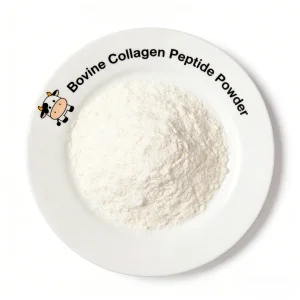
| Bovine Collagen | Proline-Hydroxyproline-Glycine | 1,000 - 3,000 Da | Deep tissue repair, dermal elastic reinforcement, moisturizing film. | Anti-aging serums, body lotions, nutricosmetics. |
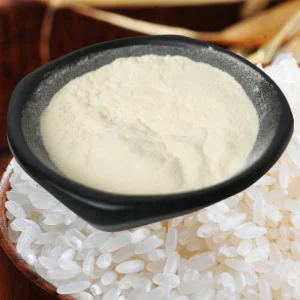
| Rice Protein | Plant Oligopeptides | < 1,500 Da | Excellent hypo-allergenic moisturizing profile, volume enhancement in hair care. | Sensitive skin care, organic cosmetics, clean-label formulas. |
| Wheat Protein | Gluten-derived Peptides | 1,000 - 2,000 Da | Keratin repair, film-forming moisture retention, cuticle sealing. | Professional hair shampoos, conditioners, styling creams. |
| Pea Protein | Legumin-derived Peptides | 800 - 2,500 Da | Amino acid structural mimicry, skin elasticity, sustainable vegan nutrition. | Eco-luxury face moisturizers, sports drinks, dietary supplements. |
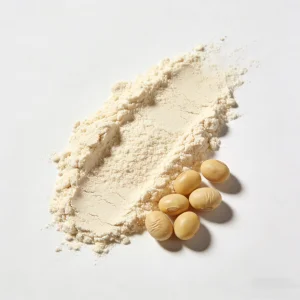
| Soy Protein | Isoflavone-bound bioactive Peptides | 1,000 - 3,000 Da | Stimulates cellular metabolism, increases moisture binding, soothing. | Restorative night creams, post-treatment skin barrier salves. |
The global market for hydrolyzed protein moisturizers is experiencing a major transition. In North America and Europe, clean-label compliance (non-GMO, cruelty-free, bio-fermented) dictates sourcing decisions. Sourcing departments seek suppliers that can provide comprehensive documentation, including Heavy Metal Analysis, Pesticide Residue Certification, Allergen Declarations, and BSE/TSE-free guarantees.
Conversely, in Southeast Asia and Latin America, the focus is on light, high-absorption moisturizing agents designed for hot, humid climates. This shift has driven demand for ultra-low molecular weight plant peptides (like hydrolyzed rice or soy), which offer a clean, non-greasy skin feel and stable performance under high heat and humidity.
China has established itself as the global epicenter for high-quality, high-throughput biochemical extraction. Exporters like Hangzhou Fderla Biology Co., Ltd. leverage a robust infrastructure network that offers several distinct advantages:
How leading brands formulate our hydrolyzed proteins across target sectors.
Providing essential hydration for sensitive skin post-treatment. Excellent compatibility with active ingredients like hyaluronic acid, niacinamide, and retinol.
Hydrolyzed wheat and rice peptides penetrate damaged cuticles to reconstruct protein chains and seal in moisture, shielding hair from thermal damage.
Ingestible beauty solutions formulated with low-molecular-weight collagen peptides and Vitamin C to stimulate endogenous collagen synthesis and lock in hydration from within.
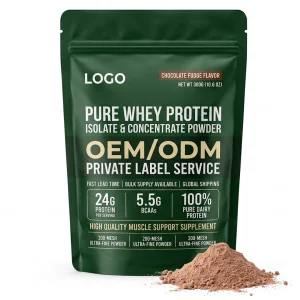
Explore our specialized range of high-solubility, customizable protein hydrolysate powders engineered for international export.
Technical guidance for cosmetic chemists, procurement directors, and supplement formulators.
For topically applied moisturizing cosmetics, the optimal molecular weight is between 1,000 and 3,000 Daltons. Peptides in this range strike the perfect balance: they are small enough to bind moisture within the upper layers of the skin, yet large enough to form a breathable, protective film that prevents transepidermal water loss. For deep target delivery, oligopeptides under 1,000 Daltons are preferred.
Animal-derived collagen is exceptionally rich in glycine, proline, and hydroxyproline, which mimic the structure of the skin's dermal matrix. However, plant-derived proteins, such as hydrolyzed rice or pea protein, are highly effective alternatives. They provide deep hydration without allergen concerns, carry a cleaner consumer image, and meet vegan certification requirements.
Our facility utilizes advanced multi-stage enzymatic digestion paired with charcoal deodorization and micro-filtration. This process removes the bitter compounds and strong cereal odors typical of raw plant proteins. The result is a highly soluble, neutral-smelling powder that will not affect the fragrance or color of your final formulation.
Our spray-dried hydrolyzed powders have a shelf life of 24 months when stored in original, unopened packaging. They should be kept in a cool, dry warehouse environment, away from direct sunlight and humidity. Because hydrolyzed proteins are highly hygroscopic (moisture-attracting), containers must be kept tightly sealed between uses.
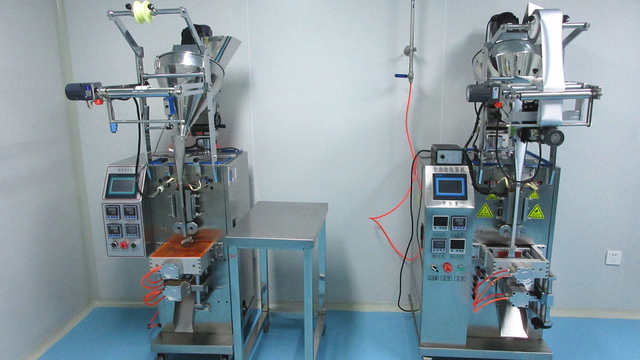
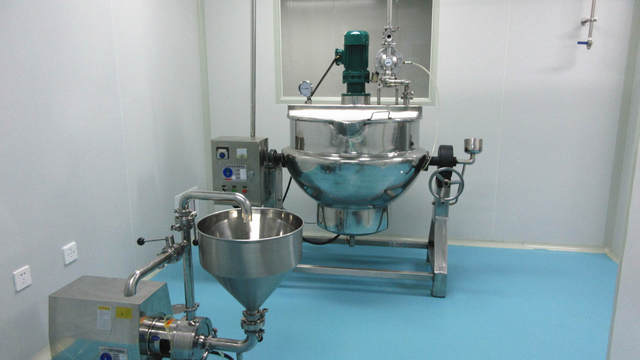
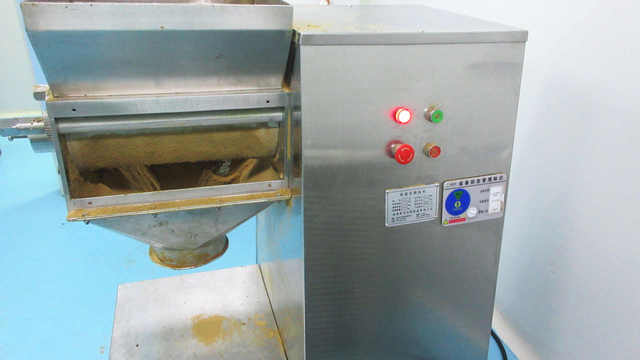
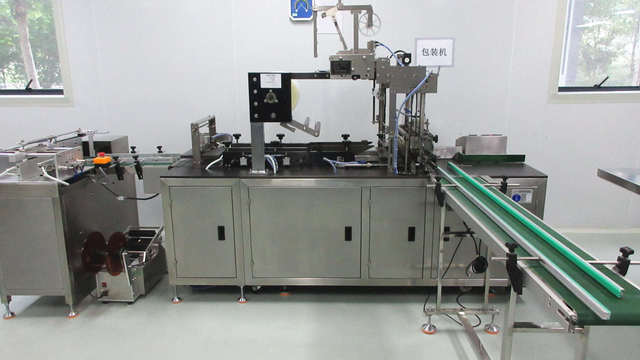
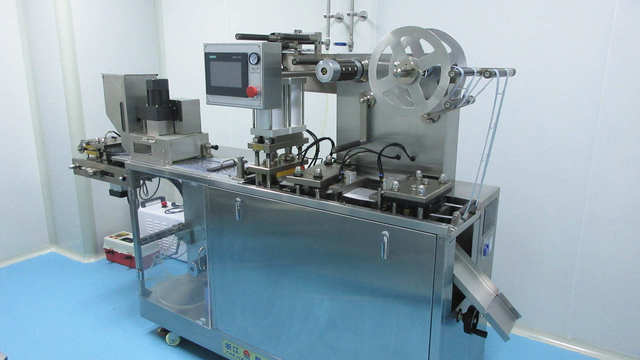
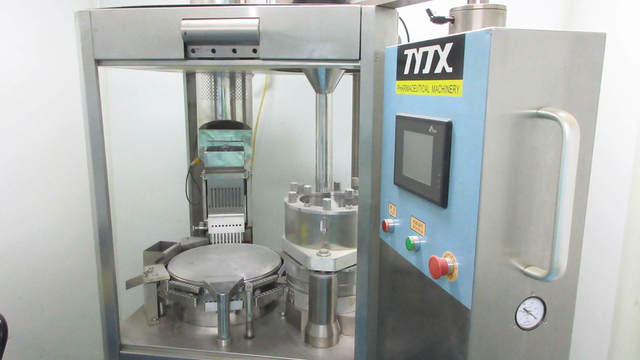
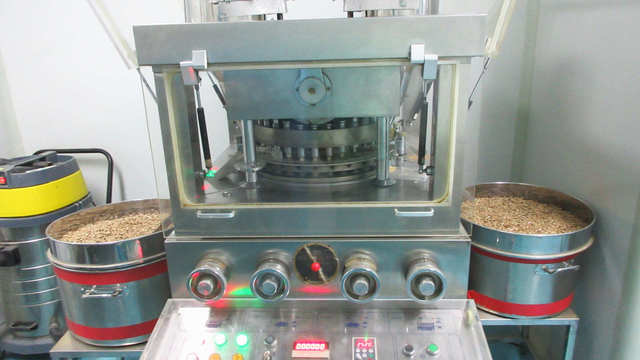
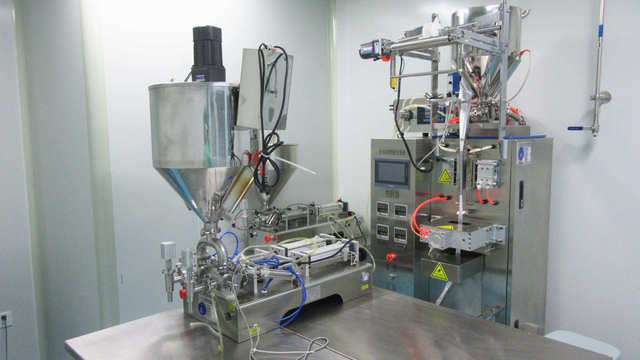
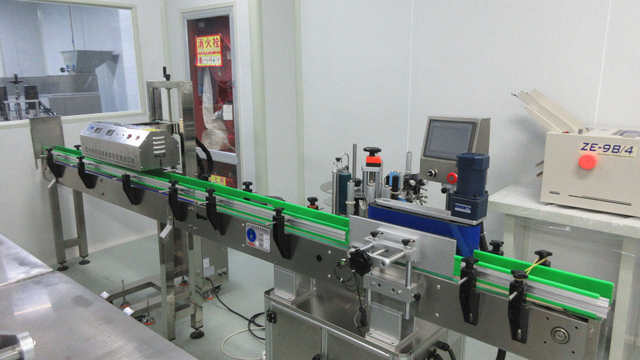
Our extraction lines, analysis equipment, and quality control systems support global cosmetic and dietary supplement brands.

 Fderla Biology