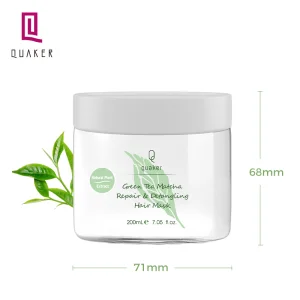
Explore our certified product series developed for food, cosmetics, and advanced nutritional formulations.
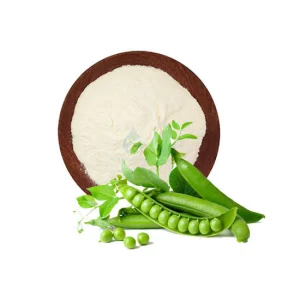
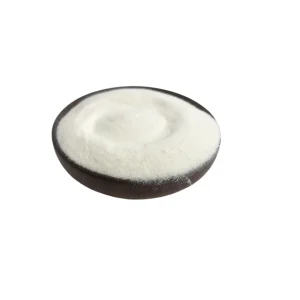
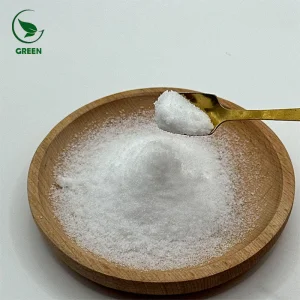
The global market for plant-based nutrition has evolved. Today's consumers do not merely request "vegan" stamps; they actively seek out functional efficiency, clean labels, and high bio-accessibility. For manufacturers and exporters of vegan snacks, formulating products that contain premium macronutrient values while preserving taste and texture represents a complex challenge.
Standard plant proteins (e.g., native pea, soy, or rice concentrates) carry inherent structural limitations: low solubility, sandy mouthfeel, and bitter notes caused by hydrophobic amino acids. Through advanced enzymatic hydrolysis technology, we break down complex protein chains into small-chain bioactive peptides. This process optimizes digestion kinetics and improves solubility and texture in complex snack formats.
Standard protein isolates often struggle with gelation and high viscosity under thermal processing. Hydrolyzed options mitigate these limits:
At the molecular level, proteins are complex folded chains of amino acids. Our processing utilizes specific endopeptidases and exopeptidases to cleave peptide bonds at defined locations. This creates a specific molecular weight distribution, yielding highly functional peptides customized for commercial food production.
| Protein Source | Hydrolysis Rate (DH) | Primary Molecular Weight | Key Functional Advantage in Snacks |
|---|---|---|---|
| Pea Protein Isolate | 12% - 15% | < 2,000 Daltons | Soft textures in extruded bars; high emulsification |
| Soybean Protein | 18% - 22% | < 1,000 Daltons | High nitrogen solubility index (NSI); neutral profile |
| Rice Protein | 8% - 10% | < 3,500 Daltons | Hypoallergenic profile; excellent crispness in puffed snacks |
Hydrolysis can expose hydrophobic amino acid residues (such as leucine, isoleucine, and valine) that trigger bitterness receptors on the tongue. Fderla Biology employs a proprietary enzymatic polishing step that selectively cleaves terminal hydrophobic residues, yielding a neutral taste profile without the need for masking agents.
Hangzhou Fderla Biology Co., Ltd. is a professional hydrolyzed protein manufacturer and bioactive peptide supplier based in Hangzhou, China. The company focuses on the research, development, production, and global export of high-quality protein hydrolysates for food, cosmetic, and nutritional applications.
With advanced biotechnology processes and strict quality control systems, Fderla Biology produces a wide range of hydrolyzed protein ingredients, including plant-based, animal-based, and marine-derived protein peptides. These materials are widely used in functional foods, dietary supplements, skincare formulations, hair care products, and sports nutrition solutions.
The company integrates modern enzymatic hydrolysis technology with scientific formulation expertise to ensure high bioavailability, easy absorption, and stable performance of its protein products. Each batch is carefully tested to meet international standards for purity, safety, and effectiveness.
Hangzhou Fderla Biology Co., Ltd. supports OEM and customized solutions for global clients, including ingredient formulation optimization, technical support, and bulk supply services. By combining scientific research, production excellence, and global service capability, Fderla Biology has become a trusted partner in the hydrolyzed protein and bioactive peptide industry, delivering reliable and high-performance ingredient solutions worldwide.
Manufacturing hydrolyzed plant proteins at scale requires advanced infrastructure, consistent raw materials, and efficient quality management. Operating out of the Yangtze River Delta biotechnology cluster in Hangzhou, China, Fderla Biology leverages several core advantages to serve international buyers:
Direct access to non-GMO soybean cultivation zones and regional pea processing plants allows us to source raw materials at stable pricing, insulating global exporters from market shocks.
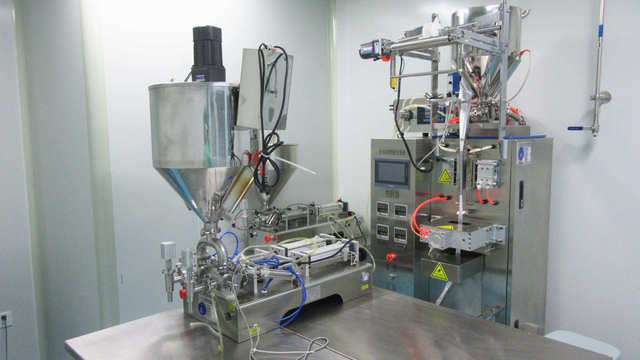
Our facility operates multi-stage spray drying towers and ceramic membrane filtration lines, ensuring a fine, free-flowing powder with low moisture content and high stability.
Proximity to Ningbo and Shanghai ports ensures streamlined logistics, temperature-controlled shipping options, and rapid custom clearances for global snack factories.
Different snack matrices demand distinct physical characteristics from protein ingredients. Our technical formulations are engineered to meet specific category requirements:
Standard isolates bind water over time, causing bars to harden. Low-MW hydrolyzed proteins maintain moisture balance, ensuring a soft texture throughout shelf life.
Hydrolyzed proteins improve expansion ratios during extrusion, resulting in a crispy, aerated structure without a sandy residue.
Our peptides exhibit excellent heat stability, ensuring structural integrity, optimal rise, and consistent browning in baked chips and cookies.
Designed for rapid dispersion in cold liquids, our protein powders prevent clumping and sediment formation in instant beverage mixes.
Exporters shipping to the EU, North America, and the Middle East must navigate stringent chemical and botanical safety regulations. Fderla Biology provides documentation and testing to support global compliance:
We enforce strict heavy-metal controls, keeping lead (Pb), arsenic (As), mercury (Hg), and cadmium (Cd) levels below California Proposition 65 limits, backed by third-party ICP-MS testing.
Our plant proteins are clean-label compliant and certified GMO-free. We maintain dedicated processing lines to prevent allergen cross-contamination.
Our manufacturing processes conform to Halal and Kosher requirements, offering full batch traceability and certified processing environments.
Every cargo export includes a Certificate of Analysis (COA), Technical Data Sheets (TDS), Safety Data Sheets (SDS), and Allergen Declarations.
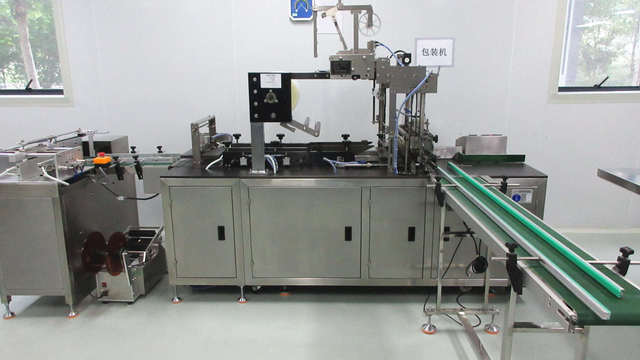
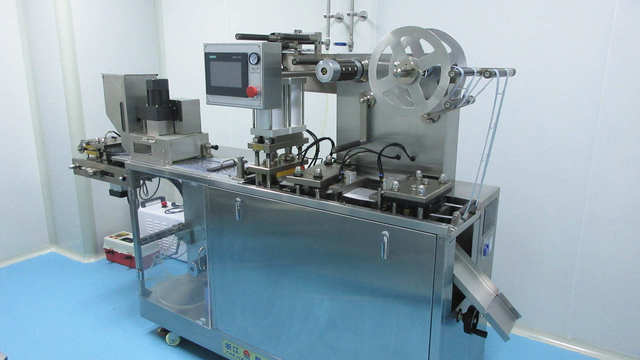
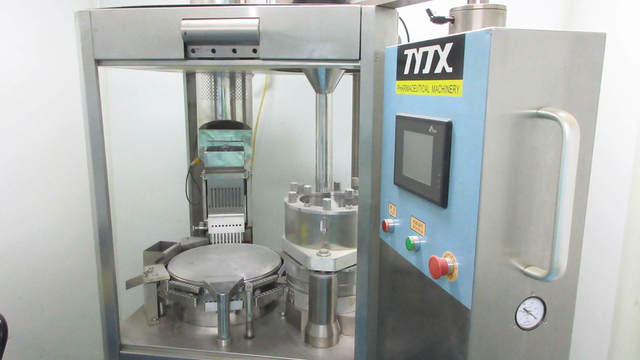
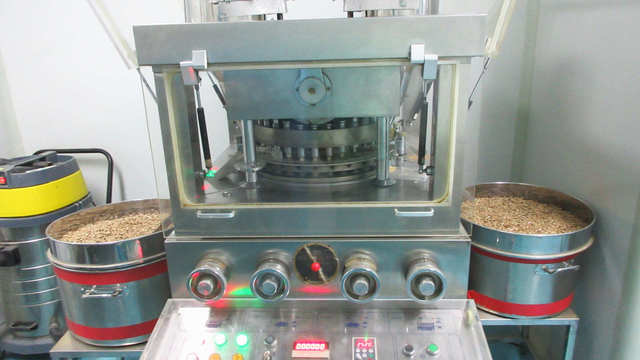
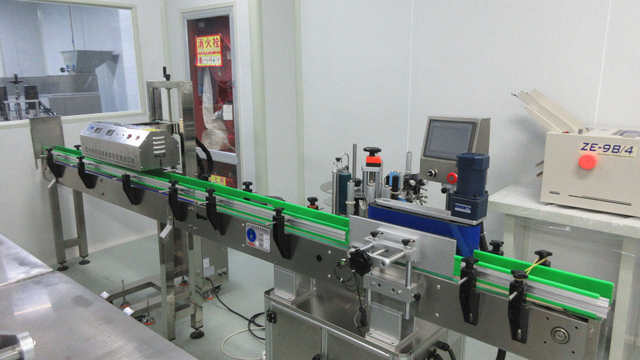
A visual overview of Hangzhou Fderla Biology Co., Ltd.'s processing standards, laboratory environments, and manufacturing scale.

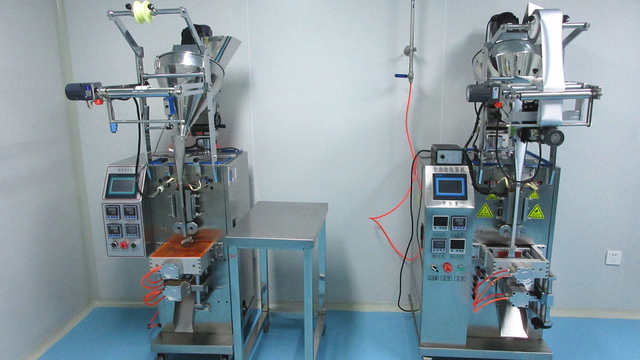
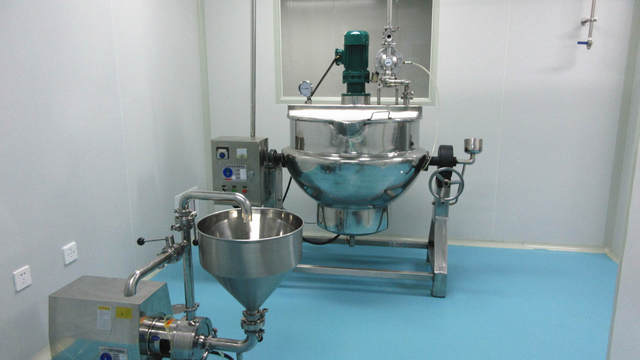
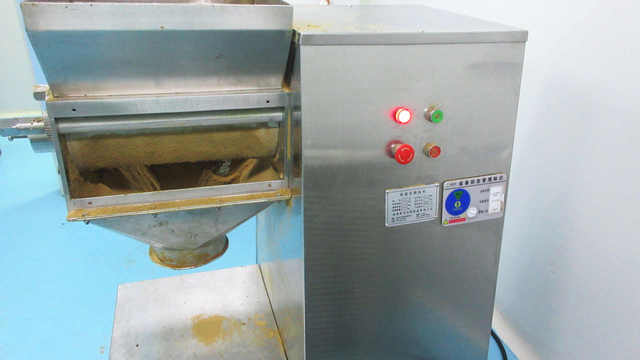
The vegan snacking sector is undergoing a shift toward clean label declarations and improved nutritional profiles. Key structural changes include:
Consumers increasingly avoid artificial texturizers and chemical masking agents. Enzymatically polished proteins enable manufacturers to simplify ingredient lists without compromising flavor.
By combining hydrolyzed pea and rice proteins, manufacturers can achieve balanced amino acid profiles, raising the PDCAAS (Protein Digestibility-Corrected Amino Acid Score) closer to 1.0.
With growing regulatory focus on sustainability, plant-derived peptides provide a lower carbon footprint compared to animal-derived equivalents, supporting corporate ESG compliance.
Essential information for research, development, and purchasing departments formulating plant-based products.
Explore our complete range of specialized proteins, cosmetic peptides, and animal nutrition supplements.
 Fderla Biology