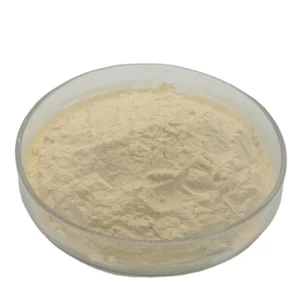
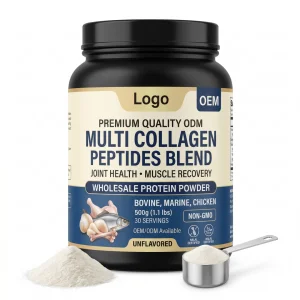
Hydrolyzed Vegetable Protein (HVP) stands at the crossroads of modern B2B food technology, clinical nutrition, and functional plant-based cosmetics. As an industry leader, Hangzhou Fderla Biology Co., Ltd. oversees global manufacturing pipelines that deliver HVP solutions addressing the evolving regulatory and sensory needs of international markets.
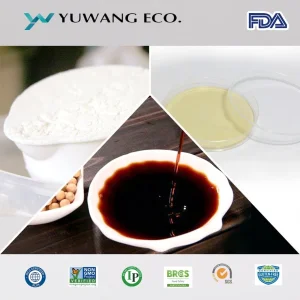
In terms of macroeconomic shifts, the global market for hydrolyzed vegetable protein is driven by consumer demand for clean labels, MSG reduction, and the widespread adoption of plant-based diets. Regionally, European and North American developers are replacing traditional artificial flavor enhancers with high-quality, enzymatic-grade HVP. By utilizing non-GMO soy, wheat gluten, corn gluten, and rice protein resources in China, our manufacturing facilities provide cost-efficient, structurally sound protein alternatives. This enables buyers in the USA, EU, Asia-Pacific, and South America to achieve precise savory flavor profiles (umami, rich kokumi taste) while meeting strict environmental standards.
HVP provides an optimal amino acid distribution, including natural glutamic acid, rendering deep rich characteristics to food formulations without chemical MSG additives.
Enzymatic hydrolysis minimizes molecular chain weight to under 1000 Da, improving rapid intestinal peptide transport and nutritional efficacy in animal & human targets.
Fully compliant clean-label manufacturing lines meet strict religious and dietary requirements, paving the way for seamless international custom clearance.
Historically, Hydrolyzed Vegetable Proteins were produced via Acid Hydrolysis (aHVP), which utilized high-temperature hydrochloric acid to cleave peptide bonds. However, this method raises concerns due to the formation of chlorinated organic byproducts, specifically 3-monochloropropane-1,2-diol (3-MCPD) and 1,3-dichloropropanol (1,3-DCP).
To eliminate these carcinogenic compounds, Hangzhou Fderla Biology Co., Ltd. employs an advanced Enzymatic Hydrolysis Roadmap (eHVP). By selecting targeted endopeptidases and exopeptidases, we precisely break down plant proteins under mild temperature and pH conditions. This pathway preserves beneficial vitamins, prevents off-flavors, and guarantees that 3-MCPD levels remain below the detectable limit (<0.01 mg/kg).
This technical shift ensures compliance with the most stringent food safety regulations globally, including the European Union's food safety standards and California Proposition 65.
Hydrolyzed vegetable protein derivatives serve as fundamental functional ingredients across various industry sectors. Understanding the specific constraints of each market segment is key to delivering consistent performance.
Used widely in instant noodle soups, canned goods, bouillon cubes, and snack flavorings. By replacing synthetic ingredients, HVP offers natural savoriness, thermal stability, and sodium reduction benefits.
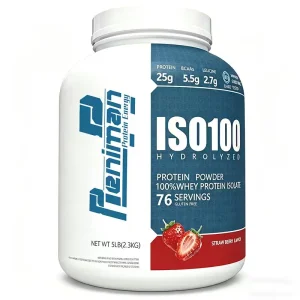
Because they are pre-digested, hydrolyzed proteins bypass complex degradation cycles in the human digestive system, offering rapid muscle recovery benefits for sports supplements and clinical nutrition products.
Hydrolyzed soy and wheat peptides show high affinity for hair keratin and skin cells. They penetrate the cuticles to repair damaged hair structures and form protective barriers, supporting deep moisturization in premium skin formulations.
Hangzhou Fderla Biology Co., Ltd. is a professional hydrolyzed protein manufacturer and bioactive peptide supplier based in Hangzhou, China. The company focuses on the research, development, production, and global export of high-quality protein hydrolysates for food, cosmetic, and nutritional applications.
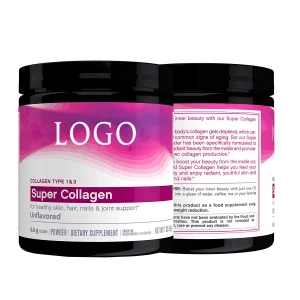
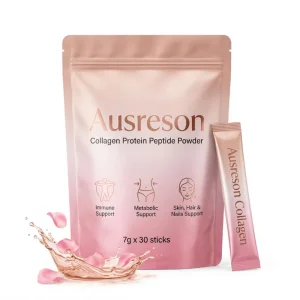
With advanced biotechnology processes and strict quality control systems, Fderla Biology produces a wide range of hydrolyzed protein ingredients, including plant-based, animal-based, and marine-derived protein peptides. These materials are widely used in functional foods, dietary supplements, skincare formulations, hair care products, and sports nutrition solutions.
The company integrates modern enzymatic hydrolysis technology with scientific formulation expertise to ensure high bioavailability, easy absorption, and stable performance of its protein products. Each batch is carefully tested to meet international standards for purity, safety, and effectiveness.
Hangzhou Fderla Biology Co., Ltd. supports OEM and customized solutions for global clients, including ingredient formulation optimization, technical support, and bulk supply services. With a strong focus on innovation and sustainable biotechnology, the company continuously develops new functional peptide solutions for emerging market needs.
By combining scientific research, production excellence, and global service capability, Fderla Biology has become a trusted partner in the hydrolyzed protein and bioactive peptide industry, delivering reliable and high-performance ingredient solutions worldwide.
The next decade of the hydrolyzed vegetable protein sector will be driven by advances in precision fermentation and AI-modeled peptide targeting. Modern bio-informatics tools are helping scientists identify the exact peptide sequences responsible for antioxidant, anti-inflammatory, and antihypertensive properties. Consequently, the industry is transitioning from simple food ingredients to targeted therapeutic formulations.
Additionally, green manufacturing remains a key priority. Future-proof factories are shifting to circular resource systems, upcycling secondary agricultural products (such as rice bran, wheat bran, and brewer’s yeast) into high-purity protein hydrolysates. By using enzymes tailored to specific substrates, we reduce carbon emissions while maintaining a stable B2B raw material supply chain. This supports sustainable development and aligns with the carbon neutrality goals of the food and chemical industries.
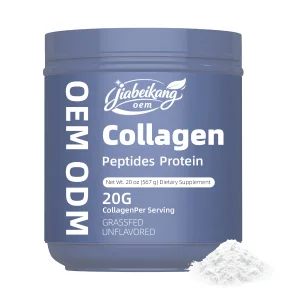
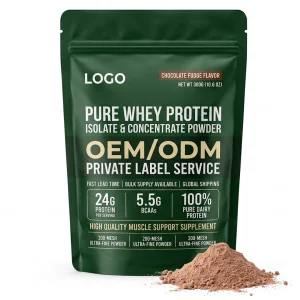
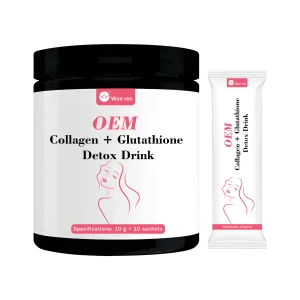
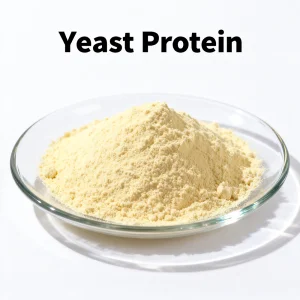
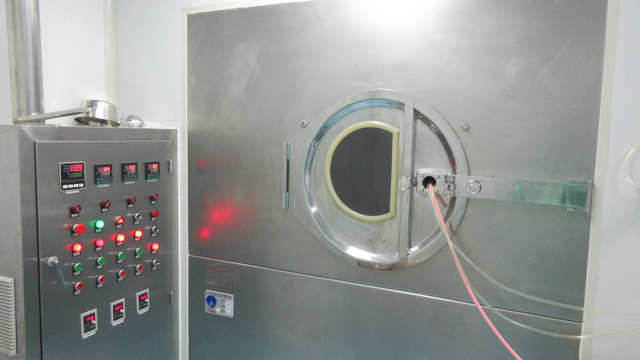
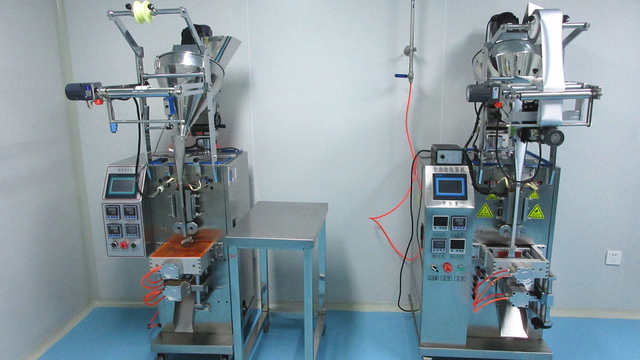
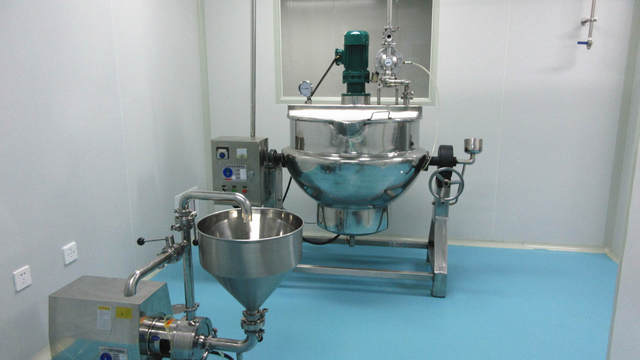
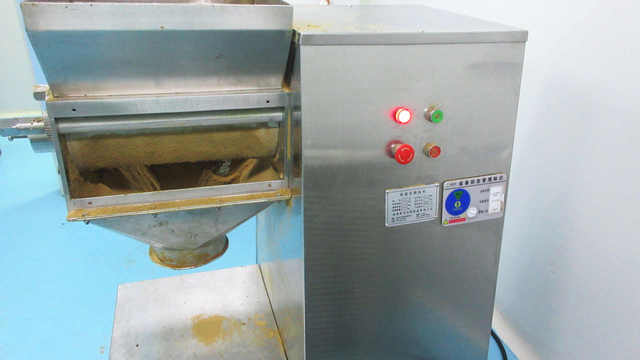
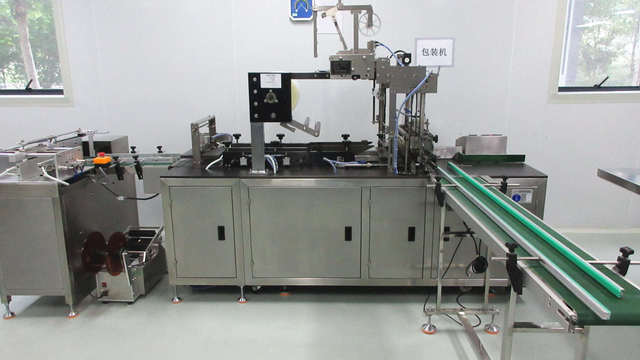
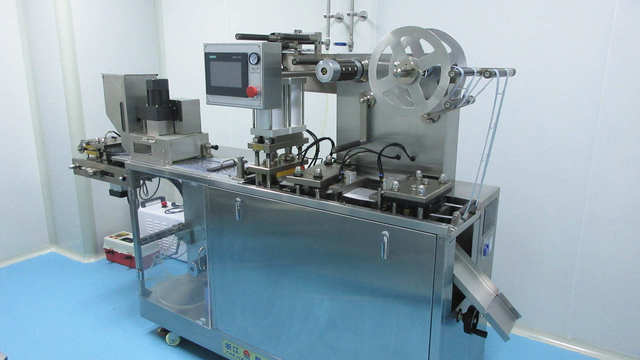
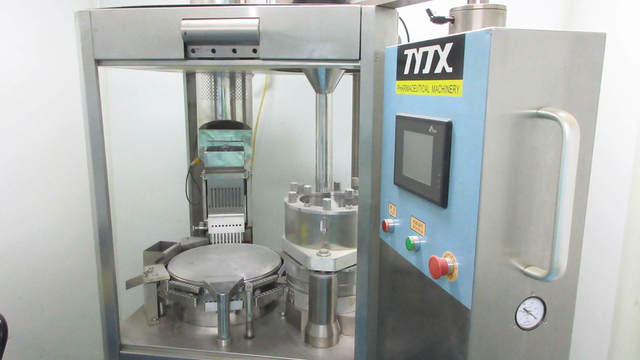
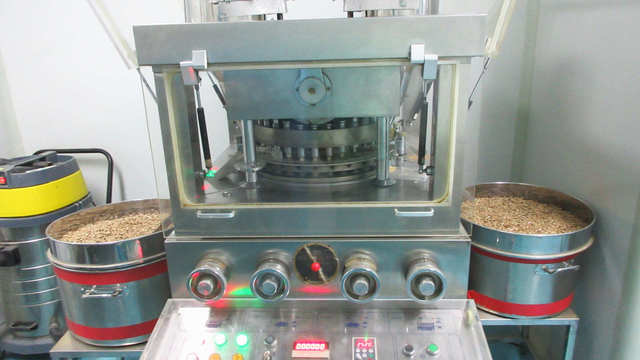
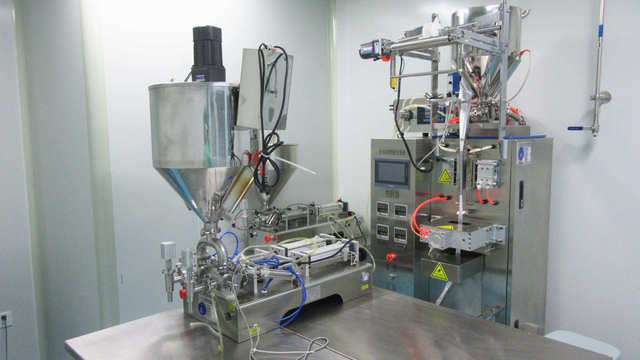
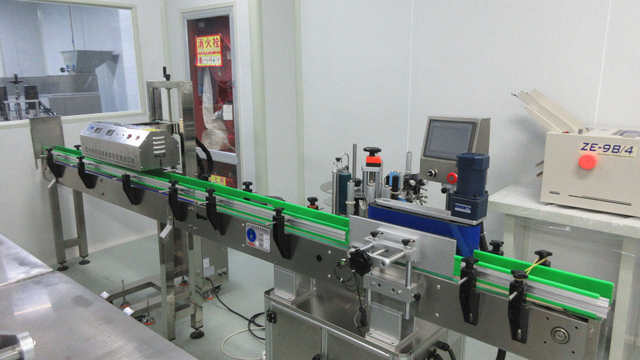
Our operations comply with GMP guidelines, ISO 9001, and HACCP food hazard prevention benchmarks. Below are views of our production facilities, cleanroom operations, packaging zones, and testing infrastructure, verifying our capacity to supply reliable bulk products worldwide.
 Fderla Biology