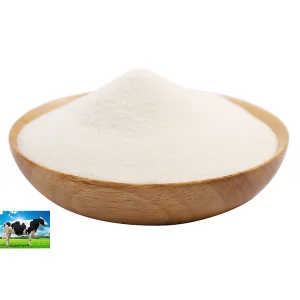
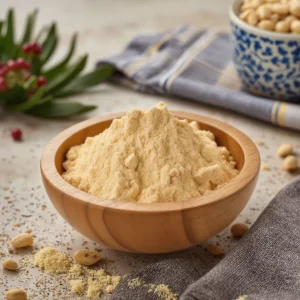
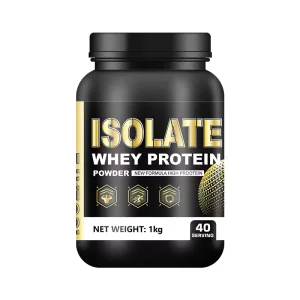
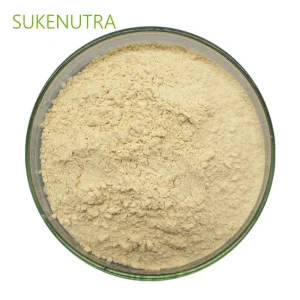
Hangzhou Fderla Biology Co., Ltd. is a professional hydrolyzed protein manufacturer and bioactive peptide supplier based in Hangzhou, China. The company focuses on the research, development, production, and global export of high-quality protein hydrolysates for food, cosmetic, and nutritional applications.
With advanced biotechnology processes and strict quality control systems, Fderla Biology produces a wide range of hydrolyzed protein ingredients, including plant-based, animal-based, and marine-derived protein peptides. These materials are widely used in functional foods, dietary supplements, skincare formulations, hair care products, and sports nutrition solutions.
Our operation integrates modern enzymatic hydrolysis technology with scientific formulation expertise to ensure high bioavailability, easy absorption, and stable performance of its protein products. Each batch is carefully tested to meet international standards for purity, safety, and effectiveness. Hangzhou Fderla Biology Co., Ltd. supports OEM and customized solutions for global clients, including ingredient formulation optimization, technical support, and bulk supply services. By combining scientific research, production excellence, and global service capability, Fderla Biology has become a trusted partner in the hydrolyzed protein and bioactive peptide industry, delivering reliable and high-performance ingredient solutions worldwide.
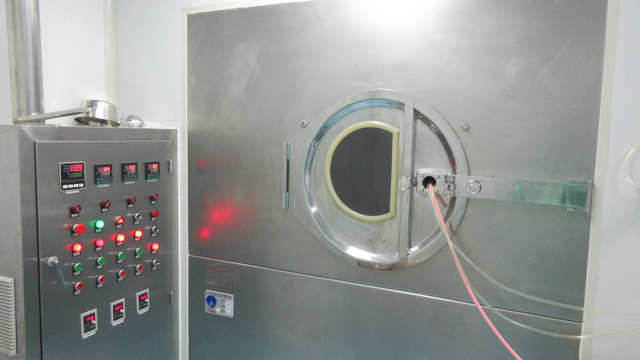
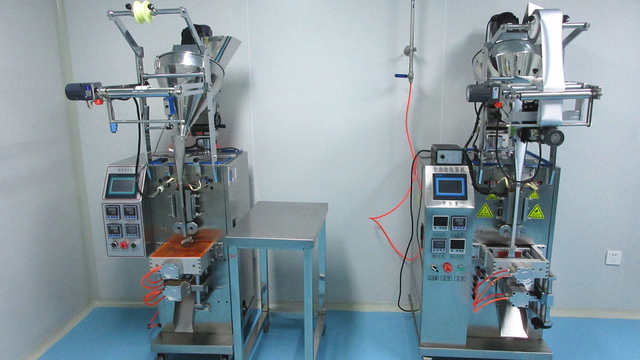
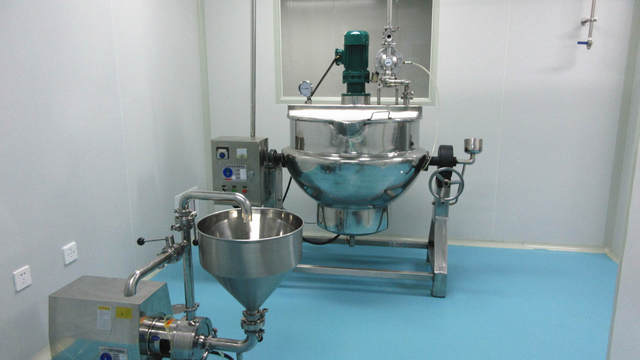
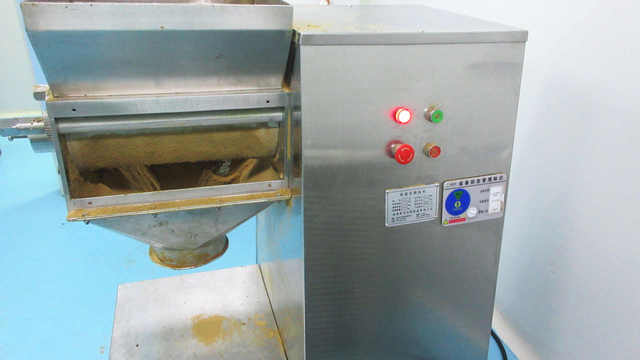
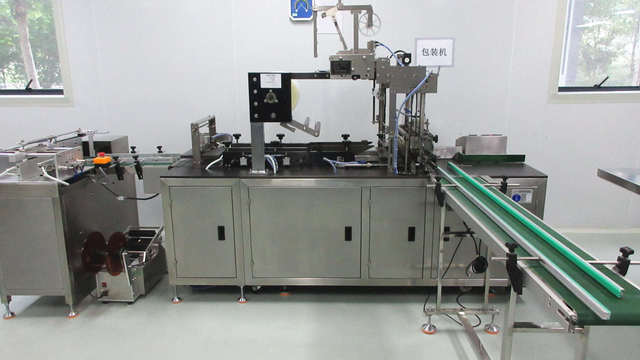
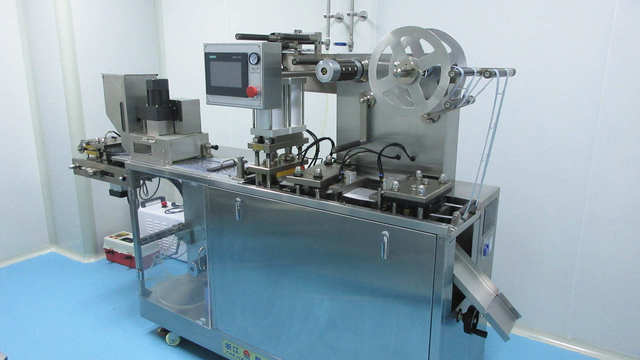
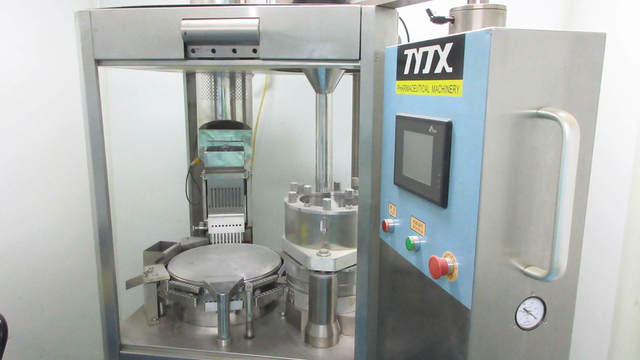
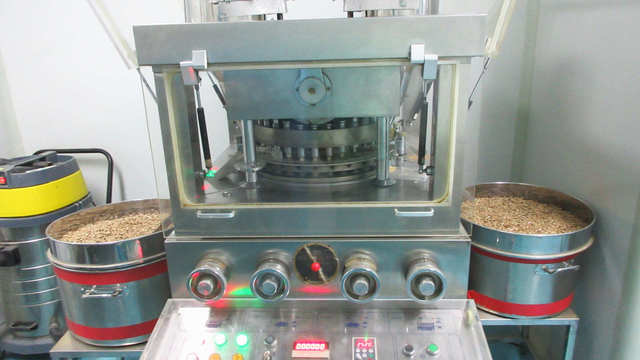
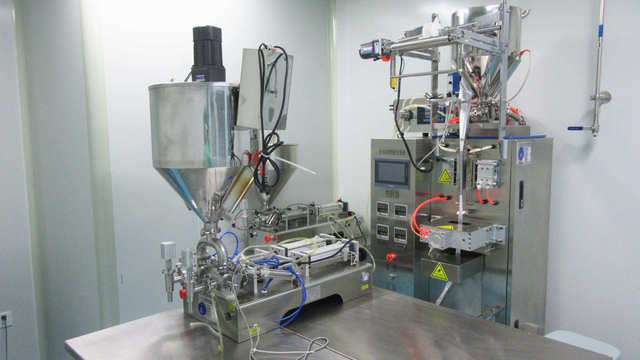
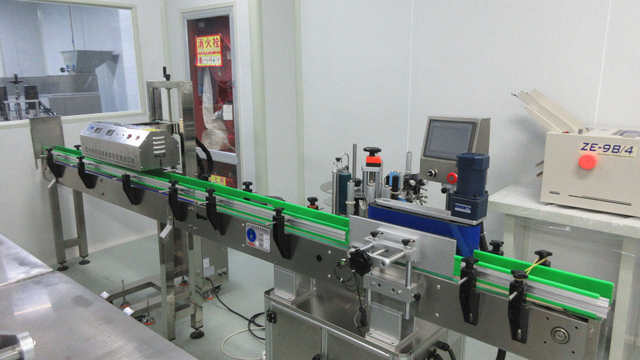
Visual demonstration of Hangzhou Fderla Biology Co., Ltd.'s processing standards and state-of-the-art testing instrumentation.
The global demand for hydrolyzed gelatin powder and related bioactive peptides is undergoing a seismic structural shift. Historically utilized as a basic structural gelling agent, hydrolyzed protein ingredients are now valued for their bio-functional properties. The key differentiator is the target molecular weight distribution: by breaking down the long collagen polypeptide chains into small-chain bio-peptides (typically between 1,000 to 3,000 Daltons), the physical and biological properties of the material are radically transformed.
Industries in North America, Western Europe, and the Asia-Pacific region are incorporating these highly bioavailable proteins into functional beverages, clean-label nutricosmetics, and medical food formulations. Unlike native gelatin, hydrolyzed gelatin does not form a gel network in cold water. It maintains low viscosity even at high concentrations, possesses neutral organoleptic properties, and exhibits high thermal stability. These factors provide manufacturers with formulation flexibility, enabling the integration of protein fortification without compromising sensory quality.
By applying site-specific endopeptidases and exopeptidases, we precisely break down peptide chains at designated amino acid residues, minimizing bitterness and optimizing solubility.
Utilizing advanced ultrafiltration membranes with precise molecular weight cut-offs (MWCO), we yield narrow peptide distributions that conform to strict client specifications.
Using active carbon filtration systems and vacuum extraction processes to remove volatile compounds, delivering clean taste profiles for subtle formulation applications.
Industrial formulations require specific structural profiles to perform reliably under varied manufacturing stresses. Here, we outline the primary protein hydroylsate classes and their functional configurations:
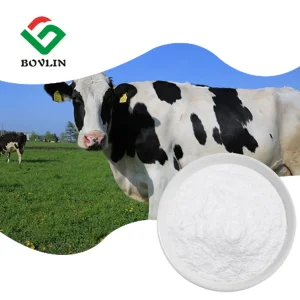
Derived primarily from premium bovine connective tissue, our Hydrolyzed Bovine Collagen consists of Type I and Type III collagen. Rich in glycine, proline, and hydroxyproline, these amino acids are essential for maintaining the integrity of the extracellular matrix. Thanks to their low molecular weight profiles, these peptides support bone mineral density, joint cartilage lubrication, and skin hydration. We control heavy metals, pesticide residues, and microbiological parameters to meet strict global food and pharmaceutical standards.
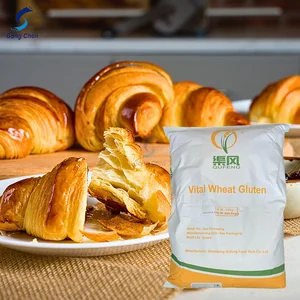
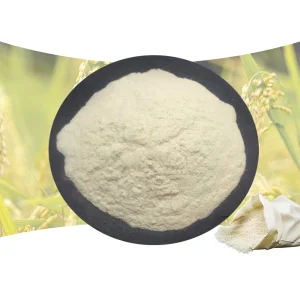
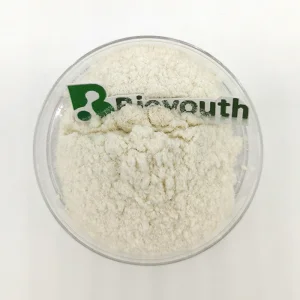
In response to the global demand for plant-based alternatives, Fderla Biology has developed specialized vegetable protein hydrolysates. Vital Wheat Gluten Protein Powder 82% acts as a functional ingredient for baking, texturization, and meat analogues. Hydrolyzed Rice Protein and Soy Protein Peptides (75% min) offer highly bioavailable, allergen-friendly options for sports nutrition. These products have optimized solubility, dispersing smoothly across wide pH ranges.
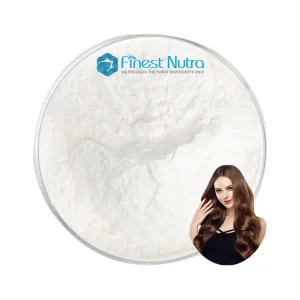
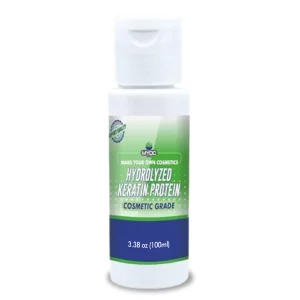
For personal care and cosmetics, we supply Hydrolyzed Keratin Protein Powder (90% min). These highly refined cosmetic ingredients are soluble in water and possess high affinity for keratinous structures, such as hair fibers and nail beds. Applied in hair masks, shampoos, and skin conditioning treatments, these micro-peptides penetrate the hair cuticle, reinforcing structural disulphide bonds, restoring elasticity, and reducing damage from chemical processing.
We provide full documentation, including Certificate of Analysis (CoA), Safety Data Sheets (SDS), Allergen Declarations, Non-GMO Statements, and Phytosanitary Certificates. Our regulatory support simplifies customs clearance processes worldwide.
We implement trace segregation protocols for religious-compliant batches. Our bovine and marine gelatin lines offer certified Halal and Kosher variants, satisfying importing specifications in Southeast Asia, the Middle East, and Western markets.
We accommodate diverse packaging requirements, ranging from 25kg bulk bags with moisture-barrier liners to custom OEM packaging, private-label branding, and pre-formulated functional dry-blends tailored to your market's needs.
The future of bioactive peptides lies in molecular specificity. Instead of general protein hydrolysates, Fderla Biology is developing targeted peptide sequences designed to interact with specific cell receptors. By integrating computational biology, we can model how particular peptide sequences interact with human dermal fibroblasts to stimulate collagen synthesis (COL1A1 and COL1A2 pathways) or how they bind with free radicals to inhibit oxidative stress.
Additionally, our production roadmap includes green chemistry advancements. We are transitioning our enzymatic bioreactors to closed-loop water recirculation systems and using immobilized enzymes. This setup allows for the reuse of biocatalysts, reducing environmental impact while ensuring batch-to-batch consistency and minimizing chemical waste.
 Fderla Biology