Explore our elite selection of CE certified hydrolyzed proteins, custom peptides, and bioactive formulations engineered for optimal bioavailability and industrial processing.
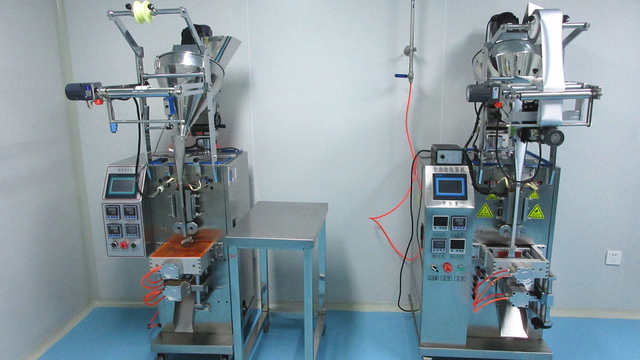
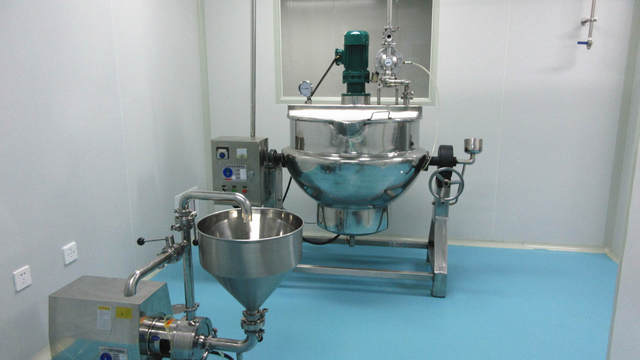
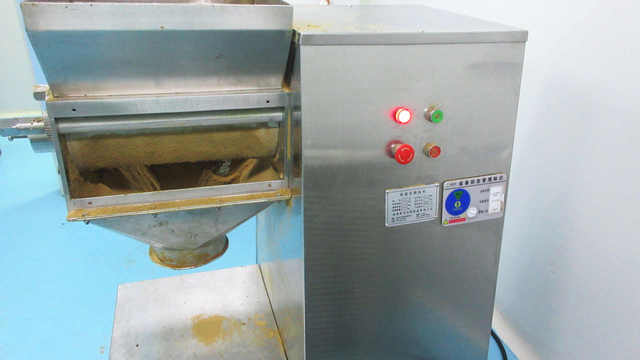
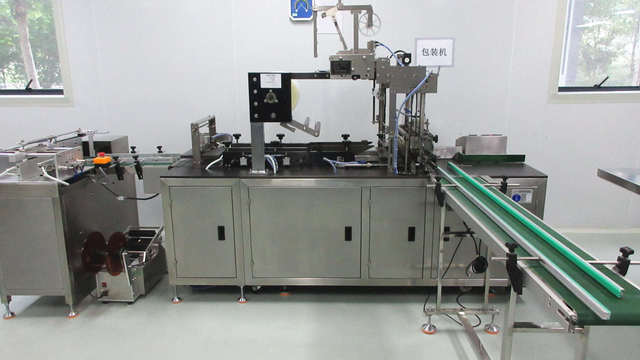
Hangzhou Fderla Biology Co., Ltd. is a professional hydrolyzed protein manufacturer and bioactive peptide supplier based in Hangzhou, China. The company focuses on the research, development, production, and global export of high-quality protein hydrolysates for food, cosmetic, and nutritional applications.
With advanced biotechnology processes and strict quality control systems, Fderla Biology produces a wide range of hydrolyzed protein ingredients, including plant-based, animal-based, and marine-derived protein peptides. These materials are widely used in functional foods, dietary supplements, skincare formulations, hair care products, and sports nutrition solutions.
The company integrates modern enzymatic hydrolysis technology with scientific formulation expertise to ensure high bioavailability, easy absorption, and stable performance of its protein products. Each batch is carefully tested to meet international standards for purity, safety, and effectiveness. Hangzhou Fderla Biology Co., Ltd. supports OEM and customized solutions for global clients, including ingredient formulation optimization, technical support, and bulk supply services. By combining scientific research, production excellence, and global service capability, Fderla Biology has become a trusted partner in the hydrolyzed protein and bioactive peptide industry, delivering reliable and high-performance ingredient solutions worldwide.
Navigating the macro-economic shifts, regional market values, and supply chain updates shaping the hydrolyzed protein industry.
The global market for hydrolyzed proteins as food additives is undergoing a significant expansion, driven by the sports nutrition, medical dietetics, and clean-label bakery sectors. Valuation forecasts project a CAGR of over 6.8% through 2030, driven by consumers demanding faster-absorbing nitrogen sources and hypo-allergenic profile formulations.
While bovine and marine-derived collagen peptides remain dominant in the nutricosmetics and joint health sectors, plant-based alternatives (such as hydrolyzed wheat, rice, and pea proteins) are experiencing explosive growth in North America and Western Europe, largely due to vegan trends and allergen-mitigation protocols.
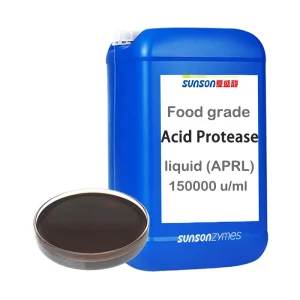
Manufacturers are transitioning away from chemical (acid/alkali) hydrolysis to mitigate the creation of unwanted by-products like chloropropanols. Enzymatic hydrolysis using food-grade proteases is now the industry gold standard, ensuring clean organoleptic properties and maintaining peptide structural integrity.
Achieving market compliance through strict safety protocols, environmental stewardship, and clean certification pathways.
For global procurement departments, especially within the European Economic Area (EEA), a CE certification acts as an essential compliance baseline. It signifies that the hydrolyzed protein additives fulfill rigorous EU consumer safety, health, and environmental standards. It guarantees that the raw materials are thoroughly vetted for traces of heavy metals, pesticide residues, and harmful microbiological pollutants, reducing supply chain risks for major food manufacturing brands.
Additionally, keeping production lines transparent and documentation audit-ready ensures seamless customs clearance, minimizing shipping delays and maintaining reliable inventory flows.
Modern consumers actively search for simple ingredients, pushing food and beverage developers to discard synthetic emulsifiers and texturizers. Hydrolyzed proteins serve as clean-label functional alternatives due to their natural surfactant properties, water-binding capacities, and foaming capabilities. Because they are derived from real food matrices (like wheat, rice, and peas), they do not require synthetic chemical declarations, allowing brands to list them simply as "Hydrolyzed Protein" or "Bioactive Peptides" on ingredient decks.
Driving biotechnology forward with precision molecular weight engineering and green extraction chemistry.
Utilizing target-specific endopeptidases and exopeptidases to cleave complex proteins at specific peptide bonds, avoiding bitterness and increasing digestibility.
Implementing state-of-the-art ceramic membrane filters to isolate peptide chains by target molecular weight (e.g., separating 1000 Dalton active molecules from bulk carrier structures).
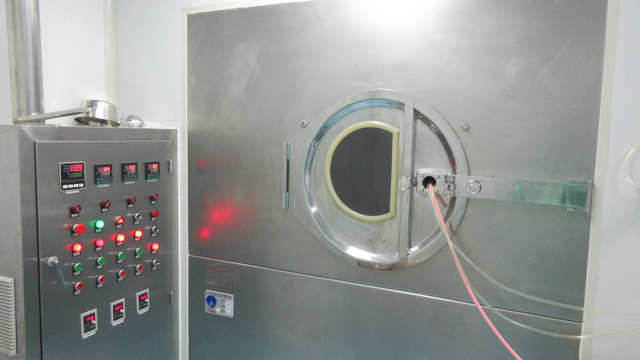
Adapting low-temperature, high-efficiency spray drying towers to turn liquid protein hydrolysates into highly soluble, non-caking, dust-free powders.
The future lies in utilizing AI modeling to predict peptide sequences that maximize cellular uptake, anti-inflammatory traits, and functional performance in human and animal nutrition.
How regional manufacturers adapt hydrolyzed protein chemistry to optimize local product formulations.
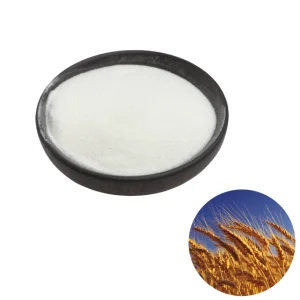
In Europe and Asia, hydrolyzed wheat and rice proteins are widely applied as dough conditioners. By modifying the gluten matrix, these proteins reduce mixing times, increase gas retention in baked goods, and improve shelf-life without chemical stabilizers.
Standard milk proteins (casein and whey) can cause digestive issues in sensitive infants. Utilizing enzymatically hydrolyzed proteins allows global manufacturers to formulate hypoallergenic clinical diets that are easily absorbed without triggering allergic reactions.
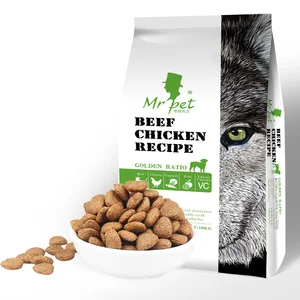
Pet nutrition manufacturers use hydrolyzed proteins (such as hydrolyzed collagen and pet nutrition peptides) not just for digestive health, but also as high-performance flavor enhancers. The hydrolyzation process releases free amino acids that naturally appeal to dogs and cats.
For large-scale food manufacturing operations, keeping costs predictable and managing supply chain risk are critical. Hangzhou Fderla Biology Co., Ltd. addresses these challenges by offering robust macro-industrial solutions:
Integrating raw plant or animal peptides into an existing food production line can introduce technical difficulties, such as texture alterations or flavor profile changes. Fderla Biology's application engineers work closely with your product development teams to prevent these issues.
By assessing properties like water absorption and emulsification capacity, we help determine the precise inclusion levels needed to improve structural performance without altering the final taste or appearance of your product.
Technical insights on the production, regulation, and functional applications of CE certified hydrolyzed proteins.
Discover our specialized enzymes, animal-derived peptides, plant proteins, and wholesale nutrient bases designed for high-performance formulation.
 Fderla Biology