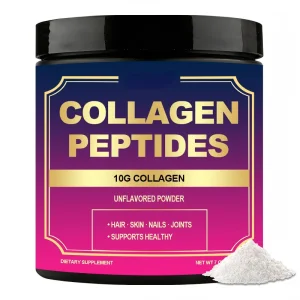
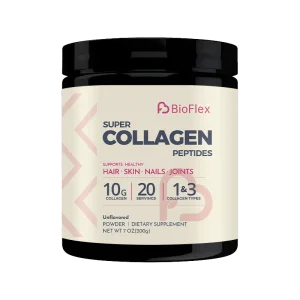
Advanced bioactive ingredients configured for rapid absorption, hydration retention, and hair shaft reinforcement.
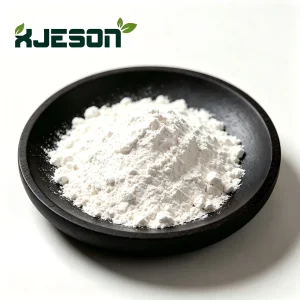
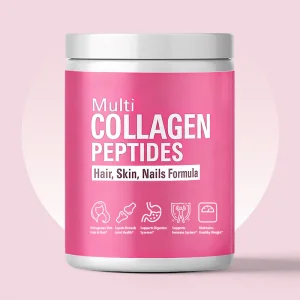
Hydrolyzed proteins represent the vanguard of bioactive cosmetic ingredients. By breaking down large protein macromolecules—such as collagen, keratin, wheat, and oat proteins—into smaller peptide fractions via advanced enzymatic cleavage, the bioavailability and performance profile of these molecules are dramatically enhanced. In the context of topical application, raw proteins lack the transdermal permeability required to traverse the stratum corneum. Hydrolysis circumvents this physiological barrier, reducing molecular weight (typically between 500 Da and 5000 Da) to allow targeted penetrative action.
Upon absorption, these low-molecular-weight peptides act as crucial cellular signaling agents. They stimulate fibroblast activity, upregulated endogenous collagen synthesis, and supply essential amino acids (such as glycine, proline, and hydroxyproline) vital for cell repair and structure. The structural configuration of hydrolyzed proteins also yields exceptional hygroscopic capabilities, drawing environmental moisture and binding it to the skin's surface, restoring natural moisturizing factors (NMF) and strengthening the skin barrier.
Indonesia's personal care sector is experiencing an unprecedented structural transformation. Valued at billions of dollars and showing a robust double-digit compound annual growth rate (CAGR), the archipelago represents one of the most lucrative cosmetic markets globally. This expansion is driven by a rising middle class, rapid urbanization in metropolitan areas like Jakarta, Surabaya, and Bandung, and an increasingly sophisticated consumer base demanding targeted, high-efficacy skincare and hair care products.
The regulatory and consumer landscape in Indonesia is distinct. The implementation of the Halal Product Guarantee Law mandates strict traceability and certification for raw cosmetic inputs, making certified Halal ingredients a fundamental market entry requirement. Concurrently, the regional climate—characterized by high humidity, constant UV exposure, and heat—requires formulations that offer potent UV protection, moisture replenishment, and skin barrier soothing, without leaving greasy residues. Consequently, localized applications demand ingredients that perform under tropical conditions.
Global demand for bioactive peptides has surged, causing supply bottlenecks and price volatility for premium cosmetics exporters. In this landscape, China-based biotechnology leaders like Hangzhou Fderla Biology Co., Ltd. provide critical industrial stability. Operating advanced enzymatic cleavage plants, Fderla leverages economies of scale and highly optimized chemical supply chains to deliver high-quality hydrolyzed collagen, oat, and bovine proteins at competitive prices.
Unlike Western suppliers, who face high domestic operational costs and supply chain fragmentations, Chinese manufacturers benefit from integrated chemical clusters, direct access to raw biomaterials, and state-backed manufacturing innovations. Fderla Biology combines this infrastructure with proprietary enzyme filtration techniques, ensuring consistent batch-to-batch quality, low odor profiles, and high cosmetic compatibility, allowing Indonesian brands to optimize their production costs without compromising on efficacy.
Adapting products for the Indonesian market requires careful consideration of local environmental stressors. The combination of intense tropical sunlight and urban air pollution damages the skin barrier and weakens hair shafts, making target repair ingredients essential. In skincare, low-molecular-weight hydrolyzed proteins are formulated into lightweight serums, hydro-gels, and essence toners that absorb instantly without clogging pores, offering deep hydration and rebuilding the natural lipid envelope.
For hair care, specialized keratin and oat protein peptides are integrated into anti-frizz shampoos, leave-in conditioners, and scalp treatment serums. These proteins penetrate the damaged hair cuticle, filling structural voids and creating a micro-shield that blocks external humidity—a key cause of frizz among local consumers. By adjusting molecular weight and solubility profiles, we help manufacturers create formulations that deliver performance in hot, humid climates.
Why leading cosmetic formulators across Jakarta, Surabaya, and Medan partner with us.
We source raw bovine and plant materials from audited, Halal-compliant partners. Every step of our enzymatic processing is monitored to ensure zero cross-contamination, aligning with BPOM and LPPOM MUI requirements.
Using target protease combinations, we control the molecular weight distribution of our proteins. This ensures consistency and high biocompatibility, which is critical for sensitive skin applications.
Operating out of our advanced facility in Hangzhou, China, we offer stable pricing, flexible MOQ terms, and reliable lead times for sea freight shipments straight to Tanjung Priok, Jakarta.
Procuring raw cosmetic ingredients internationally requires strict adherence to analytical and safety documentation. For Indonesian regulatory bodies (BPOM) to approve finished cosmetic formulations, suppliers must provide comprehensive dossiers. These dossiers include a Certificate of Analysis (COA) specifying the purity, pH, moisture content, and microbiological limits of the peptide powder; Material Safety Data Sheets (MSDS) detailing handling protocols and toxicological data; and Heavy Metal Testing Reports ensuring compliance with trace-level regulatory boundaries (specifically targeting Lead, Arsenic, Cadmium, and Mercury limits).
Additionally, molecular weight distribution reports—determined using High-Performance Liquid Chromatography (HPLC)—are increasingly requested by research and development departments. These reports verify that the peptide profiles match the biological target parameters of the cosmetic product. At Hangzhou Fderla Biology Co., Ltd., we provide standard compliance documentation with every batch, facilitating smooth customs clearance and regulatory registration for our global importers.
The global cosmetics industry is shifting toward green chemistry and circular economy principles. Plant-based hydrolyzed proteins, such as those derived from upcycled oat, wheat, rice, and soy crops, are growing in popularity to meet consumer demand for vegan-certified beauty solutions. In addition, advanced genetic sequencing and precision fermentation are enabling the synthesis of bio-identical peptides that match human collagen profiles. This technology offers high efficacy and clean labeling, helping cosmetics brands differentiate their products in competitive markets.
Another major trend is the development of multi-functional peptides. These hybrid molecules combine hydrolyzed proteins with active carriers like Hyaluronic Acid or Vitamin C, improving both stability and penetration. In regional markets like Southeast Asia, this translates to simplified, high-efficiency skincare regimens that deliver noticeable results without overloading the skin under tropical weather conditions.
Technical guidance and commercial compliance insights for purchasing managers and cosmetic chemists.
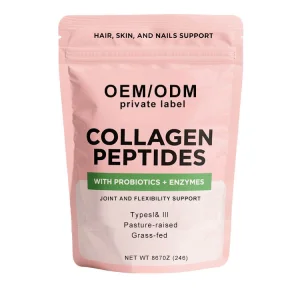
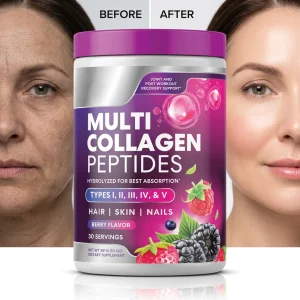
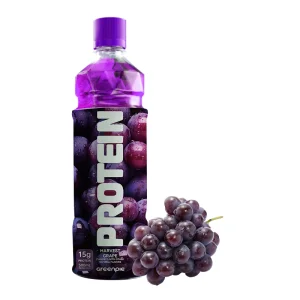
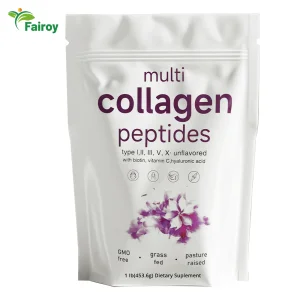
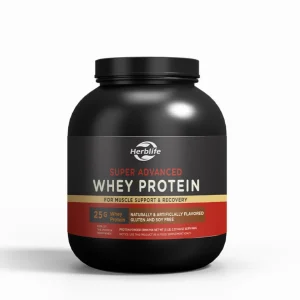
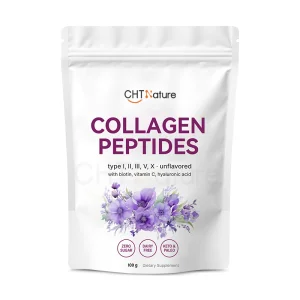
Select from our comprehensive list of active protein powders and liquid ingredients, prepared for global export.
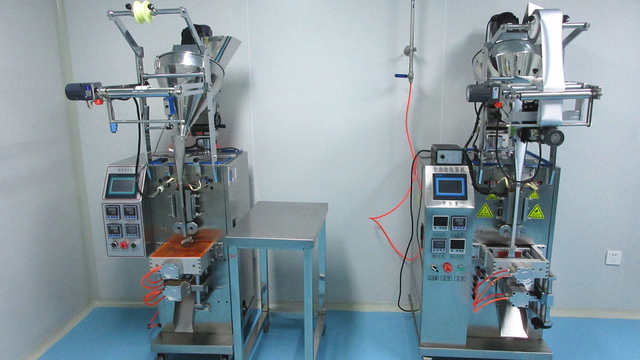
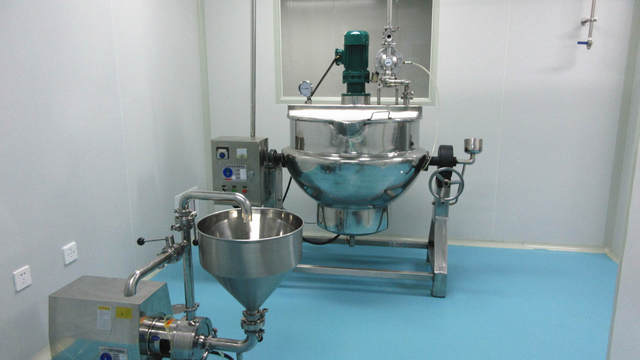
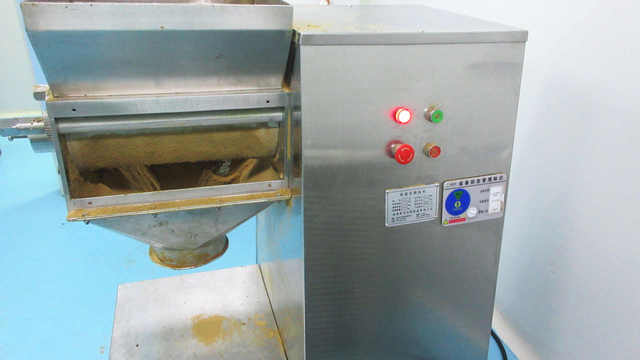
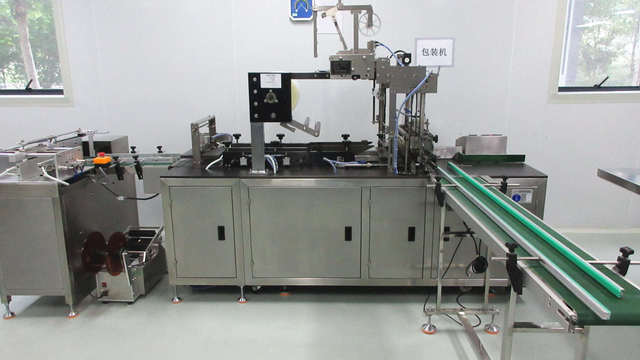
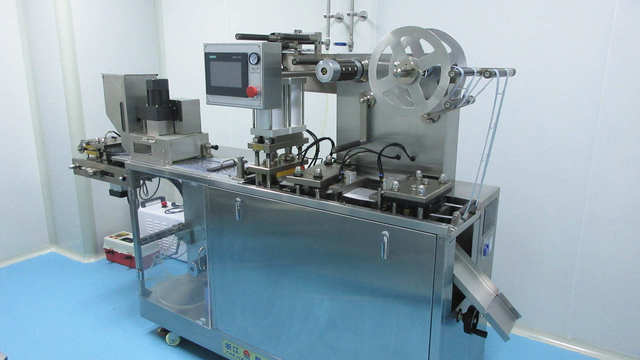
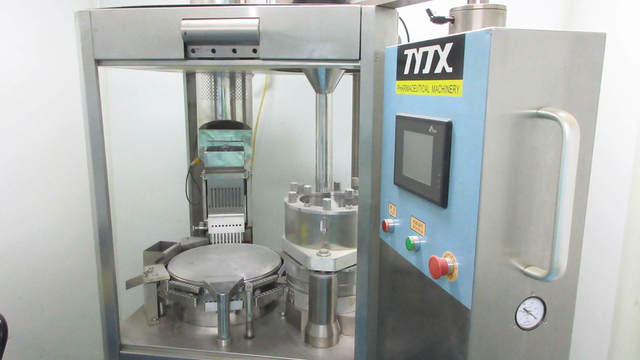
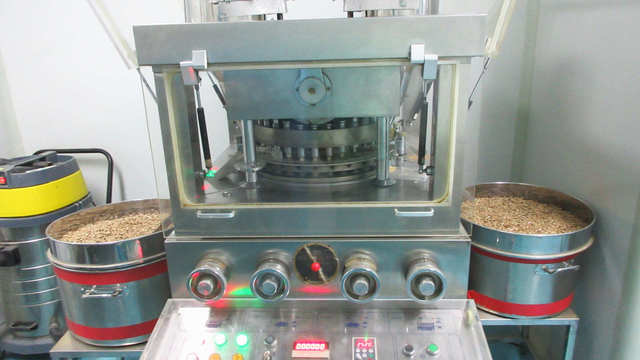
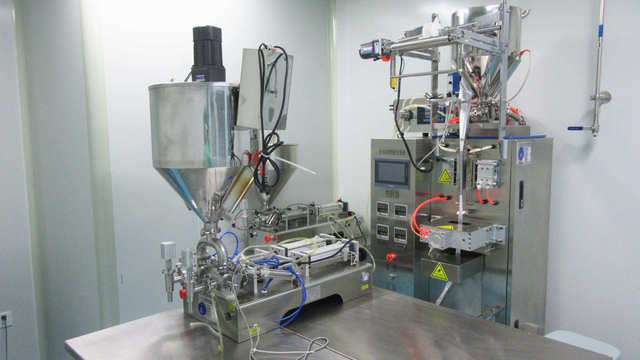
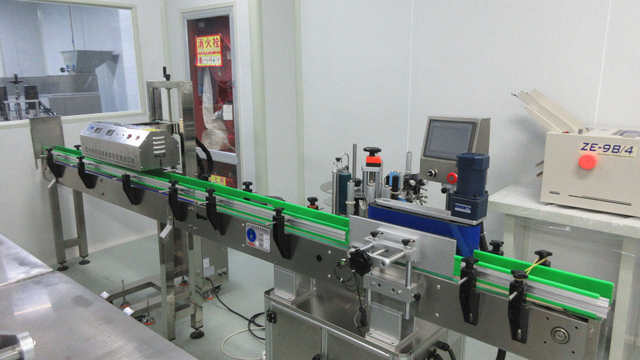
Step inside our advanced enzymatic cleavage, extraction, spray drying, and analytical control labs.

Connect with our technical sales engineers to request samples, get customized target molecular weights, or coordinate Halal-certified shipping to Indonesia.
Send Inquiry Now Fderla Biology