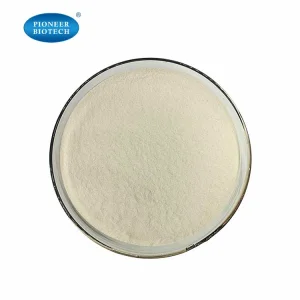
Evaluating the convergence of food fortification, aquaculture optimization, and skincare formulation in the Philippines' primary industrial hub.
Manila, serving as the commercial core of the Philippines, is experiencing a significant industrial shift toward clean-label, biofunctional, and highly soluble ingredients. The rapid growth of the domestic functional food market, combined with expanding poultry, livestock, and aquaculture sectors across Luzon, has created a major demand for premium raw materials. Among these, hydrolyzed animal protein has emerged as a key ingredient, valued for its rich amino acid profile, high digestibility, and excellent technical performance in formulation processes.
In Manila's competitive food manufacturing industry, companies are using hydrolyzed beef and fish proteins to meet the growing consumer demand for protein-enriched beverages, sports nutrition products, and healthy aging supplements. At the same time, the local cosmetic and skincare industry, driven by the regional popularity of skin-brightening and anti-aging routines, relies heavily on low-molecular-weight collagen peptides to formulate advanced serums and creams.
For industrial buyers, quality and regulatory compliance are essential. As Manila is a key gateway to the broader Southeast Asian market, complying with international standards—particularly Halal certification—is a major business priority. Importers require direct support from foreign manufacturers to handle the logistics of Manila’s ports while ensuring consistent batch quality and trace metal safety limits.
Understanding these challenges, modern manufacturers like Hangzhou Fderla Biology Co., Ltd. are aligning their production processes to meet Manila's specific regulatory, functional, and logistics requirements. This ensures a stable and reliable supply chain from factory floor to Manila Port.
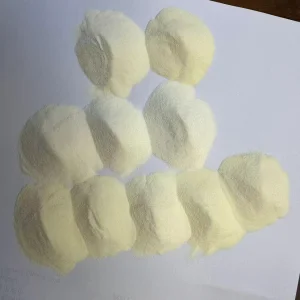
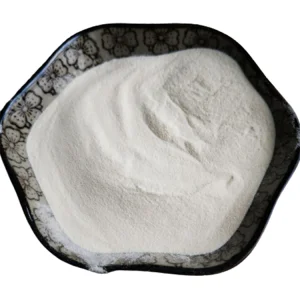
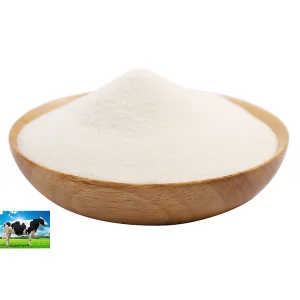
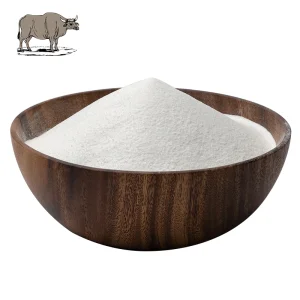
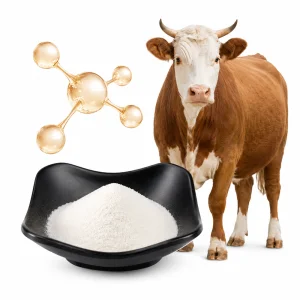
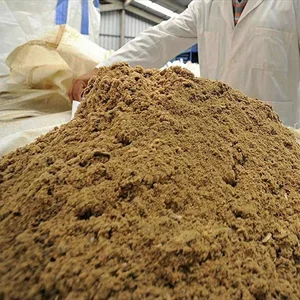
Premium bioactive peptide grades recommended for food processing, nutraceutical formulation, and cosmetic manufacturing.
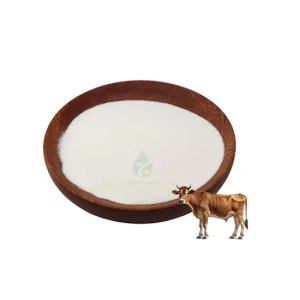
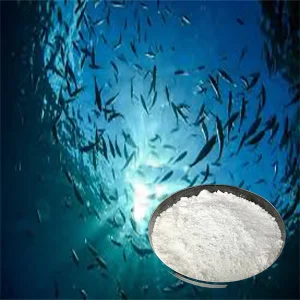
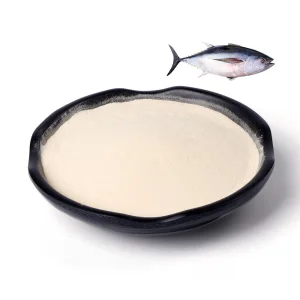
Critical commercial developments and regulatory changes shaping procurement strategies in Manila and globally.
The industry is moving away from basic high-molecular proteins toward highly targeted bioactive peptides. Controlled enzymatic hydrolysis allows manufacturers to produce collagen peptides under 2,000 Daltons. These small molecules are absorbed much more efficiently, making them highly desirable for health supplements and advanced skincare products.
For markets like the Philippines, Halal certification is crucial for distributing products nationwide, particularly into regions with large Muslim populations like Mindanao. Global exporters must maintain clean-label processing, ensuring products are free of chemical additives, heavy metals, and unauthorized veterinary residues.
Sustainable sourcing is a primary driver in modern protein manufacturing. Using fish scales, bovine hides, and food-grade bone materials that would otherwise go to waste allows factories to produce high-value collagen. This eco-friendly process appeals to environmentally conscious brands and consumer groups in the Manila metro area.
How advanced smart manufacturing and automated processing in China ensure supply chain reliability for Manila importers.
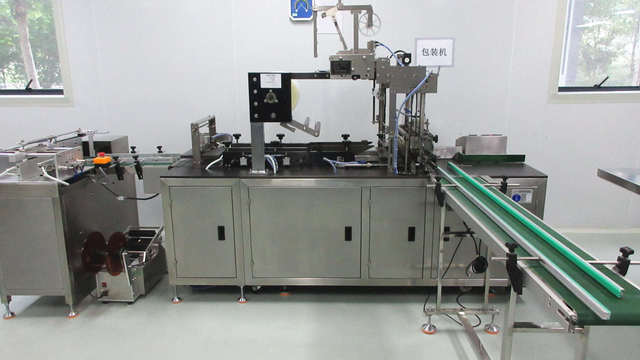
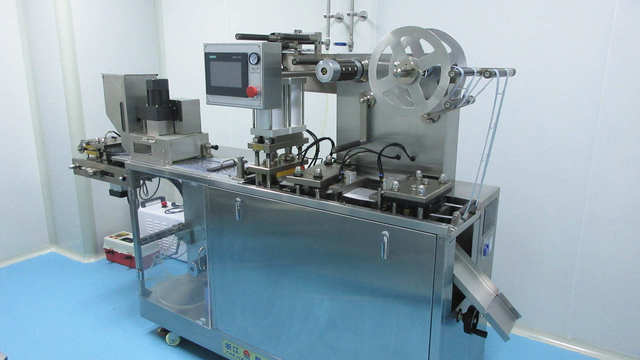
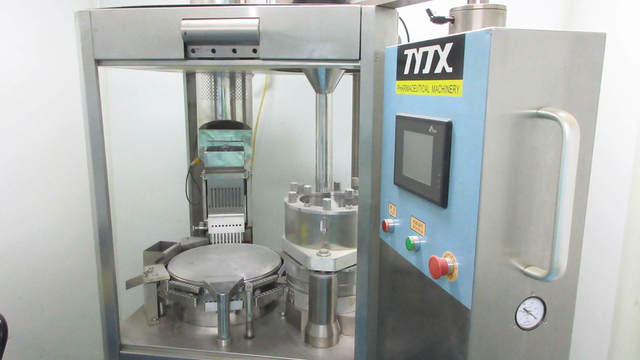
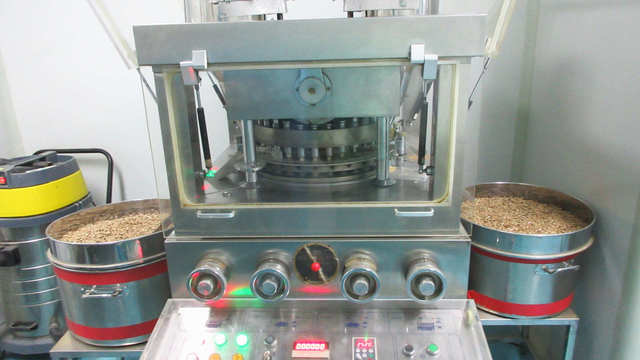
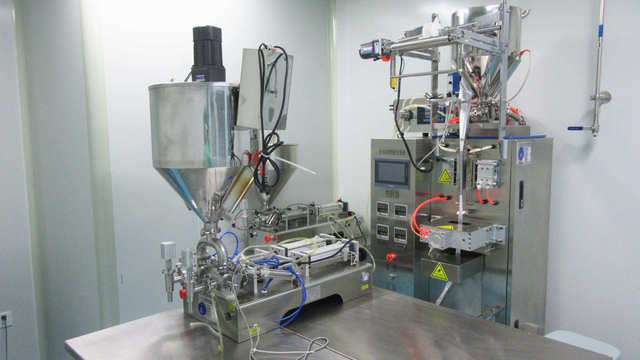
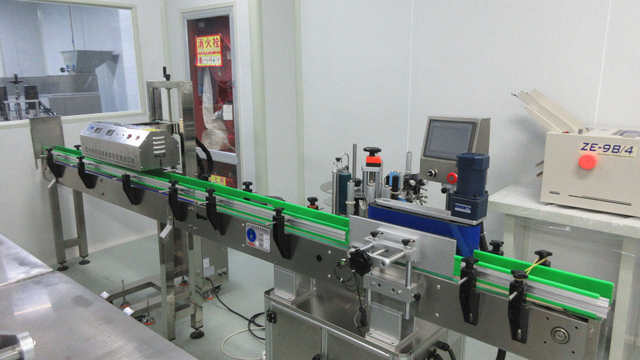
China's smart manufacturing infrastructure (Factory 4.0) uses fully automated control systems to monitor every phase of enzymatic hydrolysis. Advanced sensors continuously measure temperature, pH value, and enzyme concentration. This automated monitoring ensures that every batch matches the target peptide molecular distribution, avoiding the inconsistency common in older processing methods.
Located near major ocean transit hubs like Shanghai and Ningbo, Chinese exporters can offer fast and efficient shipping routes to the Philippines. Standard transit times to Manila South or North Harbor average just 7 to 10 days. This proximity allows food, pharmaceutical, and cosmetic companies in Manila to operate with smaller safety stocks, reducing storage fees and optimizing their working capital.
Modern factories operate under strict hazard control standards, including GMP, HACCP, and ISO certifications. Every raw material delivery is registered in a digital system, allowing full traceability from the initial farm sourcing to the final product shipment. This comprehensive tracking provides buyers in the Philippines with the exact safety documentation and analytical reports required for FDA compliance.
By using large-capacity bioreactors and automated spray-drying systems, China's modern factories can maintain high-volume production with minimal energy consumption. This scale of operation enables manufacturers to offer highly competitive bulk prices without compromising on the quality and purity of the protein powder.
How hydrolyzed animal proteins are formulated and used across various sectors in Metro Manila and neighboring provinces.
Local brands in Metro Manila are actively introducing collagen-infused coffees, meal-replacement shakes, and functional snacks. Hydrolyzed bovine and fish collagens are ideal for these products because they dissolve quickly in liquids without altering the flavor, aroma, or texture of the beverage.
Skin wellness and anti-aging treatments are key growth areas for Philippine beauty brands. Low-molecular-weight fish collagen peptides are widely used in whitening serums, moisturizing face masks, and daily creams, offering excellent skin absorption and contributing to formulation stability.
For fish farms in regions like Bulacan and Laguna, yeast hydrolysates and hydrolyzed feather meal are vital protein sources. These ingredients improve digestion and absorption rates in tilapia and shrimp feed formulations, supporting faster growth and stronger disease resistance in hot tropical climates.
Explore our full selection of animal-derived and plant-derived proteins, manufactured under strict quality standards for worldwide distribution.
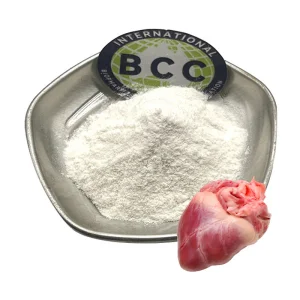
Additional products from our export list configured for high-performance applications.
Expert technical answers addressing formulation, compliance, shipping logistics, and quality assurance for importing into Manila.
Learn more about our R&D focus, production capacity, and commitments as a global bioactive peptide supplier.
Hangzhou Fderla Biology Co., Ltd. is a professional hydrolyzed protein manufacturer and bioactive peptide supplier based in Hangzhou, China. The company focuses on the research, development, production, and global export of high-quality protein hydrolysates for food, cosmetic, and nutritional applications.
With advanced biotechnology processes and strict quality control systems, Fderla Biology produces a wide range of hydrolyzed protein ingredients, including plant-based, animal-based, and marine-derived protein peptides. These materials are widely used in functional foods, dietary supplements, skincare formulations, hair care products, and sports nutrition solutions.
The company integrates modern enzymatic hydrolysis technology with scientific formulation expertise to ensure high bioavailability, easy absorption, and stable performance of its protein products. Each batch is carefully tested to meet international standards for purity, safety, and effectiveness.
Hangzhou Fderla Biology Co., Ltd. supports OEM and customized solutions for global clients, including ingredient formulation optimization, technical support, and bulk supply services. With a strong focus on innovation and sustainable biotechnology, the company continuously develops new functional peptide solutions for emerging market needs.
By combining scientific research, production excellence, and global service capability, Fderla Biology has become a trusted partner in the hydrolyzed protein and bioactive peptide industry, delivering reliable and high-performance ingredient solutions worldwide.

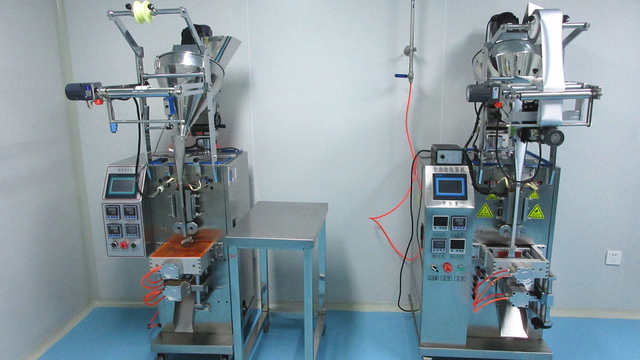
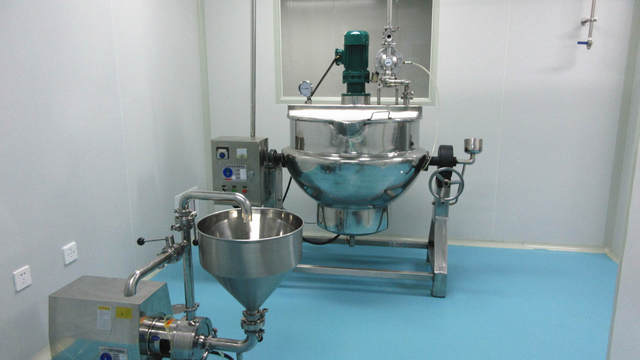
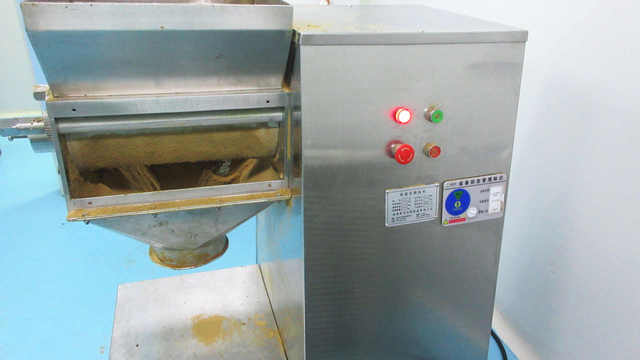
Whether you need custom molecular weight profiles, specific Halal documentation, or bulk shipping quotes to Manila, our technical team is ready to support your formulation project.
Send Inquiry Now Fderla Biology