High-demand bioactive peptides engineered specifically for Korea's cosmetic, wellness, and pharmaceutical industries.
The Seoul metropolitan area has solidified its position as one of the world's most dynamic hubs for functional cosmetics, advanced dermaceuticals, and wellness supplements. Known worldwide for the K-Beauty phenomenon, South Korea’s wellness consumer base demands unmatched ingredient efficacy. Within this market, Bioactive Hydrolyzed Protein Peptides have transitioned from basic food additives to highly specialized physiological agents. These micro-molecular fragments, consisting of short-chain amino acids, are characterized by high bioavailability, rapid absorption, and precise cell-signaling capabilities.
Why Seoul is Sourcing Globally:
With the domestic demand for anti-aging skin therapies, cognitive vitality formulations, and joint support supplements rising across South Korea, manufacturers in Seoul look beyond borders to secure reliable bulk supplies. Hangzhou Fderla Biology Co., Ltd. fills this role by exporting ultra-pure, enzymatically hydrolyzed peptides that meet K-FDA (MFDS) structural and purity guidelines, optimizing both active delivery and formula stability.
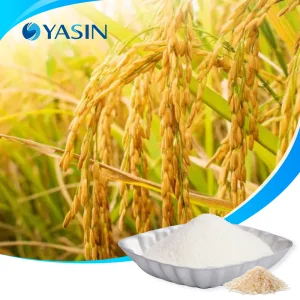
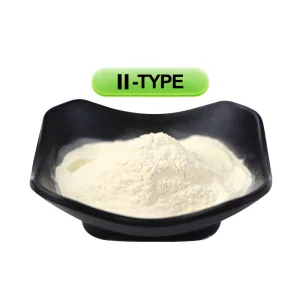
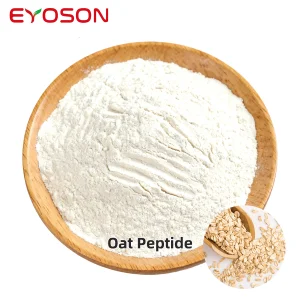
From animal-derived collagen fractions (such as type II cartilage and marine extracts) to hypoallergenic plant options like oat, rice, and pea oligopeptides, the diversity of active compounds is key to maintaining market share. Companies in Seoul are increasingly moving away from synthetic active ingredients, shifting focus toward natural bioactive protein hydrolysates. This transition relies on deep enzymatic hydrolysis technologies, where specific proteolytic enzymes break down native proteins into targeted molecular weight ranges (often under 1000 or even 500 Daltons) to bypass the digestive tract's delays and penetrate cellular membranes directly.
On a global scale, the market for bioactive hydrolyzed protein peptides is projected to see significant growth over the next decade. Industry analysts attribute this trajectory to several key factors:
Our biological engineering solutions prioritize clean extraction and targeted molecular designs.
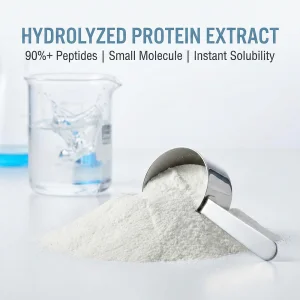
Gentle biological enzymatic cleavage processes ensure minimal allergens, high digestibility, and low molecular weight.
Quickly absorbed via the intestinal tract's peptide transport system (PepT1), bypassing slow digestive cycles.
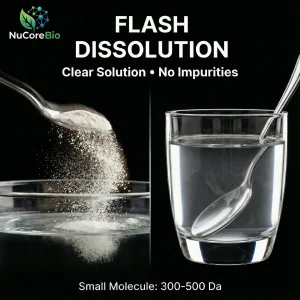
High solubility in water across wide pH ranges, excellent heat resistance, and structural stability in liquid forms.
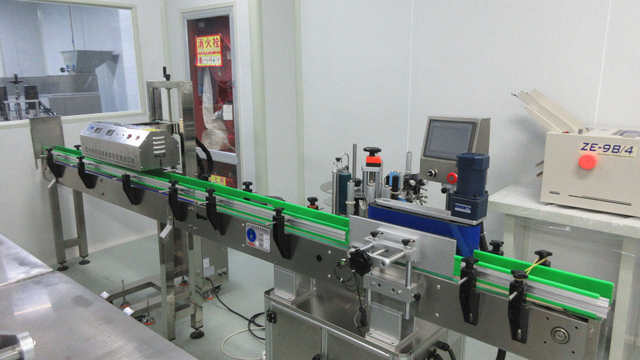
For brands and distributors in Seoul, supply chain reliability is a primary operational metric. Hangzhou Fderla Biology Co., Ltd. coordinates its raw material sourcing, processing, and shipping via a modern Factory 4.0 infrastructure. By integrating automated manufacturing systems, real-time quality monitoring, and computerized temperature-controlled fermentation, we provide consistent quality at scale.
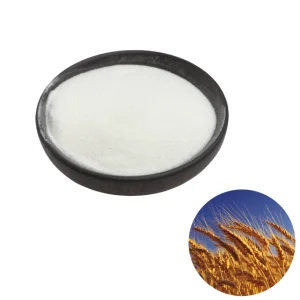
This automated approach minimizes raw material variance. Our production facility uses inline HPLC (High-Performance Liquid Chromatography) testing to evaluate the molecular weight distribution of every run. This diagnostic data helps ensure our marine collagens, wheat proteins, and oat peptides conform precisely to target profile parameters before leaving the facility.
Our bioactive hydrolyzed protein peptides are utilized across three primary market categories in South Korea:
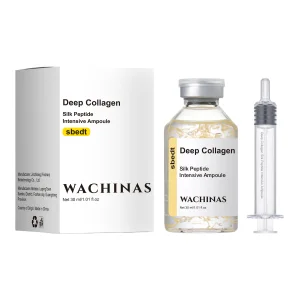
In Seoul's skincare development labs, our Deep Collagen Peptide Firming Essence and small-molecule plant oligopeptides are formulated into anti-aging lines. Because they pass through the stratum corneum more easily than unhydrolyzed proteins, these peptides help stimulate localized collagen synthesis, assisting with skin elasticity and hydration.
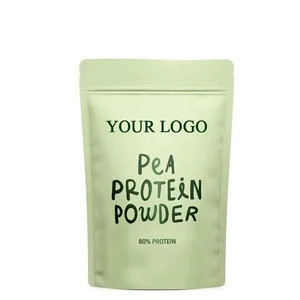
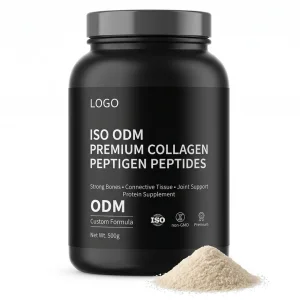
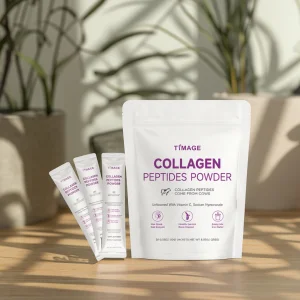
South Korea’s active "Inner Beauty" segment relies on functional stick packs, ready-to-drink (RTD) formulations, and jelly strips containing marine collagen peptides and plant-based protein powders (such as pea and oat). Because our peptides feature low viscosity and neutral taste profiles, they integrate smoothly into liquid formulations without affecting sensory properties.
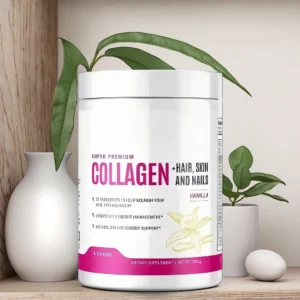
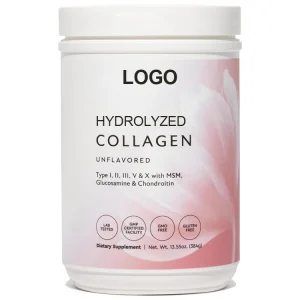
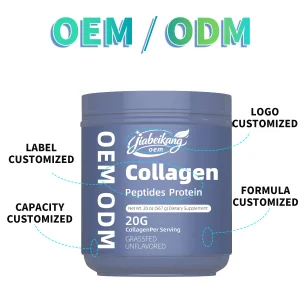
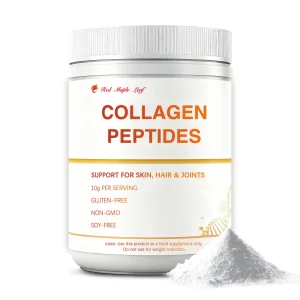
In fitness centers across Gangnam and Mapo, demand is rising for sports supplements that support recovery. Our Grass-Fed Hydrolyzed Collagen Peptides provide a clean profile of 18 amino acids, which support joint health, ligament recovery, and lean muscle tissue maintenance.
Explore our complete portfolio of plant-based, marine, and animal-derived hydrolyzed peptides, customized for global import standards.
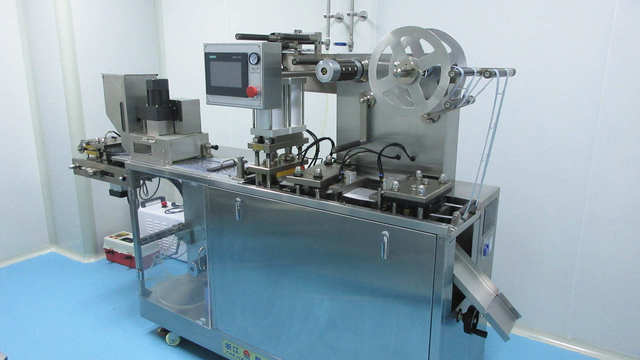
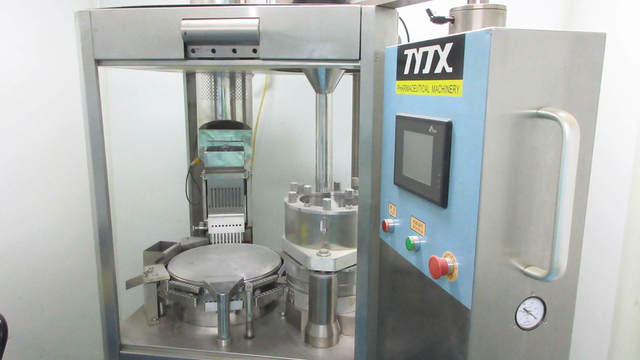
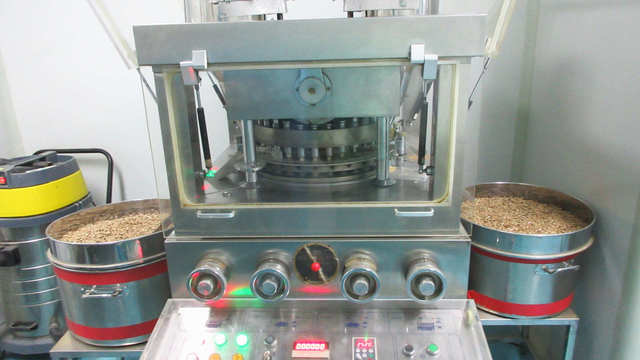
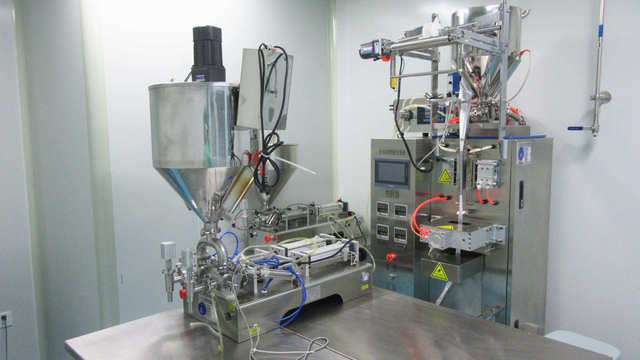
Take an inside look at our advanced manufacturing lines, quality assessment labs, and raw material storage facilities built to global certification criteria.

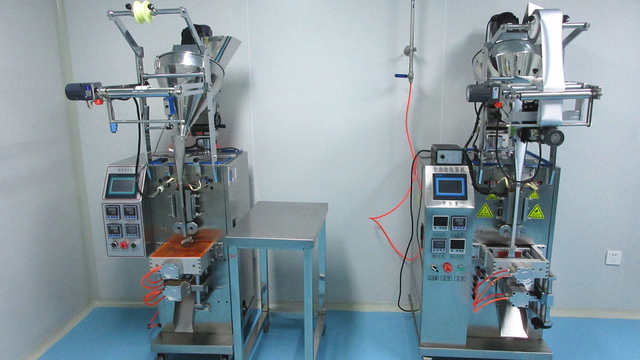
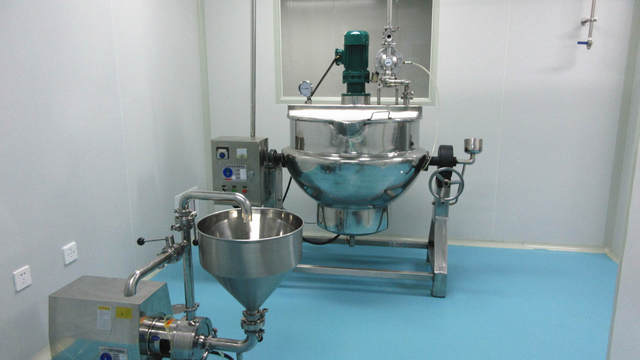
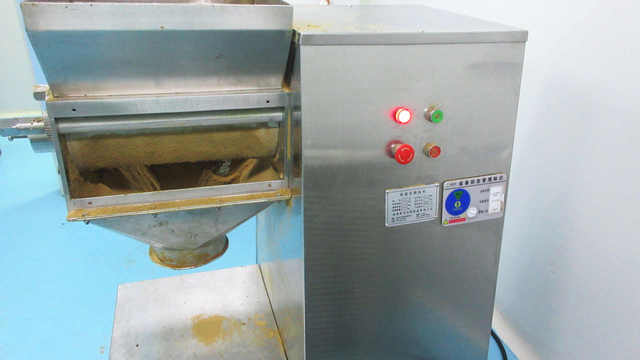
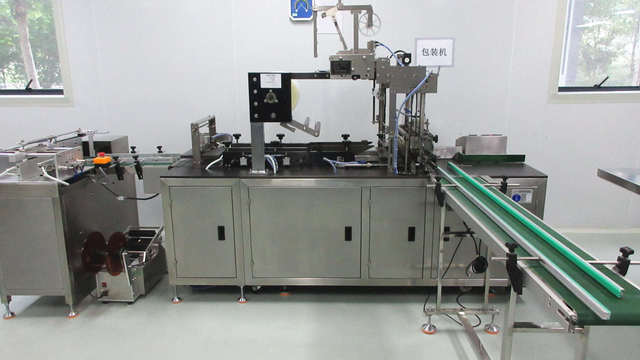
The core technology behind our bioactive peptide production is enzymatic hydrolysis. Unlike acid or alkaline hydrolysis, which can degrade fragile amino acids and yield high-salinity profiles, our process uses target-specific endopeptidases and exopeptidases. This reaction breaks down the peptide chains at specific peptide bonds, yielding consistent molecular weight distributions.
During processing, key metrics are controlled, including pH, temperature, and enzyme-to-substrate ratios. This monitoring helps us keep the final molecular distribution within the target range (typically 500 Da to 1500 Da). Peptides within this range can be directly absorbed through intestinal walls without requiring additional digestion by pancreatic enzymes, providing functional ingredients for recovery and beauty formulations alike.
 Fderla Biology