Discover our leading range of enzymatically hydrolyzed protein powders, designed for optimal solubility, allergen mitigation, and superior nutritional profiles in plant-based dairy, sports nutrition, and functional beverages.
The global dairy alternative market is undergoing an unprecedented technological evolution. According to recent market analysis, the industry is projected to exceed USD 48.8 billion by 2030, registering a compound annual growth rate (CAGR) of over 11.2%. At the heart of this rapid expansion lies a critical technical challenge: replicating the complex functional, nutritional, and organoleptic properties of bovine milk using plant-based and novel non-dairy protein sources. Intact plant proteins, while abundant, frequently suffer from limited solubility at low pH, gritty mouthfeel, suboptimal emulsifying capacity, and present distinct beany notes that alienate mainstream consumers.
To overcome these functional barriers, manufacturers are increasingly turning to enzymatically hydrolyzed proteins. Enzymatic hydrolysis uses targeted proteases to cleave specific peptide bonds, reducing the molecular weight profile of the parent protein. This molecular modification dramatically enhances thermodynamic stability, shifts the isoelectric point, and exposes hydrophilic amino acid residues, leading to exceptional solubility even in highly acidic Ready-To-Drink (RTD) beverage formats. By selectively regulating the Degree of Hydrolysis (DH), B2B manufacturers and suppliers can optimize emulsification, heat stability, and foam volume, creating plant-based milks, creamers, and yogurts that mimic the smooth, rich texture of dairy.
Traditional clean-label proteins often separate in coffee or acidic environments. Hydrolysis acts as a clean physical modification, maintaining high protein concentrations without requiring synthetic stabilizers or high-sodium buffering agents.
The transition from raw protein isolates to functional dairy-alternative matrices requires meticulous biochemical engineering. During enzymatic hydrolysis, peptide bonds are cleaved via specific endo- and exopeptidases. The control parameters—such as enzyme-to-substrate ratio, temperature, pH, and reaction time—determine the resulting Molecular Weight Distribution (MWD).
For instance, high-molecular-weight proteins (>50 kDa) generally possess superior gelling capabilities, which is highly beneficial in vegan cheese and yogurt applications. Conversely, low-molecular-weight peptides (<5 kDa, and ideally between 500-1000 Da) display near-perfect water solubility and rapid gastrointestinal absorption, making them excellent candidates for functional RTD dairy-free protein shakes, creamers, and nutritional supplements. Striking the balance between the Degree of Hydrolysis (DH) and sensory acceptance is the key indicator of a premium supplier's technical prowess, as excessive hydrolysis can generate bitter-tasting hydrophobic peptides containing terminal leucine or phenylalanine residues. Leading-edge manufacturers utilize advanced sensory optimization and precise exopeptidase treatments to eliminate these bitter notes, delivering a neutral taste profile without relying on added maskers or sugars.
Enzymatic cleaving exposes buried polar zones, preventing aggregation at the isoelectric point and ensuring the protein stays in suspension across a wide pH range (3.5 - 7.0).
Hydrolysis alters epitope structures responsible for IgE binding. This is highly effective in milk, soy, and wheat proteins, enabling hypoallergenic claims.
Modified peptides reduce surface tension at the oil-water interface, stabilizing fat globules in plant milks to prevent phase separation and oiling-off.
To assist product developers and procurement managers in sourcing the highest-quality functional components, we have evaluated the top 10 hydrolyzed proteins utilized in modern plant-based and hybrid dairy-alternative formulations.
Hydrolyzed Pea Protein is the gold standard for hypoallergenic plant-based dairy. Boasting an excellent amino acid profile high in branched-chain amino acids (BCAAs), it serves as a highly functional direct substitute for casein. Selective hydrolysis improves its emulsifying capabilities, preventing sediment formation in oat, almond, and soy milk blends. The neutral taste profile simplifies flavor formulations.
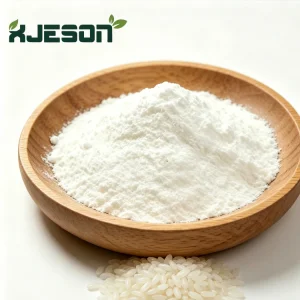
Highly regarded for its gentle digestion, Hydrolyzed Rice Protein is a primary ingredient in hypoallergenic infant formulas and clean-label non-dairy milk bases. Its natural abundance of methionine makes it an ideal nutritional complement to legumes (such as pea protein) to form a complete protein with a PDCAAS of 1.0. Hydrolysis overcomes the natural insolubility of raw rice protein, creating a smooth mouthfeel.
For hybrid dairy formulations or products targeting consumers with lactose sensitivities but no milk-allergy, Hydrolyzed Milk Protein offers authentic dairy flavor and functional performance. It has undergone enzymic breakdown of allergen-heavy casein and whey fractions, facilitating easier digestion while maintaining its high nutritional value.
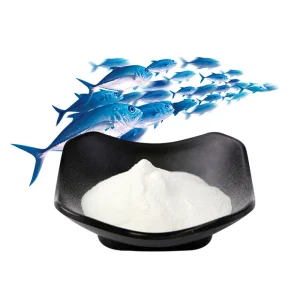
Targeting the beauty-from-within segment, marine collagen is highly sought after for premium, functional dairy-alternative beverages. When hydrolyzed down to 500-1000 Daltons, these peptides become completely odorless, transparent, and water-soluble. They blend seamlessly into functional RTD milk beverages, providing joint and skin wellness benefits without altering texture.
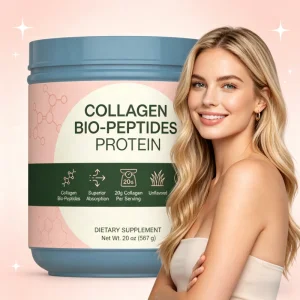
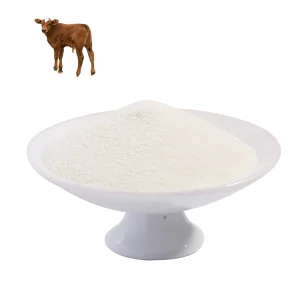
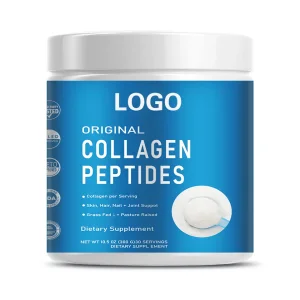
Derived from pasture-raised, grass-fed bovine sources, this unflavored collagen powder is designed for lifestyle wellness drinks. It features excellent solubility and stability under heat, making it suitable for both cold creamers and hot barista-grade plant milks. Its neutral sensory profile ensures the final vanilla, chocolate, or natural dairy flavors remain uncompromised.
Used predominantly in sports nutrition-focused hybrid dairy alternatives, Hydrolyzed WPI provides rapid absorption. The pre-digested peptide chains minimize gastric transit time, delivering fast muscle recovery benefits. It is low in fat and carbohydrate levels, making it ideal for low-sugar and keto-friendly high-protein RTD formulations.
A novel ingredient gaining rapid traction in the sustainable pet food sector, hydrolyzed BSF peptide powder offers a hypoallergenic alternative to traditional pet milks. Because it is enzymatically cleaved, it is highly bioavailable and gentle on the digestive systems of cats and dogs, supporting sustainable, insect-based pet nutrition.
HAP with 95%+ purity serves as both a nutritional booster and a clean-label flavor enhancer. Its rich peptide composition helps build body and mouthfeel in savory non-dairy formulations, such as plant-based cream soups, sauces, and cheese alternatives, providing a savory depth that balances the overall flavor profile.
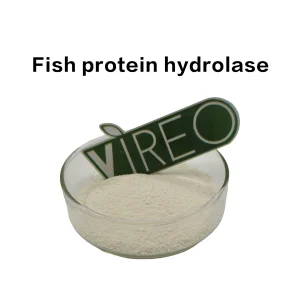
Utilized primarily for functional animal feed and specialty pet beverages, this ingredient undergoes intensive enzymatic hydrolysis to achieve excellent water solubility. It is rich in bio-active peptides, improving immunity and growth performance in aquaculture and young livestock milk-replacer formulas.
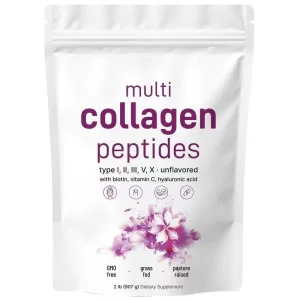
Combining Type I, II, III, V, and X collagen, this complex hydrolyzed peptide powder provides comprehensive structural support for hair, skin, nails, and joints. Perfect for premium functional dairy-free milks and lifestyle nutrition products, it offers high thermal stability and dispersibility, making it easy to incorporate into industrial packaging lines.
Hangzhou Fderla Biology Co., Ltd. is a professional hydrolyzed protein manufacturer and bioactive peptide supplier based in Hangzhou, China. The company focuses on the research, development, production, and global export of high-quality protein hydrolysates for food, cosmetic, and nutritional applications.
With advanced biotechnology processes and strict quality control systems, Fderla Biology produces a wide range of hydrolyzed protein ingredients, including plant-based, animal-based, and marine-derived protein peptides. These materials are widely used in functional foods, dietary supplements, skincare formulations, hair care products, and sports nutrition solutions.
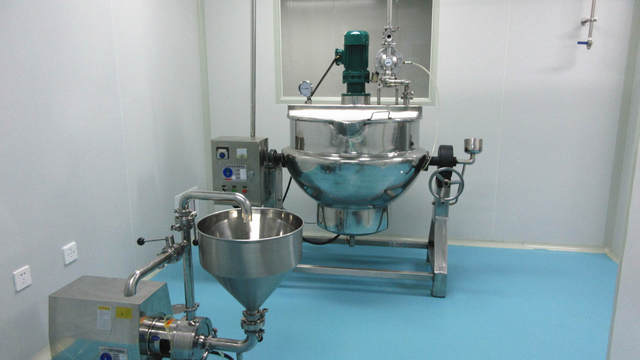
The company integrates modern enzymatic hydrolysis technology with scientific formulation expertise to ensure high bioavailability, easy absorption, and stable performance of its protein products. Each batch is carefully tested to meet international standards for purity, safety, and effectiveness.
Hangzhou Fderla Biology Co., Ltd. supports OEM and customized solutions for global clients, including ingredient formulation optimization, technical support, and bulk supply services. With a strong focus on innovation and sustainable biotechnology, the company continuously develops new functional peptide solutions for emerging market needs.
By combining scientific research, production excellence, and global service capability, Fderla Biology has become a trusted partner in the hydrolyzed protein and bioactive peptide industry, delivering reliable and high-performance ingredient solutions worldwide.
The operational conditions for dairy alternatives vary significantly by global region. A formula successful in North America might require major revisions to meet European regulations or satisfy Asian flavor expectations. Premium suppliers like Hangzhou Fderla Biology customize their solutions to match these regional differences.
Focuses on high-protein, zero-sugar keto and paleo RTD shakes. Clean-label, non-GMO hydrolyzed pea and grass-fed collagen peptides are preferred to ensure compatibility with high-temperature pasteurization (UHT).
Requires strict non-GMO compliance and non-allergen labeling. Clean-label organic pea and rice protein isolates are heavily preferred for barista-grade oat milks, requiring stability against feathering in acidic hot coffee.
Driven by high rates of lactose intolerance, this region prioritizes smooth textures and neutral tastes in tea and coffee creamers. Solubility and neutral mouthfeel are key technical requirements.
Moving away from broad-spectrum proteases. Modern manufacturers use predictive AI modeling to select specific enzymes that cleave target sites, preventing the formation of bitter hydrophobic residues while maximizing solubility.
Co-hydrolysis of plant and marine/animal peptides to create balanced amino acid profiles and enhance functional cross-linking. This provides superior stretch and melt in vegan cheese alternatives.
Combining plant-derived hydrolyzed proteins with recombinant dairy proteins (like bio-identical whey and casein) to produce sustainable, animal-free dairy products indistinguishable from traditional cow's milk.
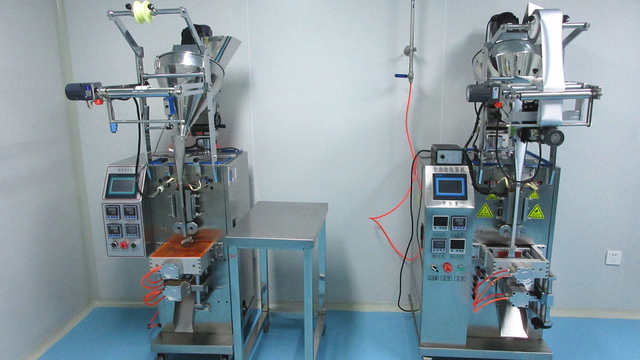
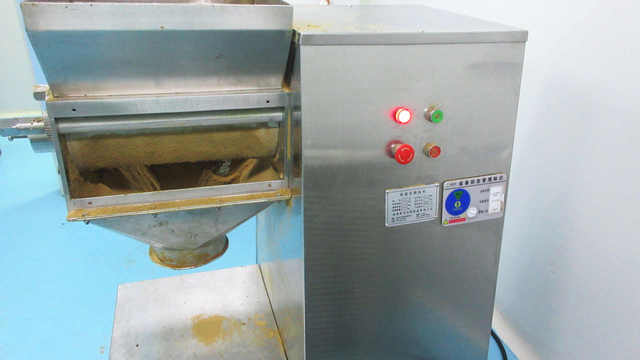
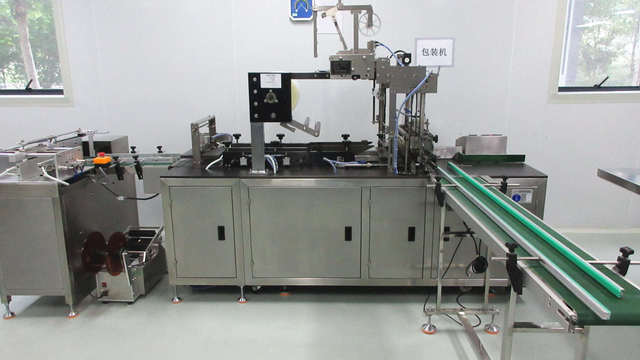
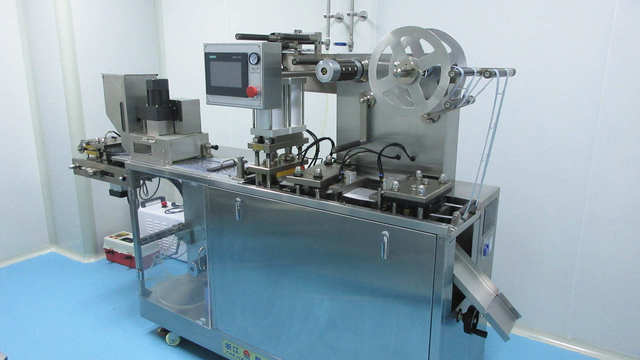
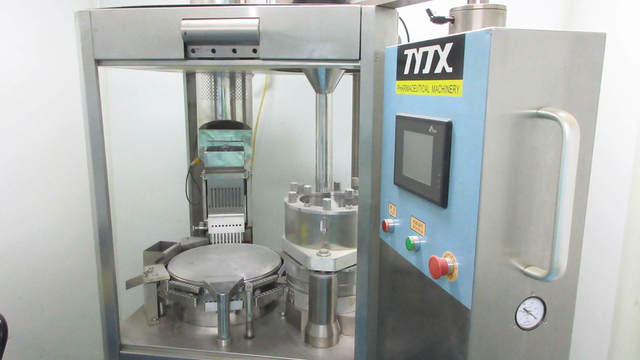
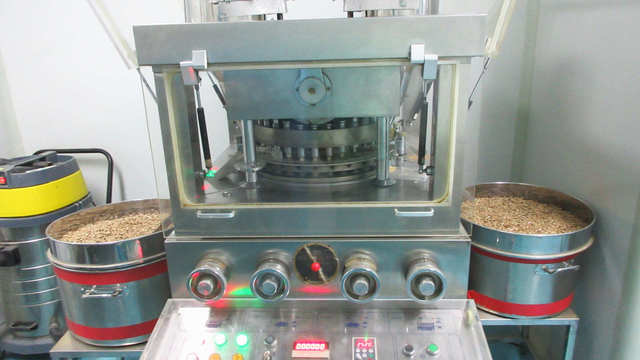
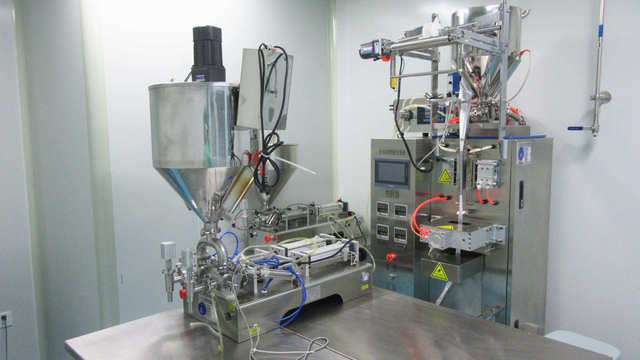
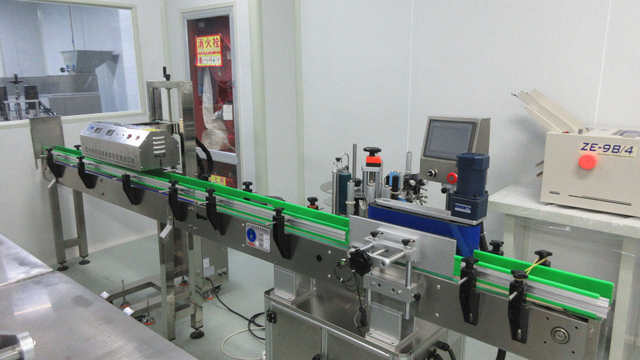
In the highly competitive food and beverage sector, product development timelines are critical. Sourcing from a reliable, vertically integrated manufacturer like Hangzhou Fderla Biology Co., Ltd. simplifies procurement. Fderla Biology provides comprehensive B2B supply chain solutions, offering custom dry-blending, raw material processing, and customized packaging services. This helps manufacturers scale production efficiently while maintaining high standards of quality assurance.
Our quality control processes ensure each batch of hydrolyzed protein meets stringent global requirements, including heavy metal testing, microbiological assays, and strict allergen cross-contamination controls. This commitment to quality allows brands to meet compliance standards in major global markets like the US, EU, and APAC, reducing regulatory risks and accelerating time-to-market.

 Fderla Biology