Select industrial-grade protein hydrolysates and bioactive formulations engineered for food processing, clinical nutrition, cosmetics, and agricultural applications.
Understanding the biological efficacy, processing dynamics, and market positioning of advanced milk protein hydrolysates.
Hydrolyzed casein protein represents the peak of milk protein processing technology. Unlike intact micellar casein, which forms a gel structure in the stomach and digests slowly over 6 to 8 hours, hydrolyzed casein undergoes intensive enzymatic cleavage. This breaks down the complex protein structures into short-chain di- and tri-peptides, dramatically accelerating gastric emptying and gastrointestinal absorption.
From a B2B procurement standpoint, hydrolyzed casein is no longer restricted to specialty infant formulas. Its application space has expanded into clinical nutrition (hypoallergenic tube-feeding formulations), sports recovery supplements (where rapid peptide delivery is critical), and bioactive therapeutics targeting sleep regulation and anxiety management. The presence of specific bioactive peptides, such as casomorphins and casokinins, provides manufacturers with strong biochemical claims regarding cardiovascular health and nervous system regulation.
How molecular weight, peptide sequencing, and Degree of Hydrolysis (DH) dictate commercial applications.
| Protein Source / Type | Typical DH (%) | Avg. Peptide Size | Primary Commercial Target | Functional Highlight |
|---|---|---|---|---|
| Micellar Casein (Intact) | 0% | > 30,000 Da | Night-time recovery, steady amino release | High viscosity, slow digestion |
| Partially Hydrolyzed Casein | 5% - 12% | 3,000 - 8,000 Da | Active lifestyle beverages, sports powder | Improved solubility, reduced bitterness |
| Extensively Hydrolyzed Casein | 15% - 30% | < 2,000 Da | Hypoallergenic infant formula, clinical nutrition | Virtually allergen-free, rapid assimilation |
| Targeted Bioactive Peptides | Custom | < 1,000 Da | Nutraceuticals (Sleep, Anxiety, Blood Pressure) | Contains high concentrations of functional sequences |
Selecting the appropriate degree of hydrolysis is a critical balance between organoleptic properties (taste profiles) and functional efficiency. As the degree of hydrolysis increases, hydrophobic amino acids are exposed, which can lead to a bitter taste. Top-tier manufacturers resolve this through precision multi-enzyme configurations and specialized filtration systems to select only the desired peptide fractions, ensuring excellent solubility and a clean taste profile.
Based in the biotechnology hub of Hangzhou, China, Hangzhou Fderla Biology Co., Ltd. stands as a premier manufacturer and supplier of high-end bioactive peptides and hydrolyzed proteins. Fderla operates at the intersection of modern biotechnology and industrial scalability, offering tailor-made ingredient solutions for the global food, cosmetic, pharmaceutical, and animal feed markets.
Fderla’s competitive edge lies in its integration of advanced enzymatic hydrolysis technologies with scientific formulation expertise. By maintaining rigorous, pharmaceutical-grade quality control systems, Fderla ensures that every batch meets stringent international standards for chemical purity, heavy metal limits, biological safety, and solubility parameters.
How smart production and location economics combine to deliver superior peptide consistency.
Modern facilities employ closed-loop bioreactors with real-time pH, temperature, and agitation adjustments. This minimizes batch-to-batch variation, ensuring a highly consistent molecular weight profile.
Using precise membrane cutoffs, factories isolate target peptides while removing heavy metals, free salts, and unhydrolyzed proteins, creating clean-label ingredients.
Positioned near major shipping routes, Chinese manufacturers optimize logistics networks. This structural integration ensures reliable delivery windows even amidst global shipping fluctuations.
Avoid formulation issues by auditing suppliers on these critical technical metrics.
Casein peptides are highly hygroscopic (they easily absorb moisture from the air). Therefore, robust packaging is essential. Standard industrial packaging requires double-layer PE inner liners protected by high-density fiber drums.
To prevent clumping during maritime transit, verify that shipping containers use silica desiccant bags and maintain strict humidity control under 60% RH.
How target industries deploy hydrolyzed casein for performance and regulatory compliance.
Infants with cow's milk protein allergy (CMPA) require extensively hydrolyzed protein. Hydrolysis breaks down the main allergenic epitopes of beta-casein, making the formula safe and easily digestible.
For patients with compromised GI tracts, hydrolyzed casein supplies essential amino acids without taxing the digestive system. Its low osmotic pressure prevents GI distress during tube feeding.
Specific casein peptides act as natural GABA-A receptor agonists, promoting relaxation and sleep. These clean-label bioactive peptides are increasingly used in anti-stress gummies and recovery drinks.
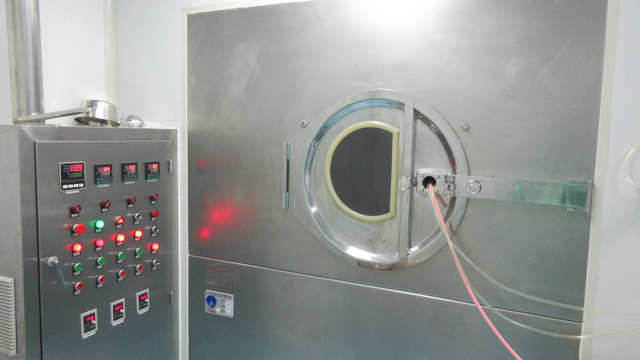
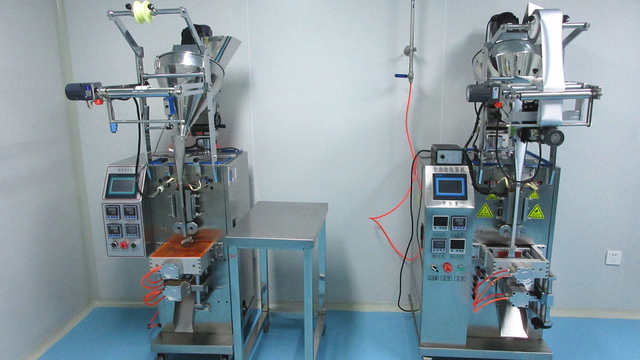
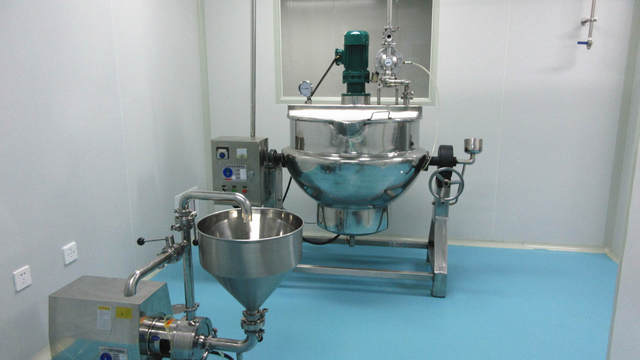
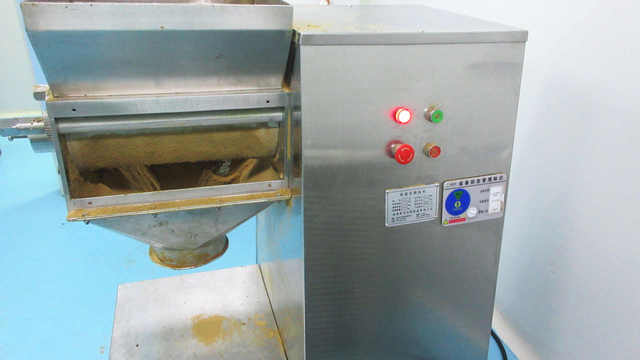
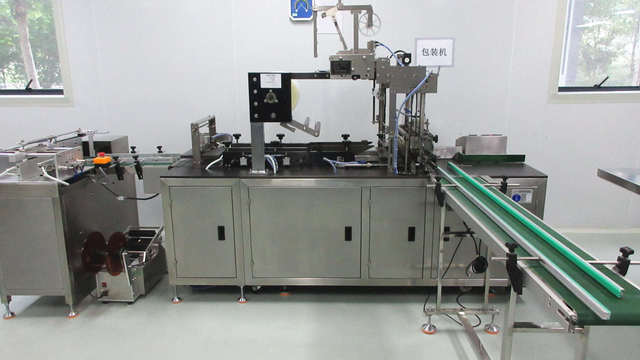
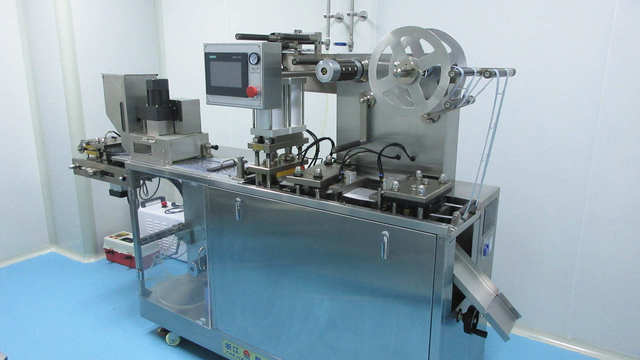
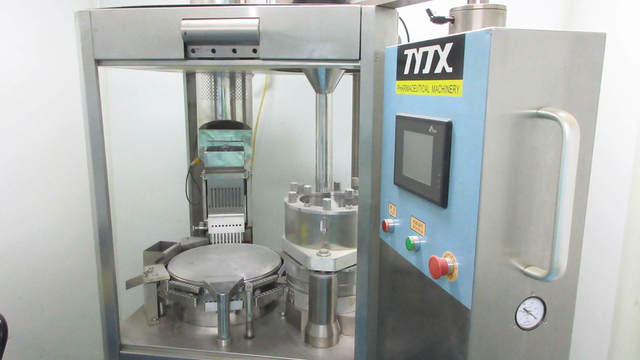
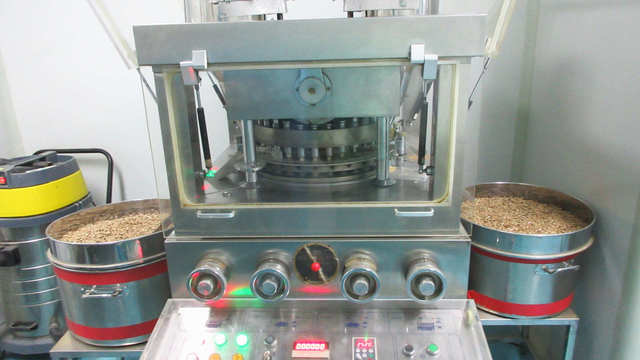
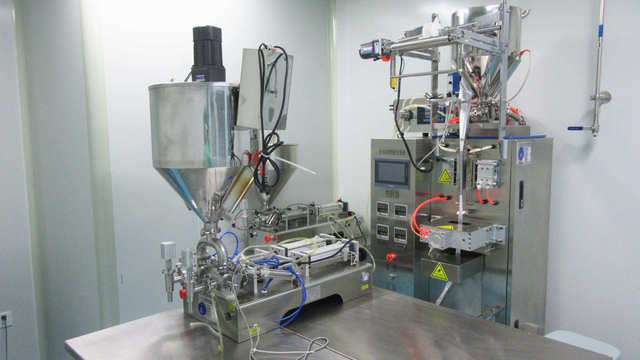
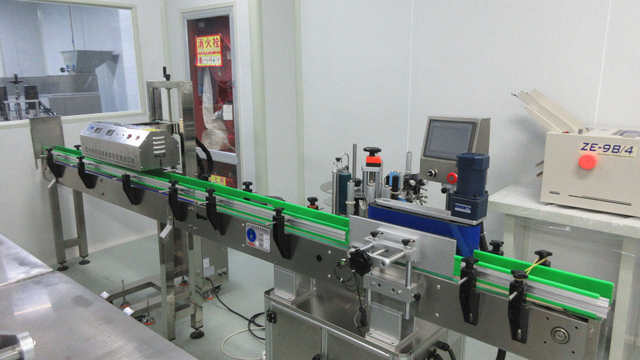
A look inside our advanced manufacturing facility, raw material controls, and analytical laboratory testing.
Technical and logistical insights for quality managers and global sourcing professionals.
From plant-based peptides to specialty marine and cosmetic ingredients, explore our comprehensive selection.
 Fderla Biology