Select from our premium, high-solubility bioactive peptide systems engineered for nutritional, culinary, and personal care formulations.
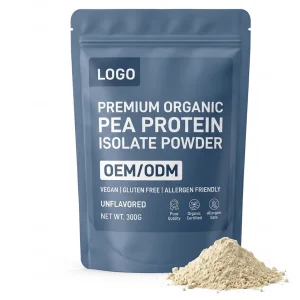
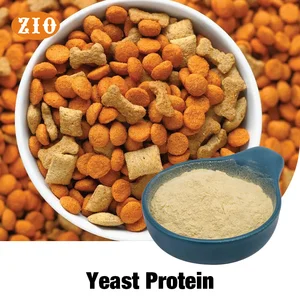
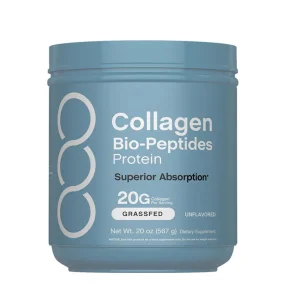
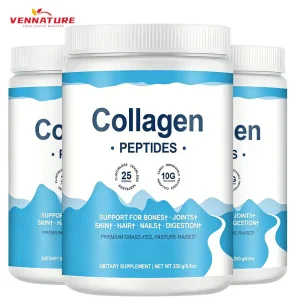
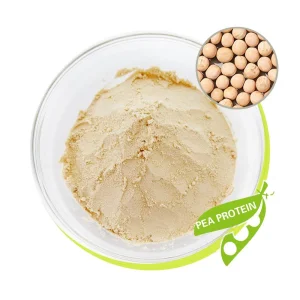
Hangzhou Fderla Biology Co., Ltd. presents a technical analysis on the critical application of premium protein hydrolysates to achieve flavor elevation, salt resilience, and thermal stability in global condiment systems.
In the highly competitive global condiment industry, the demand for sophisticated flavor profiles, clean-label compliance, and physical stability is at an all-time high. Condiment formulators are moving away from traditional, chemically synthesized flavor enhancers (such as monosodium glutamate and artificial flavorings) in favor of naturally derived macromolecular complexes. Hydrolyzed Vegetable Proteins (HVP) and plant/animal-derived peptides represent the apex of this transition.
At Hangzhou Fderla Biology Co., Ltd., we utilize advanced bio-enzymatic cleavage pathways to transform raw proteins (derived from soy, wheat, peas, rice, and marine sources) into high-affinity bioactive peptides. When formulated into soy sauces, oyster sauces, salad dressings, gravies, and hot-pot bases, these specialized proteins act as essential building blocks for mouthfeel (body), umami synergy, and emulsion stability.
Understanding how molecular weight distribution (MWD) influences flavor kinetics and physical properties in liquid and semi-solid food systems.
Unlike traditional acid-hydrolyzed vegetable proteins (aHVP), which risk the formation of undesirable byproducts like 3-MCPD (3-monochloropropane-1,2-diol), Fderla Biology employs a strictly controlled enzymatic hydrolysis process. Utilizing specific endopeptidases and exopeptidases, we precisely break peptide bonds to achieve clean, customizable molecular distributions.
| Peptide Class / MWD | Predominant Source Materials | Functional Impact in Sauces | Key Application Matrix |
|---|---|---|---|
| Oligopeptides (< 1,000 Da) | Soy, Wheat, Pea | Rapid dissolution, high umami presentation, immediate taste release | Soy sauce, Teriyaki, dipping sauces, dry soup mixes |
| Medium Peptides (1,000 - 3,000 Da) | Rice, Soy, Yeast | Enhances body (mouthfeel), masks metallic off-notes, stabilizes high-salt solutions | Oyster sauces, BBQ sauces, simmer sauces, gravies |
| Polypeptides (> 3,000 Da) | Marine, Whey, Milk | Emulsification stability, fat-binding, viscosity modification | Mayonnaise, salad dressings, cream-based pasta sauces |
By adjusting the hydrolysis duration, enzyme concentration, temperature, and pH, we produce customized powders and liquids that seamlessly blend into existing recipes without altering the manufacturer's operational machinery.
Industrial food manufacturing requires precise ingredient behavior under diverse culinary conditions.
By leveraging the rich glutamic and aspartic acid profile of our hydrolyzed plant proteins, sauce manufacturers can reduce added MSG and table salt by up to 30% while retaining the sensory perception of full salt and umami depth.
In emulsified dressings, oil-in-water matrices are prone to phase separation. Our functional peptides shield oil droplets, maintaining consistent emulsion, texture, and viscosity over extended shelf lives under room and chilled storage.
Condiment processing often involves intense thermal treatment (UHT or retort pasteurization) and low pH levels (acidic conditions). Fderla's hydrolyzed proteins remain stable without precipitating, denaturing, or losing their flavor-enhancing capabilities.
Hangzhou Fderla Biology Co., Ltd. integrates smart manufacturing technologies to deliver unparalleled consistency, capacity, and cost advantages to the international marketplace.
Operating out of Hangzhou, China, our advanced facility utilizes Industry 4.0 paradigms. Fully automated bioreactors monitor critical points (enzymatic dosing, temperature curves, pH equilibrium, and membrane filtration) in real-time. This eliminates human error and guarantees that the product molecular weight distribution remains consistent from batch to batch, ensuring predictable behavior in our customers' industrial production lines.
By localizing raw plant-based and marine protein procurement, our facility bypasses international upstream delays. Our strategic proximity to major logistics hubs and ports ensures streamlined container loading and rapid customs clearance, providing a resilient supply chain for multinational food manufacturers.
Entering diverse international consumer markets requires compliance with local regulations. Hangzhou Fderla Biology Co., Ltd. provides robust certification dossiers and technical documentation to streamline global procurement.
Our products are manufactured under rigorous quality systems including ISO 22000, HACCP, GMP, Kosher, and Halal certifications. We ensure full traceability from raw agricultural materials to the final packaged powder. Whether your target market demands non-GMO soybean derivatives, gluten-free rice proteins, or allergen-free pea protein peptides, our R&D team can adjust the starting substrate and processing parameters to match your specific clean-label and labeling requirements.
Every wholesale shipment from Hangzhou Fderla Biology is accompanied by a comprehensive technical package:
Common inquiries regarding properties, selection, and sourcing of hydrolyzed protein systems for condiment formulations.
Traditional acid HVP uses hydrochloric acid at high temperatures, which can form chemical byproducts such as 3-MCPD. Fderla Biology utilizes 100% enzymatic hydrolysis, employing natural proteases to break down the protein matrix under mild temperature and pH conditions. This yields a clean, premium-grade peptide powder that is completely free of chloropropanols like 3-MCPD, meeting strict European and North American food safety regulations.
Enzymatic hydrolysis releases high concentrations of free glutamic and aspartic acids from raw protein matrices. These naturally occurring amino acids, combined with small peptide chains (oligopeptides), bind to taste receptors on the tongue, creating a synergistic umami sensation. This natural flavor profile allows formulators to remove monosodium glutamate (MSG) from their ingredient deck, satisfying clean-label demands.
Yes, our hydrolyzed plant proteins (such as soy, pea, and rice peptides) are engineered for high solubility. By controlling the molecular weight distribution (focusing on fractions below 1,500 Da), we ensure that the powders dissolve rapidly in cold and warm aqueous environments without leaving grit, residue, or forming precipitates during storage.
We employ a fully automated, PLC-controlled enzymolysis and spray-drying line in Hangzhou. Parameters like raw material protein input density, enzyme-to-substrate ratio, temperature profiles, and drying parameters are monitored and recorded electronically. Each batch undergoes high-performance liquid chromatography (HPLC) testing to confirm the molecular weight distribution matches specification before dispatch.
Our standard packaging for industrial orders is 20kg or 25kg multi-layer kraft paper bags with a food-grade PE inner liner, or custom super sacks (tote bags) up to 1,000kg. The shelf life of our dry powder ingredients is 24 months from the date of manufacture when stored in a cool, dry place in original unopened packaging.
Explore our range of animal feed, personal care, and specialty nutrition protein products.
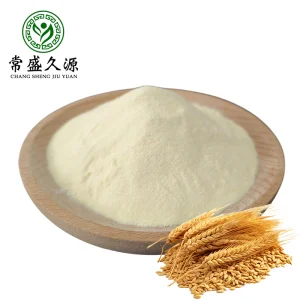
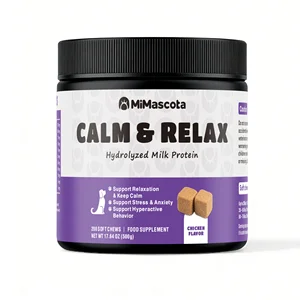
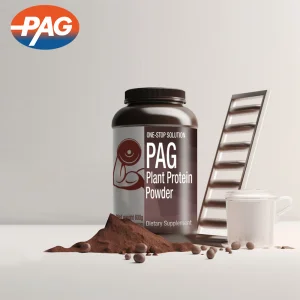
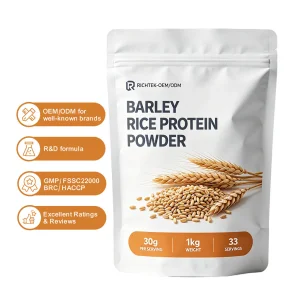
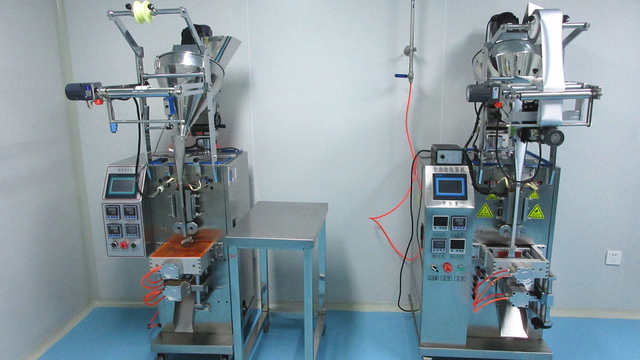
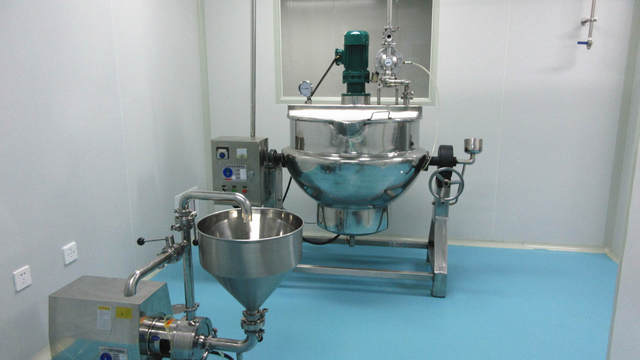
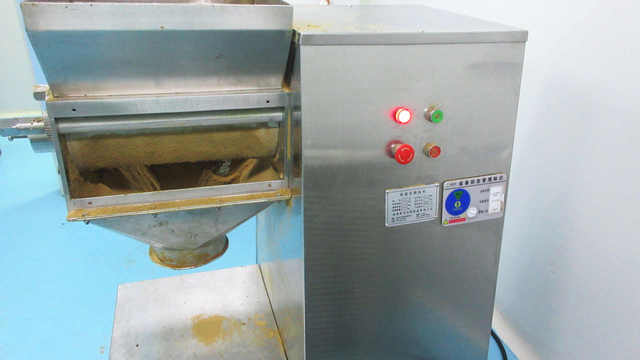
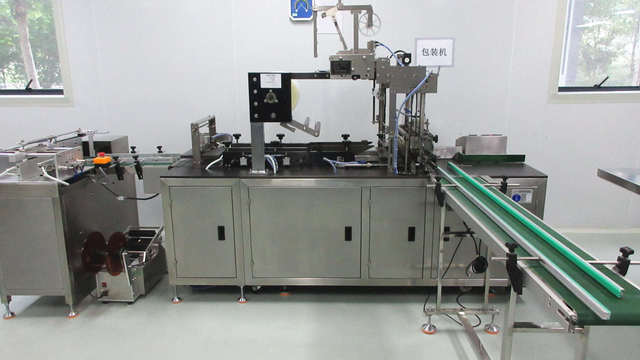
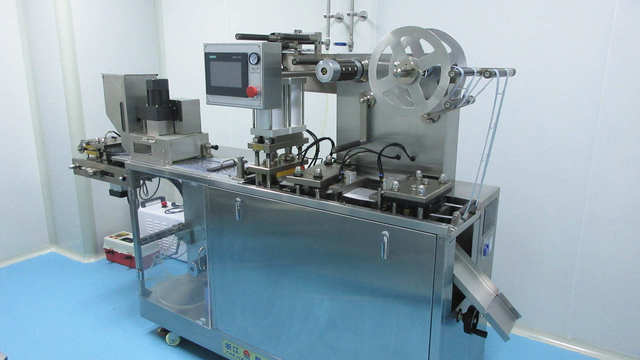
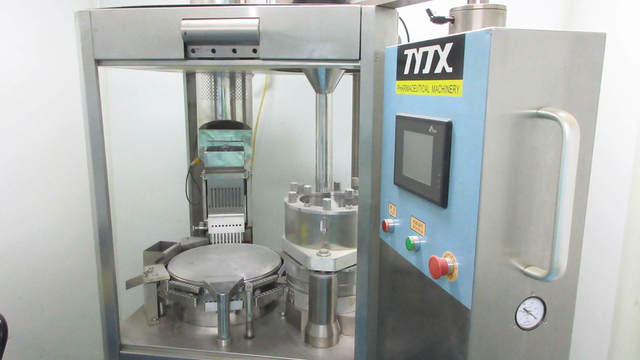
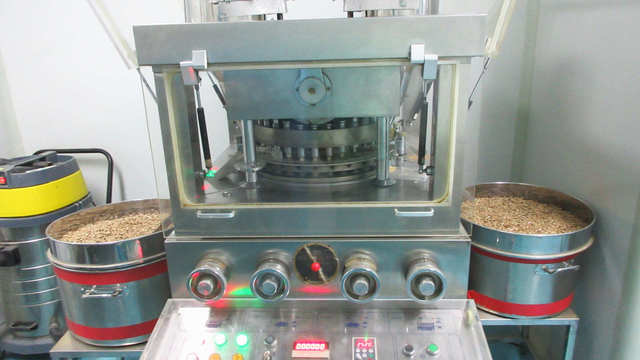
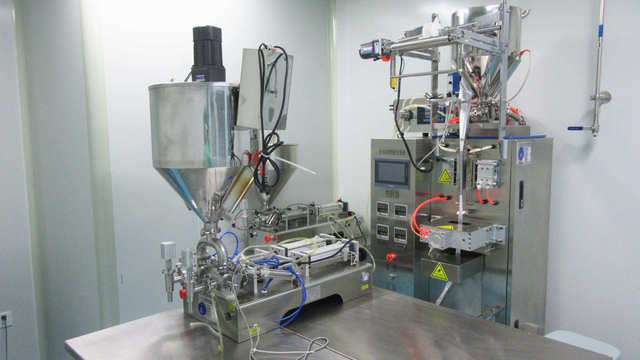
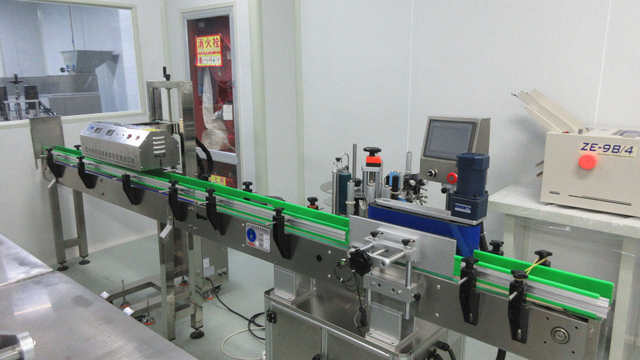
A visual overview of our industrial processing plants, quality evaluation laboratories, and raw material silos based in Hangzhou, China.

 Fderla Biology