Explore our globally compliant, CE certified hydrolyzed proteins designed for high-performance formulation profiles in nutrition bars, functional foods, and cosmetics.
In the rapidly changing world of sports nutrition and functional food manufacturing, creating a high-protein bar that remains soft, chewable, and flavorful throughout its shelf-life is a complex scientific challenge. Traditional, un-hydrolyzed proteins—such as native whey protein isolates or raw pea protein concentrates—suffer from strong moisture-binding properties. Over time, these proteins undergo a process called protein aggregation, where water molecules migrate away from the protein matrix, resulting in a bar that hardens and becomes dry, crumbly, and unpalatable.
CE certified hydrolyzed proteins offer a biochemical solution to this shelf-life problem. By exposing raw protein isolates to targeted proteolytic enzymes, long-chain polypeptide structures are cleaved into shorter bioactive peptides (typically ranging between 500 Da and 3,000 Da in molecular weight). This controlled Degree of Hydrolysis (DH) minimizes structural cross-linking. The resulting short-chain peptides possess exceptional plasticizing capacity, acting as natural humectants that bind moisture without forming the rigid protein networks that cause hardening.
Hydrolyzed peptides interrupt the retrogradation and crystallization of starches and sugars in protein bar matrices, maintaining a soft, nougat-like chewability for up to 18 months.
Due to pre-digested peptide structures, these proteins bypass complex enzymatic breakdown in the gut, ensuring rapid release of amino acids for post-workout muscle recovery.
Through advanced enzymatic masking and membrane filtration, our hydrolyzed proteins minimize the bitter hydrophobic peptides commonly associated with hydrolysates.
The global functional snack market, currently valued at over USD 4.5 Billion, is experiencing a major shift toward high-protein convenience foods. North America and Europe lead this demand, with a growing segment of active consumers looking for healthy options. Buyers in these regions are increasingly demanding CE Certified Hydrolyzed Protein ingredients. CE marking acts as a key indicator of quality, showing that raw materials comply with strict European Union health, safety, and environmental protection standards.
In Asia-Pacific and Latin America, the clean-label movement has made allergen-free protein hydrolysates—such as hydrolyzed pea, rice, and animal proteins—highly sought after. Brands are moving away from multi-ingredient binders toward single, multi-functional peptide ingredients that act as both nutritional protein sources and structural stabilizers. The challenge for brands is sourcing raw ingredients that provide high solubility, stable emulsification, and thermal resistance during extrusion processing.
Hangzhou Fderla Biology Co., Ltd. is a leading hydrolyzed protein manufacturer and bioactive peptide supplier based in Hangzhou, China. The company specializes in the research, development, production, and global export of high-quality protein hydrolysates for food, cosmetic, and nutritional applications.
Fderla Biology utilizes advanced biotechnology and strict quality control systems to manufacture a diverse range of protein ingredients, including plant-based, animal-based, and marine-derived protein peptides. These products are widely used in functional foods, dietary supplements, skincare formulations, hair care products, and sports nutrition solutions.
Our state-of-the-art Chinese manufacturing facility leverages high efficiency and economies of scale. Fderla Biology combines modern enzymatic hydrolysis technology with formulation expertise to ensure high bioavailability, easy absorption, and stable performance. Each batch is carefully tested to meet international standards for purity, safety, and effectiveness.
We support global clients with OEM and customized formulations, ingredient optimization, technical support, and bulk supply. By combining scientific research, production excellence, and reliable global service, Fderla Biology is a trusted partner in the bioactive peptide industry.

In the functional food sector, a one-size-fits-all approach to ingredient selection does not work. Different geographical markets and brand positionings require custom protein profiles. Below is a breakdown of optimized applications for hydrolyzed proteins:
Designed for rapid muscle repair post-workout. Combining hydrolyzed whey or beef peptides with fast-acting carbohydrates optimizes glycogen replenishment and muscle protein synthesis (MPS).
Formulations utilizing organic hydrolyzed pea or rice protein. These avoid dairy and soy allergens while retaining the solubility and mouthfeel needed for high-quality vegan snacks.
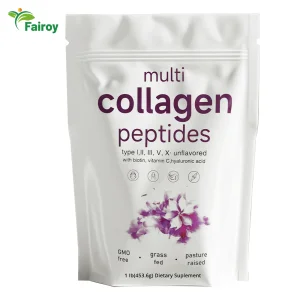
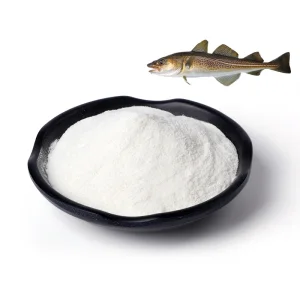
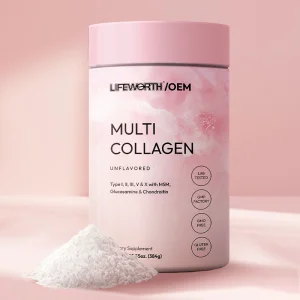
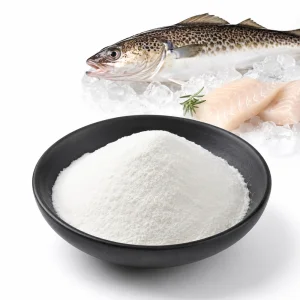
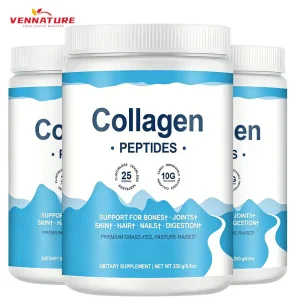
Targeted at the beauty-from-within segment. Formulated with hydrolyzed marine cod or bovine collagen peptides to support skin elasticity, bone density, and nail health.
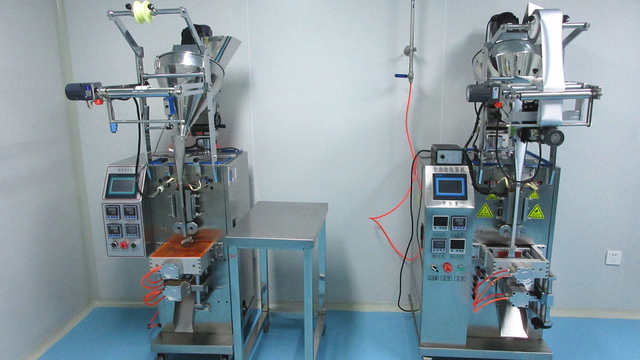
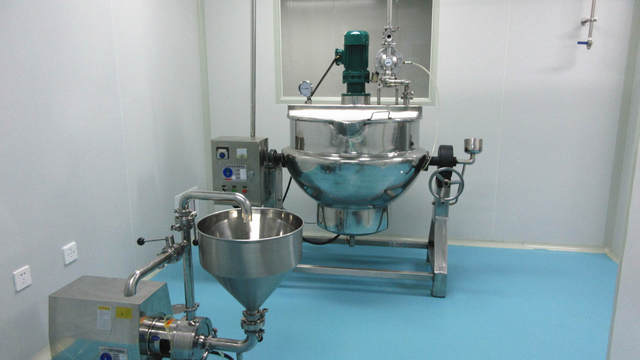
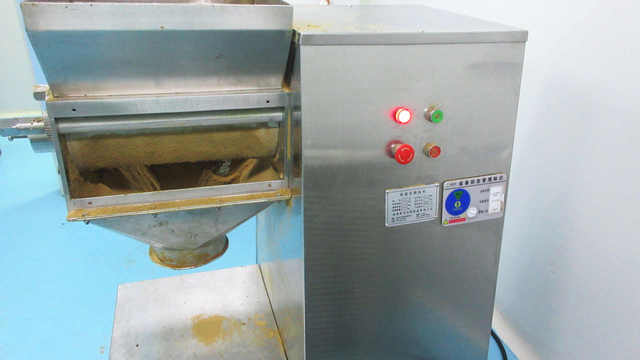
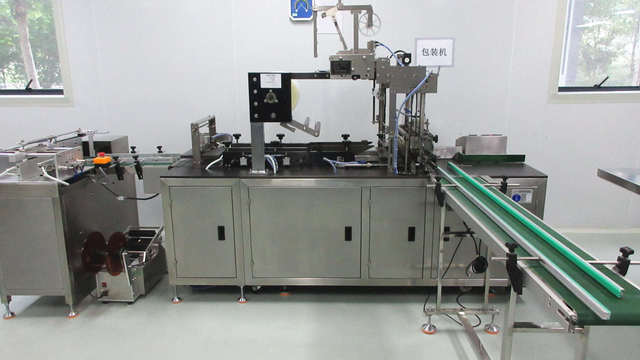
Fderla Biology utilizes advanced extraction, separation, and purification systems to ensure batch consistency and meet global regulatory standards. Below is an inside look at our manufacturing facilities, processing equipment, and warehousing operations:
Enzymatic Hydrolysis Systems
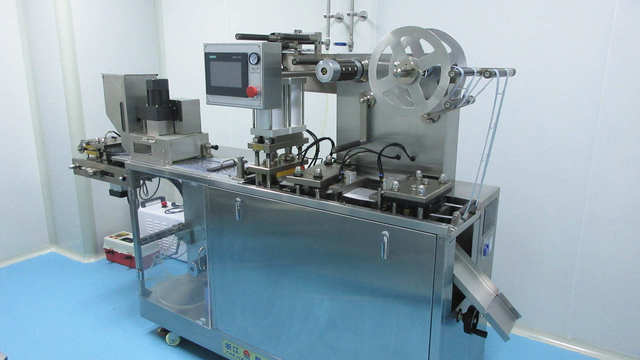
Advanced Spray Drying Towers
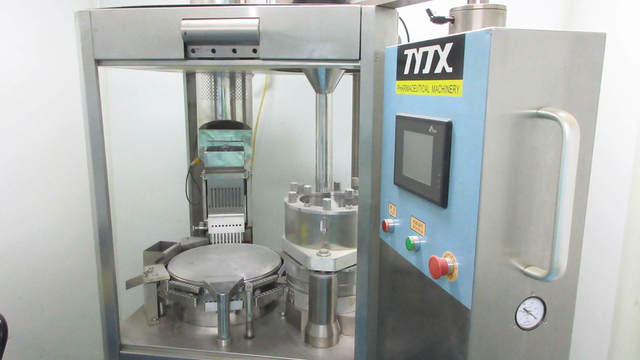
Membrane Filtration & Fractionation
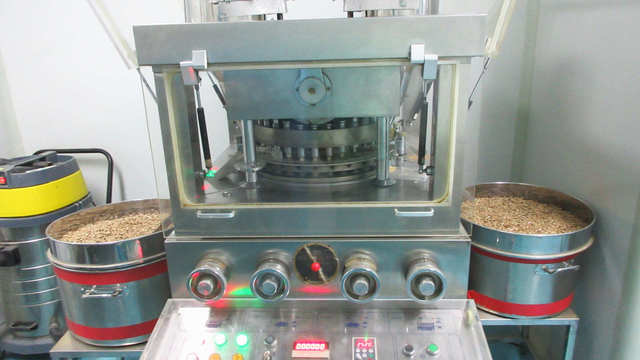
Sterile Packaging Lines
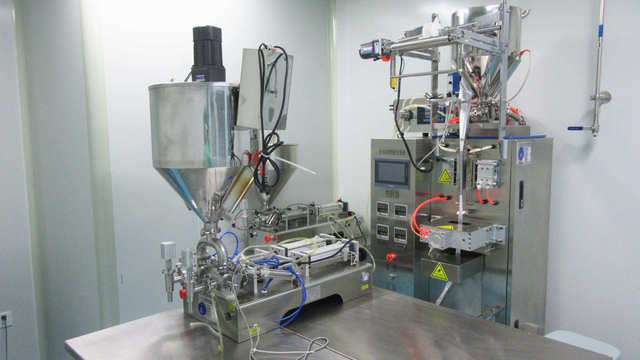
HPLC Purity & Bioavailability Testing
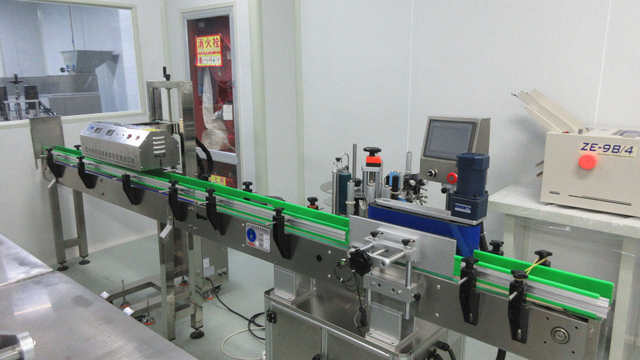
Temperature-Controlled Logistics Center
As functional food technology advances, several trends are shaping the future of protein hydrolysates. A key area of research is precision enzymatic hydrolysis, which allows manufacturers to select enzymes that target specific amino acid sequences. This target-specific cleavage minimizes bitter flavor profiles, reducing the need for masking agents and sugar in clean-label formulations.
Another major trend is the rising demand for multi-source protein combinations. Brands are moving away from single-source formulations, blending plant-based hydrolysates (such as rice and pea) with marine collagen. This approach optimizes the amino acid profile (PDCAAS score of 1.0) while delivering functional benefits, such as promoting joint and skin health in lifestyle nutrition products.
Furthermore, sustainability and supply chain transparency have become essential. Modern consumers demand to know the origin of raw materials, driving suppliers to implement complete batch traceability from farm or marine source to final packaged powder.
CE certification ensures the raw material complies with the European Economic Area's safety, hygiene, and chemical control regulations. It is essential for food brands looking to import, distribute, and sell functional nutritional products within Europe without facing customs regulatory issues.
When proteins are hydrolyzed into short-chain peptides, their surface area and water-binding capacity change. These peptides do not cross-link as readily as long-chain proteins, preventing moisture migration from the bar's matrix. This helps keep the bar soft and crumb-free throughout its shelf life.
Extensive hydrolysis can release hydrophobic amino acids, which may introduce a bitter taste. However, Fderla Biology uses targeted enzymes and filtration systems to limit these bitter-tasting peptides. This produces a clean-tasting protein powder that requires minimal masking agents.
Our standard molecular weight range is between 500 Da and 3,000 Da. For specialized applications requiring faster absorption or distinct physical properties, we can customize the molecular weight profile to suit your requirements.
We provide full OEM and ODM services, including customized moisture-barrier pouches, bulk fiber drums, and private-label retail packaging. Additionally, our R&D team can develop custom protein blends tailored to your functional needs.
Choose from our additional selection of animal, plant, and cosmetic-grade protein hydrolysates to optimize your brand's formulations.
 Fderla Biology