7 Best Reasons People Avoid Hydrolyzed Protein Products?

Time:2026-10-17 Author:Mason
0%

Why do some people avoid hydrolyzed protein products? The answer is rarely simple. Hydrolyzed protein has been partially broken into smaller peptides, which may support faster digestion. Yet faster does not always mean better for every person.

Dr. Stuart Phillips, a protein-metabolism researcher, has emphasized, “It’s not just about how much protein you eat, but the quality of that protein.” This idea deserves careful attention. Some people dislike hydrolyzed products because of their bitter aftertaste, unusual smell, or thin texture. Others experience bloating, cramping, or discomfort from sweeteners and additives. These reactions may come from the complete formula, not hydrolysis alone.

Cost also matters. Hydrolyzed whey often costs more than standard whey or protein-rich foods. For many healthy adults, that premium may offer limited practical value. People with milk allergies may also avoid whey-based products, although hydrolysis does not automatically remove every allergenic protein. Medical advice remains important here.

There is another concern: processing. Some consumers prefer eggs, yogurt, fish, beans, or minimally processed meals. That preference is reasonable, but it can become too absolute. Processing is not automatically harmful. The label still matters. Look for transparent ingredients, third-party testing, and a protein amount that fits your needs.

The seven reasons ahead examine taste, digestion, price, allergies, additives, expectations, and food preferences. The evidence is not perfect. Individual responses vary. A product that feels gentle for one athlete may feel unpleasant for another. That overlooked detail may explain more than marketing claims.
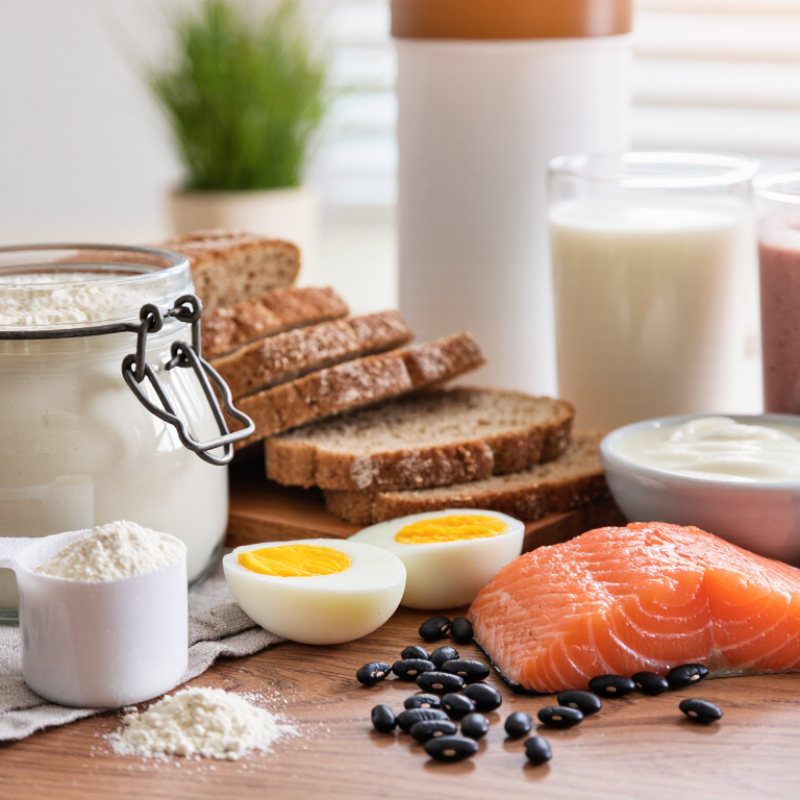
7 Best Reasons People Avoid Hydrolyzed Protein Products?

What Hydrolyzed Protein Products Are and How They Differ

7 Best Reasons People Avoid Hydrolyzed Protein Products

Hydrolyzed protein is protein broken into smaller peptides through enzymatic or chemical processing. This differs from intact protein, which keeps its original structure. The smaller fragments may disperse more easily in water and can digest faster. However, “faster” does not automatically mean “better.”

Grand View Research valued the global protein hydrolysates market at approximately USD 4.2 billion in 2023, showing strong commercial interest, not universal consumer approval.

People often avoid these products because hydrolysis can create a bitter taste, sharp aftertaste, or thin texture. Some products also cost more because processing requires additional equipment and quality control. Others dislike the long ingredient list or question whether extra processing adds meaningful value. The protein source still matters. Hydrolyzed milk protein may not suit someone avoiding dairy, and hydrolysis does not guarantee the removal of every allergenic component.

There are practical reasons, too. Consumers may prefer whole-food protein from eggs, fish, legumes, or dairy. These foods can provide protein with familiar textures and additional nutrients. A 2024 International Food Information Council survey found that taste remains a major influence on food choices, even when consumers seek health benefits. That matters here. A technically advanced powder can still fail at breakfast if it tastes unpleasant. My own reading of product labels also reveals an uncomfortable gap: “hydrolyzed” sounds precise, but peptide size, source, and testing standards can vary. The term needs context.

Taste and Texture Concerns That Discourage Consumers

Taste and texture remain major barriers to hydrolyzed protein products. The 2024 International Food Information Council Food & Health Survey found that taste influenced food choices for about 85% of consumers. Health benefits may attract attention, but unpleasant flavor can end repeat purchases quickly.

Hydrolysis breaks protein into smaller peptides, which may create bitterness, dryness, or a lingering aftertaste. Some products also feel thin, chalky, or slightly foamy in the mouth. These sensations can make a drink seem artificial, even when its nutrition profile is strong. Research published in food science journals has connected protein hydrolysis with bitter peptide formation. However, texture depends on more than hydrolysis alone. Processing, sweeteners, minerals, temperature, and mixing time also matter. Blaming the protein alone is too simple.

Tips: Test a small serving first. Mix it with very cold water or milk. A blender can reduce lumps and foam. Letting the drink rest briefly may improve texture, though this is not universal. Consumers should check the ingredient list and serving size, because stronger flavors often hide bitterness with sweetness. Manufacturers also need more honest sensory testing. A product can be scientifically effective and still fail at breakfast. That gap deserves more attention.

Higher Prices and Questions About Value

7 Best Reasons People Avoid Hydrolyzed Protein Products?

Higher prices make hydrolyzed protein products difficult to justify. The extra processing breaks proteins into smaller peptides, but that does not automatically make every serving more effective. Consumers often compare the price per gram of protein, not the packaging claims. A tub may cost much more while offering similar protein and calories.

I once assumed faster digestion meant better results. That assumption was too simple. For many healthy adults, regular protein can already support muscle maintenance when total daily intake is adequate. Hydrolyzed products may feel lighter after training, but personal tolerance varies. Some users notice less stomach discomfort, while others notice no meaningful difference. The benefit can be real, but it is not universal.

Look at the nutrition panel carefully. Compare protein quantity, added sugars, fat, serving size, and ingredient complexity. A higher price may make sense for people with specific digestive needs or strict training schedules. It may not make sense for someone choosing protein for occasional use. Research supports the importance of total protein intake, yet product superiority is harder to prove in everyday conditions. Marketing language can sound more certain than the evidence. That gap deserves attention.

The value question remains personal. Is convenience worth the added cost? Maybe. Sometimes, no.

Dietary Restrictions, Allergies, and Ingredient Concerns

People avoid hydrolyzed protein products for practical and medical reasons. Hydrolysis breaks proteins into smaller fragments, but it does not guarantee safety for everyone. People with milk, soy, egg, or other allergies may still react to remaining protein fragments. FARE reports that about 33 million Americans live with food allergies. That number makes ingredient clarity more than a marketing preference.

Dietary restrictions also create daily obstacles. A product may contain lactose, milk derivatives, soy lecithin, or shared-facility warnings. The FDA recognizes nine major food allergens, including sesame since 2023. Consumers must read the complete label, not only the “hydrolyzed” claim. Small print matters. “Allergen-free” language can also be misunderstood when manufacturing controls are unclear. The FDA states that advisory warnings do not replace proper allergen controls, which is an important distinction.

Ingredient concerns extend beyond allergies. Some shoppers avoid artificial sweeteners, sugar alcohols, gums, or unfamiliar processing aids. Others question whether hydrolyzed protein tastes bitter or feels overly processed. These concerns are not always scientifically equal, but dismissing them weakens trust. I would not assume that a shorter ingredient list means a better product. Nor would I treat a professional-looking label as proof of suitability. People with diagnosed allergies should verify ingredients with a qualified clinician and the manufacturer’s current documentation, because formulas and facilities can change.

Limited Evidence and Consumer Preference for Whole-Protein Foods

Hydrolyzed protein products often promise faster digestion and easier absorption. Yet the scientific case remains narrower than many labels suggest. Hydrolysis breaks protein into smaller peptides, but this does not automatically improve muscle growth or daily health. The International Society of Sports Nutrition notes that total protein intake, training, and meal timing usually matter more than specialized processing. Evidence is also stronger for specific clinical uses than for healthy consumers.

Consumer preference adds another reason for avoidance. The 2024 IFIC Food & Health Survey reported that 71% of Americans were trying to consume protein. However, many still prefer familiar foods, such as eggs, yogurt, fish, beans, and tofu. These options provide protein with texture, flavor, and other nutrients. The NOVA-related food-processing debate is not perfectly settled, either. “Less processed” can sound healthier, but that shortcut may overlook nutrition, affordability, and personal tolerance. I would not call hydrolyzed products useless. I would question whether the premium solves a real problem.

Tips: Compare the protein amount per serving, not the processing story. Check added sugar, sodium, and unwanted ingredients. Choose whole-protein foods when digestion is comfortable and meals are practical. Consider hydrolyzed products only when a qualified dietitian identifies a clear need. A 2023 review in Nutrients found potential absorption benefits in selected settings, but results were inconsistent. That uncertainty deserves honest attention.

FAQS

What are hydrolyzed protein products?

They contain protein broken into smaller peptides through enzymatic or chemical processing.

Are hydrolyzed proteins always better than intact proteins?

No. They may digest faster, but faster does not automatically mean better.

Why do some people dislike their taste?

Hydrolysis can create bitterness, dryness, or a sharp aftertaste. Some drinks taste artificial.

Can texture discourage people from buying them?

Yes. A shake may feel thin, chalky, or foamy. Not pleasant.

How can someone test the texture before buying more?

Start with a small serving. Use very cold water, milk, or a blender.

Do hydrolyzed products provide stronger health benefits?

Evidence is limited for healthy consumers. Total protein intake and balanced meals usually matter more.

Why do some people prefer whole-food protein?

Eggs, fish, beans, tofu, and dairy offer familiar textures and additional nutrients.

Does hydrolysis remove all allergenic components?

No. The original protein source still matters, and some allergens may remain.

Why can hydrolyzed protein cost more?

Extra equipment and quality controls increase processing costs. The premium may not solve a real problem.

What should consumers check on the label?

Compare protein per serving, added sugar, sodium, ingredients, and the protein source. “Hydrolyzed” needs context.

Conclusion

Hydrolyzed protein products are made by breaking whole proteins into smaller peptides, which may make them easier to digest and absorb. However, why do some people avoid hydrolyzed protein products? For many consumers, the answer begins with taste and texture. These products can have a bitter, sharp, or unusual flavor, along with a thinner or less natural mouthfeel than traditional protein foods. Some people also question whether the benefits justify the higher price, especially when similar nutrients can be obtained from less processed options.

Other concerns include dietary restrictions, food allergies, sensitivities to specific ingredients, and uncertainty about added sweeteners, flavorings, or processing aids. In addition, consumers may feel that the evidence supporting hydrolyzed protein is limited or not relevant to their personal goals. As a result, many prefer whole-protein foods because they seem more familiar, satisfying, affordable, and naturally balanced. Their decision often reflects a combination of taste, cost, ingredient awareness, and personal preference rather than a rejection of protein itself.

Mason

Mason

Mason is a seasoned marketing professional with a deep expertise in the company's offerings and a passion for driving brand awareness. With a strong background in digital marketing strategies, he has an innate ability to connect with diverse audiences and effectively communicate product benefits.......