Athletes often reach for a protein shake after training, when tired legs and limited time make a full meal difficult. A shaker beside a gym bag can offer a practical recovery option. But why do athletes use hydrolyzed protein supplements? These products contain proteins broken into smaller peptides, which may support faster digestion for some people. They are commonly made from whey, although formulas differ widely.
Sports nutrition research suggests that total daily protein intake matters more than choosing a highly processed form. Hydrolyzed protein may help athletes who experience digestive discomfort with regular whey. It can also suit demanding training schedules, early competitions, or travel days. A registered dietitian or qualified sports nutrition professional can assess protein needs, allergies, training volume, and overall diet. That professional context matters.
The benefits are not automatic. Not a shortcut. Some studies report modest advantages, while others find little meaningful difference between hydrolyzed and standard protein. Product quality, added ingredients, lactose content, and independent testing deserve attention. Athletes should also consider real foods, such as yogurt, eggs, fish, beans, or milk, when practical. A shake cannot repair poor sleep or replace enough calories. It is easy to confuse convenience with performance. Even experienced athletes may overestimate the value of a premium label. A careful approach compares evidence, personal tolerance, cost, and recovery results over time. Performance decisions should remain individual, transparent, and guided by reliable sports nutrition advice.
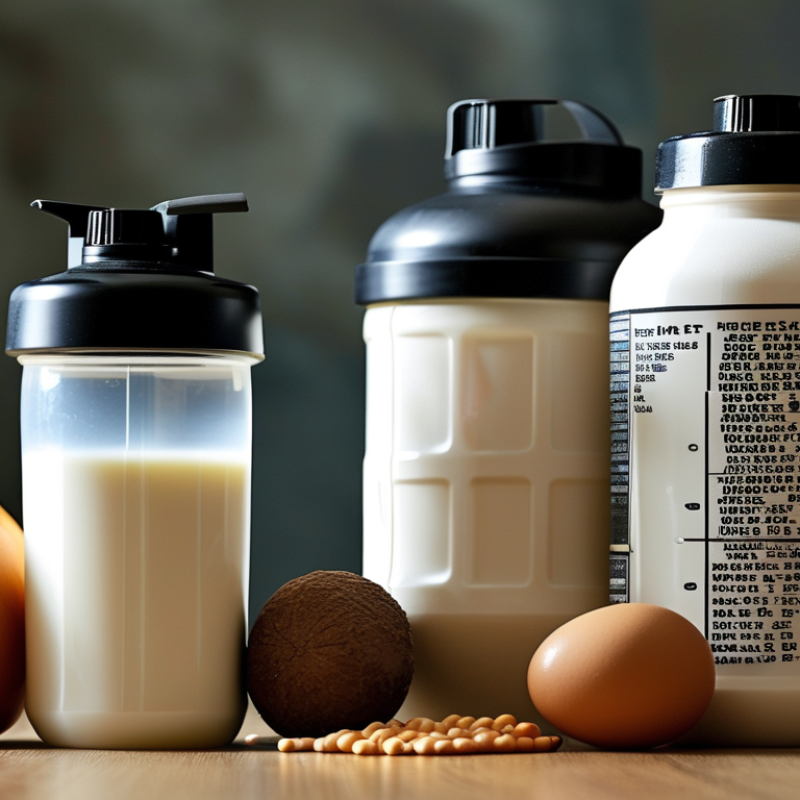
Hydrolyzed protein is protein broken into smaller chains called peptides. Enzymes perform this process before the powder reaches your shaker. These peptides may require less digestive work than intact protein. That sounds simple, but faster digestion does not automatically mean better results. Muscle repair still depends on total protein, training quality, sleep, and regular meals.
Athletes often choose hydrolyzed supplements after demanding sessions. A cyclist may mix a serving beside a warm-up area, while a runner may prefer it after an early morning workout. Smaller peptides can dissolve quickly and feel lighter for some users. Individual tolerance matters. One athlete may feel comfortable, while another notices no meaningful difference. That contrast is easy to overlook.
Supplement quality deserves careful attention. Check the protein source, amino acid profile, serving size, and processing information. Independent testing can provide useful evidence about purity and label accuracy. Enzymatic hydrolysis also varies, so “hydrolyzed” alone does not prove superior quality. A bitter taste may reflect deeper hydrolysis, but taste is not a reliable quality test. I would compare products cautiously, record digestion and recovery, and avoid assuming expensive means effective. Evidence remains mixed.
| Dimension | What It Means | Potential Athlete Benefit | What to Check on the Label | Evidence-Based Consideration |
|---|---|---|---|---|
| Protein Structure | Hydrolysis breaks some intact proteins into shorter chains called peptides and, in some cases, free amino acids. | Smaller protein fragments may require less digestive breakdown before absorption. | Look for the protein source, such as whey, milk, collagen, or another clearly identified protein. | Hydrolyzed does not automatically mean nutritionally superior to a complete, non-hydrolyzed protein. |
| Peptide Size | Peptide size varies according to the raw material and the manufacturing process. “Hydrolyzed” does not describe one uniform peptide profile. | A defined peptide profile may be useful when rapid digestion or easier gastrointestinal handling is a priority. | Prefer products that disclose the protein type and provide meaningful processing or quality information. | Peptide size alone does not determine muscle-building effectiveness. |
| Digestive Speed | Hydrolyzed proteins are generally designed to be more readily digested than their intact counterparts. | May be convenient after training or when a liquid protein option is preferred. | Review serving size, total protein, carbohydrate, fat, and added ingredients. | Total daily protein and overall diet remain more important than choosing a hydrolyzed form. |
| Essential Amino Acids | Protein quality depends on its amino acid composition, including the essential amino acids the body cannot produce. | A complete protein can support muscle protein synthesis when consumed in an adequate amount. | Check whether the source is a complete protein and whether amino acid information is provided. | Hydrolysis changes protein structure, but it does not add essential amino acids that were absent from the original source. |
| Leucine Content | Leucine is an essential branched-chain amino acid involved in signaling pathways related to muscle protein synthesis. | Protein sources naturally rich in leucine may help athletes reach an effective per-meal protein target. | Check the protein source and, when available, the amino acid profile rather than relying only on marketing language. | Leucine works as part of a complete protein and adequate overall energy and protein intake. |
| Post-Exercise Use | Protein after resistance or endurance exercise can help provide amino acids for repair and adaptation. | A convenient hydrolyzed shake may help athletes meet protein needs when whole food is not practical. | Compare the serving’s protein amount with the athlete’s planned post-exercise meal or snack. | There is no universal requirement to use hydrolyzed protein immediately after exercise. |
| Gastrointestinal Tolerance | Hydrolysis may alter digestibility, but tolerance is individual and also depends on lactose, sweeteners, fats, and other ingredients. | Some athletes may find a hydrolyzed product easier to consume than a less processed alternative. | Check lactose content, sugar alcohols, gums, flavorings, and allergen statements. | Hydrolyzed protein is not automatically suitable for people with milk-protein allergy. |
| Enzymatic Processing | Food-grade enzymes can cleave peptide bonds during controlled hydrolysis. Processing conditions influence flavor and peptide distribution. | Controlled processing can create a product with predictable solubility and digestion characteristics. | Look for clear manufacturing details, ingredient transparency, and appropriate quality controls. | More hydrolysis is not necessarily better; highly hydrolyzed proteins may taste bitter. |
| Supplement Quality | Quality includes accurate labeling, appropriate manufacturing controls, contaminant testing, and consistency between batches. | Reliable quality reduces the risk of undeclared ingredients or inaccurate nutrient amounts. | Choose products with third-party testing, batch identification, and transparent ingredient labeling. | Independent testing can improve confidence but does not replace a balanced diet or professional advice. |
| Athlete Safety | Competitive athletes may face additional risks from prohibited substances or contaminated supplements. | Careful product selection can help reduce avoidable anti-doping and contamination risks. | Use sport-certified testing where relevant and verify current anti-doping guidance. | No supplement can be guaranteed completely risk-free; athletes should keep records and check ingredients. |
| Protein Dosage | The useful amount depends on body size, training load, age, goals, and protein consumed from all foods. | A measured serving can help athletes distribute protein across meals and recovery periods. | Check grams of protein per serving rather than judging the product by scoop size alone. | Many exercising adults can meet needs with approximately 1.4–2.0 g of protein per kilogram of body weight per day, adjusted to individual circumstances. |
| Cost and Practicality | Hydrolyzed processing can make a supplement more expensive than an equivalent intact protein. | It may be worthwhile when convenience, texture, or tolerance is more important than minimizing cost. | Compare the price per 25 g of protein, not only the price per container. | For many athletes, regular food or a less processed protein can provide similar nutritional value at a lower cost. |
: It is protein partially broken into smaller peptides. Some athletes find it easier to digest after hard training. It is not automatically better than regular protein or whole foods.
Many exercising adults may need 1.4–2.0 grams per kilogram of body weight daily. A 70-kilogram athlete may need about 98–140 grams. Needs vary with age, training, body composition, and calorie intake.
A practical post-exercise serving is about 20–40 grams. A smaller athlete might begin near 20 grams. Adjust it according to daily intake and training demands.
No. Faster digestion does not guarantee better strength or muscle results. Sleep, sufficient calories, progressive training, and total protein matter more. I may overvalue speed sometimes.
Take it after training when the next meal is several hours away. Pair it with fruit when carbohydrates are also needed. Timing helps, but it is not magic.
Divide protein across three to five meals. A shake can fit inside a gym bag and mix quickly. Drink water with it.
Check serving size, protein amount, added ingredients, and allergen statements. Hydrolyzed does not mean allergen-free. Milk, soy, egg, or wheat may appear.
Track stomach comfort, appetite, recovery, and training for several sessions. A food-and-training log can reveal useful patterns. Sometimes the product merely costs more.
Hydrolyzed protein supplements contain proteins that have been partially broken down into smaller peptides through enzymatic processing. This structure may support faster amino acid delivery and convenient digestion, making them appealing to athletes who need practical nutrition around training. Understanding why do athletes use hydrolyzed protein supplements also requires considering overall protein intake: sports nutrition guidance commonly places daily needs around 1.4–2.0 grams per kilogram of body weight, depending on training demands, goals, and individual circumstances.
For recovery, a post-exercise serving of approximately 20–40 grams may help athletes meet their protein needs and support muscle repair when included in a balanced diet. However, hydrolyzed products are not automatically superior for everyone, and evidence should be interpreted realistically. Athletes should evaluate ingredient quality, check for relevant allergens, and consider independent sport-certification programs that test for prohibited contaminants. Choosing a supplement should complement, rather than replace, complete meals, adequate hydration, sleep, and a well-planned training routine.

 Fderla Biology