Digestive comfort can shape whether a protein product becomes part of everyday nutrition. Hydrolyzed protein is made by breaking whole proteins into smaller peptides, almost like pre-cutting a dense meal before it reaches the stomach. This structure may help certain people digest and absorb protein more quickly. But faster does not always mean better.
So, what makes hydrolyzed protein better for digestion? Smaller peptides may require less digestive work than intact protein molecules. Some formulas also contain less lactose, depending on the original protein and manufacturing process. That detail matters for people who experience bloating after ordinary whey concentrate. Still, hydrolyzed protein is not automatically gentle for everyone. Sweeteners, milk residues, serving size, and individual tolerance can change the experience.
Dr. Robert R. Wolfe, a leading protein-metabolism researcher, has emphasized, “Protein quality depends on amino acid composition and digestibility.” That principle gives this discussion a useful scientific foundation. Hydrolysis may improve practical digestibility, but the complete formula still matters. A clean label helps. Clinical context matters more.
Imagine mixing a shake before training and feeling less heaviness afterward. That experience can be meaningful, but it is not proof for every person. Research often measures amino-acid absorption, while consumers notice comfort, timing, and bloating. Those are related, but not identical. The following guide examines ten reasons hydrolyzed protein may feel easier to digest, while acknowledging where the evidence remains limited. A little skepticism is healthy.
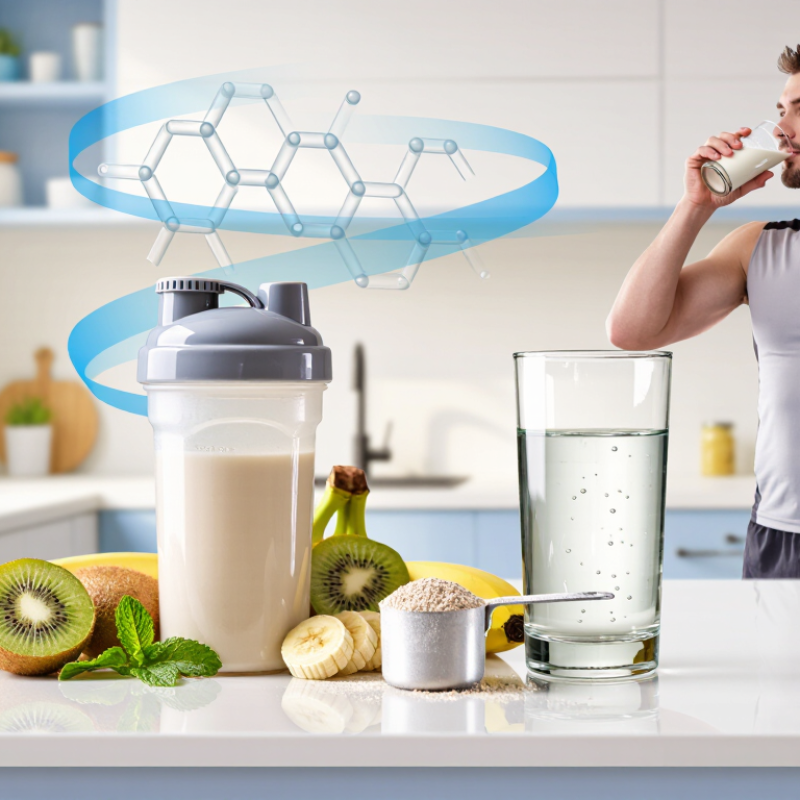
What Hydrolyzed Protein Means and How Enzymatic Breakdown Works
Hydrolyzed protein is protein that has been partially broken down before you consume it. Enzymes split large protein chains into smaller peptides and free amino acids. This process resembles an early stage of digestion. Your stomach and small intestine still complete the work.
The smaller fragments may leave less digestive effort for some people. A shake can feel lighter, especially after exercise or during a busy morning. Some users report less bloating, fullness, or stomach discomfort. Results vary. The degree of hydrolysis matters, because products can contain different peptide sizes. Taste and texture may also change.
Not magic.
From a nutrition perspective, hydrolysis can speed protein availability, but “faster” does not always mean “better.” Muscle recovery still depends on total protein, energy intake, sleep, and training. I once assumed easier digestion would suit everyone, but that is too simple. Milk-derived hydrolyzed protein may still concern people with allergies, and digestive symptoms can have other causes. Anyone with persistent pain, diarrhea, or suspected intolerance should seek qualified medical advice. Reading the ingredient panel matters, too. A short ingredient list does not guarantee comfort, while added sweeteners or fibers may affect digestion more than the protein itself.
How Smaller Peptides May Support Faster Digestion
Top 10 Reasons Hydrolyzed Protein Is Easier to Digest?
Hydrolyzed protein has already been partly broken into smaller peptides. These short chains may require less digestive work than intact proteins. In the stomach, enzymes continue processing them into amino acids and tiny peptide fragments. This can help nutrients move through digestion more efficiently. Potentially faster. Not instantly absorbed.
The difference may feel practical after exercise or during a busy morning. A shake with hydrolyzed protein may feel lighter than one made with larger protein molecules. Some people report less fullness, fewer stomach sounds, or reduced discomfort. However, digestion depends on more than peptide size. Lactose, sweeteners, fat, serving size, and individual tolerance also matter. A smaller peptide does not guarantee a comfortable result.
Clinical nutrition experts generally view hydrolyzed protein as useful for selected dietary needs, not as a universal upgrade. Research supports faster absorption in some situations, but outcomes vary between products and people. In practice, begin with a modest serving and drink it slowly. Read the ingredient list carefully. Track how your stomach responds for several days. That approach is less exciting, but more reliable. I should also acknowledge a limitation: “easier to digest” is often used broadly, while strong evidence does not support identical benefits for everyone. A gentle formula may still cause problems if consumed too quickly.
Why Hydrolyzed Protein Can Reduce Digestive Work
Hydrolyzed protein is protein that has been partially broken into smaller peptides.
This process uses enzymes, similar to some steps in natural digestion. The smaller peptides can move through the stomach more readily, so digestive enzymes may have less structural work to perform. That difference matters after exercise, when a heavy meal may feel uncomfortable.
Less waiting.
Some people notice reduced fullness, gentler digestion, or faster comfort after drinking it.
From a nutrition perspective, hydrolysis may reduce the effort needed to break down protein chains. However, it does not remove the need for digestion. The body still processes amino acids, absorbs them, and manages the full formula.
Research suggests digestion speed can vary with protein source, peptide size, fat content, and serving volume. A dietitian can help evaluate persistent symptoms.
In practice, check the ingredient list carefully. Look for added sweeteners, lactose, or sugar alcohols. These ingredients may cause discomfort, even when the protein itself is hydrolyzed.
I would not call hydrolyzed protein universally easier to digest.
Individual responses remain different. Some people still report bloating or an unpleasant aftertaste. Others experience smoother digestion and less stomach heaviness.
The useful question is not only whether the protein is hydrolyzed. It is whether your body tolerates the complete product.
Maybe less work.
Keeping a simple food record can help. Record the serving size, timing, symptoms, and other ingredients. Patterns can reveal more than a single uncomfortable day.
How Hydrolysis May Improve Amino Acid Absorption
Hydrolyzed protein is protein partially broken into smaller peptides through enzymatic hydrolysis. This matters because digestion normally performs the same job in the stomach and small intestine. Smaller chains may require less digestive work before reaching the intestinal lining. In practical terms, a shake can feel lighter, especially after training or when appetite is limited. The effect is not identical for everyone. Digestion is personal.
Once peptides enter the small intestine, transporters can move certain fragments across the intestinal wall. Some hydrolyzed formulas may therefore produce a quicker rise in blood amino acids than intact protein. Research often reports faster amino acid availability, but faster does not always mean better muscle gain. Total protein intake, meal pattern, training, and overall health still matter. I would treat absorption speed as one useful detail, not a guarantee.
Hydrolysis may also help people who notice heaviness, bloating, or slow digestion with regular protein powders. Yet these symptoms can come from sweeteners, lactose, large servings, or drinking too quickly. A smaller portion with water can reveal what is actually causing discomfort. Taste and cost may be drawbacks, too. More processing does not automatically make a product superior. People with kidney disease, digestive disorders, or medically restricted diets should ask a qualified clinician before changing protein intake. Even experienced athletes can mistake a comfortable stomach for improved absorption.
Hydrolyzed protein is partially broken down into shorter peptides and free amino acids before consumption. This may reduce the digestive workload, improve gastric emptying tolerance for some people, and make peptide transport in the small intestine more efficient. The scores shown are evidence-informed mechanistic ratings, not clinical effect sizes; actual digestion and absorption vary by protein source, dose, meal composition, and individual physiology.
Factors That Influence Individual Digestive Tolerance
Top 10 Reasons Hydrolyzed Protein Is Easier to Digest
Factors That Influence Individual Digestive Tolerance
Hydrolyzed protein contains shorter peptide chains, which may require less breakdown in the stomach. This can help some people feel less heaviness after drinking protein. However, tolerance varies widely. A 2017 International Society of Sports Nutrition position stand recommends about 20–40 grams of protein per serving for many active adults. Larger servings may increase bloating, even when the protein is hydrolyzed.
The ingredient list matters. Lactose can trigger discomfort in sensitive individuals. Sugar alcohols, gums, and high fat levels may also cause gas or loose stools. Water temperature and drinking speed can matter too. A cold shake consumed quickly may feel different from a small serving sipped slowly. Individual gut health, stress, sleep, hydration, and recent exercise also influence digestion. Small details matter.
NASEM’s Dietary Reference Intakes set adult protein needs near 0.8 grams per kilogram of body weight daily, while needs can rise with training or illness. More protein is not automatically better tolerated. Start with a modest portion and observe symptoms for several days. Keep a simple food record. That sounds overly cautious, but it can reveal patterns. Hydrolysis may improve comfort for some users, yet it cannot correct an allergy or guarantee easy digestion for everyone.
Conclusion
Hydrolyzed protein is protein that has been partially broken down through enzymatic hydrolysis into smaller peptides and amino acid chains. This process may make the protein easier for the digestive system to handle because the body has less structural work to complete before digestion and absorption can occur. Smaller peptides may move through the stomach and small intestine more efficiently, potentially supporting a faster release of amino acids for the body to use.
So, what makes hydrolyzed protein better for digestion? Its partially pre-digested structure may reduce digestive effort, support nutrient availability, and be more comfortable for some people who experience heaviness or discomfort with intact proteins. However, tolerance can vary based on serving size, personal sensitivities, the type of protein, added ingredients, hydration, and overall digestive health. Hydrolyzed protein is not automatically ideal for everyone, but its smaller peptide structure can offer a practical option for individuals seeking a potentially gentler protein source.

 Fderla Biology