Hydrolyzed protein is widely used in supplements and food products. It is favored for its potential to enhance muscle recovery and growth. However, many people overlook an important aspect: what are the side effects of hydrolyzed protein? Understanding these effects is crucial for anyone considering its use.
Some individuals may experience gastrointestinal discomfort after consuming hydrolyzed protein. This includes bloating, gas, or even diarrhea. These effects can vary from person to person. Additionally, allergic reactions are possible, though rare. Those with specific dietary restrictions or sensitivities should approach with caution.
It's essential to consult with a healthcare professional before adding hydrolyzed protein to your diet. This step ensures that you can weigh its benefits against potential risks. While it can be effective, awareness of side effects is essential for safe consumption. A responsible approach to hydrolyzed protein will lead to better overall health outcomes.
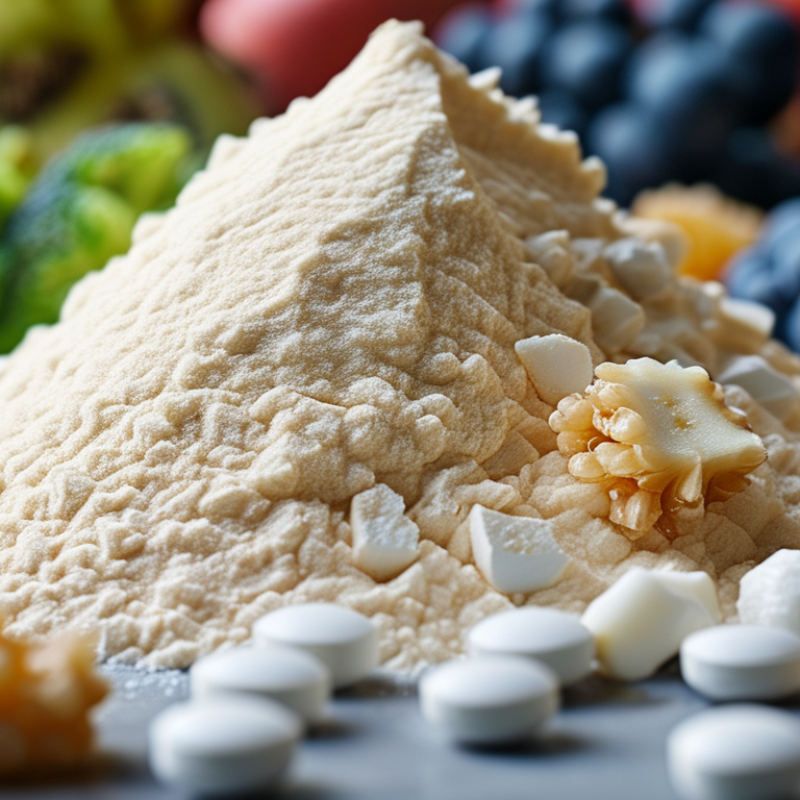
Hydrolyzed protein is a form of protein that has been broken down into smaller peptides. This process enhances its digestibility and absorption. It is commonly used in sports nutrition, dietary supplements, and food products. According to a report by the International Journal of Sports Nutrition, hydrolyzed protein can increase muscle protein synthesis more effectively than non-hydrolyzed forms. This makes it a popular choice among athletes and bodybuilders.
The benefits of hydrolyzed protein extend beyond performance. For those with digestion issues, it can offer a gentler option. Studies show that hydrolyzed protein may reduce the risk of allergic reactions. A report from the American Journal of Clinical Nutrition indicates that it can be a suitable protein source for individuals with allergies to whole proteins.
When incorporating hydrolyzed protein into your diet, start with small amounts. Monitor your body's response. Some individuals may experience digestive discomfort initially. Always consult a healthcare professional if you have concerns about protein intake. Adjusting portions can help find the right balance. Stay informed about your body's changing needs and how they relate to your overall protein consumption.
Hydrolyzed protein is widely used in supplements and sports nutrition. Many consumers appreciate its rapid absorption and potential muscle-building benefits. However, it is important to be aware of common side effects associated with its consumption. Some individuals may experience gastrointestinal issues such as bloating, gas, or diarrhea. These symptoms can vary in severity and may depend on the quantity consumed.
Another potential side effect is allergic reactions. Hydrolyzed protein can originate from various sources, including dairy and soy. For those with allergies to these proteins, even hydrolyzed forms may trigger reactions. Symptoms can include rashes, itching, or even more severe reactions. It’s crucial to read labels carefully and consult a healthcare professional for advice tailored to individual health conditions.
Interestingly, some people report changes in appetite or mood when consuming hydrolyzed protein. While these effects may seem minor, they can impact overall well-being. Tracking how your body responds can foster a better understanding of your nutritional needs. Listening to your body is essential for creating a balanced diet. Always consider how new supplements fit into your lifestyle and nutrition plan.
Allergic reactions to hydrolyzed protein can be serious. People with allergies to specific food sources may experience reactions. These proteins are broken down into smaller peptides, making them easier to digest. However, the processing can sometimes alter their properties, leading to unexpected allergens.
Hydrolyzed protein has gained popularity for its rapid absorption and high amino acid content. However, digestive issues often arise for some individuals. Hydrolyzed proteins can cause gastrointestinal discomfort, including bloating and gas. A study published in the Journal of Nutrition indicated that about 15% of individuals consuming hydrolyzed proteins reported these symptoms. This reaction may stem from the peptide size changes during hydrolysis, which can affect digestion.
Moreover, people with existing digestive disorders may experience intensified symptoms. If you have irritable bowel syndrome (IBS) or similar conditions, hydrolyzed protein could aggravate your symptoms. The Food & Chemical Toxicology journal highlighted that certain hydrolyzed proteins could lead to an immune response in sensitive individuals. While many do not face issues, it is essential to pay attention to your body’s reactions.
Some consumers assume that all protein sources are equal. However, individual tolerances can vary significantly. This misconception can lead to unmet expectations regarding digestive health. Tracking your symptoms after consuming hydrolyzed protein may provide valuable insights. A comprehensive approach is essential. Discussing any persistent issues with a healthcare provider can help you make informed dietary choices.
| Side Effect | Description | Severity | Frequency |
|---|---|---|---|
| Nausea | An upset stomach or feelings of queasiness after consumption. | Mild to Moderate | Common |
| Diarrhea | Loose or watery stools especially after consumption of large amounts. | Moderate | Occasional |
| Bloating | Feeling of fullness or swelling in the stomach. | Mild | Common |
| Allergic Reactions | Symptoms may include itching, rash, or swelling depending on individual sensitivity. | Severe | Rare |
| Fatigue | A general feeling of tiredness or lack of energy. | Mild | Occasional |
Hydrolyzed protein is popular in the diet world. Many use it for muscle repair and growth. However, it's essential to approach its intake carefully. The high protein concentration can cause digestive issues for some. Bloating, gas, and nausea are common complaints. If you're new to this type of protein, start with a small amount and see how your body reacts. To maximize your benefits, consider timing your intake. Consuming hydrolyzed protein after workouts may boost recovery. Pair it with carbohydrates for enhanced effects. Stay aware of your body's signals. If symptoms persist, consult a healthcare professional. Not everyone tolerates hydrolyzed protein well. Make sure your source is high-quality. Research the manufacturing processes to ensure safety. Hydrolyzed protein can vary significantly in quality. Keeping a food journal can help track your reactions and preferences. This knowledge enhances your dietary choices. Understanding your body's needs leads to better health outcomes.
: Symptoms include hives, swelling, difficulty breathing, nausea, and abdominal pain. Early recognition is crucial.
Yes, allergies can develop even after previous exposures without issues. It's important to stay vigilant.
Consult with a healthcare professional for testing and dietary guidance. Don’t delay in seeking help.
Start with a small amount to gauge your body’s reaction. Monitor for any digestive issues.
Consider taking it after workouts for recovery. Combining it with carbohydrates may enhance benefits.
Hydrolyzed proteins can appear in unexpected products. Regular reviews help you avoid potential allergens.
Research manufacturing processes to assess safety. Quality can vary significantly between products.
Bloating, gas, and nausea are common complaints. If they persist, consult a healthcare professional.
It helps track your reactions and dietary preferences. This knowledge leads to better health choices.
If symptoms arise, it's essential to consult a healthcare professional. Don't ignore your body's signals.
Hydrolyzed protein is a type of protein that has been broken down into smaller peptides, making it easier for the body to absorb. Commonly used in dietary supplements and protein powders, it is important to understand what are the side effects of hydrolyzed protein consumption. This article outlines various side effects that may arise, including digestive issues such as bloating and gas, as well as possible allergic reactions in sensitive individuals.
In addition to these, precautions are essential when incorporating hydrolyzed protein into your diet. Those with allergies to specific protein sources, like dairy or soy, should be particularly cautious. It is recommended to consult a healthcare professional before starting any new supplementation to ensure it aligns with individual health needs and to mitigate any potential side effects.

Fderla Biology