Hydrolyzed protein appears in more places than many consumers realize. It is protein broken into smaller peptides and amino acids, often through enzymatic processing. The result can dissolve more easily or serve a specific product function. For readers asking what industries use hydrolyzed protein most often, the clearest examples are food and beverages, animal nutrition, and dietary supplements. These sectors use it for different reasons, so a single ranking can be misleading.
In food manufacturing, hydrolysates may add protein to soups, drinks, sauces, and nutrition products. A powder stirred into a beverage is a practical example: solubility matters, but taste matters too. Some hydrolysates have a bitter flavor, and that can limit their use. In animal feed and pet food, manufacturers may use hydrolyzed ingredients to support digestibility or create specialized formulas. The exact purpose depends on the animal, the protein source, and the finished product.
Sports nutrition and other supplements are also visible markets, especially in products promoted for convenient protein intake. Cosmetics and pharmaceutical applications exist, but their use varies by ingredient and formulation; they should not be treated as equal in scale to food or feed without reliable market data. That distinction matters. Product labels alone rarely reveal how much hydrolyzed protein an entire industry consumes. This article will compare the main sectors, explain why they choose hydrolysates, and note where evidence is limited. The picture is useful, but not perfectly tidy.
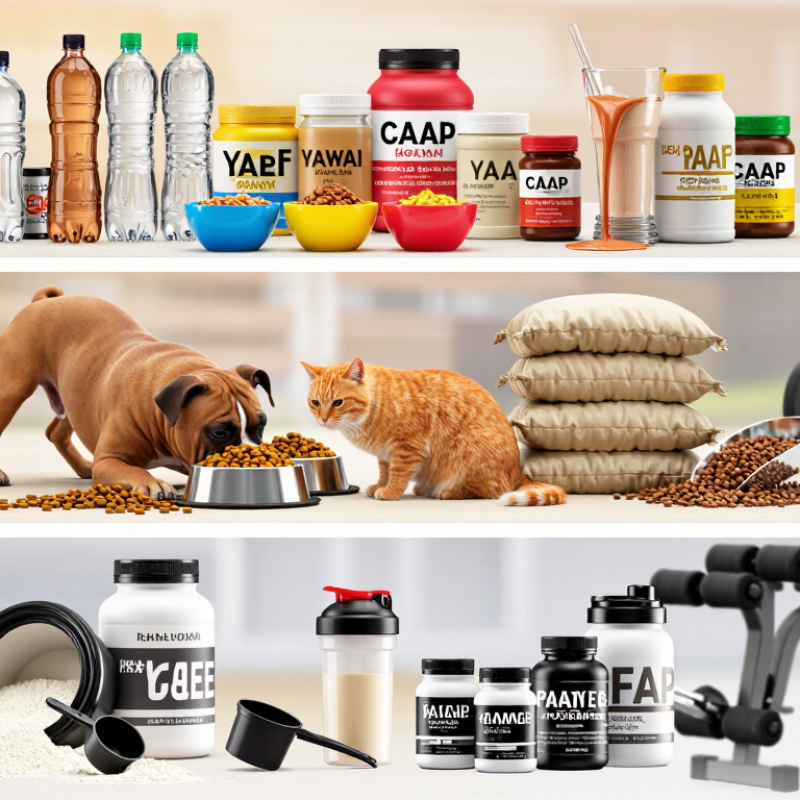
Food and beverage manufacturing is the largest market for hydrolyzed protein because it puts a functional ingredient into familiar products. Enzymes split intact proteins into smaller peptides. These peptides can disperse readily in soups, nutrition drinks, sauces, and powdered mixes. For manufacturers, this may support smoother textures and higher protein content without adding much volume. A plant-based drink, for example, may blend more evenly after hydration, while a savory soup can gain body. Small changes matter.
Hydrolysis does not automatically make a product better. Depending on the protein source and degree of breakdown, the ingredient may taste bitter or behave differently during heating. Developers often test flavor, solubility, and stability in the finished recipe, not just in a lab beaker. That step is easy to underestimate. The source of the protein also affects allergen management and product information, so clear ingredient specifications matter. In practice, hydrolyzed protein is valued less as a trend than as a tool for solving specific formulation problems at scale.
Hydrolyzed protein appears in animal feed and pet food when formulators need protein that is easier to digest or mix into a recipe. Enzymes break larger proteins into smaller peptides. Common sources include poultry and fish. In a food bowl, these ingredients may support palatability, especially when an animal is reluctant to eat. But results vary. A hydrolysate is not automatically more nutritious than every intact protein.
Digestibility depends on the source, processing method, and finished recipe. Smaller peptides can be useful, but heat and storage may affect ingredient quality. For pets with dietary sensitivities, hydrolyzed proteins may be selected as part of a carefully designed diet; they are not a guaranteed solution. Feed makers also consider amino acid balance, moisture, and how the ingredient handles during production. A finer powder may blend smoothly, while a strong odor can affect acceptance.
Tips: Check the named protein source and feeding directions. Introduce a new food gradually, and ask a veterinarian about persistent digestive problems. More processing does not always mean better.
Formulators should assess the whole diet, not one ingredient in isolation. That sounds obvious, yet it is easy to overvalue a technical label. A clear ingredient specification and consistent batch testing help support reliable use.
Hydrolyzed protein appears in dietary supplements and sports nutrition products because its proteins have been broken into smaller peptides. This processing can make some powders easier to mix or digest, depending on the source and formulation. A scoop stirred into a shaker bottle after training is convenient when a full meal is not practical. Convenience matters. Still, hydrolysis does not automatically make a product more effective for muscle recovery. Overall protein intake, training, and the rest of the diet also count.
For targeted diets, the protein source deserves close attention. Hydrolyzed ingredients may come from milk, soy, or other foods, so they may not suit every allergy or dietary preference. Processing does not guarantee an allergen-free product or prevent digestive discomfort. Check the ingredient list, serving size, protein amount, and added sugars. People following restricted diets may want help from a registered dietitian, especially when several foods are excluded. A powder can look precise on the label. Real diets are messier. Hydrolyzed protein can fill a practical gap, but it should fit the person’s needs rather than dictate them.
In pharmaceutical and medical nutrition, hydrolyzed protein is valued for more than its protein content. Enzymes break intact proteins into smaller peptides and amino acids. These components can be easier to digest for some people with limited digestive capacity. Small peptides matter. Specialized formulas may be given orally or through feeding tubes when ordinary foods are difficult to manage. They support nutrition, but they are not medicines or stand-alone treatments.
Formulators consider the patient, the protein source, and the degree of hydrolysis. A formula for someone recovering from major surgery may need different nutrient levels from one designed for long-term feeding. Clinicians also monitor tolerance, fluid needs, and total nutrient intake. Hydrolysis does not make every formula suitable for every patient. It does not guarantee safety for people with protein allergies, either. That point can be overlooked.
Consistency matters in medical settings. Manufacturers test protein content, microbial quality, and batch-to-batch variation, while clinical teams check whether a formula suits the patient’s care plan. Taste matters, too. Smaller peptides can leave a bitter note, and a technically sound formula may still be hard to finish. There is no perfect formulation. Balancing digestion, nutrition, and practical use takes careful review.
| Industry or Care Setting | Typical Hydrolyzed Protein | Common Application | Why Hydrolysis Is Used | Important Considerations |
|---|---|---|---|---|
| Hypoallergenic infant nutrition | Extensively hydrolyzed milk proteins, commonly casein or whey | Specialized infant formulas for some infants with cow’s milk protein allergy | Enzymatic breakdown reduces the size of many intact protein fragments and can reduce allergenicity. | Not every hydrolyzed formula is suitable for every allergy or infant. Product choice should follow clinical guidance; some infants require an amino-acid-based formula. |
| Medical nutrition and enteral feeding | Peptide-based proteins derived from sources such as whey or casein | Specialized oral or tube-feeding formulas for selected patients with impaired digestion or absorption | Shorter peptides may be easier to digest or absorb for some patients than intact proteins. | Suitability depends on the patient’s diagnosis, tolerance, nutrient needs, and the complete formula—not protein hydrolysis alone. |
| Clinical oral nutrition support | Hydrolyzed milk proteins or other protein hydrolysates | Protein-containing drinks, powders, or other oral nutrition products used in clinical care | Hydrolysates provide peptides and amino acids that can be incorporated into formulations designed for specific nutritional needs. | Formulations differ in protein source, peptide profile, nutrient composition, and intended use. They are not automatically appropriate for all patients. |
| Biopharmaceutical manufacturing | Peptones and other protein hydrolysates from sources such as soy, yeast, or animal-derived materials | Supplementary components in some cell-culture media used to support the growth or productivity of cells | Hydrolysates can supply mixtures of peptides, amino acids, and other nutrients to culture media. | Composition can vary by source and manufacturing process. Media selection and raw-material controls must suit the cell line and manufacturing requirements. |
| Specialized nutrition research and formulation | Defined or partially characterized protein hydrolysates | Development and evaluation of peptide-based nutritional products for particular clinical populations | Hydrolysis allows formulators to adjust peptide characteristics and incorporate protein in different forms. | Evidence and performance are product-specific; results for one protein source or hydrolysis process should not be assumed to apply to another. |
Hydrolyzed proteins appear most visibly in hair conditioners, shampoos, and leave-in treatments. Hydrolysis breaks larger proteins into smaller fragments, such as peptides. In a rinse-off conditioner, these ingredients can leave a light film on hair, helping improve slip and feel. In skin creams, they may support a smoother surface feel and help retain moisture. They are not a way to rebuild damaged hair or skin.
The market context is substantial. Cosmetics Europe’s 2024 report put European cosmetics and personal care retail sales at €96 billion in 2023. That figure covers the whole sector, not hydrolyzed proteins specifically. It signals a large formulation market, but cannot show how often these proteins are used. That distinction matters.
Formulators may choose hydrolyzed keratin, silk, wheat, soy, or collagen based on the product’s texture and intended use. Results vary. Peptide size, processing, concentration, and the finished formula all affect performance; a label name alone tells little. The Cosmetic Ingredient Review Expert Panel’s safety assessments provide ingredient-specific reviews, rather than proof that every formula suits every user. People with sensitivities need careful assessment. Even “protein-rich” can sound more impressive than the evidence warrants.
A useful test is simple: does the finished product improve combing, softness, or skin feel under real use?
Enzymes break intact proteins into smaller peptides. Some products also contain amino acids. These components can disperse more readily.
It can help protein blend into soups, nutrition drinks, sauces, and powdered mixes. A plant-based drink may hydrate more evenly. Results vary.
No. Taste and heat behavior can change with the protein source and breakdown level. Some formulas turn bitter. Testing the finished recipe matters.
Smaller peptides may support smoother mixing or add body to soup without much extra volume. The effect depends on the recipe. Not guaranteed.
Smaller peptides may be easier to digest for some people with limited digestive capacity. Specialized formulas may be taken orally or through feeding tubes. They provide nutrition, not treatment.
No. The protein source and hydrolysis level matter. Allergies remain a concern, and hydrolysis does not guarantee safety. Clinical teams review individual needs.
Manufacturers may test protein content, microbial quality, and batch consistency. Clinical teams consider tolerance, fluid needs, and total nutrient intake. Details matter.
Bitter notes can make a sound formula hard to finish. Taste is not a minor detail. It is easy to underestimate.
Hydrolyzed protein is used across several industries because its smaller protein fragments can support easier digestion, improved solubility, and flexible formulation. Food and beverage manufacturing represents the largest market, incorporating it into products such as protein drinks, nutrition bars, and other foods where texture and protein content matter. Animal feed and pet food makers also use hydrolyzed proteins to provide digestible nutrients and support specialized feeding needs.
Other important applications include dietary supplements and sports nutrition, where hydrolyzed protein can suit targeted nutrition plans and convenient protein products. Pharmaceutical and medical nutrition uses it in specialized formulas designed for particular dietary requirements. In cosmetics and personal care, hydrolyzed proteins may be included in formulations to help condition hair or skin. Overall, when asking what industries use hydrolyzed protein most often, food and beverage manufacturing leads, while animal nutrition, supplements, medical products, and personal care also make meaningful use of it.

Fderla Biology