Understanding ingredient labels is vital for informed dietary choices. Many consumers overlook hydrolyzed protein, a common additive in various foods. Hydrolyzed proteins are proteins broken down into smaller peptides. They enhance flavor and improve texture in products like soups, snacks, and protein bars. However, it's crucial to know how to identify hydrolyzed protein on ingredient labels.
Identifying hydrolyzed proteins isn't always straightforward. Look for words such as "hydrolyzed" followed by specific protein sources, like soy or whey. Reading labels carefully can help prevent unintended consumption of these additives. Despite their benefits, some may wish to avoid them due to potential allergens or dietary restrictions. Knowledge is power when navigating food choices.
In some cases, you might find hydrolyzed proteins disguised under complex names. This makes it challenging to recognize their presence without a keen eye. Gaining familiarity with common terms and their origins can aid in making better-informed decisions. Being attentive to labels enhances your ability to choose wisely.
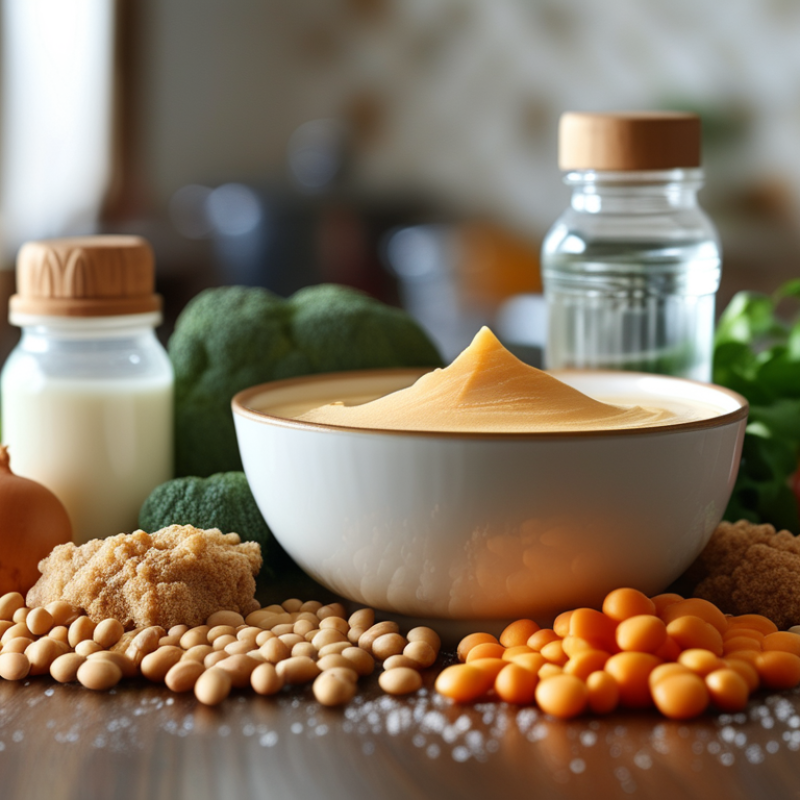
Hydrolyzed proteins are increasingly present in various food products. Understanding them is crucial for consumers. These proteins are broken down into smaller peptides through hydrolysis. This process enhances digestibility and nutrient absorption. Research from the Food and Nutrition Journal indicates that hydrolyzed proteins can improve muscle recovery and support weight management.
When examining ingredient labels, look for terms like "hydrolyzed soy protein" or "hydrolyzed animal protein." These terms indicate that the proteins have undergone hydrolysis. It’s worth noting that hydrolyzed proteins are often used for enhanced flavors and textures. However, they may also contain added sodium or preservatives, so awareness is essential.
Tip: Always read labels carefully. Focus on the first few ingredients to gauge the product's quality. Consider your dietary needs, as hydrolyzed proteins may not be suitable for everyone. It’s wise to consult with a nutritionist if uncertain. Balancing hydrolyzed proteins with whole food options can lead to a healthier diet.
Identifying hydrolyzed protein in ingredient labels involves understanding some key terms. Hydrolyzed proteins are broken down into smaller peptides or amino acids. This process enhances their digestibility. Common terms you might encounter include hydrolyzed wheat protein and hydrolyzed soy protein. These terms indicate that the protein source has undergone hydrolysis.
Look for words like “enzyme-treated” or “peptide.” These suggest that the proteins have been processed for easier absorption. However, some labels can be misleading. Just because a protein is hydrolyzed doesn’t guarantee quality or safety. It’s crucial to do your research and understand your body's needs.
Not all hydrolyzed proteins are created equally. Some may cause allergic reactions. This is especially true for common allergens like soy or wheat. Take the time to read labels thoroughly. Consult a healthcare professional if you're uncertain. Remember, ingredient transparency is vital for making informed dietary choices.
Understanding ingredient labels for hydrolyzed proteins requires careful attention. Hydrolyzed proteins are often included in food products, such as protein bars and supplements. These ingredients are proteins that have been broken down into smaller peptides to enhance digestibility. According to a 2022 report by the Food Institute, over 30% of protein-based products contain hydrolyzed proteins due to their perceived benefits.
Identifying hydrolyzed proteins is not always straightforward. Look for terms like "hydrolyzed," "peptides," or "protein hydrolysate." Common sources include soy, whey, and casein. A study published in the Journal of Nutrition indicated that hydrolyzed proteins are usually labeled with their source followed by the word "hydrolyzed." This specificity can help consumers make informed choices about their protein intake.
It's critical to approach ingredient lists with a discerning eye. Some products may market their protein content while hiding additives or fillers. Transparency in labeling often varies by manufacturer. Not all hydrolyzed proteins are created equal. Some may have undergone extensive processing, which can alter their nutritional value. Always question the quality and source of the protein you consume to ensure it aligns with your dietary goals.
Hydrolyzed proteins are often found in various food products. They are created through a process called hydrolysis, which breaks down proteins into smaller peptides. You can commonly find hydrolyzed proteins in items like protein powders, sports drinks, and processed foods. These proteins are valued for their ability to enhance flavor and improve texture.
Common sources of hydrolyzed proteins include soy, whey, and casein. Soy protein hydrolysates are frequently used in vegetarian and vegan products. They provide a complete amino acid profile. Whey protein, derived from milk, is popular among athletes. It offers quick absorption and helps in muscle recovery. Casein, another milk-derived protein, digests slowly, providing a steady release of amino acids.
When reading ingredient labels, look for terms like "hydrolyzed soy protein" or "hydrolyzed wheat protein." These indicate processed proteins. It's crucial to be aware of potential allergens. Some individuals may experience adverse reactions to these ingredients. Understanding these nuances can help you make better dietary choices. Always consider your unique health needs and consult with a professional if unsure.
| Hydrolyzed Protein Source | Common Use | Label Indicators |
|---|---|---|
| Hydrolyzed Soy Protein | Meat substitutes, sauces | Hydrolyzed soy protein, soy protein isolate |
| Hydrolyzed Wheat Protein | Baked goods, pasta | Hydrolyzed wheat protein, wheat protein isolate |
| Hydrolyzed Collagen | Bone broth, supplements | Hydrolyzed collagen, collagen peptides |
| Hydrolyzed Casein | Dairy products, protein shakes | Hydrolyzed casein, casein hydrolysate |
| Hydrolyzed Pea Protein | Vegan protein powders, snacks | Hydrolyzed pea protein, pea protein isolate |
Hydrolyzed proteins have gained popularity in food products and supplements. These proteins are broken down into smaller peptides through hydrolysis. This process enhances digestibility and absorption. However, health implications arise from consuming hydrolyzed proteins.
One concern involves allergies. Hydrolyzed proteins might still retain their allergenic potential. Individuals sensitive to certain proteins should be cautious. Studies indicate that hydrolyzed forms may trigger allergic reactions in some cases. This underscores the importance of thorough label checks.
Additionally, hydrolyzed proteins can contain undesirable components. Some may include added sodium or preservatives. These can affect overall health and wellbeing. Not everyone reacts the same way to these proteins. Monitoring how your body responds is vital. Pay attention to any changes you notice after consumption. Each person's dietary needs are unique.
: Hydrolyzed proteins are proteins broken down into smaller peptides. This process enhances flavor and texture in food products.
You can find them in protein powders, sports drinks, and processed foods.
Common sources include soy, whey, and casein. They provide different amino acid profiles and benefits.
Not necessarily. They can trigger allergies in sensitive individuals. Always check labels for allergenic sources.
They can contain added sodium or preservatives. These components may negatively impact your health.
Pay attention to any changes in your body after consumption. Individual responses vary significantly.
Consulting a professional helps ensure your dietary choices align with your health needs.
Yes, they may enhance recovery due to faster absorption. However, results vary from person to person.
They may not be suitable for everyone. Some might experience allergic reactions or other unwanted effects.
Look for terms like "hydrolyzed soy protein" or "hydrolyzed wheat protein." Ensure awareness of potential allergens.
In today's food landscape, understanding how to identify hydrolyzed protein on ingredient labels is crucial for consumers. Hydrolyzed proteins are proteins that have been broken down into smaller peptides or amino acids, making them easier to digest. Familiarizing yourself with key terms related to hydrolyzed proteins, such as "hydrolyzed soy protein" or "hydrolyzed wheat protein," can help you spot these ingredients quickly.
When reading ingredient labels, look for variations of hydrolyzed proteins, as they can be derived from various sources including plant and animal products. Common sources include soy, chicken, and fish. It is also important to be aware of the health implications associated with consuming hydrolyzed proteins, as they can impact allergies or dietary restrictions. By understanding these aspects, consumers can make informed choices about their food products.

Fderla Biology