Hydrolyzed protein ingredients are prevalent in many food products today. These ingredients are often added for their flavor-enhancing properties and nutritional benefits. However, understanding what foods contain hydrolyzed protein ingredients can be complex.
Many processed foods, such as soups, sauces, and snack items, might use hydrolyzed proteins. These proteins come from various sources, including soy and animal products. You may find them in items like protein bars, meal replacements, and even some baby foods.
Despite their widespread use, consumers should be mindful. Not all hydrolyzed proteins are created equal. Some individuals may have sensitivities or allergies related to these ingredients. It’s essential to read labels carefully to identify what foods contain hydrolyzed protein ingredients. Doing so can lead to healthier choices and greater awareness of dietary needs.
Types of Hydrolyzed Proteins Commonly Used in Foods
Hydrolyzed proteins are widely used in various food products. Their unique properties enhance flavor and texture. Common sources of hydrolyzed proteins include soy, whey, and casein. These proteins undergo enzymatic hydrolysis to break down into smaller peptides. As a result, they are more digestible and offer a savory umami taste.
A notable type is hydrolyzed vegetable protein (HVP), frequently found in sauces and snacks. According to industry reports, HVP enhances flavor while serving as a protein source. Research indicates that HVP can improve food palatability significantly, making it a preferred choice for processors. Another example is hydrolyzed whey protein, popular in sports nutrition products. It is absorbed quickly, supporting muscle recovery.
Interestingly, not all hydrolyzed proteins are equal. Some may cause allergies or intolerance in sensitive individuals. This calls for careful product labeling and consumer awareness. A 2022 survey revealed that 15% of consumers had adverse reactions to specific hydrolyzed proteins. It's crucial for manufacturers to communicate clearly about these ingredients. Being informed can help consumers make better choices regarding their dietary needs and health.
Common Food Products Containing Hydrolyzed Protein Ingredients
Hydrolyzed protein ingredients are increasingly common in various food products due to their digestibility and functional properties. Processed foods often use hydrolyzed proteins to enhance flavor and improve texture. You might find these ingredients in some protein bars, soups, and sauces. They provide a rich umami taste and can improve the overall mouthfeel of the product.
In snacks, hydrolyzed proteins appear due to their ability to increase protein content without adding much bulk. They are often present in chips and savory snacks. Breakfast cereals may also include hydrolyzed protein to boost the nutritional profile. Even infant formulas sometimes use these proteins, aiming to reduce allergenic potential.
While these ingredients offer benefits, there is room for consideration. Some consumers may be concerned about the processing methods used to create hydrolyzed proteins. Additionally, the nutritional value compared to whole food sources can be debated. Transparency in labeling is vital, allowing consumers to make informed choices. It's essential to balance taste, nutrition, and awareness when buying food products that contain hydrolyzed proteins.
Nutritional Benefits and Impacts of Hydrolyzed Proteins
Hydrolyzed proteins are increasingly present in various foods. These ingredients are broken down into smaller peptides, aiding easier digestion. Many sports nutrition items, protein bars, and meal replacements contain hydrolyzed proteins. They are often marketed for their potential muscle-building benefits and quick absorption.
When considering the nutritional impact, hydrolyzed proteins offer a range of benefits. They may help in recovery after strenuous exercise and support muscle maintenance. Their digestibility makes them suitable for those with certain dietary restrictions or difficulty digesting intact proteins. However, it's important to note that not everyone may experience these benefits equally. Some individuals may prefer whole proteins for their complete amino acid profiles.
While hydrolyzed proteins are praised for their efficiency, there are potential drawbacks. Some studies suggest that hydrolyzed proteins can be less satisfying than whole protein sources. This might lead to overconsumption of calories. Additionally, the processing involved can strip away other beneficial nutrients. Therefore, personal preferences and individual dietary needs should guide choices. Careful consideration of hydrolyzed protein sources is crucial for a balanced diet.
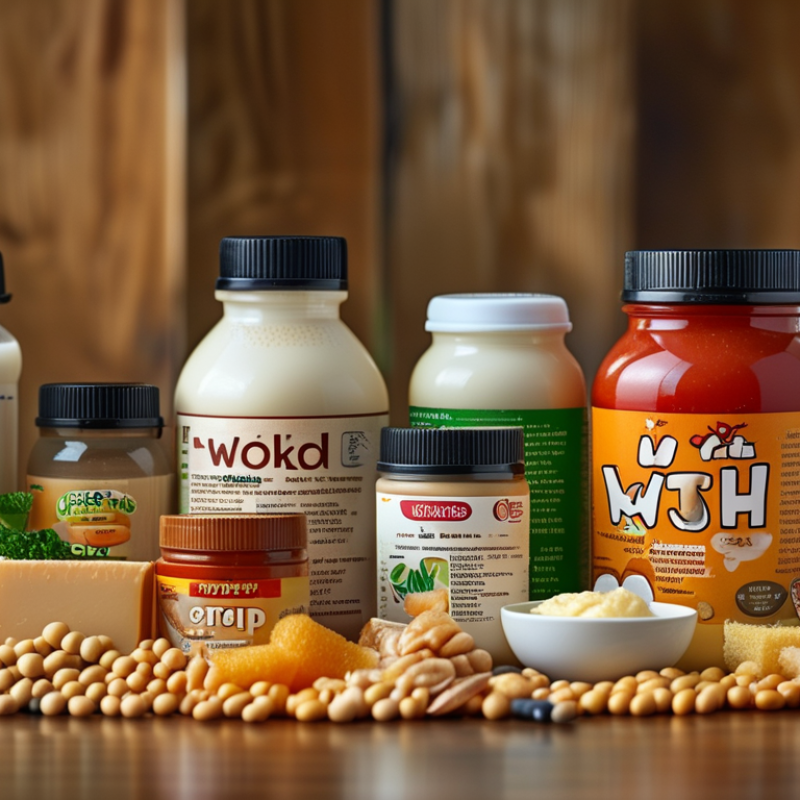
Hydrolyzed Protein Ingredients in Common Foods
Label Ingredients: Identifying Hydrolyzed Proteins in Food Products
When shopping for food products, identifying hydrolyzed proteins can be tricky. These ingredients often appear in various forms, such as hydrolyzed soy protein, hydrolyzed wheat protein, or hydrolyzed animal proteins. They are used for their flavor-enhancing properties and as a protein source.
To spot hydrolyzed proteins on labels, look for terms like "hydrolyzed" followed by the source. This can include soy, chicken, or corn. Be cautious, as these ingredients can contribute to allergies or sensitivities. Some foods, especially snack items and processed meats, often have hydrolyzed proteins listed. Yet, not all labels will indicate hydrolyzed proteins clearly.
**Tip:** Always read ingredient lists closely. A single word can change your meal choice. If a label lists “protein” without clarification, it’s worth investigating.
Understanding the implications of hydrolyzed proteins can lead to better dietary choices. While they can enhance flavor, not everyone tolerates them well. Reflect on your own experiences with processed foods to gauge how they affect you. Awareness is key to making informed decisions.
Allergic Reactions and Considerations with Hydrolyzed Proteins
Hydrolyzed proteins are present in various foods, including some processed snacks, soups, and pet foods. These proteins are broken down into smaller peptides, which may cause allergic reactions in sensitive individuals. Allergies can be severe, so awareness is crucial. Many people may not realize they have a sensitivity to hydrolyzed ingredients until symptoms appear. Common reactions include skin rashes, gastrointestinal distress, and breathing difficulties.
When reading food labels, look out for terms like "hydrolyzed vegetable protein" or "hydrolyzed animal protein." These can trigger allergies in some people. It’s important to consider potential cross-contamination if you have a known allergy. Also, keep in mind that hydrolyzed proteins sometimes mask allergens in ingredient lists. Just because a food is labeled "safe" does not mean it is free from risks.
Tips: Always consult with a healthcare professional if you experience adverse reactions. It's helpful to keep a food diary to identify potential food sensitivities. Consider joining online support groups for shared experiences and tips. Knowledge is empowering, especially when dealing with food allergies and sensitivities.
FAQS
: Hydrolyzed proteins are broken-down proteins used in foods for flavor and as protein sources.
Look for the word "hydrolyzed" followed by its source, like soy or chicken.
They may trigger allergies or sensitivities in some individuals, leading to severe reactions.
Common reactions include skin rashes, gastrointestinal issues, and breathing problems.
Always read labels carefully and check for cross-contamination, even in labeled 'safe' foods.
Keep a food diary, consult a healthcare professional, and consider joining support groups.
Yes, they can sometimes hide allergens in ingredient lists, misleading consumers.
Understanding their effects helps in making informed dietary choices and managing sensitivities.
Not all labels clearly indicate these proteins; a vague "protein" label may need further investigation.
Reflecting on how processed foods affect you can inform better dietary decisions and promote health.
Conclusion
Hydrolyzed proteins are used in a variety of food products due to their enhanced solubility and digestibility. Common types include hydrolyzed whey, soy, and casein proteins, often found in protein bars, nutritional supplements, and processed foods. When exploring what foods contain hydrolyzed protein ingredients, it is essential to check labels, as these proteins are frequently listed under various names, including "hydrolyzed vegetable protein" or specific types like “hydrolyzed soy protein.”
The nutritional benefits of hydrolyzed proteins include improved amino acid absorption and potential muscle recovery support. However, individuals with allergies should exercise caution, as hydrolyzed proteins can still trigger allergic reactions, depending on their source. Being informed about these ingredients is crucial for those with dietary restrictions or sensitivities.

 Fderla Biology