How to Choose the Right Hydrolyzed Protein Supplement?

Time:2026-10-12 Author:Madeline
0%

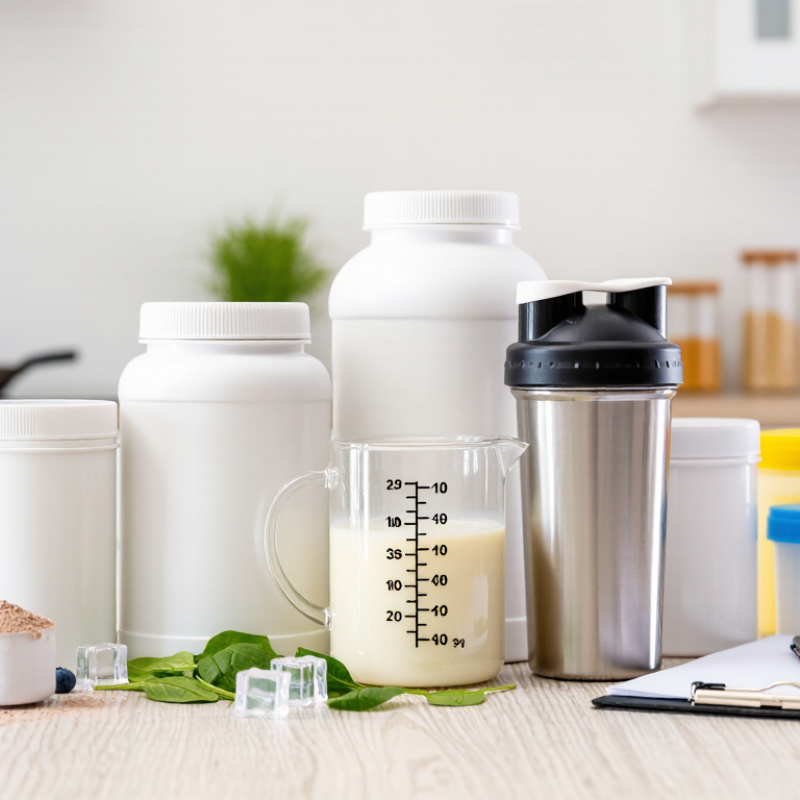
Choosing a protein supplement can feel like comparing identical white tubs under bright shop lights. The labels promise faster digestion, cleaner nutrition, and better recovery. Yet hydrolyzed protein is not automatically the best choice for every person.

This guide explains how to choose the right hydrolyzed protein supplement using practical nutrition principles and careful label reading. Hydrolyzed protein has been partially broken into smaller peptides. Some athletes find it gentler after training, especially when a full meal feels uncomfortable. Others notice little difference compared with a quality whey concentrate or isolate. Personal response matters.

Read the protein source, serving size, sweeteners, and added ingredients before judging the front label. Look for clear amino acid information and independent quality testing when available. A product with fewer ingredients may be easier to evaluate, but “natural” wording alone proves very little. It is also important to check milk, soy, or other allergen statements. Small details can matter.

Your goal should guide the decision. Muscle gain, recovery, convenience, and digestive comfort may require different priorities. A registered dietitian or qualified healthcare professional can help when allergies, kidney disease, pregnancy, or medication use are involved. More expensive does not always mean more effective. That is worth remembering.

Some advice online sounds certain. Nutrition rarely is. Start with a modest serving, monitor digestion and recovery, and reassess after several weeks. The most suitable product is the one that fits your needs, budget, tolerance, and verified nutritional goals.
How to Choose the Right Hydrolyzed Protein Supplement?

Understanding Hydrolyzed Protein and Its Key Benefits

How to Choose the Right Hydrolyzed Protein Supplement?

Hydrolyzed protein is pre-digested into smaller peptides. This process can help the stomach absorb amino acids more quickly. However, faster absorption does not automatically mean better muscle growth. A 2017 International Society of Sports Nutrition position stand recommends about 1.4–2.0 grams of protein per kilogram of body weight daily for active adults. It also supports individual servings of roughly 20–40 grams. Hydrolyzed protein may fit this plan, but total daily intake matters more than the label.

Look for the protein source, hydrolysis level, and independent testing information. A clear ingredient list is useful. So is third-party verification.

Research published in the Journal of Applied Physiology found that hydrolyzed whey produced a faster amino acid response than intact casein after exercise. The practical difference may be smaller for people who already eat enough protein.

Consider a 25-gram serving after training, especially when a full meal is inconvenient. Notice how your stomach responds.

Not every product suits everyone.

Some formulas contain sweeteners, milk residues, or unnecessary additives. People with milk-protein allergies should seek professional medical advice before use. Evidence on long-term advantages remains limited, and some studies involve small groups or controlled laboratory conditions. That limitation deserves attention.

A supplement can support a routine, but it cannot repair poor sleep, inadequate calories, or inconsistent training.

Assessing Your Dietary Needs and Supplement Goals

Choosing a hydrolyzed protein supplement starts with your diet, not the package label. Estimate daily protein from meals, training, age, and medical needs. The International Society of Sports Nutrition recommends about 1.4–2.0 grams of protein per kilogram of body weight daily for exercising adults (ISSN Position Stand, 2017). A 70-kilogram recreational lifter may therefore need roughly 98–140 grams each day.

Check your actual intake for three days. Write down breakfast, lunch, dinner, and snacks. A supplement may help when appetite, travel, or training schedules create gaps. Hydrolyzed protein is partially broken down, which can make digestion feel easier for some people. It is not automatically superior. Research reviewed by the ISSN reports that total daily protein and adequate resistance training usually matter more than the protein’s processing method. That detail is often missed.

Your goal should guide the serving size. For muscle gain, place protein across several meals, with approximately 20–40 grams per meal depending on body size and protein quality. For recovery, combine it with carbohydrates after demanding sessions. For weight management, count its calories instead of treating it as “free” nutrition. Keep expectations realistic. I have seen people buy a faster-digesting product while ignoring irregular meals and poor sleep. That is an expensive mismatch. People with kidney disease, pregnancy, allergies, or prescribed diets should seek individualized medical advice before supplementing. Review ingredient lists carefully, and select products tested by independent quality programs when available.

Comparing Protein Sources, Formulas, and Hydrolysis Levels

How to Choose the Right Hydrolyzed Protein Supplement?

Choosing a hydrolyzed protein starts with the protein source. Whey usually provides all essential amino acids and digests relatively quickly. Casein breaks down more slowly, which may suit longer gaps between meals. Soy and pea proteins can support plant-based diets, but their amino acid profiles differ. Collagen is hydrolyzed easily, yet it is not a complete muscle-building protein.

The source matters more than the word “hydrolyzed.”

Hydrolysis means protein chains are split into smaller peptides. However, hydrolysis levels vary widely between formulas. Mild hydrolysis may improve mixing and digestion without changing the product dramatically. Extensive hydrolysis can create a bitter taste and higher cost.

Faster absorption is not automatically better for every person. That assumption deserves scrutiny.

Look for clear labeling of the hydrolysis degree, protein amount, and amino acid content.

The formula also deserves close attention. Check sweeteners, thickeners, added oils, allergens, and unnecessary stimulant ingredients. A short ingredient list is easier to evaluate.

In practical use, mixability, flavor, and stomach comfort matter. A powder that causes bloating will not serve you well, even with an impressive nutrition panel.

Independent quality testing adds useful confidence, but it does not replace professional advice.

People with allergies, kidney disease, digestive disorders, or special dietary needs should consult a qualified dietitian or clinician before choosing a supplement. Small details matter.

Checking Quality, Safety, Ingredients, and Manufacturing Standards

Choosing a hydrolyzed protein supplement starts with quality, not attractive packaging. Look for a clear protein source, such as whey, collagen, or plant protein. The label should state the protein amount per serving and the hydrolysis process. “Hydrolyzed” does not automatically mean better. It usually means the protein has been broken into smaller peptides.

Safety requires careful label reading. Check allergens, sweeteners, flavorings, and unnecessary fillers. A short ingredient list is useful, but it is not proof of purity. Look for batch numbers, expiration dates, and storage instructions. Independent laboratory testing can verify protein content and screen for contaminants. Ask whether a certificate of analysis is available. Do not rely only on customer reviews.

Manufacturing standards matter as much as ingredients. Choose products made in facilities following recognized Good Manufacturing Practices. These systems support controlled sourcing, sanitation, testing, and accurate labeling. The package should identify the manufacturer and provide reachable contact information. The powder should dissolve reasonably well and smell normal, although texture can vary naturally. That small check helps.

I have learned that “clean” marketing can hide important details. A product may look professional yet provide little evidence. Compare the label with the serving instructions, and avoid unusually dramatic promises. If you have allergies, digestive conditions, kidney concerns, or take medication, speak with a qualified healthcare professional. Personal tolerance still matters, even when manufacturing records look excellent.

Choosing the Right Product, Dosage, and Usage Plan

Choosing a hydrolyzed protein supplement starts with the product label, not the front panel. Look for clear protein amounts, hydrolysis information, allergen statements, and independent quality testing. A shorter ingredient list is often easier to assess. Yet “clean” does not always mean better. Check the protein source, sweeteners, sodium, and added vitamins. If you have milk, soy, or egg allergies, verify manufacturing controls and cross-contact warnings. A registered dietitian or qualified clinician can help when kidney disease, pregnancy, or medication use is involved.

Dosage should match your total daily protein needs, training demands, body size, and normal meals. Many adults can use 20–30 grams after exercise, but this is not a universal prescription. Start with half a serving for several days. Notice digestion, fullness, stool changes, and appetite. Then adjust gradually, rather than copying an athlete’s routine. More powder will not automatically build more muscle. Resistance training, adequate calories, and sleep remain essential. For general nutrition, a supplement may simply fill a gap.

Mix the powder with water, milk, or a tolerated alternative, and drink it with a meal or snack. Hydrolyzed products may digest faster, but faster is not always more effective. Use a clean shaker and follow storage instructions carefully. Do not rely on taste alone. I would review the plan after two weeks, then question whether the supplement is still useful. Some people expect dramatic results and overlook inconsistent meals. That mistake is common. Persistent bloating, rash, or breathing difficulty requires stopping the product and seeking medical advice.

How to Choose the Right Hydrolyzed Protein Supplement? — Choosing the Right Product, Dosage, and Usage Plan
Decision Area What to Check Practical Guidance Typical Target or Range Best-Fit Usage Plan
Protein Type Source and degree of hydrolysis Hydrolyzed protein is pre-digested into smaller peptides. Common sources include whey, casein, collagen, soy, and other plant proteins. Choose a source that matches dietary preferences, allergies, and nutritional goals. Use whey or other complete proteins when muscle-protein support is the priority; consider collagen separately when connective-tissue support is the goal.
Protein Quality Essential amino acids and leucine content For muscle maintenance or growth, select a product that provides a complete amino-acid profile and a meaningful amount of leucine per serving. Approximately 20–40 g protein per serving, depending on body size and total daily intake. Pair the supplement with resistance training and distribute protein across several meals rather than relying on one serving.
Ingredient Label Protein amount, added sugar, fillers, and allergens Compare the actual protein grams per serving. Check for milk, soy, gluten, lactose, sweeteners, and other ingredients relevant to personal tolerance. Prefer a short ingredient list and a product with protein as the primary ingredient. Choose an unflavored or lightly flavored formula when you want to mix it with food or control sweetness.
Digestive Tolerance Symptoms after consumption Hydrolysis may improve digestibility for some people, but it does not eliminate all allergy risks or guarantee symptom-free use. Begin with ½ serving and assess tolerance before increasing the amount. Take with water or a low-fat meal. Stop use and seek medical advice if significant allergic or digestive symptoms occur.
Daily Protein Goal Total protein from food and supplements Supplement powder should fill a dietary gap, not replace a varied diet. Daily needs depend on body weight, age, activity, and health status. For many healthy exercising adults, approximately 1.2–2.0 g/kg/day may be appropriate; individual needs vary. Calculate protein from ordinary foods first, then use one or more servings only as needed to reach the planned daily intake.
Serving Dosage Protein per scoop and total daily amount Follow the package serving size, but adjust it according to the protein already supplied by meals and snacks. Commonly 20–30 g protein per serving; larger servings are not automatically more beneficial. Use one serving after training, with breakfast, or between meals when convenient. Avoid unnecessary duplicate servings.
Timing Consistency versus a narrow post-workout window Total daily protein and regular distribution generally matter more than taking protein at an exact minute after exercise. Spread intake over approximately 3–5 eating occasions when practical. Take it within a few hours before or after training, or at another time that helps maintain the daily protein target.
Training Objective Muscle gain, maintenance, recovery, or convenience Hydrolyzed protein can provide convenient protein, but results still depend on progressive training, sufficient energy, sleep, and overall diet. Combine the supplement with a balanced eating plan and an appropriate resistance-training program. For muscle gain, maintain adequate calories; for weight management, include the supplement within the planned calorie budget.
Mixing and Storage Preparation method and product handling Mix with water, milk, or another suitable beverage according to the label. Keep the container sealed and store it in a cool, dry place. Consume prepared drinks promptly, especially when mixed with milk or other perishable ingredients. Prepare a single serving when needed and use the included scoop only if it is clean and dry.
Safety Check Medical conditions, medications, pregnancy, and allergies People with kidney disease, liver disease, metabolic disorders, medically restricted diets, or known food allergies should obtain professional advice before use. There is no universal dosage suitable for every person. Review the label with a qualified healthcare professional when health conditions, pregnancy, breastfeeding, or medication use is involved.

FAQS

How much protein might an exercising adult need each day?

A common range is 1.4–2.0 grams per kilogram of body weight daily. A 70-kilogram lifter may need about 98–140 grams. Your meals, age, training, and medical needs can change this estimate. It is only a starting point.

When can a hydrolyzed protein supplement be useful?

It may help when travel, low appetite, or busy training causes protein gaps. Track breakfast, lunch, dinner, and snacks for three days. Then check whether a supplement solves a real problem. Do not add powder automatically.

Is hydrolyzed protein always better than regular protein?

No. Hydrolysis breaks protein into smaller peptides. Some people find it easier to digest. Daily protein intake and resistance training usually matter more. Faster digestion is not always better.

Which protein sources should I compare?

Whey usually contains all essential amino acids and digests relatively quickly. Casein digests more slowly and may suit longer meal gaps. Soy and pea protein can support plant-based diets. Collagen is hydrolyzed easily, but it is not a complete muscle-building protein.

What should I check on a product label?

Check the protein source, protein amount, hydrolysis details, allergens, sweeteners, and sodium. Look for unnecessary oils, thickeners, stimulants, and added vitamins. Independent quality testing can provide extra confidence. A short ingredient list helps. But “clean” does not always mean better.

How much should I take after exercise?

Many adults use about 20–30 grams after training. This is not a universal prescription. Match the serving to your body size, meals, and daily protein target. Start with half a serving for several days. More powder will not automatically build more muscle.

How can I test whether the supplement suits me?

Mix it with water, milk, or another tolerated drink. Notice bloating, fullness, stool changes, and appetite. Use a clean shaker and follow storage instructions. Review the plan after two weeks. I might overestimate its value at first.

When should I seek professional advice?

Ask a qualified clinician or dietitian before using supplements with kidney disease, pregnancy, allergies, or prescribed diets. Check cross-contact warnings for milk, soy, or egg allergies. Stop using the product if rash, breathing difficulty, or persistent bloating appears. Seek medical advice promptly.

Conclusion

Choosing how to choose the right hydrolyzed protein supplement starts with understanding what hydrolysis means. This process breaks protein into smaller peptides, which may make it easier to digest and absorb. Consider your dietary needs, fitness goals, protein intake, allergies, and digestive tolerance before selecting a product. Your ideal choice may differ depending on whether you want support for muscle recovery, convenient daily nutrition, or a gentler protein option.

Compare protein sources, formulas, and hydrolysis levels to find a product that matches your preferences. Examine the ingredient list for unnecessary additives, allergens, sweeteners, and artificial components. Quality and safety are also important, so look for clear labeling, reliable testing, and responsible manufacturing standards. Once you select a suitable supplement, follow the recommended serving size and use it as part of a balanced diet rather than a replacement for varied foods. Adjust your dosage and timing according to your nutritional needs and professional guidance.

Madeline

Madeline

Madeline is a dedicated marketing professional with a wealth of expertise in our company's core offerings. With a keen understanding of the industry, she brings a unique perspective to her role, consistently delivering high-quality content that highlights the superior aspects of our products. As......