China Best Hydrolyzed Protein Peptides for Health Benefits

Time:2026-10-07 Author:Amelia
0%

Hydrolyzed protein peptides are gaining attention in nutrition, sports recovery, healthy aging, and functional food development. They are proteins broken into smaller chains through enzymatic hydrolysis. This process may improve digestion speed and peptide absorption. Still, the body’s response depends on peptide structure, amino acid content, dose, and individual health status.

So, what is the role of hydrolyzed protein peptides in health? Research suggests they may support muscle protein synthesis, connective-tissue maintenance, and recovery after physical activity. Some collagen-derived peptides have also been studied for skin elasticity, joint comfort, and bone-related outcomes. Professor Luc van Loon, a respected protein metabolism researcher, has stated, “You are what you eat, but you are also what you do.” His point matters here. Peptides cannot replace resistance training, balanced meals, sleep, or medical care.

The best evidence supports using hydrolyzed peptides as part of a broader nutrition strategy. Their smaller size can be practical for people with reduced appetite, demanding training schedules, or difficulty consuming solid protein. However, “faster” does not always mean “better.” Product quality, allergen control, amino acid balance, and transparent testing remain important. Some benefits appear promising, yet findings are not identical across studies or populations. That uncertainty deserves honesty.

This article examines China’s best hydrolyzed protein peptide options through a health-focused lens. It considers manufacturing expertise, raw-material traceability, laboratory testing, and responsible claims. Readers should also review labels carefully. The right product is not merely highly processed. It should be evidence-informed, clearly documented, and suitable for its intended use.
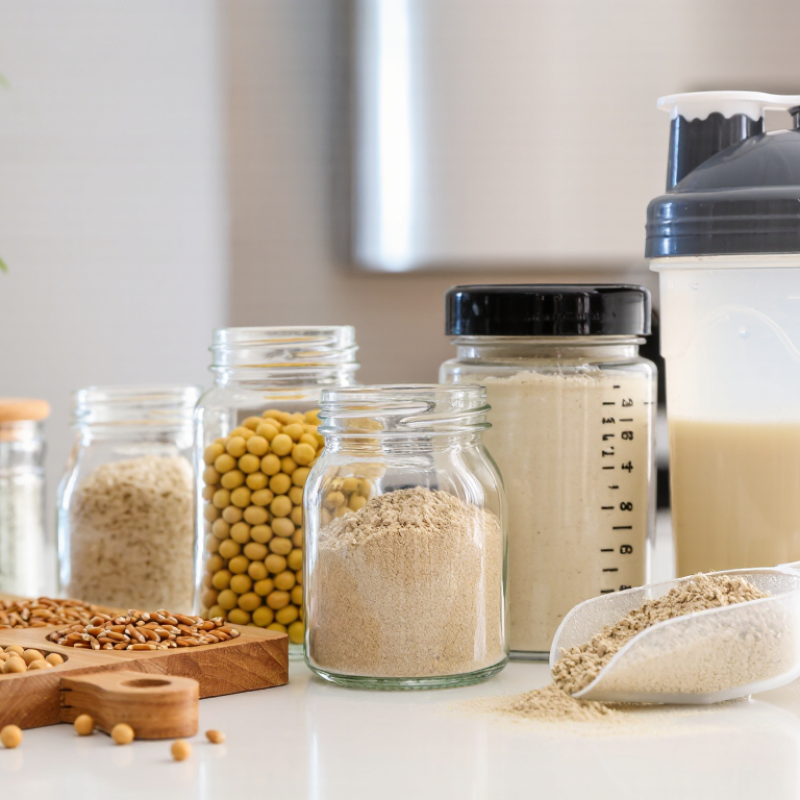
China Best Hydrolyzed Protein Peptides for Health Benefits

What Are Hydrolyzed Protein Peptides?

Hydrolyzed protein peptides are smaller protein fragments created through hydrolysis. This process uses enzymes, water, or controlled acids to break large protein chains into shorter sequences. Some products contain dipeptides and tripeptides. Others include longer peptide fragments and free amino acids.

Their smaller structure can make them easier to disperse and digest than intact proteins. However, “hydrolyzed” does not automatically mean superior. The nutritional value depends on the original protein, amino acid profile, processing conditions, and serving size. Different hydrolysates behave differently in the body. That detail is often overlooked.

In practical nutrition work, I would examine the ingredient source, peptide profile, allergen controls, and independent laboratory testing. Clear labeling matters. A powder that mixes quickly in cool water may be useful after exercise or when appetite is low. Yet digestion still varies between individuals. Not magic.

Research suggests certain protein peptides may support muscle protein synthesis, connective tissue maintenance, or mineral absorption, depending on their amino acid sequences. These effects should not be treated as medical guarantees. Evidence may be stronger for some applications than others. A common mistake is assuming every peptide product has the same biological function. It does not. Consumers should also consider total daily protein, balanced meals, allergies, and advice from a qualified healthcare professional when needed.

How Hydrolyzed Protein Peptides Are Made in China

China Best Hydrolyzed Protein Peptides for Health Benefits

Hydrolyzed protein peptides are made by breaking large protein chains into smaller peptides. In China, responsible manufacturers usually begin with documented raw materials, such as fish, collagen, milk, or plant proteins. Each batch should receive identity, purity, and microbiological checks before processing.

The main step is enzymatic hydrolysis. Controlled enzymes work in stainless-steel tanks with measured temperature, pH, and mixing time. Operators then stop the reaction through heat treatment or pH adjustment. Filtration removes unwanted particles, while membrane separation helps control peptide size. The liquid is concentrated and spray-dried into a fine powder. It should dissolve smoothly, without a strong burnt smell. Not always perfect.

Reliable facilities test moisture, heavy metals, allergens, microbial limits, and peptide distribution. They also keep batch records from raw material intake to final packaging. Independent laboratory testing adds useful confidence, but certificates alone do not prove every quality claim. Buyers should review current reports, production standards, and traceability documents.

Tips: Ask for the hydrolysis method, average molecular weight, test dates, and storage conditions. Check whether the powder is packed in moisture-resistant containers. A clear specification sheet matters. Also, compare several suppliers instead of trusting the lowest price. Claims about health benefits should remain evidence-based and should not replace professional medical advice.

Key Health Benefits of Hydrolyzed Protein Peptides

China’s Best Hydrolyzed Protein Peptides for Health Benefits

Hydrolyzed protein peptides contain smaller protein fragments, which may digest faster than intact proteins. This matters after exercise, when practical nutrition is often difficult. A 2017 International Society of Sports Nutrition position stand recommends 1.4–2.0 grams of protein per kilogram of body weight daily for many active adults. Hydrolyzed peptides can help meet that target, but they do not replace a balanced diet.

Key Health Benefits of Hydrolyzed Protein Peptides

Muscle support is the strongest evidence. Research published in the Journal of Applied Physiology found that rapidly digested protein can increase circulating amino acids and stimulate muscle protein synthesis after training. The response still depends on total protein intake, exercise quality, sleep, and age. More peptide powder does not guarantee more muscle.

Digestion may feel easier.

Some people report less heaviness after consuming hydrolyzed protein. However, tolerance varies with the original protein, sweeteners, serving size, and individual health conditions. The FAO/WHO/UNU protein consultation emphasizes protein quality and amino acid balance, not hydrolysis alone. Peptides may also support collagen formation when they provide sufficient glycine, proline, and other amino acids, though human outcomes remain inconsistent. That uncertainty deserves attention. Select products with clear amino acid data, contaminant testing, and transparent nutrition information.

How to Choose High-Quality Chinese Peptide Products

China Best Hydrolyzed Protein Peptides for Health Benefits

How to Choose High-Quality Chinese Peptide Products

Chinese hydrolyzed protein peptides can support convenient protein intake when quality controls are clear. Choose suppliers that disclose the protein source, processing method, and intended use. Fish, collagen, and dairy peptides have different amino acid profiles. Match the product to your dietary needs. Avoid broad promises about rapid healing or guaranteed results. Peptides are not substitutes for medical treatment.

Request a current, batch-specific certificate of analysis. It should show protein content, peptide molecular-weight distribution, moisture, heavy metals, microbial limits, and allergen information. An independent laboratory report adds credibility. Check whether the facility follows recognized food-safety and manufacturing standards. Also review traceability, packaging integrity, storage conditions, and export documentation. A generic PDF is not enough.

Look closely at the hydrolysis process. Enzyme selection and temperature control can affect taste, solubility, and consistency. Ask how batches are tested before release. A low price may seem attractive, but weak documentation creates hidden costs. I would also compare several batches, not one sample. Small differences matter. Some suppliers communicate well yet provide incomplete technical files. That is a warning, not a minor inconvenience. Confirm local import rules and label requirements before purchase.

China Best Hydrolyzed Protein Peptides for Health Benefits - How to Choose High-Quality Chinese Peptide Products

A practical, evidence-based comparison table for evaluating hydrolyzed protein peptide products from China

Evaluation Dimension Common Product Types Reliable Data or Quality Indicator Potential Health Application What Buyers Should Verify
Protein Source Fish collagen Bovine collagen Whey Soy Pea The source should be clearly declared, including animal or plant origin. Collagen peptides are naturally rich in glycine, proline and hydroxyproline, while whey, soy and pea peptides provide broader essential amino acid profiles. Source selection may support different goals, such as collagen-focused nutrition, sports recovery or plant-based protein intake. Confirm species, country of origin, allergen status, vegetarian suitability and whether the raw material is marine, bovine, dairy or plant-based.
Hydrolysis Process Enzymatic hydrolysis is commonly used to break intact proteins into shorter peptides. A high-quality specification should identify the hydrolysis method and provide a certificate of analysis rather than using only terms such as “advanced” or “premium.” Smaller protein fragments are generally easier to dissolve and digest than intact proteins, although individual tolerance can vary. Ask for process details, batch consistency data and confirmation that no undeclared chemical treatment has been used.
Peptide Molecular-Weight Distribution Products may contain a mixture of low- and medium-molecular-weight peptides rather than one uniform peptide size. The distribution should be measured using a recognized analytical method such as size-exclusion chromatography. A reported range is more meaningful than an unsupported claim of “100% small peptides.” Lower molecular-weight fractions may improve solubility and sensory performance. Molecular weight alone does not prove superior clinical effectiveness. Review the actual percentage distribution, test method, laboratory date and batch number on the certificate of analysis.
Protein Content Hydrolyzed protein powders are commonly marketed as concentrated protein ingredients. The declared protein level should be verified by an appropriate validated nitrogen or amino-acid-based method. The measurement basis should state whether results are reported on an “as-is” or dry basis. A higher protein content can provide more protein per serving, but it does not automatically indicate better peptide quality. Compare the specification, nutrition panel, moisture level and calculation method. Check that added sugars or carriers are disclosed.
Amino Acid Profile Collagen peptides differ from complete dietary proteins because collagen is naturally low in tryptophan and is not a complete protein source. A full amino acid profile should be available when the product is used for nutritional assessment. Whey, soy and pea proteins have different essential amino acid patterns. Amino acid composition helps determine whether the product is better suited to collagen nutrition, general protein intake or sports nutrition. Do not treat collagen peptides as a complete substitute for dietary proteins unless the formulation has been specifically supplemented and documented.
Digestibility and Solubility Hydrolyzed powders are generally designed to dissolve more easily than intact protein concentrates. Request documented solubility, dispersibility, moisture and sensory specifications. These properties can vary with temperature, pH and mixing conditions. Good solubility may improve convenience in beverages, nutritional powders and functional foods. Check recommended mixing temperature, sedimentation behavior, odor, taste, color and compatibility with the intended formula.
Heavy-Metal Control Marine and animal-derived materials require particular attention to environmental and supply-chain contaminants. Each batch should be tested for relevant heavy metals, including lead, arsenic, cadmium and mercury, using a recognized laboratory method. Acceptance limits depend on the destination market and product category. Contaminant control is essential for long-term consumer safety. Request recent batch results, analytical methods, reporting units and compliance with the regulations of the target sales country.
Microbiological Safety Powdered protein ingredients should be monitored for total microbial count, yeast and mold, and specified pathogens. A complete specification should include microbiological limits appropriate to the ingredient and intended use, together with pathogen testing where applicable. Proper microbiological control reduces the risk of spoilage and foodborne contamination. Verify Salmonella, pathogenic Escherichia coli and other relevant tests, as well as manufacturing hygiene and environmental monitoring procedures.
Allergen Management Dairy, soy, fish and other source materials may trigger allergic reactions in sensitive individuals. Allergen declarations should identify intentional ingredients and reasonably foreseeable cross-contact risks in accordance with the destination market. Accurate allergen information supports safe product selection and compliant labeling. Review allergen-control procedures, shared-line controls, cleaning validation and the final product label.
Traceability Traceability should cover raw materials, processing, packaging and finished-product dispatch. A robust system links every package to a lot number, production date, raw-material records and retention samples. Traceability enables faster investigation and recall if a quality issue occurs. Ask for lot coding, retention-sample policy, recall procedures and documented supply-chain records.
Manufacturing Standards Food-grade peptide products should be produced under an appropriate food-safety management system. Useful evidence may include a valid HACCP-based system, ISO 22000 or equivalent food-safety certification, depending on the market and product category. Audited manufacturing controls can reduce process and contamination risks. Check certificate scope, issuing body, validity period, production site and whether the certificate covers the specific product category.
Regulatory Documentation Documentation requirements differ for food ingredients, dietary supplements, sports nutrition products and cosmetic ingredients. Core documents commonly include a specification sheet, certificate of analysis, safety data where relevant, allergen statement, non-GMO statement when claimed and product label information. Complete documentation supports legal importation, formulation review and quality control. Ensure the documents match the exact product, lot, intended use and destination-country requirements.
Evidence for Health Claims Collagen peptides, whey peptides and other hydrolyzed proteins have different evidence bases and should not be treated as interchangeable. Clinical findings depend on the specific source, dose, duration, population and product composition. General laboratory data cannot replace human clinical evidence. Evidence may help assess claims related to protein nutrition, exercise recovery or selected connective-tissue outcomes. Prefer appropriately designed human studies and avoid guarantees such as “cures,” “reverses aging” or “works for everyone.”
Packaging and Storage Protein peptides are commonly supplied in moisture-protective bags, lined cartons or sealed containers. Packaging should protect against moisture, oxygen, light and contamination. The specification should state storage conditions and shelf life. Correct storage helps maintain solubility, flavor, microbiological quality and product stability. Confirm packaging material, seal integrity, recommended temperature and humidity, shelf-life basis and transport requirements.
Best Overall Selection Principle Choose the peptide type according to the intended nutritional purpose rather than marketing language. The strongest purchasing decision combines transparent source information, reproducible peptide-size data, contaminant testing, traceability and destination-market compliance. This approach supports safer and more consistent product development. Compare multiple batches and suppliers using the same specification, testing requirements and acceptance criteria.

Important: Regulatory limits, permitted claims and required certifications vary by destination country and product category. Product specifications and certificates should be verified for the exact batch before purchase or commercial use.

Safety, Dosage, and Common Applications

China’s hydrolyzed protein peptides are used in nutrition powders, sports drinks, and clinical meal formulas. Hydrolysis breaks proteins into smaller peptides, which may improve mixing and digestion. However, “best” depends on amino acid quality, testing, and the intended use.

Safety comes first. The FAO/WHO/UNU protein report recommends about 0.8 grams of protein per kilogram of body weight daily for healthy adults. This is total protein, not a universal peptide dose. Sports nutrition research commonly studies 20–40 grams of protein per serving, while collagen peptide trials often use 2.5–10 grams daily. These figures are not interchangeable.

Read the label carefully. Check allergens, heavy-metal testing, microbial results, and the source animal. People with kidney disease, pregnancy, or medically restricted diets should seek professional advice. A “natural” source is not automatically risk-free.

Common applications include post-exercise drinks, elderly nutrition, wound-support formulas, and beauty-focused products. A 2023 review in Nutrients reported possible benefits for muscle recovery and connective tissue, but results varied by peptide type and study design. The International Society of Sports Nutrition also emphasizes adequate total protein and resistance training, rather than isolated supplements. Evidence remains uneven. Some products dissolve clearly in a glass, yet their clinical value may be less obvious. Independent laboratory certification and batch traceability matter, especially when purchasing from China. Dosage should follow human research, not dramatic marketing claims.

FAQS

What are hydrolyzed protein peptides?

They are smaller protein fragments made by breaking large protein chains with enzymes, water, or controlled acids. Some contain dipeptides, tripeptides, longer fragments, and free amino acids.

Are hydrolyzed peptides automatically better than intact protein?

No. Smaller fragments may disperse and digest more easily. However, quality depends on the source, amino acid profile, processing, and serving size. Not magic.

How are these peptides commonly produced?

Manufacturers begin with documented fish, collagen, milk, or plant-based raw materials. Enzymes work in stainless-steel tanks with controlled temperature, pH, and mixing time. Filtration and membrane separation help control peptide size. The liquid is then concentrated and spray-dried.

What should a finished powder look and smell like?

A suitable powder should dissolve smoothly in cool water and show consistent texture. A strong burnt smell may suggest processing problems. Not always perfect.

What quality documents should buyers request?

Ask for hydrolysis details, average molecular weight, test dates, storage conditions, and batch records. Review testing for moisture, heavy metals, allergens, and microbial limits. Certificates help, but they do not prove every claim.

How much protein should adults consume daily?

Healthy adults commonly need about 0.8 grams of total protein per kilogram of body weight daily. This is not a universal peptide dose. Individual needs may differ.

What serving amounts have been studied?

Sports nutrition studies often examine 20–40 grams of protein per serving. Collagen peptide studies commonly examine 2.5–10 grams daily. These amounts are not interchangeable. Read the label.

Who should seek professional advice before using peptide products?

People with kidney disease, pregnancy, allergies, or medically restricted diets should consult a qualified professional. Check the protein source and allergen information carefully. Natural does not always mean risk-free.

What are common applications for hydrolyzed peptides?

They may appear in nutrition powders, sports drinks, clinical meal formulas, and beauty-focused products. Some research suggests possible support for muscle recovery or connective tissue maintenance. Results vary by peptide type and study design. The evidence is uneven.

Conclusion

Hydrolyzed protein peptides are smaller protein fragments produced by breaking whole proteins into easily absorbed chains of amino acids. This article explains how these peptides are manufactured in China through controlled enzymatic hydrolysis, filtration, purification, drying, and quality testing. The process can improve solubility, digestion, and consistency while allowing products to be tailored for different nutritional applications. It also considers what is the role of hydrolyzed protein peptides in health, including their potential support for muscle recovery, connective tissue, skin structure, nutrient intake, and healthy aging when used as part of a balanced diet.

Choosing a high-quality Chinese peptide product requires attention to raw-material origin, production controls, purity, testing documentation, allergen information, and compliance with applicable food and health regulations. The article also reviews common uses in nutrition powders, beverages, functional foods, and dietary supplements, while emphasizing that dosage depends on the product and individual needs. Consumers should follow label directions and consult a qualified healthcare professional when necessary.

Amelia

Amelia

Amelia is a seasoned marketing professional with a wealth of expertise in our company’s core offerings. With an unwavering passion for driving growth and innovation, she plays a pivotal role in shaping our marketing strategies and enhancing brand visibility. A key aspect of her responsibilities......