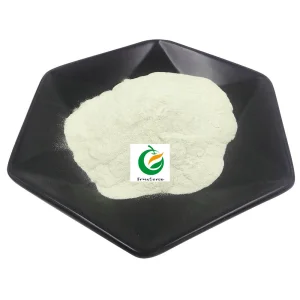
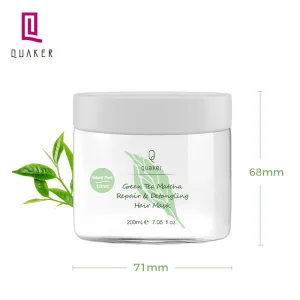
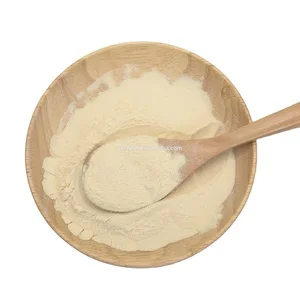
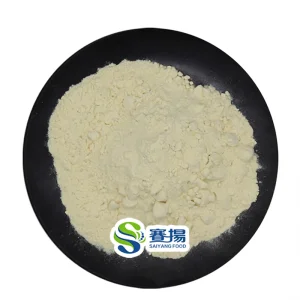
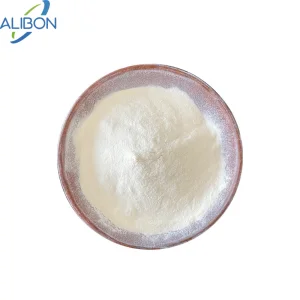
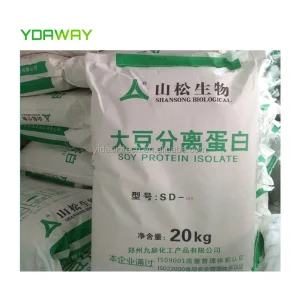
In the rapidly evolving landscape of bioactive peptides and plant-based functional ingredients, Hydrolyzed Almond Protein (HAP) has emerged as a cornerstone for premium formulations. Unlike standard plant proteins, HAP undergoes a sophisticated enzymatic hydrolysis process that breaks down large almond protein molecules into smaller, highly bioavailable peptide chains. This molecular refinement is what differentiates a standard "natural" product from a high-performance "clinical" grade ingredient.
As a leading Hydrolyzed Almond Protein Manufacturer, Hangzhou Fderla Biology Co., Ltd. leverages state-of-the-art biotechnology to unlock the nutritional and cosmetic potential of Prunus amygdalus dulcis. Our process ensures a specific molecular weight distribution—typically under 2000 Daltons—enabling deep penetration into the hair cortex and superior absorption through the skin barrier.
The global demand for plant-based proteins is projected to grow at a CAGR of 7.2% through 2030. Hydrolyzed almond protein leads this trend due to its hypoallergenic profile and superior amino acid composition compared to soy or wheat proteins.
Luxury cosmetic brands in Paris, Seoul, and New York are increasingly replacing animal-derived keratins with almond peptides to meet the "Vegan-Friendly" and "Clean Label" demands of Gen Z and Millennial consumers.
In the food sector, almond peptides are used as emulsifiers and nutritional fortifiers. Their high solubility makes them ideal for RTD (Ready-to-Drink) beverages and clear protein waters.
Operating out of the biotech hub of Hangzhou, China, Hangzhou Fderla Biology Co., Ltd. provides a unique intersection of cost-efficiency and high-tech innovation. The Chinese manufacturing landscape offers unparalleled advantages in the bioactive peptide sector:
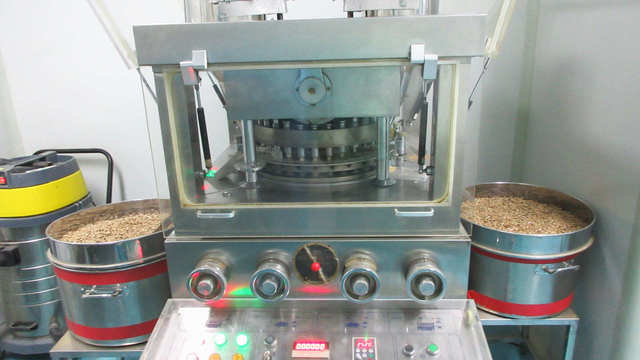
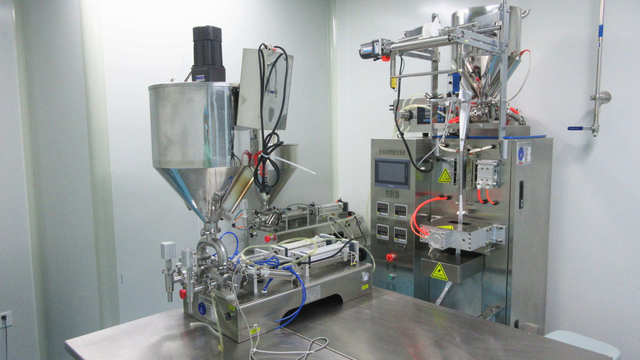
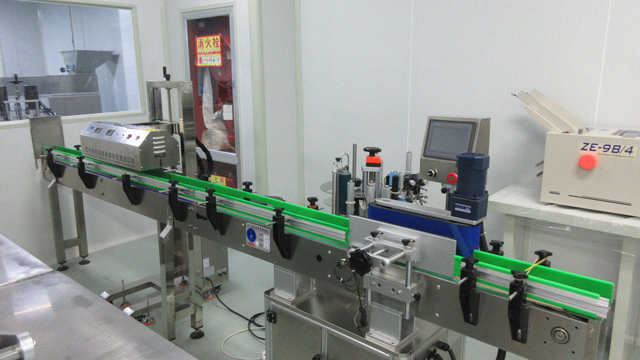
Hangzhou Fderla Biology Co., Ltd. is a professional hydrolyzed protein manufacturer and bioactive peptide supplier based in Hangzhou, China. The company focuses on the research, development, production, and global export of high-quality protein hydrolysates for food, cosmetic, and nutritional applications.
With advanced biotechnology processes and strict quality control systems, Fderla Biology produces a wide range of hydrolyzed protein ingredients, including plant-based, animal-based, and marine-derived protein peptides. These materials are widely used in functional foods, dietary supplements, skincare formulations, hair care products, and sports nutrition solutions.
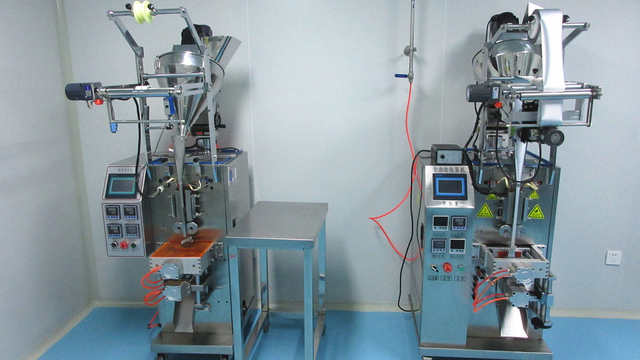
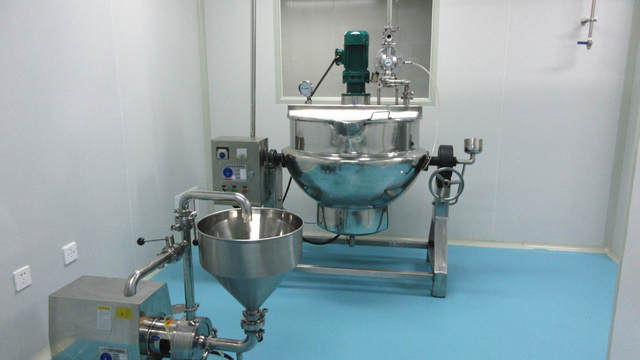
The company integrates modern enzymatic hydrolysis technology with scientific formulation expertise to ensure high bioavailability, easy absorption, and stable performance of its protein products. Each batch is carefully tested to meet international standards for purity, safety, and effectiveness.
In humid regions like Southeast Asia, HAP is used to control frizz. In colder climates like Scandinavia, it acts as a barrier against environmental dehydration. It penetrates the hair shaft to repair disulfide bonds broken by chemical treatments.
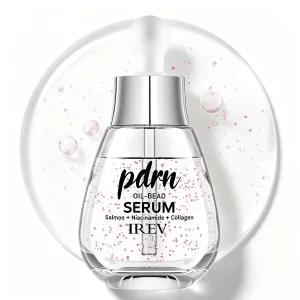
Almond peptides stimulate fibroblast activity, promoting the natural synthesis of collagen. This makes it a preferred ingredient for premium facial serums in the European and North American anti-aging markets.
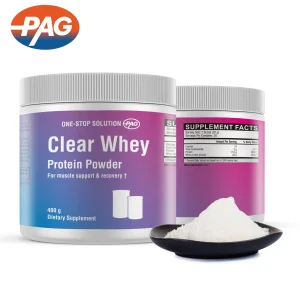
For the vegan sports market, hydrolyzed almond protein offers a clean, non-gritty texture in powder mixes. It is highly soluble even at low temperatures, making it the gold standard for "Clear Vegan Protein" products.
The industry is moving toward "Precision Peptides." Future trends include:
When sourcing Hydrolyzed Almond Protein, enterprise buyers should evaluate suppliers based on the following E-E-A-T criteria:
Request the COA (Certificate of Analysis) specifically for the amino acid profile (high Arginine and Glutamic acid content) and molecular weight distribution.
Ensure the protein remains clear in solution between pH 3.0 and 7.0, which is critical for liquid formulations.
Fderla Biology supports OEM and customized solutions for global clients, including ingredient formulation optimization, technical support, and bulk supply services.

 Fderla Biology